

Have you ever stood on a windswept shore, camera in hand, chasing the perfect light and wondered if your lens was holding you back? The beach looks simple on the surface. But sand, glare, moving subjects, and shifting light all conspire against a one-size-fits-all setup.
This guide compares five lenses that excel in beach conditions. We tested options that span wide vistas, close-up detail, portraits, and long-range isolation. Every option is judged for sharpness, handling, and real-world versatility.
For each lens we weigh strengths and limitations in true shooting scenarios. You’ll get practical selection guidance to match gear to your shooting goals and the environment. You’ll find clear notes on trade-offs like weight versus speed and flexibility versus single-purpose performance.
Expect discussion of handling bright sun, low-light golden hours, and the constant threat of sand and salt. We’ll also cover when to choose a prime versus a zoom, and why aperture and focal length matter on the sand.
Whether you favor dramatic seascapes, intimate shell macros, or creamy portraiture, this briefing will help you choose wisely. Simple, practical tips will help you protect gear from sand and salt without sacrificing creativity. Grab your camera and let’s find the best lens to lift your beach images to the next level.
1. Sigma 35mm f/1.4 Art Overview

Sigma 35mm f/1.4 DG HSM Art for Canon EF
Bright, ultra-sharp wide-angle prime delivering beautiful bokeh and exceptional low-light performance for professional portraits and street photography.
Check PriceThe Sigma 35mm f/1.4 Art is a go-to workhorse when you need sharp, punchy images on the beach. It’s praised for exceptional sharpness across lighting conditions, so details in sand, surf, and faces stay crisp from sun up to golden hour.
This lens shines at wide scenes and intimate portraits alike. The 35mm field of view balances environment and subject, making it ideal for environmental portraits and candid lifestyle work along the shore.
Its wide f/1.4 aperture gives you real creative control over depth of field and strong low-light performance for sunset shooting. That capability makes it a reliable choice when light drops fast and you still want clean, usable frames.
Photographers also value how the Sigma handles variable beach light — bright sun, reflective water, and warm evening tones are all managed with confidence. The build feels durable too, which matters when you’re working outdoors around wind and grit.
Be aware that the lens is relatively heavy compared with some other 35mm primes, so it can feel noticeable on long walks or handheld all-day shoots. Also, that very wide aperture can be challenging to use in very bright sunlight if you need more depth of field or want to avoid overexposure.
In short, if you want a sharp, versatile 35mm that performs beautifully from golden hour into low-light documentary and lifestyle work, the Sigma 35mm f/1.4 Art is mostly a strong choice. Just plan for its weight and manage that wide aperture in blazing midday conditions.
- Exceptional sharpness in all lighting conditions
- Wide f/1.4 aperture for creative depth of field
- Versatile 35mm focal length for scenes and portraits
- Durable build suitable for outdoor environments
- Heavier than some other 35mm primes
- Wide aperture can be challenging in very bright sunlight
2. Canon 100mm f/2.8L Macro Overview

Canon EF 100mm f/2.8L IS USM Macro
True macro optics with stabilized sharpness and precise autofocus for intimate close-ups and clinical detail reproduction in any lighting.
Check PriceOn the beach I reach for the Canon 100mm f/2.8L Macro when I want to capture tiny seaside details — seashells, sand textures, and the delicate patterns on small objects. It’s a true macro lens that renders fine detail with impressive sharpness and color rendition, especially in daylight.
Beyond close-ups it doubles as a portrait lens. The f/2.8 aperture gives creamy bokeh and strong subject isolation, which is perfect for intimate portraits against a soft, sunlit shoreline. The rendering produces pleasing tones that flatter skin and natural subjects.
Its build is solid and practical for outdoor use, so I’ve been comfortable bringing it to windy, sandy locations. That durability makes it a reliable option when you need to focus on detail without worrying about gentle abuse from beach conditions.
Keep in mind it’s not a lens for sweeping seascapes or group shots. If your day is all about expansive horizons or large scenes, the 100mm macro won’t be ideal. It truly excels when you get closer to your subject or want that compressed look and shallow depth of field for portraits.
Also plan your light. The f/2.8 aperture is useful for subject separation, but the lens performs best in good lighting — daylight plays to its strengths in sharpness and color. For beach photographers who love detail work and portraits, this lens is mostly a win.
- Excellent macro performance for small details
- Sharp images with beautiful bokeh
- Durable build quality for outdoor use
- Versatile for both macro and portrait photography
- Not suitable for wide-angle shots or group photos
- Requires good lighting for optimal performance due to f/2.8 aperture
3. Lensbaby Composer Pro With Sweet 35 Optic

Lensbaby Composer Pro II with Sweet 35 for Canon RF
Creative tilt-shift-style optic producing dreamy selective focus and swirl-like bokeh for artistic, expressive portraits and experimental imagery.
Check PriceThe Lensbaby Composer Pro with Sweet 35 Optic is one of those specialty tools I reach for when I want the beach to feel less like a literal place and more like a mood. Its strength is creative potential: selective focus and distinctive optical falloff let you craft striking, artistic images that standard lenses just don’t produce.
On the shore it shines for creative portraits and abstract shots — that dreamy, out-of-focus background and the unusual visual effects make shells, wet sand, and backlit subjects seem painterly. Because it emphasizes selective focus over clinical sharpness, it’s a great choice when you want atmosphere rather than reportage.
Keep in mind it’s a manual-focus optic and can be challenging to master; if you’re used to fast autofocus or rapid documentary shooting, this will feel slow and deliberate. That said, for planned, patient sessions — golden-hour portraits, textured close-ups, or experimental compositions — the extra effort pays off in images with real personality.
I also appreciate how compact and lightweight the Composer Pro is for beach trips; it won’t weigh you down when you’re hiking dunes or changing locations between tides. The trade-off is practicality: this lens isn’t ideal when you need quick responsiveness or to track moving subjects, but it’s a joy for controlled, creative work.
If you want a lens that encourages experimentation and yields unique, dreamlike results, the Sweet 35 is mostly a positive addition to a beach kit — especially for photographers who enjoy manual techniques and aren’t chasing every moment. If speed and straightforward documentation are your priorities, you’ll likely find it limiting.
- Highly creative; unique artistic compositions
- Great for selective focus and abstract experimentation
- Compact and lightweight for trips
- Produces dreamy, out-of-focus backgrounds and visual effects
- Challenging for beginners; manual focus
- Not ideal for fast-paced or documentary shooting
4. Canon 135mm f/2L Overview
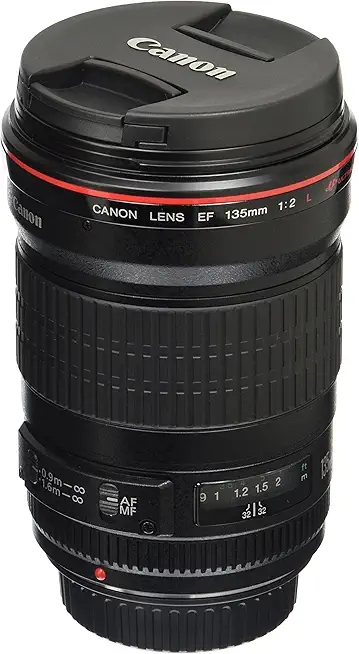
Canon EF 135mm f/2L USM
Fast short-telephoto lens offering razor-sharp portraits, creamy bokeh and reliable autofocus for compelling subject isolation.
Check PriceThe Canon 135mm f/2L is a go-to for beach portraits when you want polished, professional results. Its f/2 aperture gives that creamy bokeh that lifts subjects away from busy shorelines and distracting backgrounds.
On the beach this lens excels at isolating a subject — a surfer, a couple, or a single model — while rendering smooth out-of-focus highlights behind them. That separation makes it ideal for environmental portraits where you still want the ocean feel without the clutter.
Sharpness and build quality stand out in real use. The images are consistently crisp, and the lens feels solid enough for outdoor work near sand and salt spray.
It also offers real creative control over composition and lighting. Pairing its focal length and aperture lets you compress the scene and craft flattering perspective and soft backgrounds during golden hour.
Keep in mind it is not meant for wide-angle scenes or group shots. If you need full family photos on the sand or sweeping seascapes, this focal length won’t cover the frame.
Finally, expect a bit of heft. The lens can be heavy and bulky, which makes long handheld beach walks less comfortable. But if your primary goal is single-subject portraits with beautiful bokeh and strong subject isolation, this lens is mostly a winner.
- Exceptional portrait performance with creamy bokeh
- Sharp images and durable build quality
- Ideal for isolating subjects from the background
- Great for creative control over composition and lighting
- Not suitable for wide-angle shots or group photos
- Can be heavy and bulky; less practical for long shoots
5. Nikon 70-200mm f/2.8E FL Overview

Nikon AF-S NIKKOR 70-200mm f/2.8E FL ED VR
Professional telephoto zoom with constant f/2.8, rock-solid stabilization, fast focusing and exceptional sharpness across the zoom range.
Check PriceThe Nikon 70-200mm f/2.8E FL is a workhorse telephoto that shines on beach days when you need to isolate subjects or compress a scene from a distance. Its 70–200mm reach lets you pick out surfers, birds, or intimate portraits without stepping into the surf.
In the field it’s consistently praised for exceptional sharpness and color rendition, even in challenging lighting near the waterline. That reliability makes it a go-to for golden-hour portraits and for pulling distant elements into a pleasing composition.
One of the nicest practical benefits on a beach trip is the creamy bokeh this lens produces — it separates subjects from busy backgrounds like dunes and crowds beautifully. Combined with a durable build suitable for outdoor environments, it’s clear Nikon intended this for serious use in harsh conditions.
Be honest about the physical demands: the lens is heavy and bulky and can get tiring on long handheld walks along the shore. If you plan long shoots, bring a monopod, use a harness, or rotate duties with a lighter lens to avoid fatigue.
Bottom line: if your beach work often involves portraits, wildlife, or isolating distant action, this lens is mostly a fantastic choice — sharp, color-true, and robust. If you need very wide-angle coverage or spend all day handholding, consider the trade-offs before committing.
- Exceptional sharpness and color rendition
- Versatile zoom range for wide scenes and distant subjects
- Durable build suitable for outdoor environments
- Produces creamy bokeh for portraits and wildlife
- Heavy and bulky; tiring on long shoots
- Not ideal for very wide-angle shots or group photos
How To Choose Beach Lenses
Choosing the right lens starts with what you plan to shoot. Match the lens to the scene: wide angles for seascapes and foregrounds, telephotos to isolate surfers or wildlife, and macro for shells and sand textures.
For beach work a wide to ultra-wide range (roughly 10–35mm) is invaluable; it captures sky, water, shore and foreground interest. Use ultra-wide or fisheye sparingly — they’re dramatic but edge distortion is easy.
If you want to avoid constant lens changes near sand and spray, choose a versatile zoom such as 17–70mm or 24–70mm that covers landscapes, details, and portraits. A single, capable zoom cuts down on gear handling and keeps you ready for changing light and action. It also reduces the chance of grit entering the camera during lens swaps.
Primes give you faster apertures and often crisper images, so bring a 35mm for scenes or an 85–135mm for creamy portraits when you want separation. Modern zooms, however, are impressively sharp and more flexible for a day at the beach.
In bright midday sun aperture is less critical, but wide apertures (f/2.8–f/4) are lifesavers at sunrise, sunset, and when freezing surf action. Faster glass also helps autofocus performance and low-light image quality.
A polarizer is my go-to to cut glare, deepen skies, and tame reflections on wet sand, while an ND lets you slow the shutter for silky water. Prefer lenses that accept standard screw-on filters to avoid bulky holders in wind and sand. Choose weather-sealed glass and use hoods or protective filters to guard against grit and spray.
Consider weight — heavy zooms and teles tire you quickly on sand. If you can only carry one, choose a 24–70mm or 17–70mm mid-range zoom as the best compromise. If you can bring two, pair that zoom with a tele for surfers or a macro/fast prime for shells and portraits.
Choosing The Right Beach Focal Length
Focal length is the single biggest creative decision you make on a beach shoot. It shapes perspective, controls how much context you keep, and ultimately dictates the mood of the image.
For sweeping seascapes reach for something in the 10–35mm range. Get low, put a shell or rock in the foreground and let the wide glass exaggerate depth; ultra-wides give drama but can distort edges, so keep horizons level and be mindful of edge placement.
A 35–50mm field of view feels natural and is the most versatile choice. At 35mm you can balance environmental portraits with scenery, keeping people in context without obvious distortion.
Telephoto glass (70–200mm and longer) is perfect for isolating subjects and compressing distance. Use it for surfers, distant birds or tight portraits — you’ll get flattering background separation, but you’ll also need more reach and steadiness.
Zooms like 17–70mm or 24–70mm are the safest bet on sandy, windy days because they let you change perspective without swapping lenses. Primes offer wider apertures and crisper output, so bring one if you want dreamy backgrounds or low-light flexibility — just accept the discipline of moving around more.
Choose focal lengths to tell the story you want: dramatic foregrounds, intimate details, or distant action. In practice I often carry one wide and one short-tele; it covers most scenarios and minimizes lens changes near salt and sand.
If you must travel light, a 17–70mm/24–70mm covers the broadest range. Add a 12–24mm for epic foreground landscapes and an 85–135mm or 70–200mm for portraits and surf when you need subject isolation.
What People Ask Most
What is the best lens for beach photography?
There is no single best lens; the right choice depends on what you want to capture and your shooting style. Match the lens to the subject, whether that is sweeping seascapes, intimate details, portraits, or distant subjects.
What focal length is best for beach photos?
Focal length depends on the scene: wider focal lengths suit expansive views while longer focal lengths help isolate distant subjects. Choose a focal length that preserves the scene you want to emphasize and that gives you comfortable working distance.
Is a wide-angle lens good for beach photography?
Yes, wide-angle lenses are excellent for capturing vast shorelines, foreground interest, and dramatic perspectives. Be mindful of edge distortion and careful when using wide angles for close-up portraits.
What lens should I use for beach portraits?
Short to medium telephoto lenses typically flatter subjects by compressing background and creating pleasing separation. Primes in this range also offer strong sharpness and control over depth of field.
Are telephoto lenses useful for shooting waves and surf at the beach?
Telephoto lenses are very useful for isolating distant action like surfers and coastal wildlife and for compressing layers in the scene. They add versatility but can be heavier to carry and may require more distance from the subject.
Should I use a prime or zoom lens for beach photography?
Primes can offer superior sharpness and wider apertures for creative depth of field, while zooms provide flexibility and reduce the need to change lenses in sandy or wet conditions. Choose based on whether image quality or adaptability is more important for your shoot.
What aperture and lens settings are best for beach photography?
In bright daylight, depth of field is often ample so moderate apertures work well; wider apertures help at sunrise, sunset, or in low light for subject separation. Always balance aperture with shutter speed and exposure considerations to control motion and reflections.
Conclusion For Best Lenses For Beach Photography
In short, the best beach photos come from matching your lens to the moment—whether you want sweeping seascapes, intimate close-ups, isolated portraits, creative effects, or a do-it-all zoom for changing conditions.
Each optic type brings clear strengths and trade-offs: some give expansive perspective, some reveal tiny textures, some isolate subjects for creamy backgrounds, and some prioritize flexibility over absolute speed or weight.
Practical considerations like handling, weight, aperture in low light, and protection from sand and salt play as big a role as focal length when you’re shooting on the shore.
Think about the stories you want to tell at the beach and choose gear that supports those creative choices rather than trying to cover every possibility at once.
If you’d like to deepen your technique and gear knowledge, explore more articles on the site to sharpen your decision-making and shooting skills.
Have questions or want advice tailored to your kit or a specific beach shoot? Leave a comment below and we usually reply within a few hours.




0 Comments