
Why do my teeth look yellow on camera? Is it the light, the camera settings, or the teeth themselves?
This short guide explains both photography and dental reasons. You will learn about white balance, flash and reflections, as well as enamel vs dentin and common stains from coffee or smoking.
I will show practical fixes you can try right away: camera tips, simple editing, at‑home whitening, and when to see a dentist. You will also get selfie tricks and safety pointers so edits look natural.
Read on to find quick photo fixes and real treatments so your smile looks its best in pictures. By the end you will know whether to tweak your lighting or treat your teeth.
Why Do My Teeth Look Yellow on Camera?
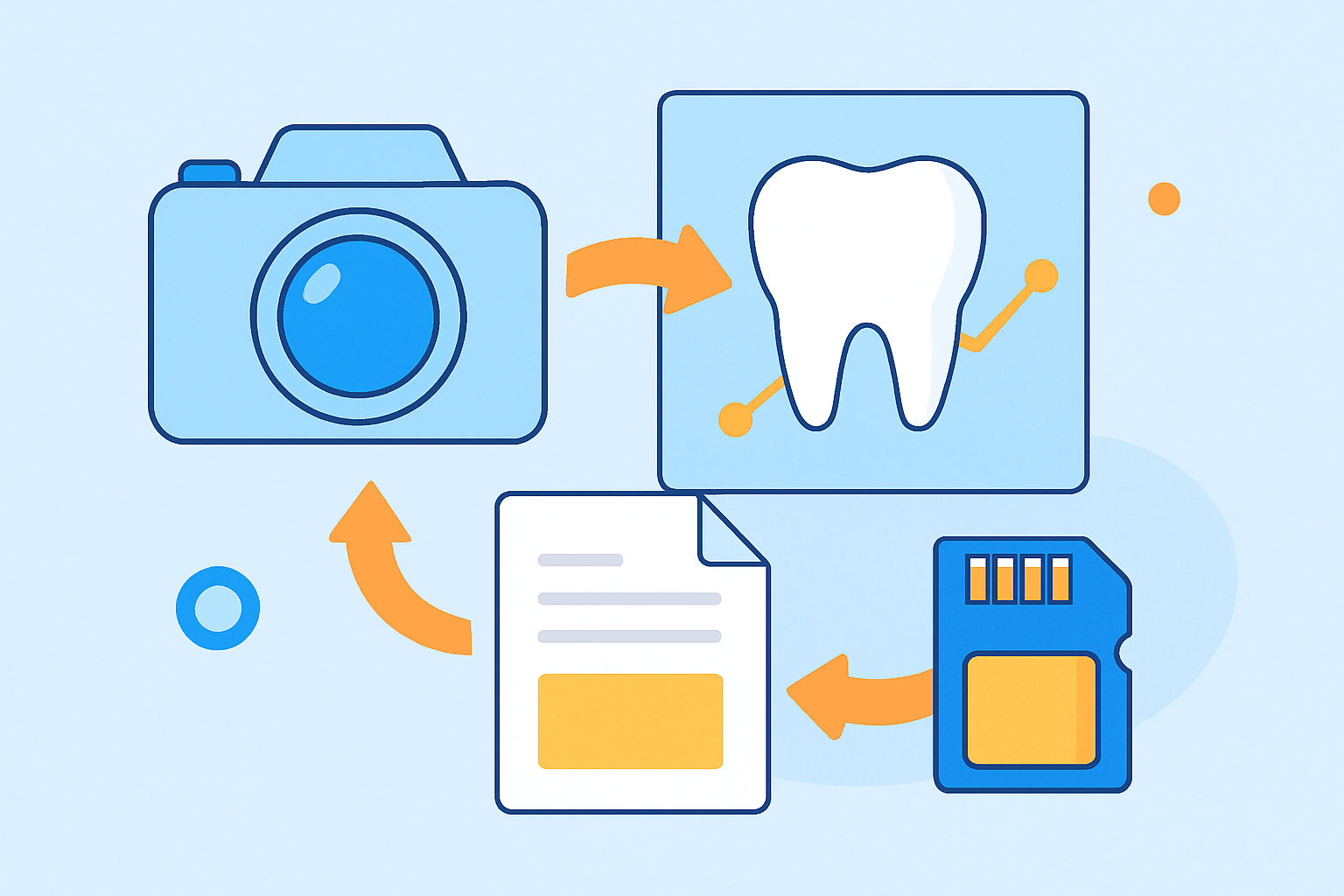
If you’re wondering why do my teeth look yellow on camera, it’s usually a mix of light and color science, not just your smile. Cameras often misread warm indoor lighting and push colors toward yellow. That shift exaggerates any natural warmth in your teeth.
Auto white balance tries to guess the light color and often guesses wrong under household bulbs. Warm tungsten or LED lights can trick the camera, making enamel look creamier or yellow. Learning basic white balance is the quickest fix.
Mixed lighting makes it worse. A window adds cool daylight while ceiling lights add warm orange, and your camera can’t correct both zones. Teeth then sit in a confused color cast that leans yellow.
Phone JPEG processing often adds warmth to flatter skin. That “nice skin” look nudges teeth warmer too. HDR and tone mapping can deepen midtones, darkening grooves that read as yellow or brown.
Direct flash hits teeth at a harsh angle and highlights every stain. Bounced light or soft light smooths texture and reduces the appearance of streaks. Soft light also keeps reflections from looking gray or dull.
Exposure and shadows matter as well. Underexposure pushes teeth into muddier tones, and shadows near the mouth amplify yellow. A small exposure lift can pull teeth closer to neutral white.
Surrounding colors reflect onto your teeth like tiny mirrors. Yellow walls, beige shirts, and orange lipstick all bounce warmth into enamel. Cool blue clothing and neutral backgrounds do the opposite and make teeth look brighter.
Perception plays a role too. Enamel is translucent and sits over naturally yellow dentin, so some warmth is normal. Skin tone, lipstick undertone, and even how wide you smile or tilt your head can sway what the camera sees.
Imagine a restaurant selfie under tungsten bulbs with mustard walls and a tan. The camera warms everything, and your teeth, reflecting all that, look extra yellow. If it’s the camera, fix it with light and white balance; if it’s your teeth, keep reading to learn why it happens and how to treat it.
Dental and Biological Reasons Your Teeth May Appear Yellow
Your teeth are not solid white blocks. Translucent enamel covers a dentin layer that is naturally yellow, and thinner enamel reveals more of that dentin. This is why mild warmth is normal even in healthy teeth.
Many people describe their smile as “yellow from inside.” That feeling usually comes from dentin showing through, not from something sitting on the surface. The camera can’t tell the difference, so it simply records the color it sees.
Aging and genetics set your baseline shade. Enamel thins slowly with age, and some people are born with thinner or more translucent enamel. As a result, dentin shows more and the overall color skews warmer.
Intrinsic discoloration happens inside the tooth and is harder to change at home. Tetracycline staining during tooth development, fluorosis, and internal discoloration after trauma are common examples. These deeper stains may need professional treatment rather than simple whitening toothpaste.
Enamel erosion exposes dentin and deepens the yellow look. Acids from soda, citrus, reflux, and frequent snacking can wear enamel over time. Once enamel thins, light passes differently and the yellow tone becomes more visible.
Some medications and health issues can shift color too. Certain antihistamines, blood pressure meds, and chemotherapy agents can affect tooth color. If discoloration appears suddenly or unevenly, see a dentist or your physician.
Not every yellow tone vanishes with whitening. Deep intrinsic stains and very thin enamel can limit how bright you can go. Realistic expectations make a big difference, and a personalized plan works best.
Lifestyle and Habitual Causes of Yellowing (Diet, Smoking & Hygiene)
Surface stains build from colorful foods and drinks. Coffee, tea, red wine, cola, berries, curry, and soy or balsamic sauces all leave pigments on enamel. Frequency matters most, so daily sips and snacks stain faster than occasional treats.
Tobacco sticks to everything. Nicotine and tar produce sticky brown residue that settles into tiny grooves and along the gumline. These stains can be stubborn even with whitening.
Poor oral hygiene lets plaque sit undisturbed and appear yellow. When plaque hardens into tartar, brushing can’t remove it, and it needs a professional cleaning. Regular cleanings strip away this layer and reveal your real baseline color.
Acidic diets soften enamel and make stains cling more. Sugary and carbonated drinks feed plaque and drive acid production, which wears enamel over time. The result is both more stain and more dentin showing through.
Some habits make stains worse than they need to be. Constant sipping, skipping water rinses, using staining mouthwashes, and taking iron supplements without a rinse can all darken your smile. Rinse with water after staining foods, use a straw for iced drinks, and keep a consistent cleaning routine.
How to Fix Yellow Teeth: Professional and At‑Home Options
Match the fix to the cause for the best results. If surface stain is the main issue, simple steps work fast, but intrinsic stains or enamel loss need a dentist. When you keep asking why do my teeth look yellow on camera, start by confirming whether the color is real or just a lighting problem.
Whitening toothpaste offers small, quick wins. Mild abrasives remove surface film and optical blue brighteners make teeth look a bit whiter right away. Expectations should be modest, because they do not change deep color.
Over‑the‑counter strips and gels use peroxide to lighten stains. You may see changes in one to two weeks, but temporary sensitivity is common, especially to cold. Follow directions and give gums a break if they feel tender.
OTC trays and LED kits can help, but quality varies. Concentrations may be high and trays often fit poorly, which risks uneven results or sore gums. Be cautious and stop if you feel burning or persistent pain.
In‑office bleaching uses stronger gels under supervision for faster results. Dentists isolate gums, manage sensitivity, and can treat tough areas precisely. One visit can move several shades, though some cases need follow‑ups.
Custom take‑home trays from your dentist are a safe middle ground. The fit keeps gel where it belongs and reduces irritation. You can whiten gradually at home and top up as needed.
Professional cleaning removes plaque and tartar that make teeth look dull. Often this reveals a much lighter shade before any whitening is done. It is the best first step for extrinsic stains.
For severe intrinsic discoloration, cosmetic options go beyond bleaching. Bonding, veneers, or crowns can mask color and reshape teeth for an even smile. These choices require an exam and a realistic look at long‑term care.
Protect your enamel while you brighten. Avoid DIY recipes like lemon juice, charcoal powders, and harsh scrubbing with baking soda, because acids and abrasives can thin enamel. The ADA advises diagnosis first and gentle, proven methods for safe whitening.
Brush twice daily with a fluoride toothpaste, floss daily, and reduce staining habits to preserve results. Touch‑up whitening every few months keeps color stable. See a dentist if stains persist, if a single tooth darkens suddenly, or if sensitivity lingers.
Practical Camera, Lighting & Styling Tips to Make Teeth Look Whiter in Photos
Use soft natural daylight when you can. Face a window and turn off warm overhead bulbs so the camera reads one clean light source. This single move removes most yellow color casts.
Set white balance instead of relying on auto. Use Tungsten/Incandescent indoors under warm bulbs, or set 5,200–5,600K in daylight for a neutral look, and shoot RAW if your phone or camera allows. Correcting WB is faster than fixing yellow teeth later.
Lock focus and exposure on your phone, then nudge exposure a touch brighter. Tap and hold to lock AE/AF and slide the exposure icon up a little. Pro apps like Halide, ProCam, or Lightroom Mobile let you set Kelvin and shoot RAW for cleaner edits.
Use soft or bounced light if you must use flash. Aim the flash at a ceiling or a wall, or use a diffuser to avoid harsh reflections. Soft light reduces the contrast that makes stains jump out.
Compose with flattering angles and quick grooming. Hold the camera slightly above eye level, drop your chin a bit, and relax into a natural smile. Hydrate lips, brush and floss, and chew sugar‑free gum or eat a crisp apple to remove film just before the shot.
Style with cool tones that counter yellow. Wear blue or jewel‑tone tops and avoid beige or mustard near your face. Choose blue‑based red or berry lipsticks rather than warm orange shades.
Edit lightly for a natural result. In Lightroom Mobile or Snapseed, use a selective brush on teeth to lift brightness a little and drop yellow or orange saturation without pushing them blue. As a guide, try +0.3 to +0.6 stops for lightness and −10 to −40 for yellow saturation, then compare across a few photos.
Before a selfie, do a quick run‑through. Brush and floss, face a window, set WB, wear a cool top, and make a small local edit if needed for whiter teeth in photos. When friends ask why do my teeth look yellow on camera, you’ll know exactly how to fix both the light and the smile.
What People Ask Most
Why do my teeth look yellow on camera?
It’s often caused by lighting and camera settings rather than your teeth, since warm light, wrong white balance, or flash can make teeth appear yellow.
Can lighting make teeth look yellow on photos?
Yes — incandescent or warm lights and low light can add yellow tones, so use natural daylight or balanced lighting for truer color.
Does camera flash make teeth look yellow on camera?
Sometimes — flash can create harsh reflections and shadows that emphasize yellow tones, so try diffused light or change your camera settings.
Will whitening toothpaste stop my teeth from looking yellow in photos?
Whitening toothpaste can reduce stains over time but won’t fix lighting or camera issues, so combine oral care with better lighting and minor photo edits.
Are clothing and lipstick affecting why my teeth look yellow on camera?
Yes — warm-colored clothes or lipsticks can cast a yellow tint onto your teeth, so pick cool-toned colors to neutralize the effect.
Can phone camera settings fix why my teeth look yellow on camera?
Often — adjusting white balance, exposure, or using portrait mode can reduce yellow cast and make teeth look whiter in photos.
Quick tips to stop my teeth looking yellow on camera?
Stand in natural light, avoid warm bulbs, choose cool-toned lipstick, angle the camera slightly above, and use simple photo editing to correct color.
Final Thoughts on Teeth That Look Yellow in Photos
You came here asking “Why do my teeth look yellow on camera?” and the short answer is that a lot of the problem’s in the light and the camera — though real tooth color matters too. Even shifting color temperature by 270 units on some phone apps or choosing a cooler daylight setting can make an immediate, visible difference. This guide showed you how to spot camera vs dental causes and gave practical fixes for both — from white balance and styling to safe whitening and when to see a dentist.
Be realistic: intrinsic stains or thin enamel often won’t vanish with a filter or whitening strip, and DIY acid or abrasive hacks can make things worse. If you use what we covered — simple photo techniques, routine dental care and pro options when needed — selfie-takers, social users and photographers will get the biggest, most reliable wins.
Remember the opener’s question — we answered it by separating technical causes from biological ones and by giving step-by-step fixes for both. Try the camera and styling tips alongside sensible dental care, and you’ll be surprised how quickly photos reflect the smile you see.


0 Comments