

Which Fujinon zoom should you pack for your next trip? Missing the decisive moment because you were lugging the wrong glass is maddening.
This concise guide evaluates five Fujinon X-mount zooms chosen for travel practicality. I shot with them in city streets, windswept coasts, and wildlife edges. The focus is on how they perform when you really need them to.
Expect real-world feedback, candid pros and cons, and an honest take on who each lens suits best. I cover handling, autofocus behavior, stabilization, and low-light performance in everyday scenarios. The aim is to translate technical traits into usable decisions.
Whether you crave a single do-it-all zoom or prefer swapping compact lenses, this guide clarifies the trade-offs. Weight, focal range, aperture, and weather sealing can change an entire trip; I’ll help you choose accordingly.
No lab charts or jargon—just practical advice from someone who’s packed these lenses into carry-ons and backpacks. Read on to match a lens to your shooting style and to travel lighter without sacrificing shots.
I also weigh cost versus performance so you don’t overpay for gear you won’t use. Recommendations aim to suit weekend explorers, full-time travelers, and photo-focused trips. By the end you’ll know which zoom earns its place in your bag.
1. Fujinon XF 18-55mm f/2.8-4

Fujifilm XF 18-55mm f/2.8-4 R LM OIS
Bright standard zoom for everyday shooting; fast aperture, silent autofocus and effective image stabilization for crisp handheld photos and smooth video.
Check PriceLabelled by many as “the best kit lens Fujifilm ever made,” the Fujinon XF 18-55mm f/2.8-4 is a remarkably capable walkaround zoom. It delivers a blend of optical quality and portability that feels tailored to travel shooters who don’t want to carry a bag full of glass.
In the field it produces sharp, vibrant images with pleasing micro-contrast, and the built-in OIS makes handheld shooting and run-and-gun video much less stressful. The zoom covers roughly 27–82mm full-frame equivalent, which is a perfect everyday range for landscapes, street, and short portraits.
At only ~330g it’s genuinely light on a mirrorless body, so you’ll notice the weight savings on long days of wandering. The f/2.8-4 aperture gives a useful shallow-depth-of-field at the wide end and lets in more light than typical kit zooms, but be mindful that the aperture narrows as you zoom toward telephoto.
For casual travelers, vloggers, and enthusiasts who want one lightweight, all-purpose lens, this is a smart choice — it’s versatile, affordable in practice, and fun to shoot with. Just don’t expect professional weather sealing or full low-light telephoto performance; if your trips involve heavy rain or late-night telephoto work, plan accordingly.
- Versatile focal range (27–82mm eq.)
- Strong image quality for the price
- Lightweight (~330g)
- Effective built-in OIS for handheld/video
- No weather sealing
- Variable aperture narrows when zooming, limiting low-light telephoto use
2. Fujinon XF 10-24mm f/4

Fujifilm XF 10-24mm f/4 R OIS WR
Ultra-wide zoom delivering dramatic perspectives, solid edge-to-edge sharpness, built-in stabilization and weather sealing for reliable landscape and architecture results.
Check PriceThe Fujinon XF 10-24mm f/4 R OIS WR is an ultra-wide zoom built for sweeping vistas and tight urban scenes, with weather resistance and optical stabilization that make it a very practical travel tool. Its 10–24mm coverage gives you dramatic perspective and immersive landscapes without having to stitch panoramas, and the constant f/4 keeps exposure predictable as you zoom.
In the field I find the lens delivers excellent sharpness for its class, with strong edge-to-edge performance that holds up when printing or cropping. There is noticeable distortion at 10mm, but it’s well behaved and easily correctable in post; the front filter threads are a real plus for grads and circular polarizers when shooting landscapes.
At 410g it’s heavier and larger than many primes, so you’ll feel it in a minimal kit, but it remains portable enough for most travel setups and gives you coverage you can’t get from a single prime. The WR (weather resistance) combined with OIS means you can push hand-held shooting into lower light than f/4 alone would normally allow, although you’ll still lose some low-light reach compared with faster lenses.
Who should choose this lens? If you prioritize dramatic wide-angle perspectives for landscapes, architecture, or travel vlogging, and you want a lens that tolerates a bit of weather and accepts filters, this is a very strong choice. It’s mostly a good fit for travelers who value wide coverage and build quality more than ultimate low-light speed.
- Ultra-wide coverage
- Weather sealed
- Sharp across the frame
- Filter threads for landscape work
- Heavier and larger than primes (410g)
- f/4 aperture limits low-light performance without OIS
3. Fujinon XF 18-135mm f/3.5-5.6

Fujifilm XF 18-135mm f/3.5-5.6 R LM OIS WR
All-in-one travel lens covering wide to telephoto, versatile reach, fast focusing, stabilization and weather resistance for confident shooting on the go.
Check PriceThe Fujinon XF 18-135mm f/3.5-5.6 R LM OIS WR is a true superzoom for travel with a 7.5x range that covers 18–135mm (~27–200mm full-frame equivalent). It’s built as a one-lens solution so you can go from wide streets to distant subjects without swapping glass. This versatility is exactly why many of us reach for it on short trips or when packing light matters more than squeezing out every last stop of sharpness.
In the field it feels purposeful: weather resistant construction gives confidence in rain or dust, and the lens pairs effective stabilization with quiet, fast AF. The optical stabilization is rated around 5 stops in real-world use, which makes handheld telephoto shots and casual video far more usable. It’s lighter than many pro zooms but still not pocketable, so expect a modest travel footprint rather than a true compact.
Optically it’s a balanced performer — very usable across most of the range, but you will notice softness and reduced contrast toward the 135mm end. The variable aperture (f/3.5–5.6) also limits low-light reach compared with constant-aperture alternatives, so plan for higher ISOs or bringing faster glass if you shoot a lot at dusk or indoors. For most travelers, the trade-off is worth it: massive coverage, weather sealing, stabilization, and quick AF deliver practical results in real situations.
- Massive 7.5x focal range (18–135mm / ~27–200mm)
- Weather resistant build for shooting in poor conditions
- Effective 5-stop OIS for handheld telephoto and video
- Fast, quiet AF and reduces lens swaps on trips
- Softness and reduced contrast at 135mm
- Variable aperture limits low-light performance
4. Fujinon XF 50-140mm f/2.8

Fujifilm XF 50-140mm f/2.8 R LM OIS WR
Professional telephoto offering constant bright aperture, exceptional sharpness, fast autofocus, stabilization and weather sealing for sports and portrait performance.
Check PriceThis Fujinon XF 50-140mm f/2.8 is a professional-grade telephoto zoom built around a constant f/2.8 aperture and robust weather sealing. In the field it’s praised for sharpness, color rendering, and rock-solid construction, so it feels like a tool made for serious work rather than casual snapshots.
Optically it delivers—ED and Super ED elements help maintain exceptional sharpness and contrast across the range, and the lens pairs well with fast bodies for clean, punchy images. Real-world users favor it for wildlife, portraits, and distant landscapes where reach, subject separation, and image quality matter most.
You should expect weight: the lens is heavy (over 1 kg), so it’s a deliberate choice when you prioritize image quality and reach over packability. It also supports 1.4x and 2x teleconverters and features class-leading 5-stop stabilization, giving you flexibility and steadier handheld shooting when you need it.
- Fast constant f/2.8 for low light and bokeh
- Exceptional sharpness and contrast
- Weather sealed for harsh conditions
- Compatible with 1.4x and 2x teleconverters
- Heavy — over 1 kg
- Overkill for casual or light travel
5. Fujinon XF 70-300mm f/4-5.6

Fujifilm XF 70-300mm f/4-5.6 R LM OIS WR
Lightweight long-range zoom with powerful reach, reliable stabilization, swift autofocus and weather protection—ideal for wildlife and distant subjects.
Check PriceThis Fujinon XF 70-300mm f/4-5.6 is a surprisingly capable telephoto zoom that’s been designed with travel shooters in mind. It’s lighter and more compact than many pro telephotos, so carrying it all day doesn’t feel like a chore.
In the field it delivers very good image quality for its class. Autofocus is fast and quiet, which helps when tracking skittish wildlife or candid sporting moments. The stabilization is reliable, allowing a lot of handheld long-focal shooting that would otherwise need a tripod.
Weather resistance gives you confidence in variable conditions, whether you’re on a misty coastline or dodging sudden showers. The OIS does a lot of heavy lifting for low-ISO handheld work, so you can squeeze usable shots out of longer focal lengths without cranking shutter speeds.
Where it shines is reach-to-weight ratio and practical handling. You get telephoto compression for landscapes, reach for distant subjects, and a compact footprint that keeps your kit manageable on the road. The combination of light weight, AF performance, and stabilization makes it an easy lens to recommend if tele reach is your priority.
Be realistic about the trade-offs: the variable f/4–5.6 aperture means it’s not a low-light specialist, and it isn’t optimized for close-up or macro work. If you shoot a lot in very dim conditions or need true close-focusing, you’ll notice those limits. For most travel scenarios though, it’s a very solid, practical telephoto choice.
- Lightweight and compact
- Fast, quiet autofocus
- Weather sealed (WR)
- Effective OIS for handheld tele shooting
- Variable f/4–5.6 limits low-light
- Not optimized for close-up/macro
Optical Performance Highlights
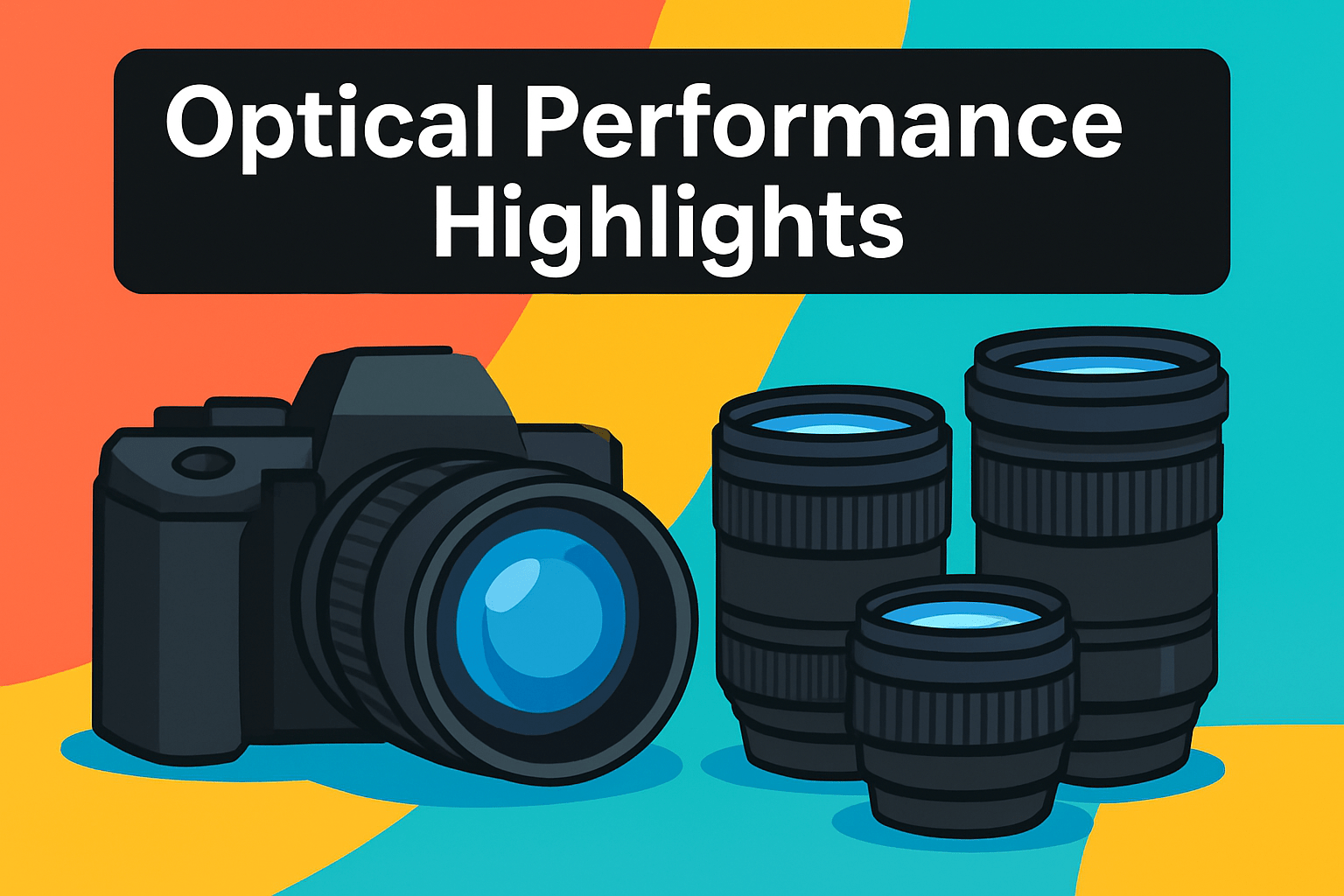
Optical performance is what makes a travel lens truly useful. Sharpness, contrast, and control of distortion and chromatic aberrations decide whether an image survives a long day of shooting and a bit of post.
In Fuji’s lineup you’ll notice two clear approaches. The pro zooms chase edge‑to‑edge resolution and high contrast, while the consumer zooms accept small optical compromises to stay compact and versatile.
The XF 16‑55 f/2.8 is widely regarded as the benchmark. Its advanced glass and coatings deliver superb sharpness and very pleasing bokeh, which is noticeable in low‑light and portrait work.
The XF 18‑135 strikes a great practical balance. It pairs solid resolving power with effective 5‑stop OIS and quick, quiet AF, so your handheld travel shots often come out usable straight from the camera.
The XF 50‑140 f/2.8 is the telephoto standout. ED and Super‑ED elements maintain contrast and fine detail at longer focal lengths, and its class‑leading stabilization makes handheld tele shots practical. It also pairs well with 1.4x and 2x teleconverters when you need extra reach.
At the ultra‑wide end the XF 10‑24 holds up well. It is sharp across the frame for landscapes and architecture, though expect a bit of 10mm distortion that is easily corrected in post.
The smaller zooms like the XF 18‑55 deliver lively color and surprising sharpness for their size, aided by onboard OIS. The tiny XF 16‑50 is adequate, but it shows more vignetting and distortion compared with the f/2.8 and pro options.
My practical tip: stop down a stop or two to tighten corner performance, lean on OIS for lower shutter speeds, and correct wide‑angle distortion in post rather than carrying heavier glass. Choose a stabilized mid‑range zoom for maximum travel convenience, or opt for the f/2.8 pro zooms when ultimate image quality is the priority.
Focal Length Versatility for Travel
Travel photography asks you to cover a lot of ground—vistas, street scenes, portraits and distant subjects. That means focal length versatility matters more than ever. Good focal choices reduce lens swaps and missed moments.
If you want one-lens convenience, a broad superzoom is hard to beat. An 18–135mm covers roughly 27–200mm full-frame equivalent and handles everything from wide travel scenes to reachy tele shots. It’s stabilized and weather resistant, though expect a variable aperture and some softness at the long end.
If low-light and subject separation are priorities, a constant-aperture mid-range zoom is tougher to beat. A 16–55mm f/2.8 gives excellent sharpness and a fast aperture for portraits and night scenes, roughly 24–84mm equivalent. But you’ll lack long reach, so plan for a short tele or accept cropping.
To cover extremes, pair an ultra-wide with a long tele. A 10–24mm plus a 70–300mm will take you from dramatic interiors and landscapes to distant wildlife.
Choosing the tele lens depends on weight tolerance. The 50–140mm f/2.8 delivers pro-level sharpness and creamy bokeh but is heavy. The 70–300mm trades aperture for reach and portability, which many travelers prefer.
Primes still shine for rendering and low-light punch. Pair a compact prime or two with a versatile mid-range zoom for a balance of quality and nimbleness. It avoids a bag full of heavy glass while giving you creative options.
Decide by subject and how much you want to carry. Factor in OIS and weather sealing; they yield more keepers when shooting handheld or in poor weather. If you want minimal fuss, pick the superzoom; if you want image quality, go mid-range f/2.8 with a prime; if you need extremes, pack the ultra-wide and the long tele.
What People Ask Most
What are the best Fuji zoom lenses for travel photography?
The best options depend on whether you prioritize coverage, weight, or low-light performance. Look for lenses that balance focal range, stabilization, and build to match your travel style.
Which Fujifilm zoom lens is most versatile for travel and everyday use?
The most versatile zooms combine a broad focal range with reliable stabilization and weather resistance. They let you cover many shooting situations without frequent lens changes.
Is the Fujifilm 16-80mm a good travel zoom lens?
Many photographers find it to be a practical compromise between range and portability. Consider whether its handling, stabilization, and image rendering meet your personal needs.
Which Fujifilm zoom lenses are best for landscape and travel photos?
Ultra-wide to standard zooms excel for vistas and architecture, while moderate tele zooms help with compressed landscapes and distant subjects. Choose lenses that deliver sharpness across the frame and comfortable handling outdoors.
What is the lightest Fujifilm zoom lens suitable for travel?
There are several compact zooms designed with weight savings in mind, making them easier to carry all day. Consider overall balance and stabilization rather than weight alone when planning travel shoots.
How do Fujifilm zoom lenses compare to primes for travel photography?
Zooms offer flexibility and reduce the need to swap lenses, which is convenient on the move. Primes often provide wider apertures and may offer edge improvements in image rendering, so choose based on your shooting priorities.
Which Fuji zoom lens offers the best image quality for travel?
Higher-end zooms and pro-grade optics generally deliver the best image quality but are often larger and heavier. Balance the desire for top-tier optics with considerations of weight, size, and focal coverage for your trips.
Conclusion for Best Fuji Travel Zooms
Ultimately, the best travel setup comes down to balancing focal coverage, weight, aperture needs, and how much weather resistance or stabilization you want in the field.
Practical features like reliable image stabilization and weather sealing often matter more on the road than chasing marginal optical gains on static tests.
Match your gear to the way you shoot—whether you prefer a pared-down carry, one-lens convenience, wide vistas, or extended telephoto reach—and prioritize the qualities that keep you shooting comfortably.
If you want to improve your travel photography and gear choices, read more of our guides and gear pieces on the site to build skills and confidence at your own pace.
Have questions or want to share your own experiences? Leave a comment below and we usually reply within a few hours.



0 Comments