
Ready to leap beyond your starter kit and finally own a camera that grows with your skills?
This guide presents five of the best cameras for intermediate photographers in 2026, carefully selected to balance image quality, speed, ergonomics, and long-term lens support so you don’t outgrow your choice. We focus on practical strengths — how a camera feels in hand, its autofocus reliability in real shoots, and how it integrates with lenses and workflows — not just headline specs.
Think of this as a practical road map — concise camera rundowns that show how each body performs across portraits, travel, street, landscape, and hybrid photo/video situations photographers commonly encounter. You’ll also get straightforward buying criteria that matter at this stage: autofocus reliability, sensor size and resolution, stabilization, battery life, ergonomics, and the richness of the lens ecosystem. No dense tech-speak or inflated claims — only actionable advice you can test in the field.
There’s a lens primer that explains when to choose primes versus zooms, which focal lengths suit common shooting scenarios, and how aperture choices affect low-light performance and background separation. A short FAQ answers the upgrade questions that linger — should you move to full-frame, when to invest in glass, and how to future-proof your kit. By the time you reach the camera rundowns, you’ll be ready to match a body to your style and budget, and confidently choose the best camera for an intermediate photographer in 2026.
1. Fujifilm X-T5 Highlights

Fujifilm X-T5 body
Compact APS-C mirrorless delivering 40MP image quality, advanced stabilization, and cinema-grade video for photographers seeking high-resolution stills and dynamic filmmaking.
Check PriceThe Fujifilm X-T5 is a camera I often recommend to shooters who want a big step up in image quality without lugging around a full-frame rig. Its 40MP APS-C BSI CMOS sensor delivers exceptionally detailed files and the JPEG processing straight out of the camera is genuinely excellent for quick turnaround work.
Handling is a real strong point. The body is lightweight and tactile, tipping the scales at just 557g (with battery), and the 3.69M-dot OLED EVF gives a clear, lag-free view for precise composition.
It’s ideal for everyday shooting, street work, and travel photography where you need high resolution and portability. Users frequently praise the camera’s balance of size and output, and the lens ecosystem gives you plenty of creative choices as you grow.
As a hybrid option it covers stills and video well, but be realistic: its video features are more limited than many full-frame alternatives. Also, some users find the autofocus less effective compared with certain rivals, so if you shoot fast-action subjects you might notice the difference.
In short, the X-T5 is a terrific fit for intermediate photographers who value image quality, classic handling, and lightweight portability. If you prioritize resolution, lovely JPEGs, and a comfortable, analogue-style control layout, this camera will serve you very well; if you need top-tier AF or advanced full-frame video tools, consider that trade-off first.
- Lightweight and tactile design
- Excellent image quality (40MP)
- Great lens ecosystem
- Suitable for both stills and video
- Autofocus less effective than some competitors
- Limited video features vs full-frame options
2. Sony α6700 Highlights
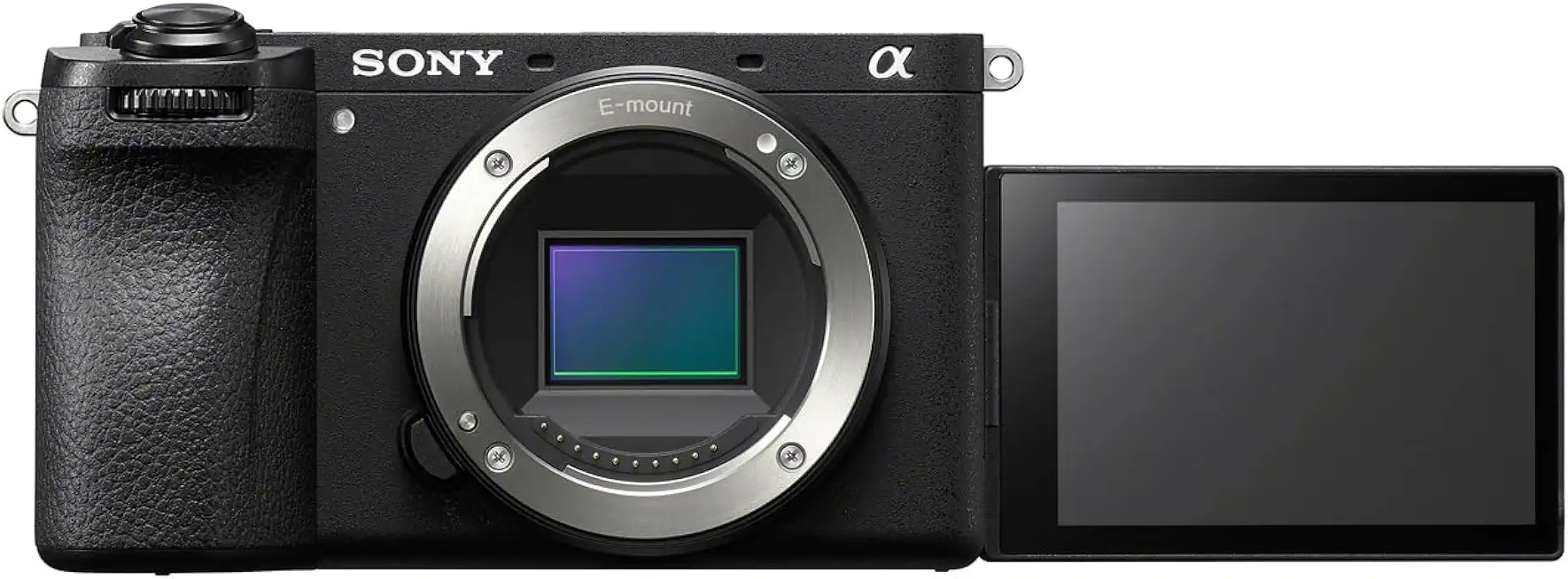
Sony Alpha 6700
Versatile APS-C mirrorless with fast autofocus, responsive performance, and pro-level video features to capture action and content with confidence.
Check PriceThe Sony α6700 packs a 26MP APS-C sensor into a compact body that really shines for travel and landscape work. Its combination of resolution and portability makes it an easy camera to carry on long days or when you’re hiking to a viewpoint.
What stands out most is the AI-driven autofocus. Users appreciate the subject detection — it reliably locks onto faces and other subjects so you get more keepers with less fiddling.
That autofocus and the camera’s good battery life make it a strong choice for intermediate photographers who shoot on the move. Pair that with Sony’s wide selection of compatible lenses and you’ve got a system that scales as your needs grow.
There are trade-offs. It’s not the best choice if you primarily shoot fast sports or wildlife, since its autofocus can be slower than some competitors for those subjects. Video features are also more limited compared to full-frame alternatives, so hybrid shooters may feel constrained.
In short, the α6700 is mostly a win for intermediates focused on travel, landscapes, street, and general everyday shooting who want strong AF, good battery life, and a flexible lens ecosystem. If your priorities are top-tier sports tracking or advanced video specs, consider those limits before committing.
- 26MP APS-C sensor
- AI-driven autofocus
- Portable with good battery life
- Wide selection of compatible lenses
- Slower AF for sports/wildlife
- Limited video features vs full-frame
3. Panasonic S5II Highlights

Panasonic LUMIX S5II DC-S5M2 body
Lightweight full-frame hybrid offering pro video codecs, reliable autofocus, and extended low-light performance for creators prioritizing mobility and image quality.
Check PriceThe Panasonic S5II is a compelling step-up for intermediates who want full-frame quality without jumping to a pro-priced body. It packs a 24MP full-frame sensor and a 3.68M-dot OLED EVF that give you crisp detail and a clean live view for composing critical shots.
Where this camera really shines is as a hybrid tool: users praise its strong video capabilities, including up to 6K recording, alongside excellent in-body image stabilization (IBIS) that smooths handheld work. That combination makes it a great choice if you shoot both stills and a lot of video — you’ll get steady footage and high-res frames from the same kit.
Build-wise it’s sensible for serious shooters: dual SD slots (UHS-II) are great for backup or overflow when shooting long events or 6K clips. At 740g with battery it’s heavier than many APS-C bodies, but still manageable for day trips and run-and-gun shoots if you pack a comfortable strap.
Do note battery life is middling, so plan for extra batteries on long days — this is common in video-focused bodies. Overall, if your priorities are full-frame image quality, reliable IBIS, and advanced video features at a competitive price, the S5II is hard to ignore as an intermediate photographer’s main camera.
- 24MP full-frame sensor
- Excellent in-body image stabilization (IBIS)
- Strong video capabilities (up to 6K)
- Dual SD (UHS-II) card slots
- Heavier than some APS-C options (740g)
- Battery life could be better
4. Nikon Z6 III Highlights

Nikon Z6 III
Balanced full-frame body delivering exceptional low-light sensitivity, smooth video, and refined ergonomics for photographers who demand versatility and dependable autofocus.
Check PriceThe Nikon Z6 III is a compelling step-up for intermediate photographers who want full-frame performance without a heavy price in complexity. Its 24.5MP stacked full-frame sensor delivers a nice balance of resolution and speed, and in practice that means sharp images with reliable readout for fast continuous shooting and cleaner files in varied lighting.
What stands out immediately is the handling: Nikon nailed the ergonomics, so long shoots feel natural and the controls are intuitive — a real boon for event and portrait work where you need to stay focused on the moment. The 5.76M-dot OLED EVF is one of the nicest in class, making manual focusing and critical composition much easier, especially in bright conditions.
Autofocus here is fast and accurate, and users consistently note confident subject acquisition and tracking. Color rendering is another highlight — Nikon tones tend to be pleasing straight out of camera, which can cut down editing time for weddings and client work.
There are trade-offs to be aware of: the card slot configuration is 1x SD (UHS-II) + 1x CFexpress B, which is less convenient if you prefer dual SD redundancy. Also, the Z-mount ecosystem is still growing, so lens choices aren’t as broad as some rivals — something to weigh if you plan to expand aggressively.
- 24.5MP Full-Frame (Stacked) sensor
- 5.76M-dot OLED EVF
- Fast and accurate autofocus
- Excellent ergonomics and handling
- Limited card slot options
- Fewer lens options than Sony or Canon
5. Canon EOS R6 Mark II Highlights
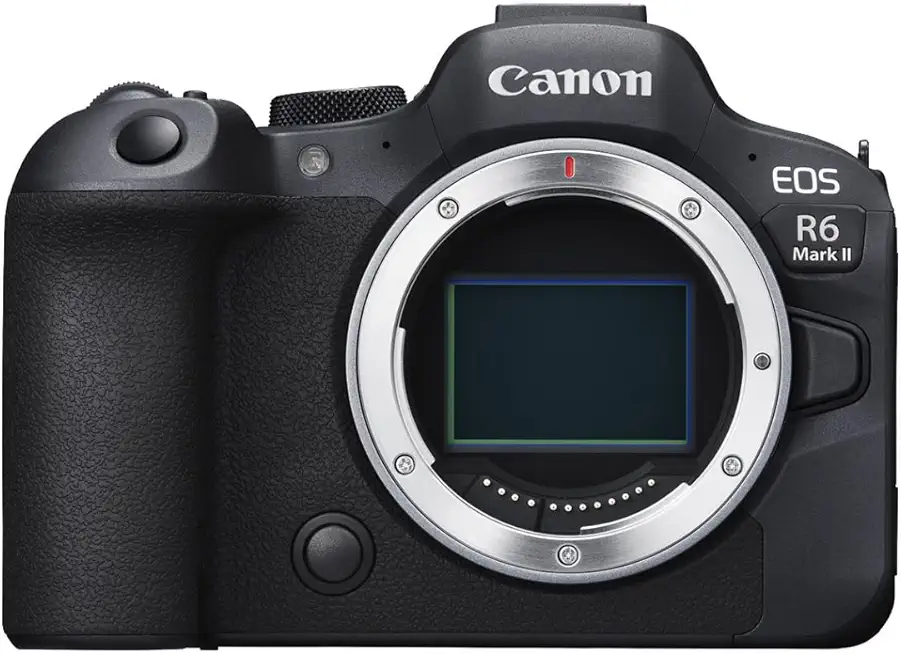
Canon EOS R6 Mark II body
High-speed full-frame shooter with advanced stabilization, superior tracking, and clean image quality for sports, wildlife, and hybrid content creators.
Check PriceThe Canon EOS R6 Mark II is a camera I reach for when I need speed and reliable color straight out of the camera. It sports a sensor typically around 24MP full-frame and a high-resolution EVF (typically around 5.69M-dot OLED), with Dual SD (UHS-II) card slots for solid workflow.
In the field it’s built for action. Users and reviewers note excellent speed thanks to fast autofocus and high frame rates, which makes it easy to track moving subjects. The in-body image stabilization is also a real benefit for handheld shooting and low-light work.
Handling is reassuringly professional. The body is described as robust with weather sealing, and its weight (typically around 670g) keeps it comfortable for long shoots without feeling flimsy. The high-res EVF helps with critical focusing and composition in bright conditions.
For an intermediate photographer this camera fits if you prioritize responsiveness, color accuracy, and a durable body that can take some abuse. The IBIS and autofocus performance make it versatile across genres like portraits, event work, and run-and-gun assignments. You’ll get dependable results straight away.
There are trade-offs to be aware of. Some users point out a more limited lens selection compared to older or larger ecosystems, so lens choices may feel constrained. Others find Canon’s menu system a little complex at first, so expect a short adjustment period when transitioning.
- Fast autofocus & high frame rates
- Robust, weather-sealed build
- Good in-body image stabilization
- Dual SD (UHS-II) card slots
- Limited lens selection
- Complex menu system
How to Choose the Right Camera
Choosing the right camera isn’t about getting the flashiest spec sheet—it’s about matching the tool to the pictures you want to make. Think first about your shooting style: travel and street shooters often prefer lighter APS-C bodies, while portrait and low-light shooters benefit from full-frame depth and noise performance.
Sensor size and resolution matter, but not in isolation. Aim for roughly 20–33MP for a balance of detail and manageable file sizes; higher resolution can be great for large prints but comes with bigger files and more demanding lenses.
Autofocus quality and in-body image stabilization are deal-makers in real-world shooting. Reliable subject detection and tracking save more keepers than chasing megapixels, and IBIS lets you handhold longer exposures or use slower lenses without a tripod.
If you plan to shoot video, don’t skimp: 4K with solid frame rates and continuous AF is the baseline for hybrid shooters. Good heat management, clean autofocus in video, and useful frame-rate options make a camera far more versatile.
Don’t underestimate ergonomics and build. A camera that feels right in your hand with intuitive controls gets used more than a technically superior model that’s awkward to operate. Weather sealing, battery life, and practical features like dual card slots also matter for reliability in the field.
Lens ecosystem is the long game. Invest in glass you’ll keep for years; a great lens on a modest body often outperforms a flagship body with a mediocre lens. Favor brands with a wide, modern lens lineup and good third-party support.
Finally, try before you buy. Rent a body and your intended lenses for a weekend, handle different mounts in a store, and check real-world autofocus and menus. Used or older flagship bodies often offer excellent value if you’re mindful of condition and shutter count.
Balance the features above against what you shoot most. Prioritize the things that directly affect your images—AF, lenses, and ergonomics—and the rest will fall into place.
What to Look for in Camera Lenses
Lenses define how you see as much as the camera body does. Pick glass that matches how you shoot — the right lens can change your composition, low-light capability, and overall creative options far more than upgrading the camera itself.
Primes and zooms each have clear roles. Primes usually give you better sharpness and wider apertures for low light and creamy bokeh, while zooms buy you flexibility for travel and run‑and‑gun work so you don’t miss moments switching glass.
Think in focal ranges rather than brand names. Wide angles (under ~28mm on full‑frame) suit landscapes and interiors, standard ranges (35–70mm) are the everyday workhorses for street and portraits, and telephoto (85mm and up) helps with headshots, wildlife, and distant subjects. On APS‑C bodies remember to factor crop — a 35mm on an APS‑C behaves more like a short tele.
Aperture is about more than bokeh. Faster lenses (f/1.8, f/1.4, or f/2.8 zooms) give real advantages in low light and subject separation, but they also add size, weight, and cost — balance needs against how often you truly need that extra stop.
Pay attention to AF performance and optical corrections. If you shoot action or run autofocus tracking, prioritize lenses with reliable AF motors. Look for low distortion, minimal chromatic aberration, and weather‑sealing if you work outdoors; in‑lens stabilization can complement a camera’s IBIS nicely.
Compatibility and ecosystem matter long term. Choose a mount with lenses you’ll want later and consider third‑party options for budget flexibility. The used market is also a great way to step up glass without paying full retail.
For most intermediate shooters I recommend starting with a solid walkaround zoom (think 24–70mm or its APS‑C equivalent) and one fast prime (50mm or 35mm on full‑frame; 35mm or 23mm on crop). That combo covers most needs and teaches you when specialty glass—an 85mm portrait prime, a 70–135mm short tele, or a macro—is worth adding.
Finally, borrow or rent before you buy big glass. Lenses tend to outlast camera bodies, so invest in the best optics you can reasonably afford — they’ll pay dividends every time you press the shutter.
What People Ask Most
What is the best camera for an intermediate photographer?
There is no single best camera for everyone. Choose a model that matches your shooting style, handling preferences, and the lens ecosystem you plan to grow into.
Should intermediate photographers choose mirrorless or DSLR cameras?
Mirrorless cameras offer modern features and compact bodies, while DSLRs remain reliable for those who prefer their handling. Base your choice on lens availability and how the camera feels in your hands.
What camera features should an intermediate photographer look for?
Look for a capable autofocus system, comfortable ergonomics, and a lens ecosystem that supports your goals. In-body stabilization and strong low-light performance help in many situations, and useful video features benefit hybrid shooters.
When should I upgrade from a beginner camera to an intermediate camera?
Upgrade when your current camera consistently limits the images you want to make or slows your workflow. Moving up makes sense if you need more reliable autofocus, better build quality, or access to a wider range of lenses.
Is it worth moving to full-frame as an intermediate photographer?
Full-frame bodies can offer advantages in low light and depth of field, but they may be larger and require investment in lenses. APS-C cameras remain very capable and can be a better fit if portability and cost are priorities.
Which camera brands are recommended for intermediate photographers?
Choose a brand with a broad lens selection, good service, and features that suit your shooting needs. Well-supported systems provide more options for growth and accessories over time.
What lenses should intermediate photographers buy next?
Prioritize lenses that cover the focal lengths you use most, such as a versatile walkaround zoom and a fast prime for low light and portraits. Consider build quality and autofocus performance so the lens complements your camera body.
Conclusion for Intermediate Photographers
These five recommended cameras give intermediate photographers a clear set of choices across APS-C and full-frame bodies, each emphasizing different strengths like portability, autofocus performance, image quality, stabilization, and video capability to match varied shooting styles.
The buying guidance in this guide helps you weigh sensor size, autofocus, handling, and lens ecosystem so you can pick a camera that supports your creative priorities and growth rather than just the highest spec sheet number.
Lens advice focused on the practical trade-offs between primes and zooms, focal-length roles, and aperture considerations to help you build a versatile kit that complements your chosen body and shooting needs.
If you found this roundup useful, explore more of our site to deepen specific skills and learn how to get the most from whichever camera you choose.
Got questions or want personalized advice? Leave a comment below and we usually reply within a few hours to help you move forward with confidence.




0 Comments