
Ever squinted through a long lens at a distant eagle or the final lap of a race and wondered which camera would actually deliver the goods?
This guide strips away jargon and points you to cameras that consistently perform at long range, explaining what matters most so you can capture decisive moments with confidence.
We’ll walk you through the real-world factors that determine success at long distances — autofocus reliability, stabilization, lens reach, and system support — without burying you in specs.
Expect clear, practical advice for both stills and video, plus tips on balancing weight, durability, and image quality when you’re shooting far from your subject.
Whether you stalk birds at dawn, track high-speed sports, explore vast travel vistas, or pursue wildlife on assignment, this guide is written with your challenges in mind.
It focuses on usability in the field: handling, battery life, weather resistance and the lens options that actually make distant subjects sing.
You’ll get honest trade-offs so you can pick gear that fits your workflow.
By the end you’ll know how to prioritize reach, stabilization, and autofocus for sharper long-distance shots, and how to match a camera to your shooting style and budget.
Ready to close the gap between you and that distant subject? Let’s get started.
1. Sony A7 IV For Long-Distance Photography
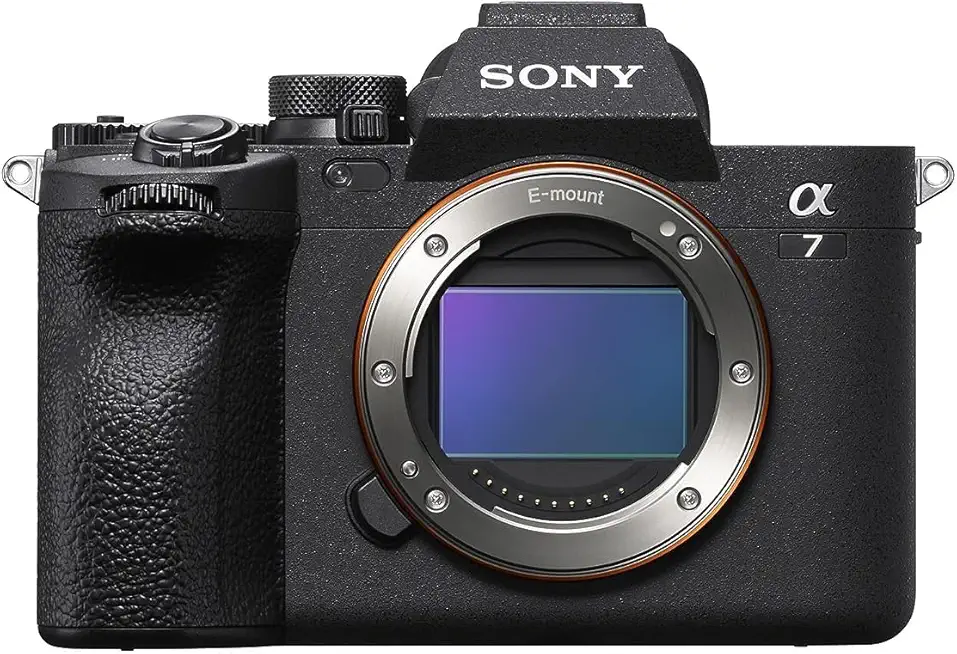
Sony Alpha 7 IV
Full-frame hybrid mirrorless delivering stunning resolution, fast autofocus and professional 4K video — ideal for photographers and videographers seeking ultimate versatility.
Check PriceThe Sony A7 IV is a powerful choice for long-distance photography thanks to its 33MP full-frame sensor that gives you plenty of resolution for heavy crops and distant subjects. That extra detail means you can extract tight compositions from long-range shots without losing critical sharpness.
Its in-body image stabilization (IBIS) is another big advantage when shooting at long focal lengths handheld. IBIS noticeably reduces motion blur, so you can get usable frames in field conditions where a tripod isn’t practical.
Autofocus is a standout feature. The AI-based subject-tracking AF reliably locks onto distant moving subjects, which is essential for wildlife and sports work where the action is unpredictable.
Video shooters will appreciate 4K at 60fps combined with the stabilization and autofocus, delivering smooth, usable footage of distant subjects. The camera’s ISO range of 100–51200 also helps maintain faster shutter speeds in lower light when you need to freeze motion.
Finally, despite being a full-frame system, the A7 IV remains compact and relatively lightweight. That portability makes long days in the field less fatiguing, and it pairs well with compact full-frame lenses for extended outdoor shoots.
- Outstanding autofocus and subject tracking for distant moving subjects
- 33MP high-resolution sensor allows extreme zooms or crops
- Excellent IBIS reduces motion blur at long focal lengths
- Lightweight and compact relative to other full-frame cameras
- Color science less appealing to some users vs competitors
- No in-camera multiple exposure feature
2. Panasonic Lumix S5 II For Long-Distance Photography

Panasonic LUMIX S5II DC-S5M2 body
Compact full-frame mirrorless with advanced in-body stabilization, lightning-fast autofocus and cinematic video capabilities for creators on the move.
Check PriceThe Panasonic Lumix S5 II is a compact, full-frame tool built around a 24MP sensor that gives you plenty of resolution for cropping distant subjects without becoming unwieldy in the field. Its phase-detect autofocus is reliable on moving targets, so you won’t lose animals or athletes as they move through the frame.
Where this camera really shines is stabilization. The highly rated IBIS lets you handhold longer telephoto shots with far less blur, which is a game-changer for travel and wildlife videographers who can’t always lug a tripod. Battery life is improved over earlier models, so you can shoot longer days without scrambling for spares.
Video folks will appreciate the 6K capability and the balanced approach between stills and motion. The body is lightweight and compact for a full-frame system, making it genuinely travel-friendly while still delivering pro-level video and photo performance.
The controls are minimalist and modern, which suits photographers who like a clean layout and quick menu navigation. If you prefer lots of dials and a traditional DSLR feel, that pared-back interface may feel less tactile.
- Best-in-class IBIS for handheld long-distance shots
- Reliable phase-detect autofocus for distant subjects
- Lightweight and compact full-frame body
- 6K video and strong video/stills balance
- More limited lens ecosystem compared to Sony or Canon
- Less tactile/manual control than DSLR-style bodies
3. Nikon Z6 III For Long-Distance Photography

Nikon Z6 III
High-performance full-frame camera offering exceptional low-light sensitivity, speedy continuous shooting and pro-grade 4K video for demanding photographers and hybrid shooters.
Check PriceThe Nikon Z6 III centers on a 24.5MP stacked full-frame sensor paired with a 5.76M-dot OLED EVF, giving you a crisp view and plenty of resolution for distant subjects. It also offers dual card slots (SD + CFexpress) and fast hybrid autofocus for reliable performance in the field.
In practice the Z6 III is favored for wildlife and sports work because its autofocus is fast and accurate, and the body handles good burst speeds with ease. That combination means you can track and hold focus on distant, fast-moving subjects more often than not.
Ergonomics are a standout—Nikon has tuned the grip and control layout for comfortable long shoots, so fatigue is reduced during extended observation sessions. The camera’s rich, natural color rendition also saves time in post, producing pleasing skin tones and lifelike wildlife hues straight out of the camera.
Build quality is robust, with weather sealing that lets you push into harsher environments without constant worry. The Z6 III also benefits from Nikon’s long-established telephoto lens selection, which supports true long-distance capture with reliable optical performance.
For serious enthusiasts and professionals who prioritize handling, color fidelity, and dependable AF at range, the Z6 III is an excellent choice. Be aware, though, that the SD + CFexpress slot arrangement can complicate some workflows, and the body is slightly heavier than lighter alternatives, which can add fatigue on long handheld days.
- Superb ergonomics and comfortable handling for long shoots
- Fast, accurate autofocus effective for distant subjects
- Pleasing, natural color rendering
- Solid build quality with weather sealing for field use
- SD + CFexpress slot combination can complicate workflow
- Slightly heavier than some competitors, adding fatigue for handheld long-distance sessions
4. OM System OM-1 Mark II Long-Distance Photography

OM SYSTEM OM-1 Mark II
Rugged Micro Four Thirds powerhouse with lightning-fast autofocus, impressive stabilization and pro-level durability for wildlife, action and outdoor photographers.
Check PriceAs a working wildlife photographer, I reach for the OM System OM-1 Mark II when I need a lightweight, go-anywhere body that still performs at long distances. Its 20MP stacked Micro Four Thirds sensor combined with the system’s crop factor gives practical extra reach without hauling massive glass.
The OM-1 Mark II’s exceptional IBIS is a game changer for handheld telephoto work. In the field I’ve relied on its stabilization for sharp shots using Live ND and high-res handheld modes, even in tricky light.
Build quality matters when you’re hours from shelter, and this camera delivers. The robust, weather-sealed compact body lets you keep shooting in rain or wind without worrying about your kit.
Card reliability and workflow were clearly considered too. Dual UHS-II SD card slots offer peace of mind on long trips, and the Micro Four Thirds mount has practical telephoto lens options that balance reach and portability.
There are trade-offs to be honest. The smaller sensor means you’ll see less dynamic range and lower high-ISO performance compared to full-frame rivals, so low-light situations can be more challenging. Autofocus is solid for most scenarios, but it’s not quite as fast or consistently reliable in very complex scenes as some full-frame systems.
- Very portable and rugged
- Best-in-class IBIS for handheld long-distance shots
- Dual UHS-II SD card slots for reliability
- Practical telephoto reach via crop factor
- Smaller sensor = less dynamic range, lower low-light performance
- Autofocus not as fast/consistent as some full-frame systems
5. Fujifilm X-T5 For Long-Distance Photography

Fujifilm X-T5 body
Retro-styled APS-C mirrorless boasting high-resolution imaging, film-simulation colors and intuitive controls for creators who prioritize detail and tactile handling.
Check PriceThe Fujifilm X-T5 packs a 40MP APS-C X-Trans sensor and a 7-stop IBIS into a compact, travel-ready body. As a working photographer I find that combo delivers stunning detail and a surprisingly steady platform for handheld long-distance work.
Its very high-resolution APS-C sensor renders sharp, vibrant images that tolerate significant cropping for distant subjects. In practice that means you can pull tight on wildlife or landscape details without immediately reaching for the biggest glass.
The 7-stop IBIS is a real asset when you can’t use a tripod and need to steady a long lens or crop heavily. Combined with the camera’s versatile autofocus you get reliable subject capture in many field scenarios.
Fujifilm’s color science and film simulations are another practical benefit; the built-in color profiles reduce post-processing time and often deliver magazine-ready tones straight from the camera. The intuitive physical controls and tactile shooting experience make it fast to change settings in the field.
This body is best for enthusiasts and semi-pros who want high resolution, excellent stabilization, and travel-friendly handling for moderately long-distance shoots. Keep in mind the APS-C format does limit ultimate telephoto magnification versus full-frame, and some lenses in the system may lack weather sealing.
- 40MP APS-C X-Trans sensor — lots of detail
- 7-stop IBIS — strong handheld stabilization
- Excellent Fujifilm color profiles — less editing
- Intuitive physical controls — fast, tactile handling
- APS-C limits ultimate telephoto magnification vs full-frame
- Some lenses lack weather sealing
How To Choose a Long-Distance Camera
Picking a long-distance camera comes down to balancing three things: sensor and resolution, lens reach, and handling in the field. Full-frame bodies give you the best high-ISO performance and the ultimate detail for heavy crops, while APS-C and Micro Four Thirds offer lighter kits and extra “reach” from the crop factor—handy when you need a 600mm equivalent without a monster lens.
Lens selection is the most important decision. Focal length is king for distant subjects, so make sure the system you pick has strong telephoto options—fast primes if you need light-gathering and subject isolation, or versatile zooms like 100–400mm or 200–500mm for unpredictable shoots. Remember that teleconverters can buy extra reach, but they lower effective aperture and can blunt autofocus performance, so choose converters and bodies known to work well together.
Autofocus performance matters more than megapixels when your subject is small and moving. Prioritize cameras with phase-detect AF, dense AF points, and reliable subject/eye-tracking. In the field, a camera that reacquires quickly will save more keepers than a couple extra megapixels ever will.
Stabilization is non-negotiable for handheld long-distance work. Look for strong IBIS or lens OIS and plan to use a solid tripod for the longest glass. If you travel light, systems with excellent stabilization (Micro Four Thirds or models with top-tier IBIS) let you shoot handheld longer without fatiguing.
Don’t overlook ergonomics and durability. Weather sealing, battery life, and comfortable handling matter on long multi-hour stalks. A technically perfect camera is useless if your shoulder or back gives out halfway through the day.
Finally, think about video needs, high-ISO headroom, and the lens ecosystem. Match your choice to your primary subject—wildlife, sports, or travel—and test the body with the specific telephoto you’ll use. The right combination will feel like an extension of your eye and get you more keepers in the field.
Tips For Long-Distance Video Shooting
Shooting long-distance video is mostly about control: control of movement, focus, and light. Start by making stabilization your foundation. A sturdy tripod is non-negotiable for static subjects; use a gimbal for smooth handheld tracking, and always enable IBIS or lens OIS when available to tame small shakes.
Focus is where long-range footage lives or dies. For moving subjects rely on continuous AF with subject tracking, and practice back-button focusing if your body supports it. For slow or static scenes switch to manual focus and use focus peaking or magnification to nail pixel-perfect sharpness.
Exposure settings need to compensate for magnified motion. Use the reciprocal rule as a guide — at 400mm try 1/400s or faster to avoid motion blur. Open the aperture for subject isolation, but stop down when you need more depth of field or edge-to-edge sharpness.
Keep ISO as low as practical to avoid noisy distant subjects. In bright sun, throw on an ND filter rather than stopping down too far. If you want slow-mo for dramatic wildlife or sports moments, shoot at higher frame rates and be ready to trade light for shutter speed.
Move the camera like you mean it: slow, deliberate pans and gentle tracking are far more convincing at long focal lengths. Avoid frantic zooming — reposition yourself or use optical zoom ranges to preserve image quality. Practice your timing so motion reads naturally on screen.
Sound and peripherals matter more than you think. Use an external mic with a wind muff and keep handling noise to a minimum. A remote trigger or intervalometer helps start and stop recording without jostling the rig.
Composition-wise, add foreground elements or environmental context to give depth and scale to distant subjects. Anticipate behavior by studying patterns so you’re framing the moment before it happens.
Finally, monitor closely. Use the camera’s magnify function or an external monitor to confirm focus and exposure. Test your settings before the critical shot; a quick rehearsal saves hours of frustrating cleanup later.
What People Ask Most
What is the best camera for long distance photography?
There is no single best option; the right camera depends on your priorities such as autofocus, stabilization, and lens availability. Choose a system that matches the subjects you shoot and the conditions you expect to work in.
What lens is best for long distance photography?
A long-reach telephoto lens is typically best, with primes offering reach and potential sharpness while zooms provide flexibility in framing. Consider compatibility with your camera system and whether extenders or teleconverters are available.
What camera settings are best for long distance shots?
Use settings that prioritize sharp focus and minimize motion blur while keeping noise under control, such as continuous focus for moving subjects and an aperture that balances subject isolation with sharpness. Adjust exposure and ISO to maintain those goals in the available light.
What is the best camera for wildlife photography at long distances?
Look for a camera and lens combination with reliable autofocus tracking, strong stabilization, and a robust selection of telephoto lenses. Durability, weather sealing, and ergonomics for long outdoor sessions are also important considerations.
Which camera is best for long-range astrophotography?
Choose a camera that performs well in low light, pairs with fast wide-angle lenses, and offers precise manual control for long exposures. Stable support gear and a good workflow for exposure and tracking are also key.
Can a mirrorless camera be better for long distance photography than a DSLR?
Mirrorless systems can offer advantages like advanced autofocus, in-body stabilization, and compact designs, which benefit long-distance work. DSLRs still have strengths for some users, so evaluate the practical benefits for your shooting style.
How do I choose a camera for long distance shooting?
Consider sensor characteristics, lens ecosystem, autofocus performance, stabilization, weight, and weather resistance to match your shooting needs. Whenever possible, test gear in real conditions or rent equipment before committing to a purchase.
Conclusion For Best Long-Distance Cameras
In short, successful long-distance photography rests on reliable autofocus, strong stabilization, sufficient lens reach, practical portability, and a system ecosystem that supports your goals.
Match your camera to what matters most—tracking fast wildlife or sports, combining stills and video, or keeping weight and bulk low for travel—because the best choice depends on your priorities.
Whenever possible, handle gear before buying and consider lenses, stabilization options, mounting, and battery life so the system performs in the field and suits your shooting style.
If you want to sharpen your skills and make more confident equipment choices, explore more guides and how-to content on our site to keep learning and improving.
Have a question or want to share your experience? Leave a comment below — we usually reply within a few hours and are happy to help you fine-tune your long-distance approach.


0 Comments