
What camera will keep your subjects sharp from vows to the last dance?
Choosing the right camera body can elevate both portraits and wedding storytelling. The right tool reduces stress, speeds your workflow, and improves final images.
This guide distills five top camera bodies favored by working photographers and serious enthusiasts. We assess real-world performance instead of just quoting lab specs.
You’ll find candid user feedback and balanced pros and cons from photographers who actually shoot weddings. We also offer practical lens guidance and straightforward buying tips by skill level.
We focus on what truly matters during a wedding day: autofocus you can trust, solid low-light capability, and comfortable handling for long shoots. Workflow realities like battery life, backup options and file management are part of the picture too.
Expect honest takes from shooters who have tested these bodies in ceremonies, portraits, receptions and fast-paced candid work. Their notes on handling, reliability and image quality shape our recommendations.
Whether you shoot intimate editorial portraits or full-day wedding coverage with video, this guide helps you weigh tradeoffs. We’ll match camera strengths to different skill levels and budgets so you can choose confidently.
Ready to narrow the field and pick a camera that fits your style and workload this year? Keep reading for clear, magazine-style analysis that helps you book better shoots and deliver standout images.
1. Canon EOS R5 Mark II

Canon EOS R5 Mark II Body
Professional hybrid full-frame mirrorless with exceptional resolution, blazing autofocus, and advanced video capabilities for demanding photographers and filmmakers.
Check PriceWhen I shoot weddings I want a camera that nails the decisive moment, even in chaos. The Canon EOS R5 Mark II is praised by pros for capturing fast-moving subjects with precision, which means fewer missed expressions during the ceremony and reception.
Its Registered Person Priority AF is a real game-changer for portraits — I can lock onto the bride and groom instantly in crowded scenes and keep shooting without worrying about focus hunting. Eye Detect AF further cements that reliability, performing well even in dim lighting so your key portraits stay sharp when the ambient light drops.
The in-camera upscaling is useful when you need extra detail for large prints like albums or wall art; those prints can look noticeably crisper straight out of the camera. Handling and control layout are designed for quick adjustments, letting you change settings on the fly during fast-paced moments without fumbling.
Be aware this camera produces very large files, especially if you shoot high-res stills or 8K video — that will demand significant storage and powerful editing hardware. It’s best suited to professionals who can manage a larger workflow and budget; the R5 Mark II rewards experience but asks for more in return.
- Extremely fast, accurate autofocus
- Registered Person Priority AF locks on bride/groom
- Reliable Eye Detect AF in dim light
- In-camera upscaling adds detail for large prints
- Large files need lots of storage and powerful editing PC
- Menu system can be complex and time-consuming
2. Canon EOS R6 Mark II
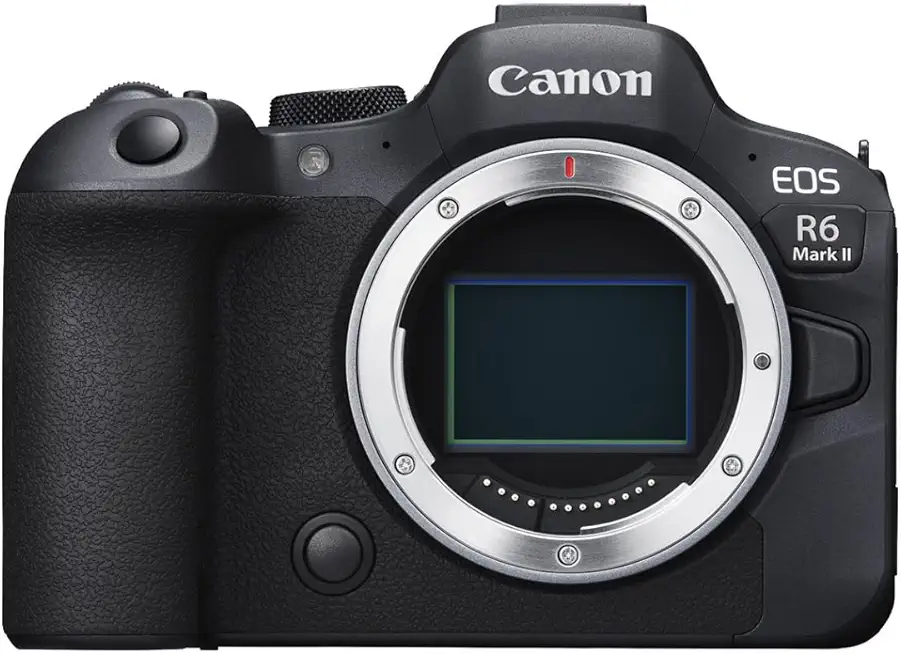
Canon EOS R6 Mark II Body Only
Versatile low-light performer offering fast continuous shooting, reliable autofocus, and stabilized imaging for spirited enthusiasts and content creators.
Check PriceThe Canon EOS R6 Mark II is a workhorse for wedding photographers who need a reliable, all‑around performer — especially in low light. Its “bulletproof” autofocus and excellent subject tracking make it a joy for dancing, candids and fast-moving moments where missing the shot isn’t an option.
Dual card slots are a real peace-of-mind feature for ceremonies and receptions; having an instant backup is crucial when every image counts. High ISO performance delivers clean files in dim receptions, so you can rely on usable shots without overcooking noise in post.
At 24.2MP the sensor covers the vast majority of wedding needs, producing files that are sharp and flexible for albums and most wall prints. If you regularly need extremely large, high-resolution prints, you should know this is a practical trade-off — the body favors speed, low-light ability and handling over ultra-high megapixels.
The lightweight design keeps you moving all day without as much fatigue, which matters on long wedding days where you’re shooting prep, ceremony and reception. Overall, the R6 Mark II is ideal for professionals and advanced enthusiasts who want a balanced kit: dependable AF, strong low-light IQ, lightweight ergonomics and the safety net of dual cards.
- Dual card slots for backup security
- Fast, reliable autofocus for dancing and candids
- Strong high-ISO performance in dim receptions
- Lightweight design reduces fatigue on long days
- 24.2MP sensor may not satisfy very high-resolution needs
- Menu system can be confusing for beginners
3. Sony A7 IV
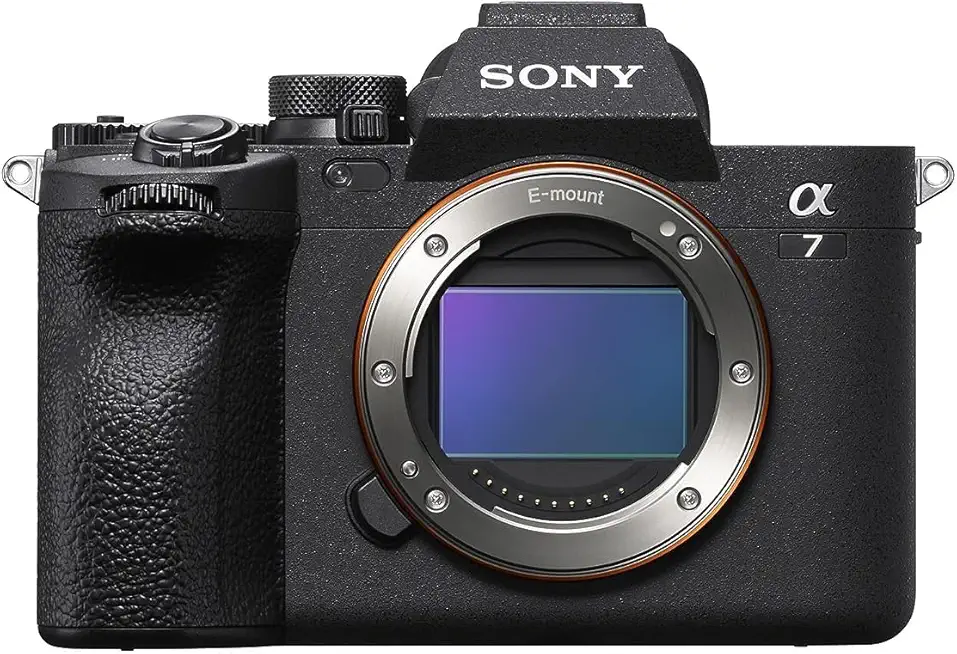
Sony Alpha 7 IV
Advanced full-frame mirrorless delivering high-resolution images, cutting-edge autofocus, and cinematic 4K video for ambitious photographers and videographers.
Check PriceThe Sony A7 IV is a go-to for photographers who need one body to handle both portraits and professional video work. It’s consistently praised as a hybrid body that performs strongly in fast-paced wedding environments.
Real-Time Eye Autofocus keeps subjects sharp during chaotic moments, which is a huge relief when shooting candid portraits or fast-moving ceremonies. The color science is also celebrated for producing beautiful skin tones straight out of camera, so many images need minimal color correction.
Dual card slots (CFexpress & SD) give you flexible storage and essential backup options during a wedding day. That CFexpress slot also opens the door to faster media, though it can mean extra investment for high-speed cards.
In-body image stabilization is very effective for handheld and low-light shooting, letting you capture usable frames without always relying on fast glass or a tripod. That really helps during reception coverage or when you’re moving between locations quickly.
Be aware the menu system can be complex and sometimes slows navigation during events, so plan your custom buttons and presets ahead of time. Battery life is described as good but not exceptional, so extra batteries are a practical necessity for long wedding days.
Overall, if you’re a hybrid shooter who values excellent skin tones, reliable Eye AF, and flexible storage plus IBIS, the A7 IV is a strong choice. If you prefer ultra-simple menus or don’t want to manage extra batteries, factor that into your decision.
- Reliable Real-Time Eye Autofocus
- Attractive skin-tone color science
- Dual CFexpress & SD slots for flexibility/backup
- Effective in-body image stabilization
- Complex menu system slows navigation
- Battery life good but not exceptional
4. Nikon Z8

Nikon Z 8
High-performance professional mirrorless with exceptional speed, detailed resolution, and robust video features for demanding commercial and pro use.
Check PriceThe Nikon Z8 is a camera I reach for when I need both resolution and speed. Its high-resolution sensor delivers stunning image quality that holds up for large prints and fine portrait detail. Fast burst speeds mean you rarely miss a decisive moment during a ceremony or fast-moving reception.
Autofocus is where the Z8 really shines for weddings. The 493-point AF system is described as extremely reliable in challenging lighting, so it locks onto eyes and faces even when the light gets tricky. The ISO range produces clean images in very low light, which is a huge advantage during evening dances and dimly lit venues.
Ergonomics and handling are excellent for long days on your feet. Build quality and overall ergonomics are noted as excellent, so the camera feels solid and comfortable during full-day shoots. The tilting LCD lets you compose from creative angles and makes capturing unconventional portraits and group shots much easier.
There are a few real-world trade-offs to consider. Size and weight may matter if you prefer a compact setup or do a lot of travel between venues. The menu system can be complex and time-consuming for some users, so expect a learning curve before you can navigate it quickly under pressure.
- High-resolution sensor — stunning image quality
- Fast burst speeds — fewer missed moments
- 493-point AF — reliable in challenging light
- Wide ISO performance — clean low-light images
- Size and weight may deter compact-preference photographers
- Menu system can be complex and time-consuming
5. Fujifilm X-T5

Fujifilm X-T5 Body
Retro-styled APS-C camera combining 40MP detail, beautiful color science, and intuitive controls for enthusiasts and street photographers.
Check PriceThe Fujifilm X-T5 is a delightful tool for portraits and weddings when you want image quality with character. Its retro design and traditional dials give a tactile, hands-on shooting experience that many photographers find inspiring during long, emotional days.
At the heart of the X-T5 is a 40MP APS-C sensor that delivers exceptional resolution and vibrant, true-to-life colors—ideal for portraits where detail and color rendition matter. That higher pixel count lets you crop a little or make large prints while retaining nuance in skin texture and fabric.
In-body image stabilization is effective for handheld and low-light shots, which is a practical advantage for reception rooms and candid moments. Combined with the camera’s long battery life, the X-T5 can comfortably cover extended wedding days without constant battery changes.
Fujifilm’s color science produces beautiful skin tones straight out of camera, so you’ll spend less time tweaking basic color in post. The retro-inspired controls also help you work more intuitively and quickly when the moment demands fast, confident adjustments.
Bear in mind the X-T5’s APS-C sensor does mean you won’t achieve the same extreme shallow depth-of-field that some full-frame options offer—so if ultra-creamy background blur is your top priority, that’s a limitation to consider. Overall, this camera suits photographers who prioritize high-resolution images, attractive color rendition, and a distinctive, hands-on shooting feel.
- 40MP APS-C sensor offers high resolution and vibrant colors
- Effective in-body image stabilization for handheld/low-light use
- Long battery life suited to long wedding days
- Fujifilm color science produces beautiful skin tones
- APS-C less ideal for extremely shallow depth-of-field vs full-frame
- Menu system can be complex and time-consuming
Choosing Lenses for Portraits and Weddings
Lenses make more of a visual difference than the body on many wedding days. I usually reach first for primes because they give cleaner images, creamier bokeh and wider apertures for low light. That said, zooms earn their keep when the day gets chaotic and you need one lens to cover many moments.
For portraits I keep a 50mm and an 85mm close at hand. A 50mm (f/1.2–f/1.4) feels natural for bridal portraits and candid moments without distortion. An 85mm (f/1.2–f/1.4) compresses features flatteringly and produces that dreamy subject separation everyone loves.
Wider primes like 35mm or 24mm are invaluable for prep shots, group images and capturing the venue. They let you show context while still performing well in low light. Use these when you want environmental storytelling rather than tight headshots.
Zooms are wedding workhorses. A 24–70mm f/2.8 covers everything from prep to first dances and keeps you agile. A 70–200mm f/2.8 is indispensable for ceremonies and moments where you must stay unobtrusive but still pull beautiful, compressed portraits from a distance.
Fast apertures are your friend for subject isolation and low-light performance, but be honest about trade-offs. f/1.2 glass looks spectacular but is heavy and costly; f/1.8 or f/1.4 lenses often hit a better balance. If you shoot APS-C bodies, remember you’ll get less shallow depth-of-field than full-frame, so pick focal lengths accordingly.
Finally, think practically: weather sealing and stabilization matter on unpredictable days, and weight affects how long you can shoot comfortably. I usually run a short kit—one wide, one standard, one tele or a 24–70 and a 70–200—plus a fast prime for portraits. Rent specialty glass for big shoots and always carry backups so technical issues never derail a wedding day.
Choosing the Right Camera by Skill
From shooting hundreds of weddings, I’ve learned the best camera is the one that suits your current skill and workflow, not the fanciest model you can find. Beginners need a body that won’t fight them: reliable autofocus, useful automatic modes, and straightforward controls so you can focus on composition and people rather than menus.
If you’re just starting, choose an entry-level mirrorless or DSLR with good lens options and dependable face/eye detection. A comfortable grip, clear EVF or optical viewfinder, and sensible auto modes will speed up learning. Don’t worry about megapixels — invest in a fast 50mm or 35mm prime first; lenses make more visible difference than swapping to a higher-res body.
Intermediate shooters should look for faster burst rates, more AF points, and stronger high-ISO performance so you can capture dancing and low-light receptions confidently. Manual controls and customizable buttons become invaluable at this stage. Pick a system with room to grow: a full-frame option is nice to have for portrait look, but a high-quality APS-C or Fuji medium-format alternative can also shine.
As a professional, you’ll want robust build, weather sealing, dual card slots, top-tier autofocus and higher resolution for large albums and wall art. Ergonomics and battery life matter on long days, and hybrid video features are a bonus if you offer highlights reels. Prioritize a lens ecosystem that covers timeless primes (50mm, 85mm) and reliable zooms (24–70mm, 70–200mm).
Practical tip: rent or borrow before upgrading. That short test will tell you more than specs — how the camera handles, how menus flow under stress, and whether the system’s lenses fit your style. Ultimately choose a body that lets you shoot confidently and gives room to evolve; the right glass and solid technique will always trump chasing the newest sensor.
What People Ask Most
What is the best camera for wedding photography and portraits?
There is no single best camera for everyone; choose a body that offers reliable autofocus, good low-light performance, and a lens ecosystem that fits your style. Comfort and workflow during long events are equally important to image quality.
Which camera is best for portrait photography?
A camera that delivers pleasing skin tones and pairs well with quality portrait lenses is ideal. Sensor size and lens choice often matter more than the specific brand of camera.
Is full-frame better for portraits and wedding photography?
Full-frame cameras often provide shallower depth of field and strong low-light capability, which many photographers prefer for portraits and weddings. However, crop-sensor cameras can still deliver excellent results and may suit those seeking a smaller or more affordable setup.
Mirrorless vs DSLR: which is better for weddings and portraits?
Mirrorless systems tend to offer modern autofocus and compact bodies, while DSLRs remain valued by some for optical viewfinders and familiar handling. Pick the system that matches your workflow, lens needs, and comfort during long shoots.
Can I use a crop-sensor camera for wedding and portrait photography?
Yes, crop-sensor cameras can produce professional results when paired with the right lenses and technique. Be mindful of how crop factor affects framing and depth of field so you can choose appropriate lenses.
What features should I look for in a camera for portraits and weddings?
Prioritize reliable autofocus, good low-light performance, comfortable ergonomics, and a lens system you can grow into. Useful extras include dual card slots, weather resistance, and stabilization for challenging conditions.
What lenses are best for portraits and wedding photography?
Prime lenses with wide apertures and medium telephoto focal lengths are favored for flattering compression and subject separation. Fast zooms that cover common wedding ranges provide flexibility for varied moments throughout the day.
Conclusion for Portrait and Wedding Cameras
This guide compared the real-world pros and cons of five top cameras for portraits and weddings, helping you weigh autofocus, resolution, handling and workflow needs against budget and comfort. Use those practical insights to match a body to the moments you shoot most often—ceremony, portraits, reception or hybrid stills/video work.
Pairing the right camera with lenses and choosing a system that fits your skill level and growth plans is what turns gear into consistent results. Consider ergonomics, low-light performance and the wider ecosystem as you finalize your setup.
Whether you prioritize speed, high resolution, portability or video capabilities, the right choice should support the way you tell wedding stories while fitting your workflow. Small tradeoffs are normal; choose what helps you shoot confidently and reliably on the day.
If you want to deepen your skills or refine gear choices, explore more articles on our site to find practical tips, real-world testing and setup ideas to improve your photography.
Have a question or want to share your own experience? Leave a comment below and we usually reply within a few hours.




0 Comments