
Have you ever stood on a windswept ridge, camera in hand, as thunderheads rolled in and wondered which tool would survive the storm and still produce a keeper?
Weather photography is as much about endurance as it is about timing and composition. The right camera can turn a brutal downpour into a portfolio-worthy frame.
Beyond megapixels, the best camera for weather photography needs to be tough and predictable when the weather turns ugly. That means reliable weather sealing, usable controls with gloves, steady stabilization, and image quality that performs under low light and high contrast; you also need ergonomics and battery life that won’t quit halfway through a storm.
This guide is practical and gear-focused, built from real-world considerations rather than marketing copy. We evaluate bodies by how they handle rain, wind, cold and grime and how easy they are to operate when conditions deteriorate, so you can choose a tool that lets you compose without second-guessing your kit.
Whether you favor dramatic lightning, wind-swept coastlines, or intimate snow scenes, this guide highlights robust options that balance performance with peace of mind in the elements.
1. Panasonic Lumix S5 Overview

Panasonic LUMIX S5 DC-S5 mirrorless camera body
Compact full-frame mirrorless delivering exceptional video performance, reliable stabilization, and outstanding low-light image quality for hybrid shooters and content creators.
Check PriceThe Panasonic Lumix S5 is a compact full-frame mirrorless body with a 24MP sensor that balances image quality and portability for weather photography. Its 5-axis in-body image stabilization (IBIS) is a genuine field asset, letting me handhold longer exposures in wind or on unstable surfaces without immediately reaching for a tripod.
It’s weather-sealed in a compact, lightweight chassis with an OLED EVF (2.36M dots) and well-placed dials that make one-handed adjustments simple when conditions are changing fast. In practice the S5 handles mild drizzle and most outdoor abuse; the ergonomics stay comfortable during long shoots and the controls stay intuitive even with gloves on.
I’ve also found the S5 reliable during extended sessions — reports and hands-on use show it does not overheat under prolonged challenging shoots the way some smaller bodies can. The stabilization and compact body let you chase dynamic weather scenes — moving clouds, rain shafts, and low-light storm approaches — without lugging a heavier kit.
It’s not the absolute toughest pro body, so avoid deep immersion or prolonged exposure in heavy downpours; it’s best thought of as a durable, weather-resistant full-frame that lets you work confidently in drizzle and wind. If you need a camera for front-row storm work in extreme wet conditions, plan additional protection, but for most landscape and storm-chasing scenarios the S5 is a smart, practical choice.
- Weather-resistant sealing for rain and wind
- Strong image stabilization for low-light/handheld shots
- Compact and lightweight for a full-frame body
- Durable, weatherproof construction suitable for outdoors
- Less rugged than Panasonic S1 / S1R
- Not rated for extreme water immersion; suited to “mild drizzle”
2. Fujifilm X-T4 Overview

Fujifilm X-T4 camera body
Classic handling with film-simulation colors, fast autofocus, in-body stabilization, and robust build for photographers seeking responsive, versatile stills and video performance.
Check PriceThe Fujifilm X-T4 is a 26MP APS-C mirrorless workhorse that feels born for unpredictable weather photography. Its fully weather-sealed body (rain, moisture, dust) gives you real confidence when a shoot turns wet or windy, and Fujifilm’s renowned color science means you get dramatic skies and punchy light straight from the camera.
Visually it’s pleasurable to use — the 3″ 1.62M touchscreen LCD and 3.69M-dot OLED EVF make composing in low contrast storm light much easier, while the film-like color rendering preserves subtle tonal shifts in clouds and backlit rain. In practice that means fewer surprises in post and more keepers when the weather is doing the interesting work for you.
The X-T4’s compact size and analog-style dials speed up control changes when conditions are changing fast; you can tweak exposure and shutter settings without fumbling through menus. The shutter and IBIS are reliable for handheld shooting in wind, so you can grab sharp long-ish exposures or stable frames without always reaching for a tripod.
Realistically, it’s not indestructible — it’s not submersible, so avoid deep water or leaving it exposed for extended periods. Also bear in mind that battery life can limit long outdoor sessions, so plan for spares on full-day shoots in cold or wet conditions.
For landscape and storm photographers who value color, handling and weather confidence in a relatively small package, the X-T4 is an excellent choice that balances image quality with real-world durability.
- 26MP APS-C sensor — excellent color & dynamic range
- Fully weather-sealed body (rain, moisture, dust)
- 3.69M-dot OLED EVF + 3″ 1.62M touchscreen LCD
- Stable IBIS and analog-style dials for fast control
- Not submersible — avoid deep water/extended exposure
- Battery life can limit long outdoor sessions
3. Olympus OM-D E-M1 Mark III Overview

OM System OM-D E-M1 Mark III camera body
Pro-grade Micro Four Thirds body offering blazing continuous shooting, advanced autofocus, weather-sealed durability, and extensive lens ecosystem for demanding fieldwork.
Check PriceThe Olympus OM-D E-M1 Mark III is a workhorse for weather photography that balances durability with portability. It packs a 20MP Micro Four Thirds sensor into a magnesium-alloy, weather-sealed body rated IPX1, so it stands up to rain, dust and some freezing conditions without becoming a burden on long hikes.
Its 5-axis image stabilization is a standout in the field, letting me shoot handheld long exposures for dramatic cloudscapes and storm movement without dragging a heavy tripod everywhere. The stabilization combined with lightweight, balanced handling makes it comfortable for multi-hour shoots and quick repositioning when the weather changes.
Autofocus is fast and reliable thanks to the 121-point phase-detect AF, which helps lock onto birds, raindrops or shifting clouds in mixed light. The 2.34M-dot EVF and 3″ LCD provide clear framing and feedback even when conditions are dull or wet, so you can compose confidently in the elements.
Real-world users — especially outdoor and wildlife photographers — favor this camera because it trades bulk for mobility while keeping professional features. One practical note: pairing the body with weather-sealed lenses is recommended to realize the full protection on wet shoots. Despite the smaller sensor, the E-M1 Mark III’s handling, IBIS and build quality make it a strong choice for photographers who need rugged reliability without the weight of larger systems.
- Magnesium-alloy, weather-sealed body (IPX1)
- Lightweight and ergonomic for long outdoor use
- Excellent 5-axis IBIS for handheld low-light shots
- Fast 121-point phase-detect AF
- Worse low-light performance vs full-frame
- Some lenses may lack matching weather sealing
4. OM System OM-5 II Overview

OM System OM-5 Mark II camera body
Lightweight, rugged travel camera with image stabilization, reliable autofocus, and creative shooting modes for adventure photographers and content makers on the move.
Check PriceThe OM System OM-5 II is a weatherproof Micro Four Thirds mirrorless with a 20MP sensor that’s built for shooting in unpredictable conditions. Its compact, travel-friendly body and USB-C charging make it easy to carry and keep powered on long days in the field.
What really sells this camera for weather photography is the stabilization and computational toolkit. Excellent in-body stabilization gives a high keeper rate handheld, so you can shoot longer exposures or tack sharp frames in wind without lugging a tripod. In-camera Live ND and focus stacking let you handle lightning, mist and layered weather scenes with fewer accessories and faster turnaround.
In practice I reach for the OM-5 II when I need a rugged, lightweight backup that still delivers creative control. The camera’s features let me make single-shot decisions on moving storm fronts and misty landscapes where setup time is limited. Computational modes have saved shots that would otherwise need multiple exposures or complex post-processing.
Be realistic about the trade-offs. The Micro Four Thirds sensor is smaller, so low-light performance and dynamic range are average compared with larger-sensor bodies. Also, the grip is shallower, which can feel fiddly for larger hands during long shoots or when wearing gloves.
- Robust weather sealing for rain, dust and cold
- Strong IBIS produces sharp images without tripod
- Compact and light for travel and changing conditions
- Useful computational modes (Live ND, focus stacking)
- Smaller sensor gives average low-light performance and dynamic range
- Grip size may not suit larger hands for long shoots
5. Sony Alpha 7 IV Overview
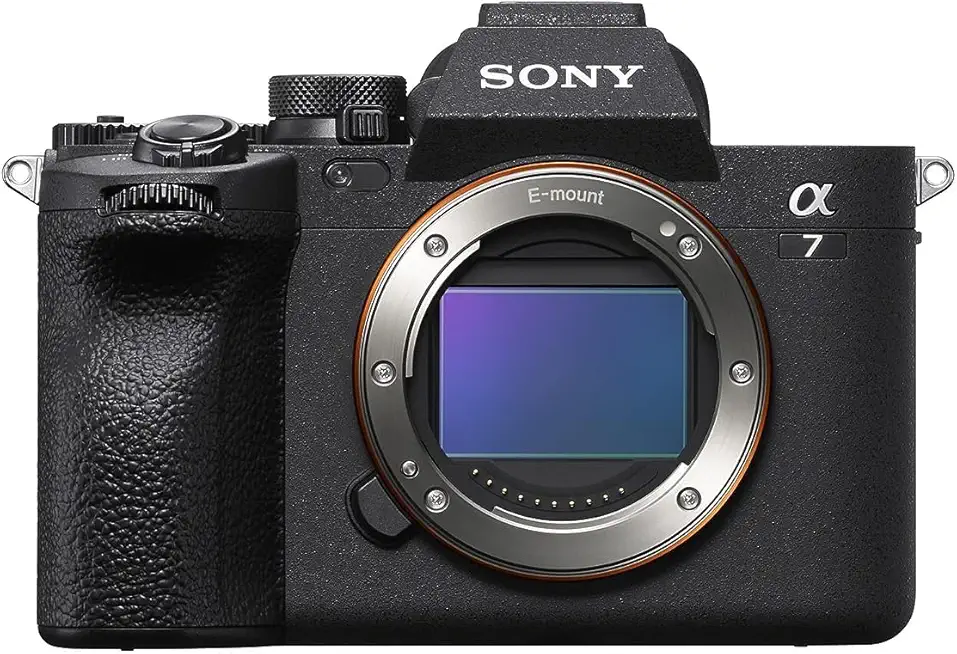
Sony Alpha 7 IV camera body
High-resolution full-frame hybrid delivering superb autofocus, cinematic 4K video, versatile connectivity, and professional-grade image quality for advanced creators and studio shooters.
Check PriceThe Sony Alpha 7 IV is a full‑frame 33MP mirrorless that balances high resolution with notably strong low‑light performance and dynamic range. Its solid in‑body image stabilization and advanced autofocus with eye/face tracking make it a very capable tool when conditions get nasty.
In practical weather work, the A7 IV keeps noise well under control at high ISOs, which matters when storms push you into dimmer light or long exposures. Autofocus is praised for precision in rain and dim light, so you spend less time fighting focus and more time composing the scene.
Build quality is pro level: weather‑sealed, durable body with dual SD slots and a pro battery that supports long days on location. That, combined with Sony’s extensive lineup of weather‑sealed lenses, means you can realistically assemble a fully weather‑resistant kit that won’t hold you back in drizzle, wind, or dust.
This camera is great for photographers who need excellent image quality in poor light and reliable AF in fast‑changing weather. If you do a lot of long hikes carrying gear, note it’s larger and heavier than some mirrorless rivals, and its autofocus tech is a generation behind Sony’s newest models—though it remains very reliable.
- Superior low-light/high-ISO performance for storm/night/cloudy weather
- Robust weather sealing for rain and dust
- Fast, reliable autofocus in fast-changing weather scenes
- Wide selection of weather-sealed lenses
- Larger and heavier than some mirrorless rivals—less ideal for long hikes
- Autofocus tech slightly older than newest Sony models (still reliable)
Weather Sealing Explained
Weather sealing is the simple idea of keeping moisture, dust and grit out of the sensitive bits of your camera so the electronics and mechanics keep working when conditions turn nasty. In practice that means rubber or silicone gaskets around buttons, battery and card doors, the lens mount and any body seams. Higher-end bodies will have more comprehensive sealing and sturdier materials like magnesium-alloy to both shed water and resist impact.
One important point for any photographer: weather sealing is a system, not a single feature. A sealed body buys you nothing if you pair it with an unsealed lens. The lens mount is one of the most vulnerable spots, so choosing weather-resistant lenses and using rear caps or hoods when changing glass makes a big difference in the field.
Expect practical benefits immediately. Sealed cameras let you keep shooting in drizzle, wind-driven rain and snowy squalls without pausing every few minutes to towel things off. That peace of mind translates into more keepers, less frantic gear babysitting, and longer gear life when you routinely work outdoors.
There are limits, though. “Weather-sealed” rarely means submersible. Most systems resist rain and splashes but aren’t rated for long immersion. Some bodies carry IP-style ratings (for example, many rugged MFT bodies note ingress protection), which help quantify capability, but never assume invulnerability—avoid salt spray and extended downpours.
Cold and wet also tax batteries and autofocus. Batteries drain faster in low temperatures, so carry spares in an inner pocket. AF systems generally remain reliable in rain with sealed gear, but heavy water on the front element can confuse focus, so keep a clean cloth handy and use lens hoods when possible.
If you don’t have fully sealed kit, there are effective mitigations: rain covers, improvised plastic bags, umbrellas, and quick-dry towels. Check seals regularly, dry and air out gear after shoots, and prioritize a sealed lens/body pair when you upgrade. A little preparation goes a long way toward staying out shooting when the weather gets interesting.
Tips for Shooting in Bad Weather
Bad weather can make for the most dramatic images, but it rewards planning. I always check multiple forecasts and radar apps the day before and pick windows when storms are most dynamic but not dangerous.
Gear preparation is half the job. Use weather-sealed bodies and lenses when you can, but also pack a rain cover, a few microfiber cloths, and a small umbrella or tarp. Cold and wet conditions kill batteries fast, so carry spares warm in an inner pocket.
A sturdy tripod is essential for long exposures and steady framing in wind. Anchor the tripod with a weight or your pack, and use a remote, cable release, or the camera’s timer to avoid shake. For lightning or streaked cloud motion I’ll shoot bulb or 5–30 second exposures depending on the scene.
For focus and exposure, I usually lock focus on a distant object or infinity for storms; this avoids hunting in low-contrast scenes. Use a mid-range aperture (around f/7.1–f/11) for good depth and sharpness, start at ISO 100 and only raise it to preserve detail when needed.
Think about light and texture. Backlighting makes rain and droplets pop, and wet streets create dramatic reflections. Overcast skies give soft, even light that’s perfect for moody landscapes and portraits—embrace the mood rather than fighting it.
Safety first: don’t stand on exposed ridgelines during lightning storms, and keep a safe distance from severe conditions. Secure loose gear in high wind and know when to call it a day.
After the shoot, dry and ventilate your equipment, wipe seals and mounts, and let compartments air out. Weather sealing helps, but thoughtful handling before, during, and after the shoot is what keeps your kit working for seasons to come.
What People Ask Most
What is the best camera for weather photography?
The best camera balances durable weather sealing, reliable stabilization, good image quality, and comfortable handling in the field. Choose a model that lets you shoot confidently in adverse conditions without compromising the lenses and features you need.
What camera features are important for weather and storm photography?
Look for effective weather sealing, strong image stabilization, dependable autofocus in low light, and a robust lens ecosystem. Long battery life and ergonomic controls also help during extended outdoor sessions.
Are weather-sealed cameras necessary for shooting in rain and snow?
Weather-sealed cameras provide valuable protection and peace of mind, especially when paired with sealed lenses. Non-sealed gear can still be used with protective covers and careful handling, but sealing reduces risk in prolonged exposure.
Can mirrorless cameras handle extreme weather conditions?
Many mirrorless cameras are built to withstand rain, dust, and cold, but not all models are rated for immersion or the harshest environments. Choose higher-grade weatherproof bodies and match them with sealed lenses for the best protection.
Which lenses are best suited for storm and landscape weather photography?
Weather-sealed lenses with solid construction are the most practical choice for shooting in adverse conditions. Select focal lengths that suit your subject and ensure the lens sealing complements the camera body for optimal protection.
How do I protect my camera when shooting in bad weather?
Use rain covers, umbrellas, and absorbent cloths to keep water off controls and glass, and dry equipment promptly after a shoot. Keep spare batteries warm and avoid exposing gear to standing water or immersion whenever possible.
What camera settings work best for capturing storms and lightning?
Use lower sensitivity settings to control noise and mid-range apertures for adequate depth of field, and employ longer exposures when you want to record motion or lightning. Stabilize the camera on a tripod for sharp long-exposure shots and adjust settings based on the scene and light available.
Conclusion for Best Camera for Weather Photography
In the end, successful weather photography comes down to balancing durable weather sealing, reliable stabilization, strong image quality and comfortable handling so your gear supports the shot rather than limits it.
Match those priorities to the types of conditions you plan to face—lightweight bodies for long treks, tougher sealing for rain and wind, or higher low-light performance for storm and night work—and remember that a weather-ready kit is a system of body, lens and practice.
Use the practical tips in this guide to prepare, protect your equipment and refine composition and exposure choices so you can confidently capture dramatic skies and storm scenes when they arrive.
If you want to deepen your skills and gear knowledge, take a look at more articles on our site to build on these ideas and stay inspired.
Have a question or a tip from the field? Leave a comment and tell us about your shoots—we usually reply within a few hours.




0 Comments