
Which Canon lens will let you melt into the crowd and still deliver a decisive, cinematic street shot at a glance? Street photography prizes timing, discretion, and a lens that feels like an extension of your eye.
This guide compares five of the best Canon lenses for street photography, tuned for urban storytelling and candid work. We weigh how each one balances reach, speed, and stealth so you spend more time shooting and less time fiddling. I focus on how lenses behave in the real world rather than cold specs.
Selection hinges on practical factors: focal length, aperture and low-light capability, image stabilization, autofocus performance, size and weight, and overall build. Those elements decide whether you blend in, isolate a subject, or keep handheld shots sharp as dusk falls. Expect notes on handling and comfort for all-day walks.
Whether you prefer immersive wide scenes or tighter, intimate portraits, the right glass defines your approach. This primer suits newcomers and experienced shooters who favor decisive, walk-and-shoot gear over luggage-room optics.
This guide distills candid user impressions, practical trade-offs, and simple recommendations to match a lens to your rhythm. By the end you’ll know which Canon options sync with your habits, lighting needs, and desire for discreet, decisive shooting.
1. Canon RF 50mm F1.2L USM
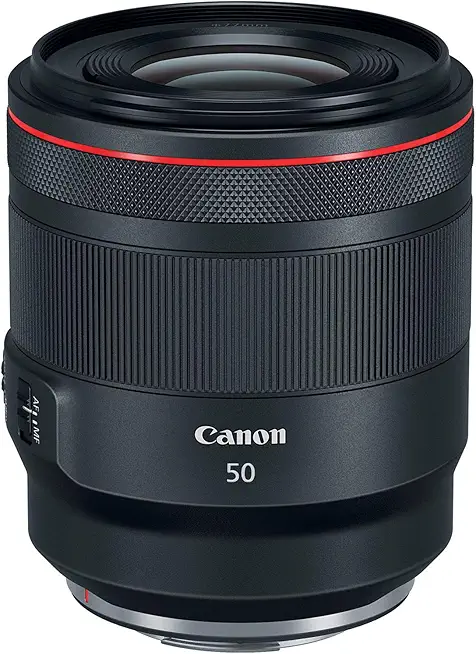
Canon RF50mm f/1.2L USM
Ultra-fast professional standard prime delivering outstanding low-light performance, creamy bokeh, and razor-sharp optics for demanding portrait and commercial work
Check PriceAs a street photographer who carries gear all day, I reach for the Canon RF 50mm F1.2L USM when image quality and low-light performance matter most. Professionals favor it for full days of urban shooting because it delivers sharpness corner-to-corner, even wide open, so you don’t sacrifice detail when you need a shallow depth of field.
The large f/1.2 aperture is genuinely luminous — it gives you subject isolation and creamy backgrounds that make people and moments pop in busy streets. That aperture also buys you usable shutter speeds in dim alleyways and evening light without cranking ISO into noisy territory.
Autofocus on this lens is fast and precise; it’s responsive and reliable in dynamic situations, which is crucial when fleeting expressions and split-second composition decisions define the shot. Build quality is robust, so it stands up to demanding urban work and the occasional rough handling.
That said, it’s not for everyone. The lens is very heavy (almost 1kg), which can be tiring on long walks and all-day shoots, and its size makes it less discreet than smaller primes.
If you prioritize ultimate sharpness, subject separation, and professional-grade autofocus and construction, this lens is worth the investment. If you’re budget-conscious or need something ultra-light and inconspicuous for candid street work, you might want to think twice.
- Exceptional sharpness across the frame, even wide open
- Fast, accurate autofocus for fleeting moments
- f/1.2 excels in low light and background separation
- Robust build quality for demanding conditions
- Very heavy (almost 1kg); tiring for long walks/all-day shooting
- Expensive; less accessible for budget photographers
2. Canon RF 50mm F1.8 STM

Canon RF50mm f/1.8 STM (RF mount)
Compact, affordable standard prime offering quiet autofocusing, lightweight design and crisp image quality ideal for travel, street and everyday photography
Check PriceThe Canon RF 50mm F1.8 STM is the kind of lens I grab when I want a lightweight, unobtrusive setup for an all-day street shoot. Its 50mm “naturalistic” perspective sits close to the human eye, so composing feels intuitive and you don’t have to fight framing to get believable results.
Image quality punches above its price: you get a sharp center and pleasing color rendition that makes prints and social posts look clean without fuss. The small, discreet size helps keep subjects unbothered — perfect for candid work where drawing attention is the last thing you want to do.
For most daylight street situations the aperture is more than adequate, letting you separate subjects when needed while keeping shooting simple. It’s an affordable, accessible option for beginners and enthusiasts who want to learn street craft without lugging heavy glass or breaking the bank.
There are trade-offs: corners can be soft at large apertures, so if you need edge-to-edge sharpness wide open you’ll notice limits. The autofocus isn’t as fast or as quiet as higher-end glass, so in extremely dynamic or stealth-critical moments you might wish for more responsiveness.
All told, this lens is a practical, camera-bag-friendly choice if you prioritize portability, natural perspective, and straightforward image quality for everyday street work. If you want rugged build or pro-grade autofocus, consider that this model leans toward simplicity and value.
- Extremely lightweight and compact
- Natural field of view simplifies composition
- Affordable and accessible for beginners
- Aperture fast enough for most daylight street situations
- Corners can be soft at large apertures
- Autofocus not as fast/quiet as higher-end lenses
3. Canon RF 35mm f/1.8 IS Macro STM
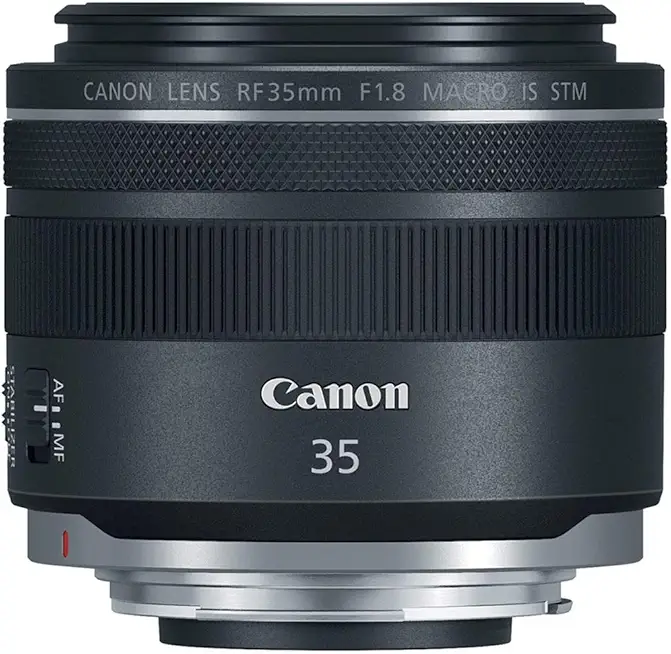
Canon RF35mm f/1.8 IS Macro STM
Versatile wide prime with stabilization and close-focusing macro capability, fast aperture for low-light shooting and creative perspectives
Check PriceThe Canon RF 35mm f/1.8 IS Macro STM is one of those lenses that makes street shooting more fun and flexible. Its 35mm field of view is ideal for storytelling — you get the subject and enough of the environment to set a scene without feeling detached.
Image stabilization is a real bonus for handheld low‑light work and when I want to push the shutter speed down without a tripod. That IS, combined with the lens’s compact, lightweight design, makes it comfortable to carry all day and less tiring on long walks through the city.
The macro capability is an unexpected creative tool for street photographers — it lets you capture small urban details and textures that add narrative variety to a walkabout. It’s not a replacement for a dedicated macro lens, but it’s extremely useful when you want a lens that covers wide-angle storytelling and close-up detail.
In practical terms, this lens suits photographers who value versatility and portability: environmental portraits, candid moments, evening handheld shots, and occasional close-ups. If you rely on blisteringly fast autofocus for split‑second action or need rock-solid metal build for harsh conditions, this isn’t the highest-end option, but for most street work it delivers a compelling balance of features.
- Image stabilization for sharper handheld low‑light shots
- Compact and lightweight for long walks
- Versatile for street scenes and environmental portraits
- Macro capability adds creative flexibility
- Autofocus not as fast as higher‑end lenses
- More basic build quality; can feel “plasticky”
4. Canon EF 35mm f/2 IS USM

Canon EF 35mm f/2 IS USM (5178B002)
Classic wide prime with image stabilization and fast, quiet autofocus, delivering sharp results for travel, documentary and environmental portraits
Check PriceThis Canon EF 35mm f/2 IS USM is a pragmatic choice for street shooters who value portability without sacrificing image quality. It’s compact and lightweight, so you can walk all day without feeling weighed down, and the 35mm focal length gives you that ideal balance between subject focus and environmental context.
Image stabilization is a real perk for handheld low-light shooting on the street. It lets you hold slightly slower shutter speeds and still get usable frames when you don’t want to bump ISO or stop down, which keeps your files cleaner and your shooting more flexible.
Optically the lens delivers excellent center sharpness and pleasing color rendition, which makes subjects pop in urban light. Bokeh is smooth enough to separate subjects subtly, so your frames keep that cinematic street look without being overbearing.
Autofocus is quiet and suited for both stills and video work, so you won’t startle a subject with noisy focusing and you’ll get dependable AF for quick moments or roaming interviews. That quiet drive is especially useful if you sometimes shoot short clips on the fly.
There are trade-offs to be aware of. Corners can be soft at large apertures, so if edge-to-edge sharpness wide open is critical, you’ll need to stop down or accept the look. Also, the f/2 max aperture isn’t as fast as some other 35mm options, so in very dark scenes you may be limited compared with faster primes.
- Compact, lightweight for long walks
- Image stabilization for handheld low-light shots
- Strong center sharpness and good color rendition
- Quiet autofocus good for video use
- Corners can be soft at large apertures
- f/2 max aperture not as fast as some 35mm options
5. Canon RF 28mm F2.8 STM
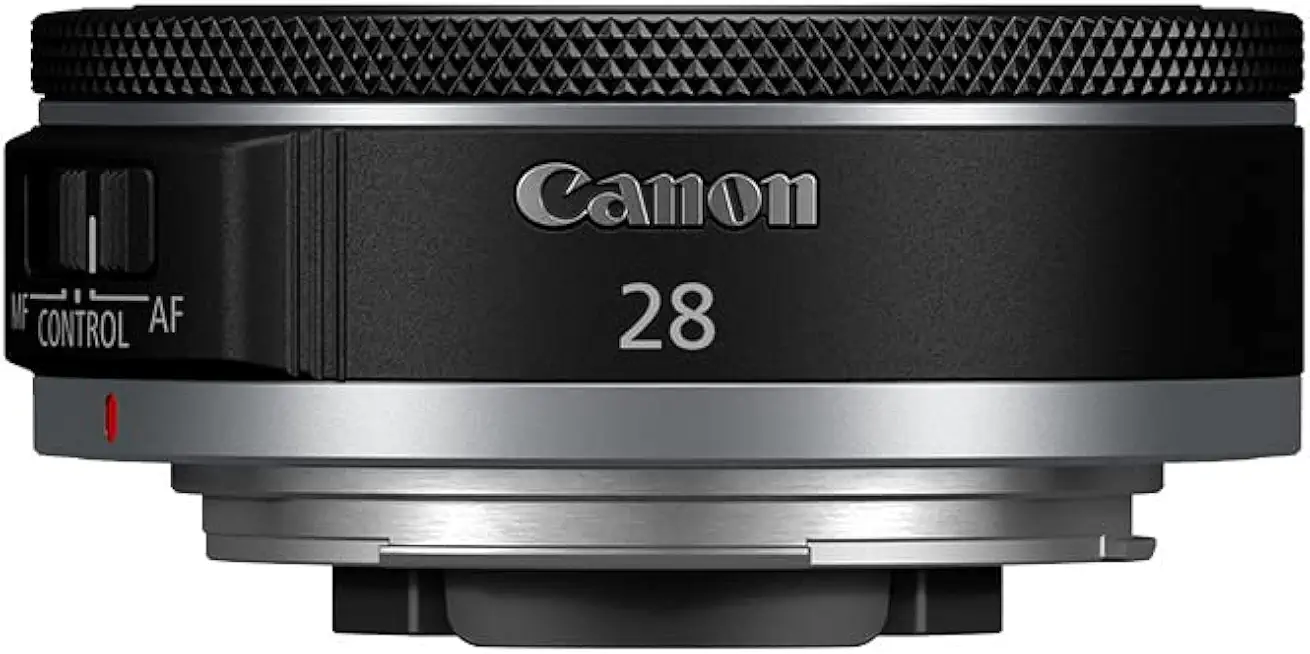
Canon RF28mm f/2.8 STM
Ultra-compact wide-angle pancake prime with smooth silent focusing, lightweight build and vibrant edge-to-edge sharpness for landscape and street photography
Check PriceThe Canon RF 28mm F2.8 STM is a true pocket-friendly pancake lens built for discreet street work. Its ultra-compact design makes the camera almost invisible, so you can shoot candid moments without drawing attention.
At 28mm the field of view is wider than a normal lens, which helps you capture more of the scene and get closer to your subjects while still keeping context. That wider perspective is great for storytelling and environmental shots where surroundings matter as much as the person.
Users describe the lens as “nimble” and “responsive” for fast action, which matches how it performs in busy urban environments. Its tiny, lightweight profile makes it ideal for travel and long walks when you want to stay mobile and unobtrusive.
Keep in mind the trade-offs: the f/2.8 aperture is perfectly adequate for most daylight street situations, but it won’t be as strong in very low light compared with faster lenses. Also, autofocus isn’t as fast or as quiet as higher-end options, and the build is basic, so it may feel less rugged in demanding conditions.
- Ultra-compact and lightweight for long walks
- Wide 28mm field supports storytelling and context
- Discreet size reduces subject intimidation
- Aperture adequate for most street situations in daylight
- f/2.8 not as fast as other options for very low light
- Autofocus not as fast/quiet as higher-end lenses
Street Photography Focal Length Guide
Focal length is the photographer’s lens on the world. It shapes how much of the scene you include, how close you need to get, and what story the frame will tell.
The 24mm ultra‑wide gives a sweeping view of the city and is brilliant in tight, crowded places. It can exaggerate distances and bend edges, so composition and careful placement of subjects matter more than with longer lenses.
A 28mm sits between wide and standard and is one of my go‑to focal lengths for street work. It keeps more of the environment in the frame with less distortion, which is handy when you can’t physically step back.
The 35mm is often called the sweet spot for street photography because it balances subject and context beautifully. It feels natural, forces you to engage with your scene, and works in almost every urban situation.
At 50mm you get a closer, more portrait‑like perspective that isolates subjects and simplifies backgrounds. It demands that you move toward your subject, which can create more intimate images but also requires a gentle approach.
Longer focal lengths, like 85–135mm, are great when you want distance and compression. They’re ideal for environmental portraits and candid moments where staying unobtrusive matters, though they’re less practical in tight crowds.
Choose based on what you want to say, and let the environment guide you: alleys and subways reward wider glass, open plazas suit longer lenses. A practical exercise I recommend is shooting one focal length for an afternoon — it forces creative solutions and quickly teaches the strengths and limits of each view.
Finally, remember you can always crop later, but it’s better to compose in‑camera. Learn to “zoom with your feet,” keep your kit light, and let your chosen focal length help tell the story you walked out to find.
Lens Aperture for Street Photography
Aperture is one of the quickest ways to shape a street photograph. It controls how much light you get, how much of the scene is in focus, and the mood of the image. Choosing an aperture is equal parts technical decision and creative choice.
When you open up to f/1.4–f/2.8 the background softens and subjects pop, which is ideal in low light or when you want subject isolation. That look is gorgeous, but it comes with a demand for precise focus; miss the plane and the shot is gone. Use a single AF point, back-button focus, or slow down and confirm focus when shooting wide open.
Mid-range apertures like f/4–f/8 are the safest bet for most street work. They hold enough depth to keep subjects and their environment readable while forgiving small focusing errors. For candid, fast-changing scenes this range dramatically increases your keeper rate.
If you want everything from foreground to background sharp, stop down to f/9–f/16. This is great for layered scenes and architectural context, but you’ll need more light or a higher ISO and should watch shutter speed to avoid motion blur. On the street a tripod is rarely practical, so balance DOF needs against the risk of blur.
Aperture-priority mode is my go-to for routine shooting: set the aperture for the look you want and let the camera adjust shutter speed. Combine it with Auto-ISO or a sensible minimum shutter speed (think 1/125–1/250 for walking subjects) and use exposure compensation to tweak quickly. This keeps your creative intent consistent while adapting to changing light.
For candid shots try zone focusing: choose a mid-small aperture like f/5.6–f/8, pre-focus at a chosen distance, then wait for subjects to enter that zone. For portraits or night scenes open up and be deliberate about focus on the eye. Practice both approaches so changing apertures becomes second nature.
In the end match aperture to story and conditions: open for mood and low light, stop down for context and reliability. If you’re unsure start around f/5.6 and adjust as the scene and your style demand. Over time you’ll develop an instinct for the aperture that fits your street voice.
What People Ask Most
What are the best Canon lenses for street photography?
There isn’t a single best option; different lenses suit different priorities such as speed, size, stabilization, and focal length. Choose a lens that matches your needs for aperture, weight, autofocus, and how discreet you want to be.
Which Canon focal length is best for street photography?
It depends on your style: wider focal lengths immerse the viewer while mid and longer focal lengths favor subject isolation and portraits. Consider the environment and how close you want to get to your subjects when choosing.
Is a Canon 35mm lens good for street photography?
Yes. The 35mm field of view is praised for storytelling because it captures both subjects and their surroundings, and many 35mm options balance compactness with useful features like stabilization.
Is a Canon 50mm lens good for street photography?
Yes. A 50mm perspective feels natural and is useful for portraits and subject isolation, though it often requires getting closer and some 50mm options are less discreet due to size or weight. Pick the model that fits your comfort for carrying and approach distance.
Should I use a prime or zoom Canon lens for street photography?
Primes are typically lighter, more discreet, and often offer faster apertures, while zooms provide framing flexibility without swapping lenses. Choose primes for portability and speed, or zooms for versatility in changing scenes.
What Canon lens is best for low-light street photography?
For low light, favor lenses with wider apertures or those that include image stabilization to help handheld shooting in dim conditions. Balance the need for light-gathering and stabilization against size and weight for practical carry.
Can I use Canon wide-angle lenses for street photography?
Yes. Wide-angle lenses let you capture more of the scene and are great in tight or crowded spaces, though they can introduce edge distortion that requires careful composition. Use them when you want immersive context and dynamic environmental storytelling.
Conclusion for Canon Street Lenses
In short, the best street lens is the one that balances the trade-offs you value most: image speed and subject separation, portability and discretion, or stabilization and framing flexibility.
Some choices favor sheer optical speed and subject isolation at the cost of weight and attention, while others prioritize lightweight carry, inconspicuousness, or built-in stabilization to stretch low‑light handholding and creative options.
Use your personal shooting style, typical environments, and priorities—whether aperture/speed, size/weight, stabilization, or autofocus responsiveness—as the deciding factors, and be willing to test different approaches in the field.
If you want to keep improving your craft, explore more of our articles for practical tips and deeper gear guidance to match your evolving street photography needs.
Have questions or experiences to share? Leave a comment below and we’ll usually reply within a few hours.




0 Comments