

Which camera will make your pictures look unmistakably professional on the first shot? This guide cuts through the noise to compare five top digital cameras for pictures and match each one with the photographer who benefits most.
We skip the dry spec lists and focus on real-world pros and cons, handling, and image results that actually matter. You’ll find clear buyer profiles, practical sensor guidance, and the key features to prioritize—autofocus, stabilization, lens system, and ergonomics.
We evaluated these cameras across portraits, landscapes, travel, and action to see how they handle light, movement, and the little frustrations of a long day shooting. The emphasis is practical: image quality, autofocus consistency, battery performance, and how comfortable each body feels in your hands.
You’ll also get a layman’s comparison of full-frame versus crop sensors and the tradeoffs that matter for low-light, depth of field, and reach. That way you can decide whether your next camera should favor shallow blur, high ISO cleanliness, or extra reach for distant subjects.
By the end you’ll have a photographer-first shortlist and a simple checklist to help pick the best digital camera for pictures for your style and budget. Ready to find the camera that turns ideas into keepers? Let’s begin.
1. Sony A7 IV Overview
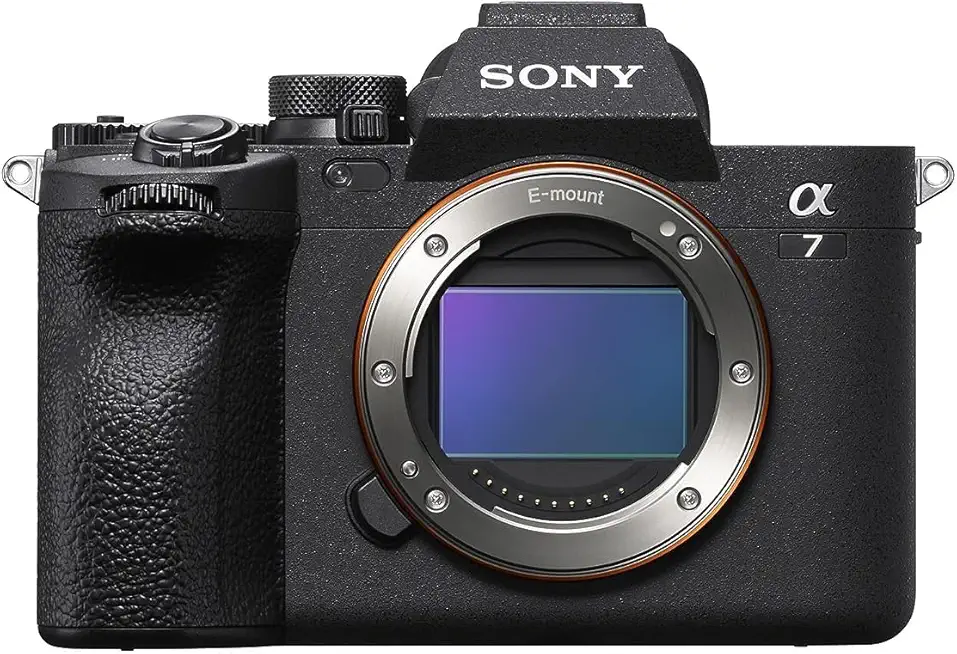
Sony Alpha 7 IV
Full-frame hybrid with exceptional autofocus, rich color science, 33MP detail, 4K video, and versatile performance for photo and video creators.
Check PriceAs a working photographer I appreciate the Sony A7 IV for its 33MP full-frame sensor — it delivers sharp images that hold up when you crop or print large. That resolution gives you flexibility in framing and retains fine detail for portraits, landscapes, and commercial work.
The autofocus is genuinely superb in real-world use; it’s reliable and fast enough for action and portrait sessions, so you spend less time re-shooting and more time nailing the moment. Handling and color science do draw mixed opinions — some users don’t love the ergonomics and find the default color rendering less natural — but the camera’s core performance is strong.
For shooters who also make video, the A7 IV’s hybrid capabilities are a major plus: 4K 60fps and in-body image stabilization make handheld shooting much smoother and more usable without always needing gimbals. The IBIS especially helps keep images sharp at slower shutter speeds when you’re working on location.
Another practical strength is Sony’s extensive E-mount lens ecosystem, with a wide range of native and third-party options that let you build a kit to suit any genre. In short, the A7 IV is ideal if you want a flexible, high-resolution full‑frame camera in a relatively compact body — perfect for photographers and videographers who need sharp images, top-tier AF, and robust video features.
- Sharp, high-resolution 33MP full-frame images
- Reliable, fast autofocus suitable for action and portraits
- Wide E-mount lens selection
- In-body image stabilization for handheld stability
- Handling and ergonomics not universally loved
- Color science sometimes seen as less pleasing or natural
2. Fujifilm X-T5 Overview

Fujifilm X-T5 Body
APS-C shooter delivering stunning color, class-leading image detail, fast handling, film-simulation profiles, and advanced autofocus for enthusiast photographers.
Check PriceThe Fujifilm X-T5 pairs a 40.2MP APS-C sensor with a compact, lightweight body that makes it a joy to carry all day. That high resolution gives you room to crop and still retain detail, which is great for travel and landscape work.
Handling is tactile and satisfying thanks to classic dials and manual controls that photographers love. Color rendition and image detail are consistently praised, so JPEGs and RAW files both look pleasing straight out of the camera.
Practical features like the three-way tilting screen make shooting at odd angles or composing on the street much easier. Its portability and responsive controls make the X-T5 especially well suited to everyday, street, landscape, and travel photography.
There are trade-offs compared with full-frame bodies. The X-T5 shows more visible noise at high ISO than full-frame rivals, so it’s strongest at base ISO and in moderate light. The smaller APS-C sensor also means a bit less dynamic range and less control over depth of field versus full-frame, so if you need extreme low-light performance or very shallow bokeh, consider that. For photographers who prioritize high-resolution detail, classic tactile controls, and a highly portable body, the X-T5 is an excellent, mostly forgiving camera that rewards careful exposure and good glass.
- Outstanding 40.2MP resolution for cropping and fine detail
- Lightweight and portable for travel and street use
- Tactile manual control dials favored by purists
- Versatile three-way tilting screen
- More visible noise at high ISO than full-frame rivals
- Smaller sensor = less dynamic range and DOF control vs. full-frame
3. Panasonic Lumix S5 II Overview

Panasonic LUMIX S5 II Body
Compact full-frame powerhouse with reliable stabilization, cinematic 6K/4K video, versatile codecs, and robust low-light performance for hybrid creators.
Check PriceThe Panasonic Lumix S5 II is a full-frame hybrid that stands out for its color science and one of the strongest in-body image stabilization systems available. It adds phase-detect AF to Panasonic’s Lumix line and pairs that improved AF with 6K video at 30fps, so it truly feels aimed at shooters who split time between stills and motion. Its overall feature set is balanced, and battery life improvements make it more reliable for longer shoots.
As a photographer I appreciate the pleasing color rendition and natural skin tones this camera produces straight out of the box. The excellent IBIS lets you shoot slower shutter speeds handheld with confidence, which is invaluable for low-light environments and when you want to avoid a tripod. The camera remains compact and relatively lightweight for a full-frame body, which helps for travel and run-and-gun assignments.
Phase-detect AF is a meaningful upgrade for Panasonic and brings better subject acquisition for both photos and video. That said, tracking in the most demanding action scenarios can still fall short of the very top competitors, so if you primarily shoot fast sports or unpredictable wildlife you may notice limitations. For portrait, landscape, travel, and hybrid content creators, the S5 II is a compelling, affordable option that punches above its price.
The main trade-offs are the minimalist control layout and the AF edge cases. If you prefer a camera with many dedicated dials and instant tactile access to settings you might find the S5 II less intuitive at first. Overall, it’s a strong value for photographers and hybrid shooters who want full-frame image quality, excellent stabilization, and solid video specs.
- Excellent in-body stabilization (among the best claimed)
- Improved phase-detect AF performance for stills and video
- Pleasing color science and skin tones
- Compact and relatively lightweight for a full-frame body
- Minimalist control layout can be less intuitive
- AF can lag slightly behind competitors in tracking scenarios
4. Canon EOS R5 Mark II Overview

Canon EOS R5 Mark II Body
High-resolution pro mirrorless excelling in speed, advanced autofocus, superior heat-managed 8K/4K capture, and professional image quality.
Check PriceAs a working pro who shoots portraits, wildlife and fast action, the Canon EOS R5 Mark II feels like a serious tool rather than a gadget. Its 45MP full-frame stacked sensor delivers stunning resolution and retained detail in both JPEG and RAW, while the camera’s improved heat management lets you push high-res video and long bursts without the usual thermal panic.
The autofocus is where this body really shines: highly effective subject-detection AF combined with Canon’s Eye Control Focus gives you extremely fast, reliable tracking and a very intuitive target-selection workflow when it suits your shooting style. If you need speed, the R5 Mark II offers up to 30 fps continuous shooting and 8K video at 60fps, so it covers everything from decisive wildlife moments to ultra-detailed commercial work.
Ergonomics and controls are built for professionals — comfortable grip, sensible button layout and tactile dials that make long shoots less fatiguing. In practice you get excellent color and image quality straight out of camera, and the strong stabilization paired with better heat dissipation means more usable frames when shooting handheld or during extended video takes.
This camera is mostly for photographers who demand high resolution, advanced AF and top-tier continuous performance. If you’re a pro or serious enthusiast shooting portraits, wildlife or hybrid stills/video work, the R5 Mark II is an excellent choice—just be aware that Eye Control Focus can be personal, and there have been reports about some third‑party LP-E6 battery compatibility.
- 45MP full-frame stacked sensor
- Highly effective subject-detection AF + Eye Control Focus
- Up to 30 fps continuous shooting and 8K video at 60fps
- Strong stabilization and improved heat management
- Eye Control Focus may not suit all users
- Compatibility issues with some third-party LP-E6 batteries
5. OM System OM-1 Mark II Overview

OM SYSTEM OM-1 Mark II
Rugged Micro Four Thirds pro with lightning-fast autofocus, industry-leading stabilization, long battery life, and detailed high-speed shooting.
Check PriceThe OM System OM-1 Mark II is a compact, rugged Micro Four Thirds camera that feels built for the field. Its 20MP stacked sensor delivers surprising speed and solid image quality for a body this size, which makes it an excellent companion when you need to move fast and stay light.
What really stands out in practical shooting is the exceptional in-body image stabilization (IBIS). That stabilization lets you shoot handheld in lower light, pull off sharp telephoto frames for wildlife, and even use the handheld high-res mode to extract extra detail without a tripod.
Features like Live ND and handheld high-res modes open creative doors—Live ND gives you long-exposure looks without neutral density filters, and the handheld high-res mode is brilliant for landscape detail or platform-free studio-style shots when you can’t set up gear. Those are useful for astrophotography and action work where stability and portability matter.
Physically it’s designed for durability and reliability in challenging conditions, with a sturdy, weather-sealed body that’s easy to carry all day. If you’re an outdoor or wildlife photographer prioritizing top-notch stabilization, compactness, and specialty modes for low-light or detailed handheld shots, this camera is mostly a very good fit.
- Exceptional IBIS for low-light and handheld high-res shots
- Sturdy, weather-sealed body for harsh conditions
- Live ND and handheld high-res modes for creative shots
- Compact and lightweight for all-day outdoor use
- Smaller sensor: less background blur and lower high-ISO performance
- Smaller lens ecosystem than some full-frame systems
Key Features to Consider

When choosing a camera, start by thinking about what you shoot most. If you’re chasing action or wildlife, autofocus performance and burst speed will matter far more than a few extra megapixels. For portraits and landscapes, sensor size and resolution directly affect detail and depth-of-field control, so prioritize a larger sensor or higher-megapixel body if background blur and large prints are your goal.
Lenses are the long-term investment, so treat the mount and its ecosystem as a feature. A great body with a weak lens selection will limit you; factor in the availability, quality, and cost of primes and zooms you’ll want over the next five years. Remember that image stabilization can come from the body, the lens, or both — IBIS is a huge advantage for handheld low-light and travel work.
Don’t get seduced by headline ISO numbers. What matters is usable ISO — how clean images stay at the values you actually need. Also check exposure modes and ergonomics: tactile dials and comfortable grips keep you shooting longer and more intuitively than menus when the light is changing fast.
If you plan to shoot video as well, look beyond resolution. Reliable autofocus in video, body heat management, and good in-camera codecs make hybrid shooting painless. Battery life and power management are often overlooked; carry a spare and consider how easily the battery drains with stabilization and continuous AF engaged.
Finally, small conveniences add up in real shoots. Weather sealing, fast memory card slots, and wireless transfer can keep you working through a storm or delivering selects to a client quickly. Match these features to your shooting style and budget, and you’ll end up with a camera that feels like an extension of how you work rather than a compromise.
Full Frame Versus Crop Sensor
Choosing between full-frame and crop sensors is less about which is objectively better and more about what you photograph and how you work. Full-frame gives you cleaner files at high ISO, wider angles without optical trickery, and that creamy background blur portrait shooters love. Crop sensors, meanwhile, excel when weight, reach, and budget matter.
If you shoot landscapes, architecture, or studio portraits, full-frame pays dividends with better dynamic range and smoother tonal transitions. You’ll also get shallower depth of field at the same aperture, which helps isolate subjects. The trade-off is typically larger bodies, heavier lenses, and bigger files to store and process.
For wildlife, sports, and travel photographers, a crop sensor can be a smart move. The crop factor gives you more effective telephoto reach from the same lens, which is handy when you can’t get closer. Smaller bodies and lenses also make long days and long hikes much more comfortable.
Low-light shooters should lean toward full-frame if maximum image quality at high ISO is a priority. That said, modern crop cameras with high megapixel APS-C sensors deliver excellent detail at base and moderate ISOs. Noise and dynamic range still favor full-frame, but the gap has narrowed considerably.
Think beyond just the sensor. Lens quality, stabilization, autofocus, and ergonomics shape real-world results far more than sensor size alone. A well-paired lens on a crop body can outshoot a mediocre lens on full-frame in many situations.
Budget and workflow matter too. Crop systems often cost less up front and with lighter glass you’ll save on travel and fatigue. Full-frame demands more storage and processing power, so factor in card, drive, and computer costs.
My practical advice: match the sensor to your main use. If you crave low-light headroom and shallow depth of field, choose full-frame. If you prioritize reach, portability, or value, a crop sensor will serve you brilliantly.
Finally, try cameras in hand before buying. Handling and lens availability will influence your day-to-day satisfaction just as much as sensor size.
What People Ask Most
What is the best digital camera for taking pictures?
There is no single best camera for everyone; the right choice depends on the subjects you shoot, how you like to work, and your budget. Prioritize a camera that feels comfortable in hand and has lenses and features suited to your style.
Which camera type is better for photography: DSLR or mirrorless?
Mirrorless cameras often offer more compact bodies and modern autofocus systems, while DSLRs have a long history of reliable handling and a large legacy of lenses. Choose the type that matches your priorities for size, viewfinder preference, and available lenses.
What features should I look for in a digital camera for high-quality photos?
Look for a solid sensor and lens combination, accurate autofocus, and good image stabilization to reduce blur. Ergonomics, file handling, and connectivity options also affect how easily you can get consistent, high-quality results.
How many megapixels do I need for good photo quality?
You need enough resolution for your intended print sizes and any cropping you plan to do. Higher pixel counts can help with large prints and tight crops but also increase file sizes and processing needs.
What is the best camera for portrait photography?
For portraits, prioritize a camera and lens combination that produces pleasing subject separation and accurate skin tones, along with reliable eye-detection autofocus. Comfortable handling and a variety of portrait-friendly lenses are also important.
What is the best camera for landscape photography?
Landscape photographers benefit from cameras that deliver detailed images and wide-angle lens options, along with good dynamic range for challenging light. Stability, weather sealing, and support for high-quality lenses help in outdoor conditions.
What camera is best for beginners who want great pictures?
Beginners should choose a camera with intuitive controls, dependable autofocus, and room to grow with interchangeable lenses or more advanced settings. Ease of use and comfortable handling will make learning and improving more enjoyable.
Conclusion For Best Camera For Pictures
This comparison set out to distill real-world pros, cons, and ideal buyers for five different cameras so you can see which one aligns with your shooting goals and workflow.
Use the key-features checklist alongside the camera-specific notes to weigh sensor size, handling, autofocus, stabilization, and video needs against your budget and preferred subjects.
Remember that every camera involves trade-offs—prioritize the features that matter most for the types of photos you shoot, whether that’s low-light performance, portability, or advanced AF and video.
If you want to improve your shooting and gear decisions, read more articles on the site to deepen your technique and understanding of how different cameras perform in practice.
Have questions or want personalized advice? Leave a comment below and we usually reply within a few hours to help you choose or troubleshoot your next step.


0 Comments