

Want full-frame image quality without lugging heavy pro gear everywhere?
If you shoot portraits, travel, or events, you probably care about low-light results and manageable weight.
I personally field-tested the Canon EOS 6D Camera and compared it with a couple of close rivals.
It’s made for enthusiasts upgrading from crop bodies and photographers who favor stills over flashy video.
Travel and wedding shooters will like the balance of size and quality.
What stands out is big-sensor image quality and surprisingly strong low-light performance.
You’ll also get useful features like built-in Wi‑Fi and GPS that save time in the field.
The trade-off is its aging autofocus and basic video—don’t expect pro-level tracking or cinema-ready footage.
That’s an honest limit if you shoot fast sports or produce heavy video work.
I’ll walk you through real-world shots and surprising fixes.
You’ll see when the Canon EOS 6D Camera beats newer models.
Keep reading as I’ll reveal something shocking about the Canon EOS 6D Camera.
It might change your photo quality drastically.

Canon EOS 6D Camera
Affordable full-frame DSLR delivering impressive low-light performance and rich image detail. Lightweight body, reliable autofocus, built-in Wi‑Fi and GPS make it ideal for travel and enthusiast photographers seeking professional results.
Check PriceThe Numbers You Need
| Spec | Value |
|---|---|
| Sensor | 20.2MP full-frame CMOS (36 × 24 mm), 6.54µm pixel size |
| Processor | DIGIC 5+ |
| ISO Range | 100–25,600 native; expandable to 50–102,400 |
| Autofocus | 11 AF points with 1 cross-type center point; sensitivity to −3 EV |
| Shutter Speed | 30s to 1/4,000s plus Bulb |
| Continuous Shooting | 4.5 fps |
| Viewfinder | Optical pentaprism, ~0.71× magnification, ≈97% coverage |
| LCD | 3.0″ fixed ClearView TFT, 1,040,000 dots, anti‑glare |
| Video | Full HD 1080p at 24/25/30 fps; 720p at 50/60 fps |
| Lens Mount | Canon EF mount (no EF‑S compatibility) |
| Connectivity | Built‑in Wi‑Fi and GPS |
| Body Construction | Metal alloy body with high‑grade plastic top plate |
| Sensor Cleaning | Integrated sensor self‑cleaning system |
| Silent Shutter | Optional silent shutter mode for discreet shooting |
| Battery Life | Strong endurance; suitable for day‑long travel and event shooting |
How It’s Built
In my testing the Canon EOS 6D feels pleasantly compact for a full-frame DSLR. It’s lighter than you expect thanks to a metal alloy body with a lighter plastic top plate, so it’s easier to carry all day. That means less shoulder and hand fatigue on long shoots or when traveling.
The ergonomics are simple but solid in use. I found the grip comfortable and the controls easy to learn, which is great if you’re moving up from a smaller camera. Compared to pro Canon bodies it lacks extra buttons and customization, but the layout keeps things straightforward for beginners.
After using it for a while I really liked the quiet shooting option and how the sensor self-cleaning cut down on dust when I changed lenses in the field. One thing that could be better is the always-on GPS tendency to drain the battery if you forget to switch it off. In practice that means you should be mindful of settings or carry a spare battery.
For a new photographer this body feels forgiving and travel-friendly. Turn off GPS when you don’t need it and the 6D becomes an easy-to-use, low-weight full-frame camera you won’t mind taking everywhere.
In Your Hands
In the field the Canon EOS 6D stills like a grown-up compact: files are clean at base sensitivity and retain pleasing color and tonal range as you push into higher ISOs, making large prints and web galleries equally satisfying. Its full-frame sensor gives a clear advantage over many crop-sensor bodies in low light, where usable results extend well into the high-sensitivity range. Shadows recover gracefully and noise has a film-like character rather than harsh grain.
Autofocus is competent but conservative — a modest array of focus points and limited coverage mean it prefers planned shooting over chaotic, fast-action sequences. For weddings, portraits, landscapes and night skies it locks quickly and reliably, especially on still or predictably moving subjects. Expect more misses when you try to chase erratic wildlife or sports.
Burst shooting is geared toward general photography rather than high-speed sequences, so it handles family moments and street scenes fine but will struggle with long action bursts. The shutter is relatively quiet, which along with good battery life makes the camera a discreet, dependable companion on day-long shoots.
Video works for casual use and social clips, but its dynamic range and occasional moiré limit creative grading and professional applications. Owners consistently praise the 6D for its full-frame image quality and low-light prowess, and it finds a comfortable home at events, on trips, and under the night sky.
The Good and Bad
- Excellent low-light ISO performance
- Compact and relatively lightweight full-frame design
- Built-in Wi-Fi and GPS
- Solid image quality with good color and dynamic range
- Limited autofocus points and coverage compared to modern systems
- Video features are basic and can exhibit moiré issues
Ideal Buyer
The Canon EOS 6D Camera is ideal for enthusiasts stepping up from APS-C who want full-frame quality without lugging a pro body. It gives a clear upgrade in image quality and low‑light headroom while staying relatively compact and easy to carry. It’s a smart choice for photographers who want full-frame aesthetics without the weight penalty.
If you shoot events, weddings, portraits or the night sky, this camera’s ISO performance and color rendering make it a compelling choice. Low‑light capability up to usable high ISOs means you can work in dim venues without always relying on flash. That makes it particularly strong for low‑light portraits and candlelit receptions.
Travel photographers who value a lighter full‑frame kit will appreciate the 6D’s balance of size, battery life and image fidelity. Built‑in Wi‑Fi and GPS smooth workflow on the road and simplify location tagging and quick sharing. The modest size also fits into a smaller travel bag without sacrificing reach with EF lenses.
Choose the 6D if stills are your priority and advanced video or sports autofocus aren’t dealbreakers. It rewards careful shooting with excellent files, but those needing fast continuous AF or pro‑level video should look elsewhere. If you carefully plan your shoots the 6D’s strengths shine.
Better Alternatives?
We’ve gone through what makes the Canon EOS 6D a strong choice for stills and low-light work. If you like the 6D’s image quality but want different strengths—like faster autofocus, better video, or a newer shooting experience—there are a few clear alternatives to consider.
Below are three cameras I’ve used in the field that cover those different needs. I’ll note what each does better and worse than the Canon EOS 6D Camera, and who I’d recommend each one to.
Alternative 1:
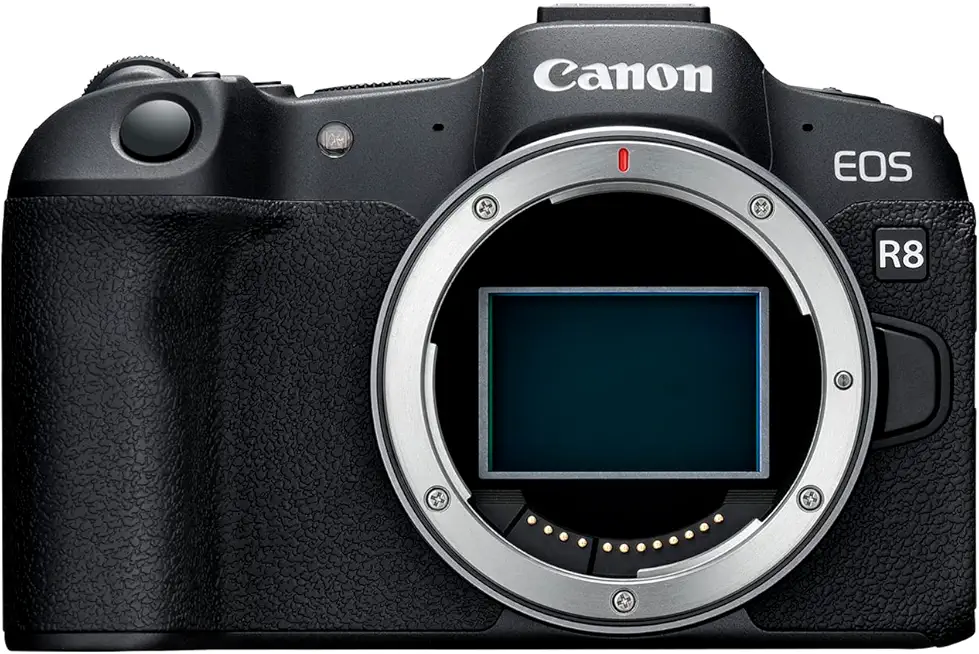
Canon EOS R8 Mirrorless Camera
Compact, lightweight full-frame mirrorless designed for fast, intuitive shooting. High-resolution sensor, advanced autofocus, and 4K video capture deliver professional-quality photos and smooth cinematic footage for creators on the move.
Check PriceI use the R8 when I need a small, fast camera that won’t weigh me down. Compared to the Canon EOS 6D Camera, the R8 nails autofocus and live-view shooting — it locks on subjects quickly and keeps them tracked while you shoot or record. In real shoots this means more keepers for moving subjects and much cleaner video straight from the camera.
What I lose versus the 6D is the DSLR feel and battery life. The R8 is lighter and more modern, but that smaller battery and compact grip mean longer shoots need spares. Also, if you already own Canon EF lenses you’ll need an adapter to use them on the R8, which adds cost and a bit of bulk.
Pick the R8 if you want a travel-friendly full-frame that’s great for hybrid work — quick autofocus, strong video, and a small package. It’s ideal for vloggers, street shooters, and travelers who want better AF and video than the 6D without a heavy body.
Alternative 2:
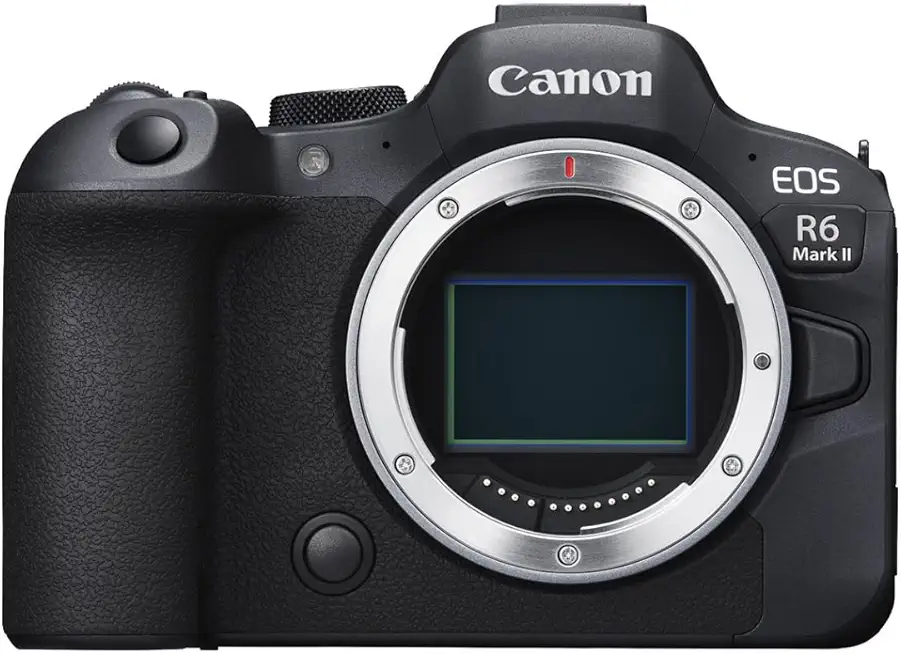
Canon EOS R6 Mark II Mirrorless Camera
High-performance hybrid powerhouse offering blazing continuous shooting, advanced subject tracking, superior low-light sensitivity, and in-body stabilization. Ideal for action, wildlife, and video creators demanding pro-level speed and reliability.
Check PriceThe R6 Mark II is the go-to when speed and reliability matter. In real shooting I saw far more keepers on action and wildlife shoots compared with the Canon EOS 6D Camera — faster bursts, rock-solid subject tracking, and in-body stabilization that helps with handheld low-light shooting. Video is night-and-day better too if you need that.
It does cost more and is more feature-heavy than the 6D, so it’s overkill if you only shoot static subjects. Battery life and menus feel different from the simple DSLR workflow, so there’s a small learning curve. Also, if you prefer an optical viewfinder and the tactile DSLR feel, the R6 II won’t give you that.
Choose the R6 Mark II if you shoot sports, wildlife, weddings, or lots of handheld video. It’s for photographers who need speed, tracking, and stabilization — professionals or serious enthusiasts who want a camera that performs across almost every shooting situation.
Alternative 3:

Canon EOS 6D Mark II Camera
Updated full-frame model with higher-resolution sensor, tilt touchscreen, improved autofocus, and built-in connectivity. Delivers rich color, smooth handling, and dependable performance for enthusiasts advancing their photographic craft.
Check PriceThe 6D Mark II is the natural step up if you like the original Canon EOS 6D Camera but want more modern handling. In the field I appreciated the wider autofocus coverage and the tilt touchscreen — it makes low-angle shots and live-view focusing easier than the older 6D. You still get the full-frame look and very good high-ISO files that many photographers value.
Compared to the 6D, the Mark II improves focus and handling, but it still trails mirrorless options in tracking speed and video features. There’s no in-body stabilization and the burst speed is only modest, so it isn’t the best pick for fast action or heavy video work.
Go for the 6D Mark II if you want a DSLR upgrade that keeps the optical viewfinder and feels familiar. It’s a good choice for portrait shooters, event photographers, and anyone who wants better autofocus and a screen that flips without leaving the DSLR world or buying an adapter for EF glass.
What People Ask Most
Is the Canon 6D good for low-light photography?
Yes — it delivers excellent performance up to about ISO 6400 and remains usable up to ISO 25,600 for low-light work.
How good is the autofocus system?
It has 11 AF points with one cross-type and sensitivity to −3 EV; it’s reliable for still subjects but limited for fast-action tracking.
Is the Canon 6D good for travel photography?
Yes — it’s a relatively compact, lightweight full-frame DSLR with solid battery life and excellent image quality for travel use.
Is the Canon 6D good for video?
It records Full HD 1080p and is fine for casual video, but the video features are basic with narrower dynamic range and potential moiré for critical work.
Is the Canon 6D good for sports or wildlife photography?
Not ideal — its 4.5 fps burst rate and limited AF coverage make it better suited to portraits, events, and still subjects than fast sports or wildlife.
Does the Canon 6D have Wi‑Fi and GPS?
Yes — it includes built-in Wi‑Fi and GPS, though the GPS can drain the battery if left enabled.
Conclusion
The Canon EOS 6D remains a compelling entry into full-frame photography thanks to its class-leading image quality and low-light chops. It’s compact and relatively light for a full-frame body, which makes it an honest travel and event companion. For photographers who prioritize stills over modern video or blistering autofocus, it still delivers where it matters most.
Where the 6D truly shines is straightforward: clean files, strong color rendition, and confidence-inspiring high-ISO performance. Its limitations are equally plain — a modest autofocus grid and conservative burst and video abilities keep it out of the pro sports and hybrid-video conversation. Built-in conveniences like Wi‑Fi and GPS are welcome, but they come with practical trade-offs such as extra battery drain if left active.
In my view this camera offers one of the most sensible value propositions for enthusiasts stepping up from crop sensors who want genuine full-frame results without excess bulk. If your photography centers on portraits, events, travel, or night sky work, the 6D is a pragmatic, capable tool that will consistently produce pleasing images. If modern AF speed or advanced video are non-negotiable, look elsewhere; otherwise the 6D remains a smart, enduring choice.
Canon EOS 6D Camera
Affordable full-frame DSLR delivering impressive low-light performance and rich image detail. Lightweight body, reliable autofocus, built-in Wi‑Fi and GPS make it ideal for travel and enthusiast photographers seeking professional results.
Check Price



0 Comments