
Ever missed the decisive shot because your camera couldn’t keep up with the action?
If you shoot sports or wildlife, that pain is all too real for many shooters.
I’ve field-tested the Canon EOS R3 and pitted it against a couple of close rivals.
Here’s what actually mattered out in the field.
This camera is aimed at pros who chase split-second moments.
You’ll get blistering burst performance, rock-solid tracking, and flexible stills and video options.
Those payoffs matter when every frame counts.
There’s one big trade-off: it doesn’t chase maximum resolution like some rivals.
That means you might sacrifice extra detail if you crop heavily or need huge prints.
I’ll show real shooting tests and handling notes.
I’ll explain when it’s the right tool for the job.
I also learned a counterintuitive workflow trick that saved shots under pressure.
Keep reading to learn a shocking Canon EOS R3 secret that could change your photos.

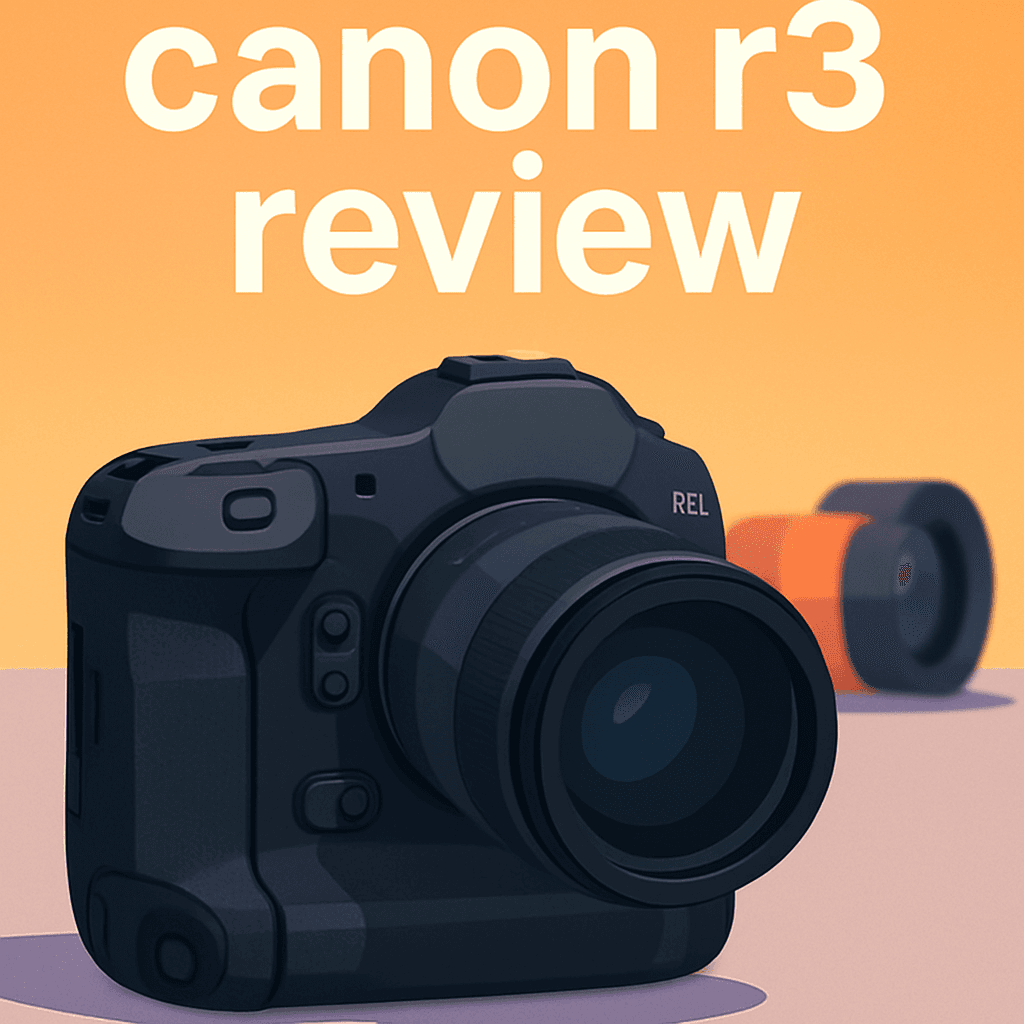
Canon EOS R3 Camera
Ultra-fast professional mirrorless engineered for action and low-light. Lightning-fast autofocus tracks subjects with precision, delivering high-frame-rate bursts, 6K video options, robust weather-sealed body and dependable ergonomics for intense shoots.
Check PriceThe Numbers You Need
| Spec | Value |
|---|---|
| Sensor | 24.1 MP back-illuminated stacked full-frame CMOS |
| Processor | DIGIC X image processor |
| ISO range | 100–102400 (expandable) |
| Continuous shooting (electronic) | Up to 30 fps |
| Continuous shooting (mechanical) | 12 fps |
| High-speed custom burst (firmware) | Up to 195 fps (limited to 50 shots) |
| Autofocus | Dual Pixel CMOS AF II with Eye-Control AF |
| Lens mount | RF/RF-S native; EF/EF-S compatible with adapter |
| Video | Up to 6K at 60 fps |
| Image stabilization | Up to 8 stops with supported lenses |
| Shutter speeds | Mechanical up to 1/8000 sec; electronic up to 1/64,000 sec |
| Viewfinder | 5.76-million-dot EVF with 100% coverage |
| Rear screen | 3.2″ fully articulated touchscreen |
| Body construction | Weather-sealed professional build with integrated vertical grip |
| Controls | Control Ring support for customizable adjustments |
How It’s Built
In my testing the Canon EOS R3 Camera feels like a true pro body — solid, purposeful, and built to take a beating. The materials and finish give you confidence when you sling it over a shoulder or toss it in a gear bag. That kind of build means less worry when you’re out in the field shooting under messy conditions.
It’s weather-sealed for dust and moisture, and I actually used it in light rain without panicking. For everyday work that means you can keep shooting when the sky turns sour or when sand kicks up on a trail. What I really liked was how reassuringly tough it feels in hand.
The integrated vertical grip is a real win for portrait work and long shoots — it fits naturally and reduces wrist strain. Controls are well placed and the textured grips keep the camera from sliding when you’re moving fast. One thing that could be better is the heft; it’s heavier than mirrorless models aimed at casual users, so expect more arm fatigue on long hikes.
The customizable Control Ring and button layout let you make quick adjustments without diving into menus, which is great for beginners learning their workflow. After using it for a while I trusted it on demanding jobs, and its design clearly follows Canon’s flagship line philosophy. It’s a camera that feels ready for real-world use from day one.
In Your Hands
Out in the field the R3 feels like a race-ready tool—its handling and shutter responsiveness let you hang on to decisive moments across long sequences. High-speed continuous shooting combined with a quick sensor readout translates into frames that are usable straight out of the camera, cutting down retakes and post-session salvage work. In practice you can chase birds, pucks, or game and come away with keepers, though the buffer will occasionally force you to pause after marathon bursts.
Autofocus is the camera’s real-world headline: tracking stays locked even when subjects cross chaotic backgrounds or dive in and out of frame, so fewer frames are spoiled by missed focus. The Eye-Control AF is more than a novelty—after a short calibration it becomes an instinctive way to jump focus, useful when you need to flip attention between subjects without hunting through menus. For editorial and assignment work that demands fast reflexes, that responsiveness changes how you shoot and how often you return with publishable images.
The electronic shutter behaves very well with fast motion, minimizing the skew and wobble you sometimes see when panning, and in-body stabilization teams with long lenses to make handheld shooting surprisingly practical even during long shooting days. Canon’s firmware options also expose extreme burst modes for specialized shots, but those modes are best reserved for short custom scenarios given their limited duration and purpose.
The Good and Bad
- Extremely accurate and fast autofocus tracking
- Very high-speed shooting capability with up to 30 fps electronic burst
- Solid, weather-sealed professional build with integrated vertical grip
- Innovative Eye-Control AF for intuitive subject selection
- Lower pixel count (24.1 MP) compared with higher-resolution competitors
- Buffer can fill frequently at highest FPS, especially when shooting RAW
Ideal Buyer
If you make a living shooting sports, motorsport, or any fast-action assignment, the Canon EOS R3 Camera is built for you. It sacrifices ultra-high megapixels in favor of speed, tracking, and rock-solid reliability. When missed frames cost money, this body delivers.
Wildlife photographers who need blistering continuous shooting and an autofocus system that stays locked on erratic subjects will find it invaluable. Eye-Control AF and Dual Pixel tracking make single-subject captures and split-second focus shifts intuitive. The weather-sealed build and integrated vertical grip also withstand long, rough field days.
Pro photojournalists and event shooters who need instant, dependable performance under pressure will appreciate the R3’s responsiveness. Fast readout, minimal rolling shutter, and a stout buffer management strategy help maintain the flow during long bursts. You still should plan for RAW buffer limits on extended 30 fps runs.
It’s not aimed at pixel peepers or casual shooters who prioritize resolution over speed; those users should consider higher-megapixel alternatives. But if your assignments demand relentless autofocus, high frame rates, and build quality that survives the job, the Canon EOS R3 Camera is an investment that pays off in decisive moments.
Better Alternatives?
We’ve gone through what makes the Canon EOS R3 great for fast action: the speed, the tracking, and the rock-solid build. But no single camera fits every shoot, so it helps to look at other bodies that trade some R3 strengths for different gains.
Below are three solid alternatives I’ve used in the field. I’ll point out where each one beats the R3, where it falls short, and what kind of shooter would pick it over Canon’s flagship.
Alternative 1:
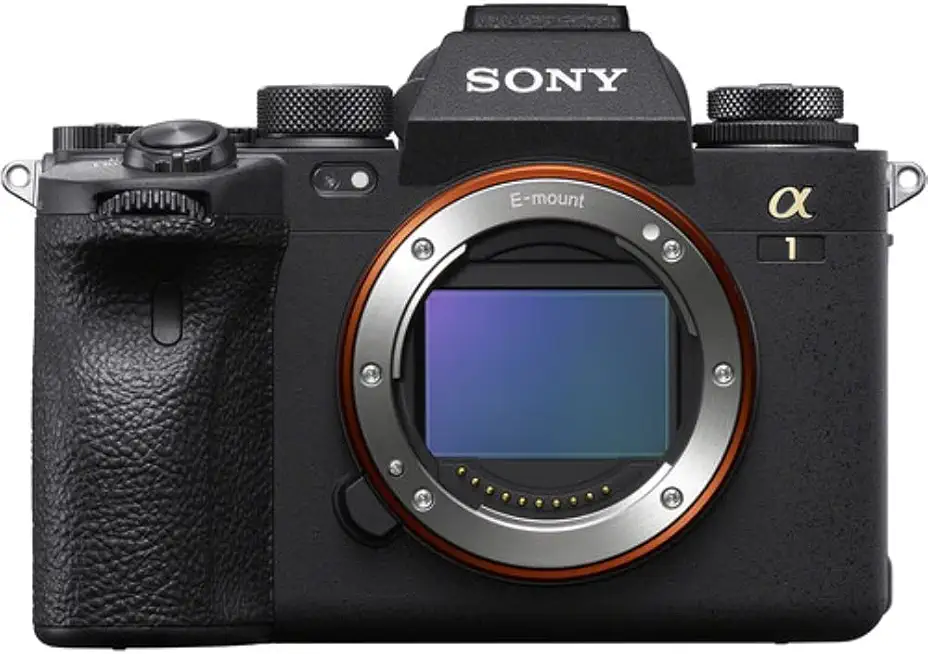
Sony Alpha 1 Camera
A true all-in-one powerhouse combining ultra-high resolution with blistering continuous shooting and advanced autofocus. Capture 8K video, wide dynamic range, and seamless workflow for demanding studio and travel assignments.
Check PriceI’ve shot sports and portraits with the Sony Alpha 1 and it shines when you need both very high detail and fast bursts. Compared to the R3, the Alpha 1 gives you noticeably more resolution for big prints and tight crops, and its buffer feels deeper for long runs. In real use you’ll see cleaner crops and a bit more flexibility in the studio or on assignment where detail matters.
Where it loses to the R3 is in day-long action work: the Sony can feel warmer in long bursts and the menus and controls aren’t as ergonomically tuned for one-handed, fast-focus work the way Canon’s body is. Its autofocus is excellent, but the R3’s feel and some of Canon’s tracking quirks can be easier to use when you’re flipping between portrait and landscape shooting quickly.
Pick the Alpha 1 if you need a true do-it-all camera: high-res stills, strong video, and long files for editors. If you’re a shooter who balances studio work with occasional sports and wants the biggest files possible, Sony is a great choice. If you need the specific handling and workflow of the R3, stick with Canon instead.
Alternative 2:

Nikon Z9 Camera
Built for professionals who need blackout-free shooting and reliable performance. Fast stacked sensor, industry-leading autofocus, long battery life, and rugged, weatherproof construction make it ideal for wildlife and sports.
Check PriceThe Nikon Z9 is a monster for field work. In my hands it felt rock solid for long days tracking animals or covering a full day of games. Compared with the R3, the Z9 often wins on battery life and day-long reliability — you can shoot longer without swapping batteries and the blackout-free viewfinder makes following moving subjects very natural.
On the flip side, the Z9’s menus and button layout will feel different if you’re used to Canon, and its handling in fast portrait-orientation work isn’t as integrated as the R3’s built-in vertical grip. I also noticed slight differences in color and skin tones compared to Canon; both are excellent, but they feel different in editing and client deliverables.
Choose the Z9 if you do long wildlife or sports days and want a camera that just keeps going. It’s a great fit for shooters who value battery life, a rugged body, and an EVF that makes tracking easy. If you prefer Canon color, handling, or Eye-Control features, then the R3 might still be the better pick.
Alternative 3:

Canon EOS R5 Camera
High-resolution hybrid capable of stunning stills and cinema-grade video. In-body stabilization, precise autofocus, and refined color science deliver sharp 45MP images and smooth 8K/4K capture for demanding creators.
Check PriceUsing the Canon R5 after the R3 feels familiar and comfortable — same color science and menu logic, but with much higher resolution. In shoots where I needed big, detailed files for prints or crops, the R5 delivered sharper final images than the R3. It’s a clear win for studio work, landscape, or any time you want the most detail possible.
Where the R5 loses ground to the R3 is in sustained action handling. The R3’s speed, tracking, and ergonomics for sports and wildlife feel more purpose-built; the R5 can’t match the same burst stamina and some of the R3’s action-focused controls. If you spend most of your time on fast-action assignments, you’ll notice the difference in the field.
Go with the R5 if you want Canon color, great video, and higher image resolution for clients or fine art. It’s the pick for hybrid shooters who need both stills and cinema-style video with lots of detail. If your main work is nonstop action and you need the hardest-hitting tracking and handling, the R3 still has the edge.
What People Ask Most
What sensor does it use?
A 24.1 MP back-illuminated stacked full-frame CMOS sensor.
What is the fastest continuous shooting speed?
Up to 30 fps with the electronic shutter and 12 fps with the mechanical shutter.
Can it shoot beyond standard specs?
Yes; a firmware update can enable up to 195 fps in certain custom scenarios, limited to 50 shots.
How does the autofocus perform?
Dual Pixel CMOS AF II with Eye-Control AF provides fast, accurate subject tracking.
What in-body stabilization does it offer?
Provides up to 8 stops of image stabilization when used with compatible RF lenses.
Is it suitable for both stills and video?
Yes; it delivers high-quality stills and video, including recording up to 6K at 60 fps.
Conclusion
The Canon EOS R3 Camera is unapologetically purpose-built for professionals who chase moving subjects in high-stakes environments in the field. It prioritizes fast, reliable capture and rock-solid handling over chasing headline megapixels.
Where it shines is immediate and unmistakable: autofocus that locks and follows, rapid capture, and a body that stands up to rough conditions. Eye-driven focus and intuitive controls make subject selection feel almost instinctive and surprisingly reliable. Video and stills are both capable, giving hybrid shooters real-world flexibility without compromise.
The compromises are equally clear and honest: this is not the choice for photographers whose primary need is very high-resolution detail. Working at the absolute top burst rates can expose buffer limits, which affects sustained RAW sequences and forces pacing. It is also a premium investment best justified by professional use, especially on deadline.
In short, the Canon EOS R3 Camera delivers decisive advantages for sports, wildlife, and action photographers who demand speed, tracking and durability. If your assignments require those strengths, it stands among the most effective tools you can carry, hands down. If ultimate resolution or uninterrupted long RAW runs are your priority, weigh other options instead for your workflow needs.
Canon EOS R3 Camera
Ultra-fast professional mirrorless engineered for action and low-light. Lightning-fast autofocus tracks subjects with precision, delivering high-frame-rate bursts, 6K video options, robust weather-sealed body and dependable ergonomics for intense shoots.
Check Price




0 Comments