
Want to level up both your stills and cinema work with one body?
The Canon EOS R5 C Camera promises that balance, and I’ve taken it into real shoots to test how it behaves under real pressure.
It’s aimed at hybrid pros who need high‑resolution stills, cinema‑grade RAW, fast subject detection and active cooling for long takes. Make sure to read the entire review — keep reading.

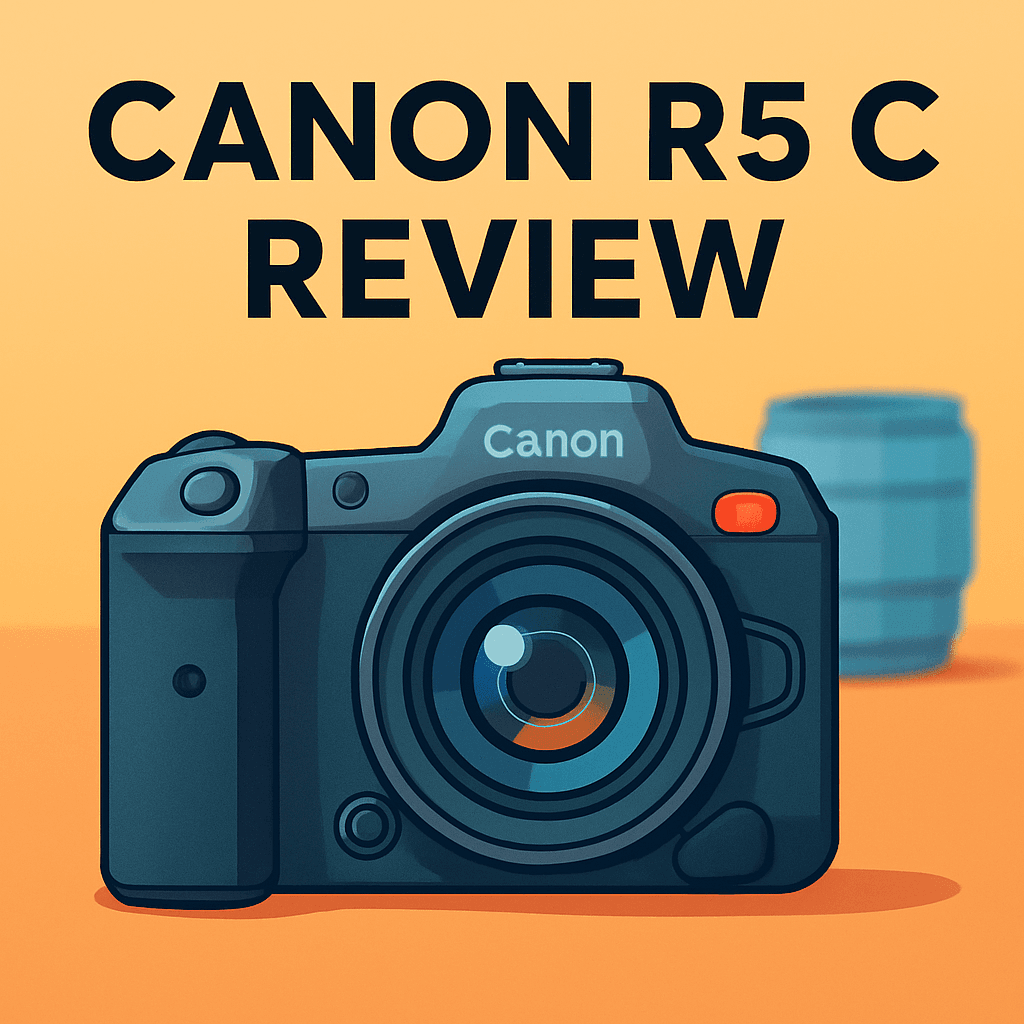
Canon EOS R5 C Camera
Hybrid 8K-capable full-frame solution combining high-resolution stills and cinema-grade video, with efficient heat management, professional codecs, advanced color science, and versatile mounting—ideal for run-and-gun filmmakers and studio shooters.
Check PriceThe Numbers You Need
| Spec | Value |
|---|---|
| Sensor | 45 MP full-frame CMOS |
| 8K video | Internal 8K RAW up to 60 fps |
| 4K video | 4K up to 120 fps (oversampled from 8K) |
| Autofocus | Dual Pixel CMOS AF II, 1,053 AF points |
| Subject detection | Human, animal, and vehicle detection |
| In-body stabilization | 5-axis IBIS |
| Lens mount | Canon RF |
| EVF | 5.76M-dot OLED (with EOS R5-style features) |
| LCD | 3.2″ vari-angle touchscreen, 2.1M dots |
| Card slots | CFexpress Type B + SD UHS-II |
| Active cooling | Yes (for extended recording) |
| Recording formats | Cinema RAW Light, ALL-I, IPB; HDR PQ/HLG |
How It’s Built
In my testing the Canon EOS R5 C’s RF mount felt like a real advantage for anyone already invested in Canon glass. Adapting older lenses is straightforward if you have to, and that lens ecosystem means you can build a pro kit without weird compromises. For beginners that means lots of great lens choices as you grow.
The electronic viewfinder is a joy to use for long days. I found the image inside it very clear and the eyepiece comfortable, so framing and tracking subjects never felt fatiguing. That kind of comfort matters when you’re switching between stills and long takes.
The vari-angle touchscreen is flexible and works well for low and high angles, and the touch response was solid for both photos and video. One thing I really liked was how easy it made getting creative angles without a tripod. One thing that could be better is visibility in really harsh direct sun — you’ll want a hood or an assistant shading the screen on bright days.
The dual card slots make life on set simpler; I used the faster slot for primary files and the SD slot for backups or proxies. That setup keeps media organized and gives a clear workflow for delivery and archiving without extra fuss.
Build and ergonomics feel thoughtfully done with a firm grip and well-placed buttons that switch modes smoothly. The active cooling gives real confidence for long recordings, but it does add size and a bit of fan noise in quiet rooms. The body takes cages and top handles well, so rigging up for pro shoots is painless.
In Your Hands
The stills output from the Canon EOS R5 C feels like a pro camera built for commercial work: files carry a generous amount of detail and give you comfortable room to crop without feeling compromised. Dynamic range and color rendering—especially for skin tones—hold up through editorial and client-heavy retouching, and the RAW files tolerate bold exposure lifts without falling apart.
Autofocus is one of the camera’s most dependable traits in the field, with dense AF coverage and robust subject detection for people, animals, and vehicles. Tracking stayed sticky through mixed-light and backlit situations, and re‑acquisition when subjects crossed obstacles was quick enough to keep handheld run‑and‑gun shoots moving.
In-body stabilization smooths handheld work noticeably, translating to steadier walking shots and calm micro‑motion for talking heads even with non-stabilized glass. It won’t replace a gimbal for aggressive movement, but it makes single-operator setups far more practical and reduces the need for constant stabilization patches in post.
Video-wise the camera shines where detail and post latitude matter: ultra-high-resolution RAW delivers rich grades and crisp b‑roll, while the oversampled 4K slow-motion mode keeps texture and cadence pleasing for commercial work. The active cooling lets you think in terms of long takes, though the body’s ventilation and ambient fan noise are factors to manage during quiet interviews.
Monitoring and control feel thoughtful on set: the EVF and articulating touchscreen stay usable in bright conditions, and tools like peaking and zebras are straightforward to employ on tight schedules. Menu layers can be deep, but once you map critical items to custom controls the camera responds quickly in fast setups.
For real shoots I leaned on fast CFexpress media for high‑bitrate RAW and used SD cards for proxies and overflow; that balance kept ingest and edit timelines moving without constant card juggling. In an interview/doc workflow the R5 C gave me cinematic framing and reliable AF, but you’ll want a tested media and power plan to avoid workflow friction on long days.
The Good and Bad
- 45 MP full‑frame sensor for high‑resolution stills
- Internal 8K RAW up to 60fps for maximum image latitude
- 4K up to 120fps oversampled from 8K for detailed slow motion
- Active cooling supports extended recording sessions
- Increased size and fan audibility due to active cooling
- High storage and battery demands for 8K RAW workflows
Ideal Buyer
The Canon EOS R5 C Camera is built for storytellers who demand cinema‑grade capture without surrendering stills quality. If your deliverables include internal 8K RAW, oversampled 4K at high frame rates, or lengthy interview and commercial takes, this body gives you the codec flexibility and thermal confidence to finish the job.
This camera suits hybrid shooters who switch between portrait sessions and narrative shoots in the same day. Dual Pixel AF with subject detection makes handoffs between photography and motion smoother, and the RF mount plugs you into Canon’s modern glass for a consistent look across projects.
It’s also ideal for small crews and solo operators who need professional video features — timecode, pro codecs, and active cooling — in a compact rig. Expect to invest in fast cards, ample storage, and a solid post pipeline; buyers comfortable with heavier media and grading workloads will reap the rewards.
If your work is pure stills or you prioritize whisper‑quiet, ultra‑lightweight run‑and‑gun shooting, you might prefer a photographer‑centric flagship instead. For anyone balancing high‑end video deliverables with commercial stills, the R5 C is a smart, production‑ready choice.
Better Alternatives?
We’ve gone deep on the Canon R5 C — what it does well for both stills and cinema, and where it forces tradeoffs on things like cooling, handling, and workflow. If you liked the R5 C’s image quality and video features but want a different balance of speed, handling, or battery life, there are a few cameras I’ve used that change the tradeoffs in real shoots.
Below are three real-world alternatives I’ve shot with. I’ll point out where each one clearly beats the R5 C, where it falls short, and what kind of shooter would pick it over Canon’s hybrid cine body.
Alternative 1:

Nikon Z9 Camera
Ultra-fast flagship mirrorless engineered for sports and wildlife, delivering high-resolution images, blackout-free electronic viewfinder, reliable autofocus tracking, robust weather-sealed body, and extended battery life for relentless shooting.
Check PriceI’ve used the Z9 on long sports and wildlife days and it shines where the R5 C feels a bit strained: battery life, heat confidence, and continuous shooting. The Z9 keeps shooting and tracking for hours without needing to babysit files or worry about fan noise, so for run-and-gun action work it’s simply more dependable than the R5 C in the field.
Where the Z9 loses to the R5 C is in cinema convenience and raw workflow. The R5 C’s cinema features — the way it handles timecode, audio options, and internal RAW for long takes — are more plug-and-play for a video team. Nikon gives you solid video quality, but you’ll miss some of the R5 C’s cinema-focused tools and the color/look workflow many video editors expect from Canon.
If you mostly shoot sports, wildlife, or long handheld days and you want worry-free battery life and tracking, the Z9 is the pick. If your work is heavy on long-form internal RAW takes or you need Canon’s cinema toolset, you’ll likely stick with the R5 C instead.
Alternative 2:
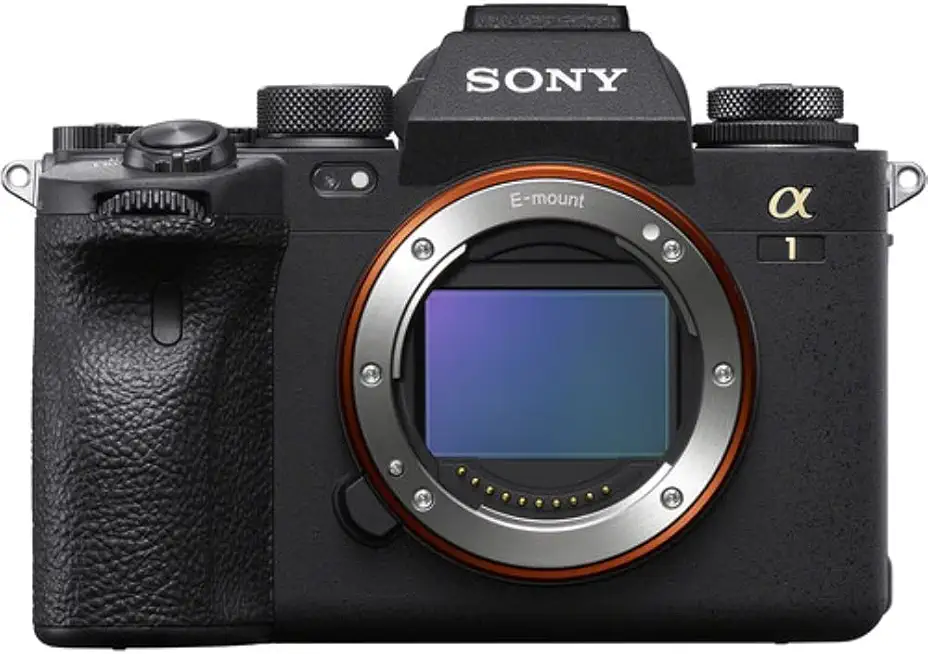
Sony Alpha 1 Camera
Breakneck performance with high-megapixel stills and cinema-grade video, achieving ultra-fast continuous shooting, precise autofocus, professional media throughput, and a responsive EVF for demanding commercial and editorial assignments.
Check PriceI use the Alpha 1 when I need the fastest bursts and rock-solid autofocus for editorial or commercial stills. In practice it outpaces the R5 C for stills work — faster frame rates, great AF, and IBIS that gives steadier handheld shots. It’s more comfortable to carry all day and I waste less time re-shooting missed moments.
For video, the A1 gives excellent clips, but it isn’t built as a cinema tool in the same way the R5 C is. The R5 C’s fan and cinema workflow mean it can handle long internal RAW recordings and pro audio setups more smoothly. The Sony is brilliant for short, high-quality clips and mixed jobs, but for planned long takes and studio cinema work the R5 C is the more obvious video-first choice.
If you’re a photographer who also needs occasional high-quality video, or you do fast-paced editorial shoots where burst speed and IBIS matter, pick the A1. If your projects are long-form cinema or need Canon-native RAW and timecode workflows, the R5 C will still serve those better.
Alternative 3:
Sony Alpha 1 Camera
Versatile powerhouse blending exceptional resolution with blistering speed, superb low-light sensitivity, refined image stabilization, dual card flexibility, and professional connectivity to streamline high-volume studio or location workflows.
Check PriceThink of the A1 again but from a different angle: in controlled studio or high-volume editorial work it’s a real workhorse. The image files are clean, the AF rarely misses, and the IBIS plus good lens choices let me handhold in lower light that would make the R5 C a bit more awkward if you relied on long takes and no gimbal.
The downside versus the R5 C in this use is the lack of some cinema comforts — the Sony doesn’t offer the same out-of-the-box XLR/timecode options or the same assured long-duration internal RAW recording. That matters on film sets or long interviews where uninterrupted recording and cinema connections are part of the job, and that’s where the R5 C keeps the advantage.
So choose this Sony setup if your work is stills-heavy or mixed editorial/studio jobs where speed, low-light handholding, and steady AF are top priorities. If your projects are cinema-centric with long continuous takes or need Canon’s cinema pipeline, the R5 C will still be the better fit.
What People Ask Most
Is the Canon R5 C worth buying?
Yes — if you shoot a lot of video and need cinema features and long 8K recording, it’s a strong buy; if you mainly shoot stills, the R5 is probably a better fit.
How does the Canon R5 C compare to the Canon R5?
The R5 C is a video-first version with active cooling and pro codecs for long 8K shoots, while the R5 is a stronger all-around hybrid with IBIS and better stills ergonomics.
Does the Canon R5 C overheat during recording?
Not in the way the R5 does — the internal fan prevents thermal shutdown for extended 8K recording, though the body will still run warm.
Is the Canon R5 C good for video production?
Yes — it’s built for professional video work with cinema features, pro codecs, timecode support and continuous recording capability.
Can the Canon R5 C shoot 8K and what codecs/resolutions does it support?
Yes — it records internal 8K (up to 60p depending on settings) and supports Cinema RAW Light, XF-AVC and MP4 formats across multiple bitrates and frame rates.
Does the Canon R5 C have in-body image stabilization (IBIS)?
No — the R5 C lacks IBIS, so plan to use stabilized lenses, gimbals or other stabilization for handheld work.
Conclusion
The Canon EOS R5 C is a purpose‑built tool that delivers the cinematic goods when you need them: internal RAW capture and oversampled high‑frame‑rate 4K give you image latitude and slow‑motion detail that genuinely elevate professional deliverables. Its autofocus and long‑take confidence from active cooling make it a camera you can depend on in real productions. This is not a vague hybrid — it’s a leaning‑in cinema body with serious stills chops.
That focus brings trade‑offs. The cooling, I/O and media demands add size, noise and a heavier workflow footprint that will bother run‑and‑gun shooters and anyone counting quiet rooms or battery endurance. Expect steeper storage and edit costs, plus a menu and file strategy that reward planning and discipline.
If your day is long‑form interviews, branded spots, or mixed pro shoots where continuous RAW and reliable AF matter, the R5 C outclasses more photographer‑centric hybrids. If stills are your priority, or you need the lightest, most stabilized grab‑and‑go setup, a dedicated stills flagship will likely serve you better.
Recommendation: yes, for cine‑minded professionals who value internal RAW and long recording windows; no, for shooters who prioritize ultimate portability, battery life and silence; it depends, for hybrids who can accept heavier logistics in exchange for cinematic flexibility. For the right workflow, the R5 C is a compelling, purpose‑built choice.
Canon EOS R5 C Camera
Hybrid 8K-capable full-frame solution combining high-resolution stills and cinema-grade video, with efficient heat management, professional codecs, advanced color science, and versatile mounting—ideal for run-and-gun filmmakers and studio shooters.
Check Price



0 Comments