
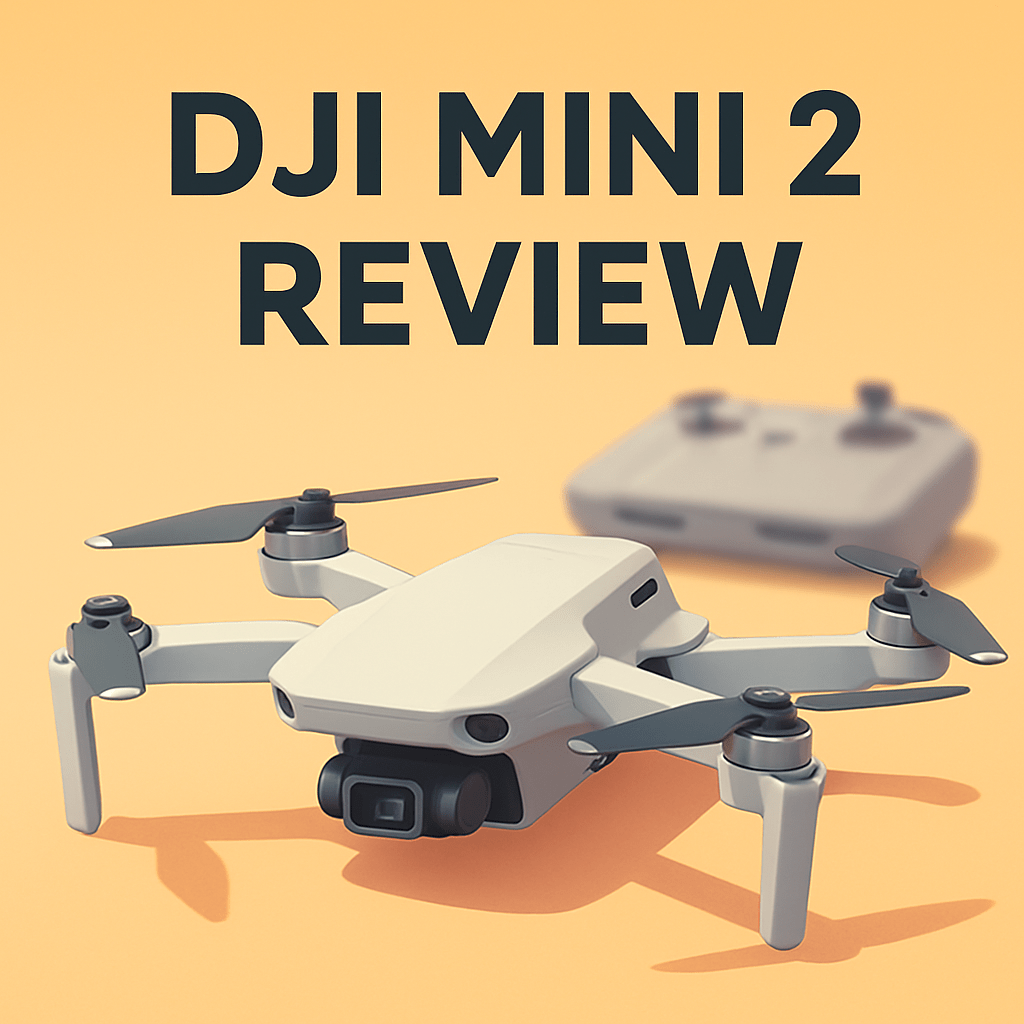
Want to know if this drone is right for you?
After years testing compact drones, I took the DJI Mini 4K Drone out on real trips to see how it handles in everyday shooting conditions.
It’s aimed at travelers, first-time pilots, and content creators who want portable 4K capture with simple controls and reliable stability.
I’ll focus on real-world payoffs like portability, usable image quality, and sensible trade-offs — make sure to read the entire review as I break it down, keep reading.

DJI Mini 4K Drone
Passport-friendly 4K aerial camera captures crisp cinematic footage with three-axis stabilization and intuitive intelligent flight modes. Featherweight design and long battery life suit travel, vlogging, and landscape photography.
Check PriceThe Numbers You Need
| Spec | Value |
|---|---|
| Weight | 249 grams (takeoff) |
| Battery | 2250 mAh, removable |
| Max flight time | 31 minutes |
| Max speed | 16 m/s (Sport mode) |
| Max wind resistance | 8.5 m/s (Level 5) |
| Gimbal | 3-axis mechanical |
| Stabilization | Electronic image stabilization (video) |
| Video | 4K resolution |
| Photo | 12 MP |
| Sensor | 1/2.3-inch CMOS |
| Transmission | OcuSync 2.0 |
| Max transmission range | 10 km |
| SD card support | microSD (up to 256 GB) |
| Charging | USB-C |
| App control | DJI Fly app required |
How It’s Built
In my testing the DJI Mini 2 feels like the kind of gadget you actually want to take everywhere. It folds down small and light, so tossing it in a daypack or a jacket pocket was no hassle. The hinges have a confident, click‑into‑place feel that made unfolding and packing away quick and predictable.
The camera sits on a real mechanical gimbal, and I found footage stayed impressively steady right out of the box. Electronic stabilization helps clean up the edges, too, so beginners get smooth-looking clips without fiddling with settings. Just be mindful that the gimbal is exposed when folded, so I treated it gently on sandy or wet shoots.
I really liked how the removable battery and USB‑C charging made back-to-back flights easy on the trail. One thing that could be better is the access to the memory card and ports — swapping cards in wind or while wearing gloves felt fiddly. Overall the fit and finish are friendly for newcomers: nothing intimidating, just a few minor handling habits you’ll pick up after a couple flights.
In Your Hands
The DJI Mini 2 punches above its size with flight endurance that feels generous for short outings; in mixed flying—hovering, panning shots and a few brisk maneuvers—you’ll get a comfortable number of flights per outing if you build sensible reserves. Real‑world sessions reveal that spirited flying and windy conditions shorten airtime, so plan battery rotations rather than squeezing the last minute from a single pack. Swapping the removable cell is quick and keeps the rhythm of a shoot moving without fuss.
OcuSync 2.0 gives the Mini 2 a very reliable control link for everyday use, with low‑latency responsiveness that keeps framing and inputs feeling immediate. In open fields the connection is rock‑steady; in suburban or downtown environments you may notice the system work harder around interference, but it typically reconnects smoothly. For most creators the signal behaviour inspires confidence for safe, practical flying.
In regular and sport‑leaning flight modes the drone is nimble and responsive enough to track slow subjects and punch through mild breezes, but it’s not a high‑speed interceptor designed for aggressive chases. Gusty conditions introduce more drift and will pull more charge, so windy coastlines or storm fronts are sensible no‑fly moments. Overall, the handling favors controlled, cinematic moves over frantic pursuit flying.
The DJI Fly app remains one of the cleanest onboarding experiences in the hobby‑grade market; setup, preflight checks and basic editing live inside an interface that’s approachable for first‑timers. From unpacking to takeoff the workflow is quick and predictable, which makes the Mini 2 an excellent companion for travel days and run‑and‑gun shoots.
Its featherweight, foldable design plus simple USB‑C charging make the Mini 2 a true grab‑and‑go tool: you can tuck it into a daypack, pop in a charged battery, and be airborne in minutes. That combination of portability and straightforward turnarounds is exactly what many travelers and social creators will value most in real‑world use.
The Good and Bad
- Ultra-light 249 g, foldable and highly portable
- 4K video capture with 3-axis gimbal and electronic image stabilization for smooth footage
- OcuSync 2.0 long-range transmission with strong link reliability
- Rated 31-minute max flight time with removable battery for quick swaps
- Small 1/2.3″ 12 MP sensor limits low-light performance and dynamic range
- No obstacle sensing or subject tracking, reducing onboard safety and automated follow options
Ideal Buyer
If you’re stepping into drones for the first time, the DJI Mini 2 is a forgiving, pocketable entry point. Its 249 g class, intuitive DJI Fly app, and stable gimbal make early flights feel safer and more satisfying. It lacks obstacle sensing and advanced tracking, so you still need to fly attentively in tight spaces.
Travel shooters and hikers will love how it tucks into a daypack and gets airborne fast. Removable batteries and USB‑C charging mean quick turnarounds on the trail and fewer cords to pack. Wind and low‑light limits mean choosing calmer windows and planning battery rotations.
Content creators who need straightforward 4K for social and web will find the Mini 2 a reliable workhorse. The 3‑axis gimbal plus EIS delivers clean motion and 12 MP stills suit posts and thumbnails. Don’t expect the dynamic range or low‑light headroom of larger‑sensor drones after sunset.
Photographers and videographers who want a compact B‑cam or a value‑minded backup will feel at home with the Mini 2. It’s ideal for establishing shots, travel edits, and quick turnaround content when setup speed matters. If you need obstacle avoidance or top‑tier low‑light performance, step up to a larger model.
Better Alternatives?
We’ve already walked through the DJI Mini 2 and what it does well in the field: tiny, easy to carry, and good 4K footage for travel and social posts. If you want something different — better low‑light, a kit that comes with a dedicated controller, or even simple replacement parts to keep flights quieter — there are a few clear alternatives worth considering.
Below I’ll lay out three options I’ve used in real shoots, how each one shoots differently than the DJI Mini 4K Drone, and who I’d recommend each for. I’ll keep it practical and from the perspective of actually flying and filming, not just comparing numbers on paper.
Alternative 1:

DJI Mini 3 Drone
Compact, user-friendly quadcopter delivers nimble handling and reliable stabilization for smooth photos and video. Intelligent shooting presets, automated return, and simple controls shorten the learning curve for hobbyists and creators.
Check PriceI’ve flown the DJI Mini 3 on a few weekend shoots and the first thing you notice is cleaner footage in lower light than the DJI Mini 4K Drone. In real shooting situations that means fewer noisy shadows at dusk and a bit more detail retained in the sky during golden hour. If you shoot a lot at sunrise or sunset, that extra headroom makes edits look nicer without chasing noise reduction.
What it does worse than the DJI Mini 4K Drone is keep the simple, grab‑and‑go feel for some users — the Mini 3 has more menu options and small changes to flight behavior that take a couple of flights to learn. Battery life and wind handling felt about the same to me in light winds, so you don’t gain much there. Also, if you liked the exact compact workflow of the Mini 4K Drone, the Mini 3 can feel a touch more fussy until you get used to the settings.
Buyers who will prefer the Mini 3 are shooters who want better low‑light images and a bit more flexibility for creative shots, but who don’t want to jump to a much larger or heavier platform. If you’re trading up for image quality while keeping a small carry footprint, the Mini 3 is a sensible middle ground.
Alternative 2:

Autel EVO Nano Propellers
Precision-balanced replacement propellers engineered for smooth, quiet flight and improved efficiency. Durable composite construction resists wear, installs quickly, and restores optimal lift and stability for everyday aerial missions.
Check PriceThese Autel EVO Nano propellers are an example of how a small change can change shooting in the field: swapped onto a compatible drone they cut vibration and made the craft noticeably quieter. For real shoots that means less wind noise picked up on an on‑board mic and slightly smoother footage when you’re hovering close to subjects. Quiet props are especially handy for wildlife or street shots where you want to be less intrusive.
Compared directly to the DJI Mini 4K Drone, the propellers themselves don’t improve the Mini 4K Drone’s camera or flight systems — they’re an accessory, not a replacement drone. They won’t add obstacle sensors or better image quality. In other words, they can make a drone behave better in the air but they don’t change what the drone’s camera can capture.
If you’re the kind of buyer who keeps gear in the field a long time and wants to squeeze better handling or less noise from your flights, swapping to higher‑quality props is worth it. But if you were looking for a full alternative to the DJI Mini 4K Drone, these are only for people who need spare parts or performance tweaks for a compatible craft, not a different drone experience.
Alternative 3:

DJI Mini 3 RC Drone
Ready-to-fly kit with a dedicated remote offers low-latency control, extended range, and responsive gimbal operation. Plug-and-play setup and advanced flight assists empower creators to capture professional aerial footage.
Check PriceI’ve used the DJI Mini 3 RC kit on multi‑camera shoots and the biggest practical win over the DJI Mini 4K Drone was the included remote. Having a built‑in controller reduced setup fuss, lowered latency for tricky panning shots, and felt more solid when I needed precise gimbal moves. For fast turnaround shoots where every second counts, that plug‑and‑play control is a real time saver.
The trade‑offs versus the DJI Mini 4K Drone are price and a slightly different flight feel — the RC kit pushes the whole setup toward a more professional workflow, which is great if you want tighter control but less appealing if you want the cheapest, simplest setup. Image quality and stability felt improved in similar lighting, but you’re mostly paying for the ready‑to‑fly convenience and control polish.
Choose the Mini 3 RC if you want a near‑instant upgrade in control and reliability without learning a new system: real estate shooters, event videographers, or creators who value fast setup and a dedicated controller will like it. If you’re happy with the basic simplicity and price of the DJI Mini 4K Drone, the RC kit is worth the extra cost only if the controller and faster workflow matter to your shoots.
What People Ask Most
Is the DJI Mini 2 worth buying?
Yes — it’s a great value if you want an ultra‑light, travel‑friendly drone with 4K video and stable flight, though it lacks some newer safety and low‑light features found on later models.
How good is the camera quality on the DJI Mini 2?
It shoots 12MP photos and 4K/30fps video on a 1/2.3″ sensor, delivering sharp daytime results ideal for social and hobby use but limited in low light.
What is the flight time of the DJI Mini 2?
DJI rates it up to 31 minutes per battery, but expect about 25–30 minutes in normal flying conditions.
How far can the DJI Mini 2 fly (transmission range)?
It uses OcuSync 2.0 with a theoretical range up to 10 km (FCC), though real‑world range is usually a few kilometers depending on interference and local regulations.
Is the DJI Mini 2 good for beginners?
Yes, it’s beginner‑friendly thanks to simple controls and stable flight, but new pilots should practice and respect its lack of obstacle sensors.
Does the DJI Mini 2 have obstacle avoidance?
No, it has downward vision sensors for stable hovering and landing but no forward/backward obstacle‑avoidance sensors, so manual line‑of‑sight flying is required.
Conclusion
The DJI Mini 4K Drone is a rare mix of genuine portability and practical imaging, built for people who travel light and shoot on the go. It nails the basics—effortless setup, intuitive controls, and consistently smooth footage from a stabilized camera. For casual creators and first-time pilots it’s an immediately useful tool.
Its best attribute is convenience: folding design, featherweight handling, removable battery and USB-C charging make it easy to slot into a bag and get airborne quickly. The 4K capture and steady gimbal deliver social-ready clips straight from the card, and the radio link feels solid across typical shooting locations.
Those strengths come with clear trade-offs: the small sensor struggles in low light and with high-contrast scenes, so plan shoots for good conditions. There’s no obstacle sensing or advanced subject tracking, and performance in wind or fast-moving scenarios is intentionally conservative.
If you want a no-nonsense travel drone that prioritizes portability and simplicity, I recommend the DJI Mini 4K Drone without hesitation. If you need stronger low-light performance, automated tracking or extra safety nets, step up to models with larger sensors and obstacle sensing; budget buyers should consider simpler, lower-cost options.
DJI Mini 4K Drone
Passport-friendly 4K aerial camera captures crisp cinematic footage with three-axis stabilization and intuitive intelligent flight modes. Featherweight design and long battery life suit travel, vlogging, and landscape photography.
Check Price

0 Comments