
You hate worrying your kit might be stolen, soaked, or smashed during a shoot. You’re probably asking how much is camera insurance and what you’ll actually get. You’ll also want clear answers, not guesswork.
This guide breaks down typical price ranges, core coverage types, and common exclusions. You’ll learn how to avoid claim headaches and protect your kit without overpaying. We’ll compare homeowner riders, standalone policies, and pro bundles so you know which suits your needs.
We’ll debunk one big myth about homeowners or renters policies and accidental damage. You’ll also be surprised that some standalone plans cost only a few dollars a month. We’ll also cover how premiums change with value, location, and claim history.
If you’re a weekend hobbyist, a pro with clients, or someone who travels with kit, this is for you. keep reading because the fix is simpler than you think.
What Is Camera Insurance?
Camera insurance is a policy that protects your gear against specific misfortunes. Think theft, accidental drops or spills, power surges, vandalism, and sometimes water ingress from rain or splashes.
Every policy starts with definitions. Accidental damage means unintentional harm; theft means unlawful taking; vandalism means malicious damage. These terms matter because they determine when a claim is valid.
Exclusions are equally important. Wear and tear, intentional damage, and unapproved modifications typically aren’t covered. Homeowners or renters policies often exclude accidental damage and carry higher deductibles.
I treat camera insurance as a dedicated safety net. If you need a primer before comparing quotes, skim the common types of camera insurance to learn which protections fit your kit.
Typical Cost Ranges by Coverage Type
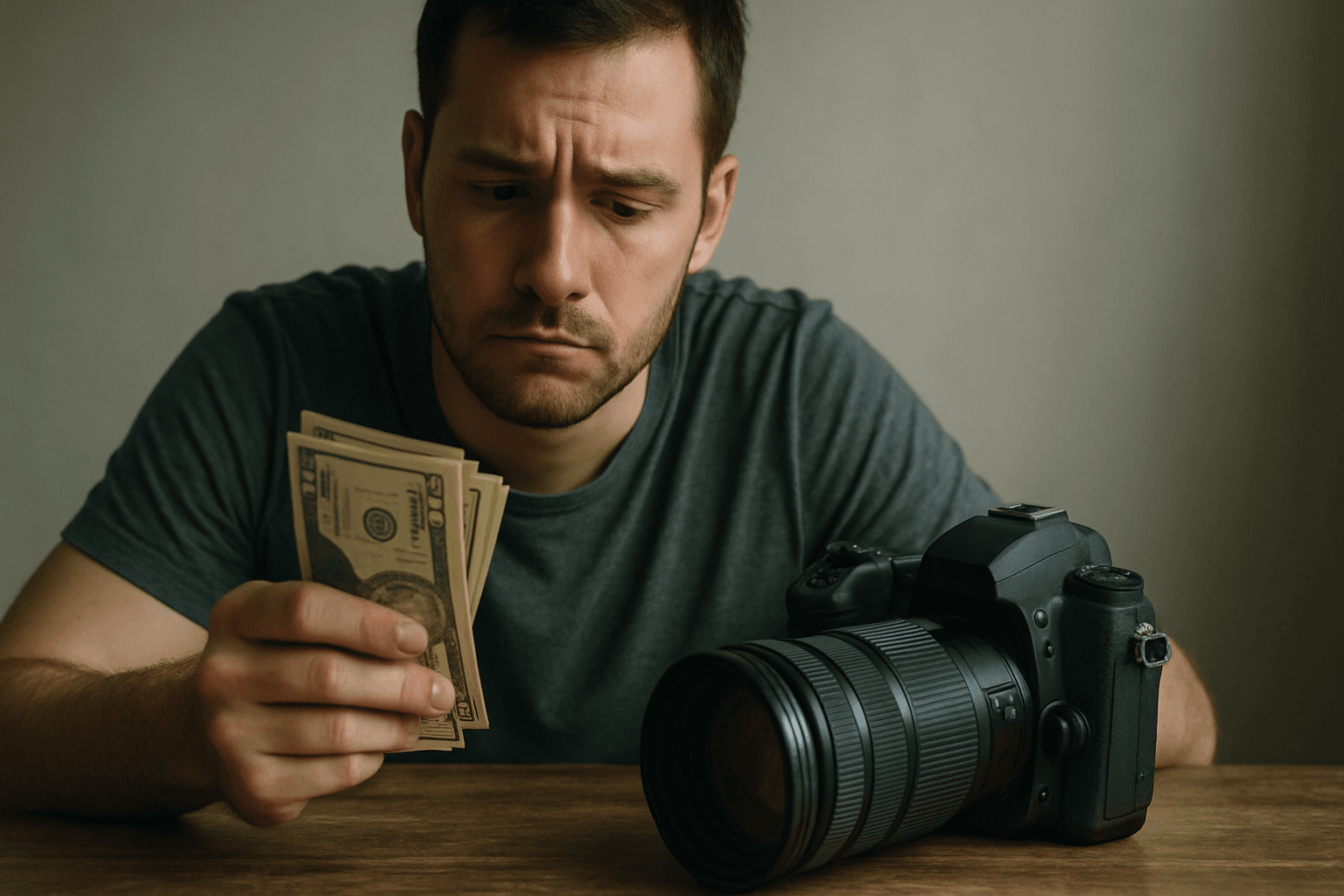
You’re likely wondering, how much is camera insurance for your setup. Dedicated equipment policies can start at a few dollars a month for very small schedules. Hobbyist plans often average $100–$300 per year.
Comprehensive professional policies usually exceed $500 annually, especially with higher coverage limits. The more gear you insure, the more the premium rises, because you’re transferring more risk to the insurer.
Here’s a concrete example I always share. Progressive quotes have appeared as low as $2.75 per month to cover $199 of gear with a $50 deductible, illustrating how premiums scale with value.
When friends ask, “how much is camera insurance for me,” I remind them location and risk profile matter. City shooting, frequent travel, or a prior claim can push premiums up quickly.
Hobbyist vs. Professional: Cost and Coverage Differences
Hobbyists usually want equipment-only coverage or a basic standalone policy. It’s affordable, flexible, and ideal if you shoot weekends, travel occasionally, and don’t invite clients onto sets.
Professionals need broader protection. I pair gear coverage with general liability, typically $1–2 million per occurrence, and professional indemnity for mistakes that cause client losses.
Pro costs vary with business size and revenue. A freelancer might spend a few hundred dollars more annually than a hobbyist, while studios with staff and sets budget substantially higher.
Shopping around helps. I’ve compared quotes across reputable camera insurance providers, and bundling gear with liability often yielded better value for my client-facing work.
What Affects Your Premium
Insured value is the big lever. A $2,000 camera costs less to insure than a $15,000 kit bag. Add high-end lenses and lights, and the policy adjusts to match replacement cost.
Where you live and shoot shapes risk. Dense urban areas with higher theft rates, frequent travel, and crowded venues generally translate to higher premiums and stricter claim scrutiny.
Claim history and deductibles also matter. A clean record and a higher deductible can reduce costs. Choose a number you can comfortably pay out-of-pocket if something goes wrong.
Sensor specs, IBIS, or weather sealing don’t directly lower premiums. Insurers price the overall risk and value, not features. Good habits, however, can prevent claims and keep rates steady.
Standalone Policy vs. Homeowners/Renters Rider vs. Bundled Business Policy
I separate these by how I shoot. Standalone policies are tailored for cameras and lenses, with accidental damage and theft built-in, and deductibles that make sense for small claims.
Homeowners or renters policies cover named perils like fire and theft, but they often exclude accidental drops. Deductibles can be high, making small claims uneconomical or impractical.
A rider or endorsement can close some gaps on a home policy. You’ll list gear items, add accidental coverage in many cases, and set sub-limits that better reflect your actual kit.
When client work enters the picture, I move to bundled business policies. They add liability and optional workers’ comp, streamlining certificates of insurance for venues and productions.
How a Rider/Endorsement Works
A rider is an add-on to your existing homeowners or renters policy. It schedules your camera gear by item and value, expands coverage, and raises the total premium accordingly.
It reduces gaps but doesn’t erase all limits. Policy-level caps and your home policy’s deductible may still apply, so read the fine print and confirm accidental damage is explicitly covered.
Global Options and Regional Differences
Most price guides skew American, but the UK and EU have strong options. Providers like Eversure and The Insurance Emporium offer global coverage and flexible deductibles for travelers.
Check how claims are settled locally. Some markets favor “new for old” replacement, while others stick to actual cash value, which deducts depreciation from your final payout.
If you’re comparing international policies, review currency, shipping times, and repair networks. I’ve seen delays when parts must cross borders or when serial numbers don’t match invoices.
For a broader shopping view beyond the US, I cross-reference the best camera insurance roundups, then verify terms directly with the insurer.
Claim Process, Documentation, and Typical Payouts
Claims run smoother when your paperwork is ready. I maintain receipts, serial-numbered photos, and a dated inventory. For theft, file a police report immediately and attach the number.
Insurers usually ask for repair estimates or service center diagnostics. If something’s beyond repair, they’ll request a replacement quote to value the claim accurately and fairly.
Payouts depend on your policy. Replacement cost reimburses what it takes to buy new today. Actual cash value subtracts depreciation, leading to lower checks for older gear.
Some insurers offer “new for old” on listed items, which I prefer for workhorse cameras. It speeds replacement and keeps shoots on schedule without a budget scramble.
Real-World Case Studies & Claim Outcomes to Include
Theft at a café: a backpack disappeared during a quick restroom break. I provided receipts, serial photos, and a police report within 24 hours. Replacement-cost policy paid full value in 10 days.
Water damage on a river shoot: a lens swallowed a wave. A repair assessment deemed it unserviceable. With accidental damage covered, the insurer paid replacement minus my $250 deductible in two weeks.
Liability incident on set: a light stand tipped and scratched a client’s antique table. General liability covered the repair bill after photos, invoices, and a statement. Resolution took three weeks.
Cost example: Canon EOS R5 with RF 24–70mm f/2.8. Friends ask, “how much is camera insurance for that?” I’ve seen standalone quotes around $10–$30 per month, depending on deductible and location.
Manufacturer/Extended Warranties vs. Insurance
Warranties protect against defects and manufacturing faults, not theft or mishaps. If a shutter fails prematurely, a warranty helps; if you drop a lens, insurance is your backup.
Extended warranties add time and sometimes accidental handling, but they rarely cover loss or theft. I treat them as repair plans, not financial protection for worst-case scenarios.
Manufacturers may publish business best practices, yet they don’t assume your liability. For client work, third-party policies remain essential to cover property damage and bodily injury.
In short, warranties keep gear running; insurance replaces gear or pays others when things go wrong. That distinction saves headaches when deadlines loom and budgets are tight.
Practical Steps to Insure and Manage Risk
Before shopping, I build a living inventory. I log serials, purchase dates, and prices, then photograph each item. Cloud backups make this lifesaver accessible from anywhere.
To keep premiums in check, I harden my routine. Bag locks, discreet straps, and quiet packing reduce risk. Good habits won’t change rates directly, but they prevent claims.
- Create a serial-numbered inventory with receipts and photos.
- Choose coverage limits and a deductible you can afford.
- Update your policy after upgrades or sales to stay accurate.
- Add international coverage if you travel with your kit.
Finally, get multiple quotes and compare wording side by side. When someone asks, “how much is camera insurance,” the honest answer is, it depends—on value, venue, and your tolerance for risk.
What People Ask Most
Does homeowners insurance cover camera gear, and what are the limits?
Homeowners and renters policies typically cover fire and theft up to policy limits but often exclude accidental damage and may impose sublimits or higher deductibles, so I always check the fine print. If your policy excludes accidental damage or has low limits, adding a rider or buying a standalone policy can close the gap.
How do photographers insure expensive lenses and accessories against accidental damage?
I recommend a standalone camera policy or a rider that explicitly includes accidental damage; you should itemize lenses and accessories with serial numbers and receipts so they’re covered for drops, spills, or power surges. Agreed-value or replacement-cost options are worth choosing if you want full-value payouts rather than depreciated amounts.
What is the average deductible for a camera insurance claim?
Deductibles vary widely but hobbyist policies commonly range from about $50 to $250, while business or comprehensive plans can have higher deductibles; some cheap introductory plans advertise very low deductibles like $50. Your deductible choice will affect your premium, so I weigh the cost of premiums versus how much I could comfortably pay out of pocket.
Can you get camera insurance for international travel?
Yes—many insurers offer global or travel-covered options, but you must confirm geographic limits, duration, and any extra premium or documentation required for foreign claims. I always register my travel plans with the insurer and carry serial-numbered photos and receipts when I go abroad.
Are there insurance options for vintage or rare cameras?
Insurers will cover vintage or rare gear, but they often require an appraisal or an agreed-value policy that sets a declared value ahead of time instead of using market depreciation. I get written valuations and include them in the policy to avoid disputes at claim time.
How does the claim process work for stolen or damaged equipment?
File the claim promptly and provide documentation like purchase receipts, serial-numbered inventory photos, a police report for theft, and repair or replacement estimates; insurers will assess and pay based on your policy’s replacement-cost or actual-cash-value terms. I keep a current inventory and backups of all receipts to speed up the adjustment process.
Why might a pro photographer need liability coverage in addition to equipment insurance?
Equipment insurance covers your gear, while liability protects you if you injure someone or damage property while working—professionals commonly carry $1–2M per-occurrence general liability and may also need professional indemnity for advice or errors. I consider liability essential because one client lawsuit can cost far more than replacing gear.
Final Thoughts on Camera Insurance
If you’ve been wondering how much is camera insurance, this guide shows how to balance protection and price without getting overwhelmed. You should now be able to match coverage to the real value and risk of your kit and weigh standalone policies, riders or bundled business plans on their merits. That clarity matters most for photographers who earn a living from their gear or who travel with high‑value bodies and lenses.
Keep in mind policies vary by region and insurer, and exclusions, deductibles, or claim requirements can limit payouts even when you think you’re covered. There’s no one‑size‑fits‑all plan—professionals often need added liability and business cover, while casual shooters may trade higher deductibles for lower premiums.
You started this piece worried a lost bag or cracked sensor could derail shoots; the strategies here strip away guesswork and give you a clearer way to protect continuity. Put what you’ve learned into practice and you’ll likely end up shooting with less stress and more confidence.



0 Comments