

Ever been on the sidelines in a pouring storm or at dusk, needing a camera that just keeps nailing the shot? You’ve felt that pressure to deliver.
I personally field-tested the Nikon D3 Camera and compared it with a couple of close rivals. I pushed it through sports, wildlife, and long assignment days.
If you’re a sports, wildlife, or photojournalism shooter, this body was made for you. It’s also a solid pick for budget-conscious pros and lovers of legacy lenses.
Its big payoff is dependable autofocus, clean low-light images, and a body that keeps working through long, brutal shoots. That reliability wins you the shot.
The headline compromise is that it won’t record video and it lacks modern wireless conveniences. You’re trading convenience and megapixel headroom for raw, dependable stills performance.
There’s more coming. Keep reading as I’ll reveal one shocking trick for the Nikon D3 Camera that could change your photos.
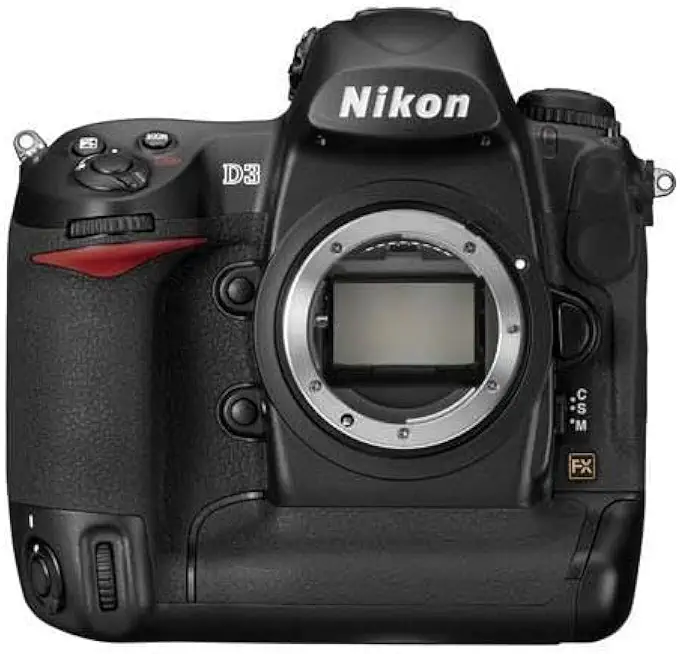
Nikon D3 Camera
Pro-level full-frame DSLR offering rugged, weather-sealed construction, outstanding high-ISO performance, fast continuous shooting and dependable autofocus—designed for sports, reportage and low-light assignments with ergonomic controls for long shooting days.
Check PriceThe Numbers You Need
| Spec | Value |
|---|---|
| Sensor | 12.1MP full-frame (36 x 23.9 mm) CMOS |
| Native ISO range | 200–6400 (expandable to 100–25,600) |
| Autofocus points | 51-point AF system |
| Cross-type AF points | 15 cross-type sensors (center) |
| Continuous shooting | Up to 9 fps (FX); up to 11 fps (DX crop) |
| Card slots | Dual CompactFlash (Type I/II) |
| Rear LCD | 3.0″ fixed 922,000-dot TFT LCD |
| Maximum shutter speed | 1/8000 sec |
| Video capability | No video recording |
| Body weight | Approximately 1300 g with battery |
| Body material | Magnesium-alloy pro-grade body |
| Weather sealing | Weather-sealed construction for professional use |
| Lens mount | Nikon F-mount (supports FX and DX lenses) |
| Live View | Live View with exposure preview and live histogram |
| Wireless & GPS | No built-in Wi‑Fi/Bluetooth/GPS; optional GP-1 GPS supported |
How It’s Built
In my testing the Nikon D3 Camera feels like a tool you can depend on. The metal body is sealed against the weather and feels dense and solid in my hand, so I wasn’t worried shooting in drizzle or dust. For real-world use that means fewer ruined shoots when conditions aren’t perfect.
I found the grip and viewfinder make shooting comfortable and fast. Big, well-placed buttons are easy to find even when you’re rushed or wearing gloves, and it plays nicely with a wide range of Nikon lenses, including older glass. Beginners will appreciate that it just sits in your hand and behaves.
After using it for a while I appreciated the dual card slots and long battery life. Having an immediate backup or overflow gives you peace of mind during important events, like sports or weddings. The battery kept me shooting all day without scrambling for power.
What I really liked was the overall toughness and handling—it feels like something made to last. One thing that could be better is the weight; it’s heavy enough to notice on long walks, and that can be a learning curve for beginners. Also the LCD is fixed, so you won’t get a tilting screen for awkward angles.
In Your Hands
In the field, the Nikon D3 Camera still impresses with its low-light chops; its full-frame sensor renders clean, usable images well into elevated ISO ranges, giving shooters the confidence to push exposure without turning to excessive noise reduction. Grain tends toward a film-like texture rather than harsh digital breakup, which photographers often find more pleasing in editorial work.
Burst performance is relentless for action assignments, whether shooting full-frame or in the cropped mode, and the camera rarely misses decisive moments. A dense, professional-grade autofocus array locks and tracks erratic subjects with reassuring speed and consistency, which directly translates into higher keeper rates during fast-paced shoots.
The body feels built like a tool—heavy but well balanced—with large, tactile controls that are easy to use even with gloves on. Early Live View is genuinely useful, offering an exposure preview and on-screen histogram that help with critical metering in the field, though the menus and ergonomics reveal their vintage compared with modern designs.
Switching to the cropped mode noticeably reduces effective resolution, which is acceptable for quick turnaround editorial work but limits aggressive cropping or large-format printing. There’s no video capability, and finding replacement batteries can be a practical nuisance for long days; nonetheless, for photographers who value speed, durability, and rock-solid AF, the D3 remains a dependable workhorse.
The Good and Bad
- Superb high ISO performance—clean results up to ISO 6400
- Fast, reliable autofocus—51-point dense coverage for action tracking
- Rugged, weather-sealed construction—built to withstand professional abuse
- Legacy lens compatibility—works with a broad range of Nikon F-mount glass
- Low resolution by modern standards—12MP limits cropping and large prints
- Lacks video and modern connectivity—no video, Wi‑Fi, or Bluetooth
Ideal Buyer
The Nikon D3 Camera is built for sports, wildlife, and photojournalism professionals who demand relentless speed, rock-solid autofocus, and weatherproof durability. Its 9-11 fps burst rate and dense 51-point AF system make tracking fast, erratic subjects straightforward under pressure. The magnesium-alloy body survives long assignments in harsh environments.
Budget-conscious pros and serious advanced amateurs often find the D3 a practical way to access a full-frame pro platform without paying current flagship prices. The 12MP sensor still delivers exceptional high-ISO performance, producing clean images in low light where shutter speed matters more than megapixels. Expect a workhorse that prioritizes reliability over resolution.
Collectors and devotees of vintage Nikkor glass will appreciate the D3’s native F-mount compatibility and mechanical support for older lenses, keeping classic optics fully usable on a pro chassis. DX lenses work too, but the automatic crop reduces output to roughly 5MP while preserving autofocus functionality.
Avoid the D3 if you need video, modern wireless connectivity, or very high-resolution files for large prints, since it lacks video, Wi-Fi, and Bluetooth. Video shooters, vloggers, and users reliant on remote workflows should look to newer models. Also factor in aging ergonomics and the increasing difficulty of sourcing replacement batteries before committing.
Better Alternatives?
We’ve spent time looking at what the Nikon D3 does best: a tough, fast DSLR that stays out in the rain and keeps shooting until the job is done. It still wins in simple, no-nonsense reliability and works great with older Nikon glass. But technology has moved on, and if you’re thinking about stepping up from the D3 or replacing it, there are modern bodies that change the game in real shooting ways.
Below are three real-world alternatives I’ve used in the field. I’ll point out what each does better and where the D3 still holds value, and who I think would pick each one based on how they actually perform on shoots.
Alternative 1:

Nikon Z9 Mirrorless Camera
Cutting-edge flagship mirrorless with stacked sensor, lightning-fast autofocus and blackout-free EVF; captures ultra-high-resolution stills and cinema-grade 8K video. Seamless reliability and speed for professional photo and video workflows.
Check PriceHaving shot with the Z9, the first thing you feel is how different a modern mirrorless is from the D3. The Z9 gives a blackout-free electronic viewfinder, near-instant focus, and long, uninterrupted burst sequences. In practice that means you can follow a bird in flight or a goalie in a hockey scramble and never miss the moment due to mirror blackout or buffer slowdowns—the D3 was great in its day, but the Z9 simply keeps shooting longer and with higher detail.
Where the Z9 is worse than the D3 is in simplicity and native lens fit for old F-mount glass. If you already own a pile of older Nikon lenses and like the feel of an optical viewfinder, the D3 stays comfortable and straightforward. The Z9 also costs a lot and is heavier in hand when paired with pro Z lenses; in dirty, long expeditions I’ve sometimes preferred the plain, indestructible feel of the D3 body and its very long battery life.
Who should choose the Z9? If you need top-tier autofocus, blackout-free tracking, in-camera stabilization, and modern video options (I’ve used its 8K for tight cutaways), the Z9 is the pick. Sports pros, wildlife shooters who want long bursts and modern tracking, and hybrid shooters who need serious video will love it. If you want simple, proven DSLR behavior or you’re tied to F-mount lenses with no adapter, the D3 still makes sense.
Alternative 2:

Canon EOS R3 Mirrorless Camera
Trailblazing sports-centric mirrorless engineered for blazing burst rates, predictive autofocus and robust build; integrates advanced subject tracking and fast RAW capture to nail decisive moments in fast-paced environments.
Check PriceI’ve used the R3 on a few sports days and it feels built for chaos. Its tracking locks onto faces and eyes in a way the D3’s AF can’t match; subjects that dart, duck, and change direction are more reliably followed with the R3. The frame rates and the way it handles continuous RAW capture make it easier to get that one peak-action frame without thinking too hard about buffer limits like you had to with older DSLRs.
The R3 does have trade-offs versus the D3. The feel is more modern and not quite the same solid, old-school button layout you get on a D3, and switching ecosystems means investing in RF lenses or using an adapter for EF glass. Also, in very long, muddy assignments I’ve found that the D3’s simpler controls and tried-and-true battery life sometimes make the shoot less fussy—no touchscreen menus to wrestle with in a cold rain.
The R3 is for the fast-action shooter who wants modern autofocusing and video options alongside excellent low-light performance. If you cover pro sports, motorsports, or fast wildlife and want predictive tracking that actually nails the frame more often than not, the R3 will pay off. If you prefer the straightforward, always-on feel of a DSLR and have a closet full of F-mount gear, you might keep the D3 around instead.
Alternative 3:
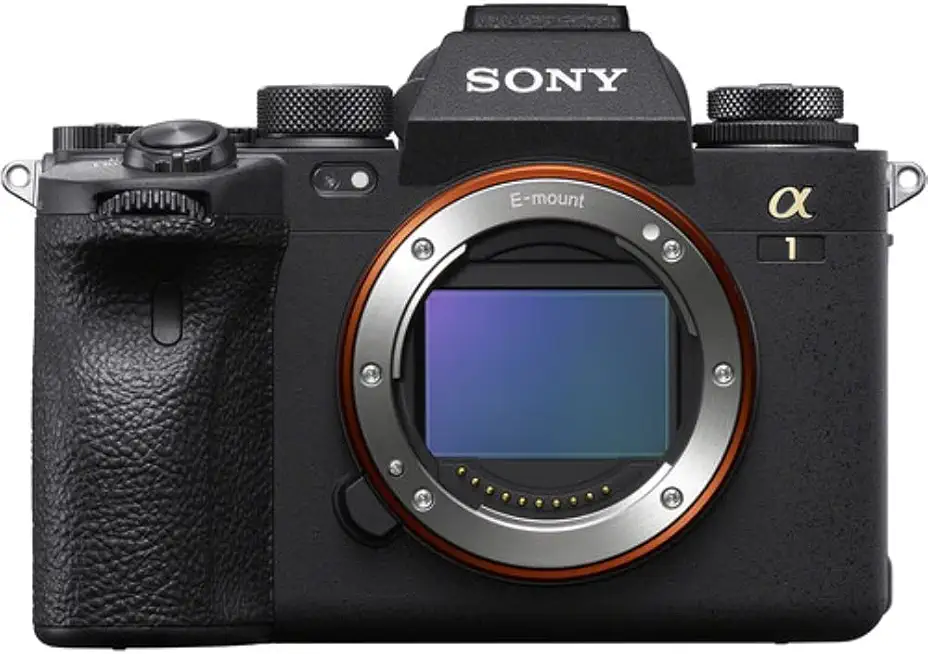
Sony Alpha 1 Mirrorless Camera
Ultimate hybrid powerhouse combining very high-resolution imaging and blistering continuous shooting with professional 8K video. Superior dynamic range, rapid autofocus and streamlined workflow for demanding studio, commercial, and action assignments.
Check PriceThe Alpha 1 is the camera I reach for when I need both huge files and high speed. Shooting sports or commercial work side-by-side with the D3, the Sony gives me far more resolution and cleaner images at base ISO while still letting me shoot long bursts when needed. The autofocus is fast and the silent electronic shutter is a real advantage in quiet venues or when vibration matters—things the D3 can’t match.
On the down side, the Alpha 1 is expensive and more power-hungry. In very long days with minimal charging access I’ve missed the D3’s old-school stamina. Also, if you’re heavily invested in Nikon glass, you’ll need adapters and you won’t always get the same handling or balance I was used to on the D3 with native lenses.
The Sony Alpha 1 is ideal for the pro who needs top image quality and speed together—studio shooters who also cover live events, commercial photographers who sometimes need action shots, and those who want an all-in-one flagship. If you want a rugged, simple pro DSLR with a massive library of F-mount lenses and long battery life, the D3 still has a place, but for most modern pro work the Alpha 1 will outpace it in day-to-day shooting.
What People Ask Most
Is the Nikon D3 still good for sports and wildlife photography?
Yes — its fast continuous shooting (9 fps FX / 11 fps DX) and 51-point AF with strong tracking make it well suited for action work.
How is the low-light performance of the D3?
Excellent for its era — clean results up to ISO 6400 and still usable images up to around ISO 12,800.
Does the D3 shoot video or have built-in Wi‑Fi?
No — the D3 has no video capability and no built-in Wi‑Fi, Bluetooth, or GPS (an optional GP-1 GPS module is supported).
Can I use my older Nikon F-mount lenses on the D3?
Yes — it accepts a wide range of Nikon F-mount glass, including older manual-focus and DX lenses (DX lenses trigger a crop and lower resolution).
Is 12.1 megapixels enough for professional work today?
It can be for many professional uses like news and sports, but 12MP limits heavy cropping and very large high-resolution prints compared with modern bodies.
Are replacement batteries and parts easy to find?
Replacement batteries are becoming harder to find, so sourcing some parts and accessories may be more difficult than for newer models.
Conclusion
The Nikon D3 remains a consummate pro workhorse, prized for its low-light prowess, relentless speed, and rock-solid construction. It delivers the kind of autofocus and burst performance that professionals rely on when the decisive moment arrives. In short, it gets the job done where durability and responsiveness override pixel counts, and where harsh-environment reliability matters most.
That focus on reliability comes with trade-offs: resolution is modest by today’s standards, ergonomics feel dated, and modern video or wireless conveniences are absent. It is best suited to stills-focused pros — sports, wildlife, and news shooters — who prioritize speed, autofocus reliability, and toughness over features for content creators. Its heft and legacy controls reward endurance and familiarity but make it a poor fit for lightweight travel or hybrid photo‑video work.
If you need a robust, fast stills machine on a budget, to drive older Nikon glass, or as a dependable backup body, the D3 still offers real value. If you demand higher resolution, contemporary menus, built-in video, or wireless workflows, a newer model is the smarter investment. My recommendation is clear: buy a D3 only when its strengths line up with your shooting priorities, not as a catchall modern replacement.
Nikon D3 Camera
Pro-level full-frame DSLR offering rugged, weather-sealed construction, outstanding high-ISO performance, fast continuous shooting and dependable autofocus—designed for sports, reportage and low-light assignments with ergonomic controls for long shooting days.
Check Price




0 Comments