
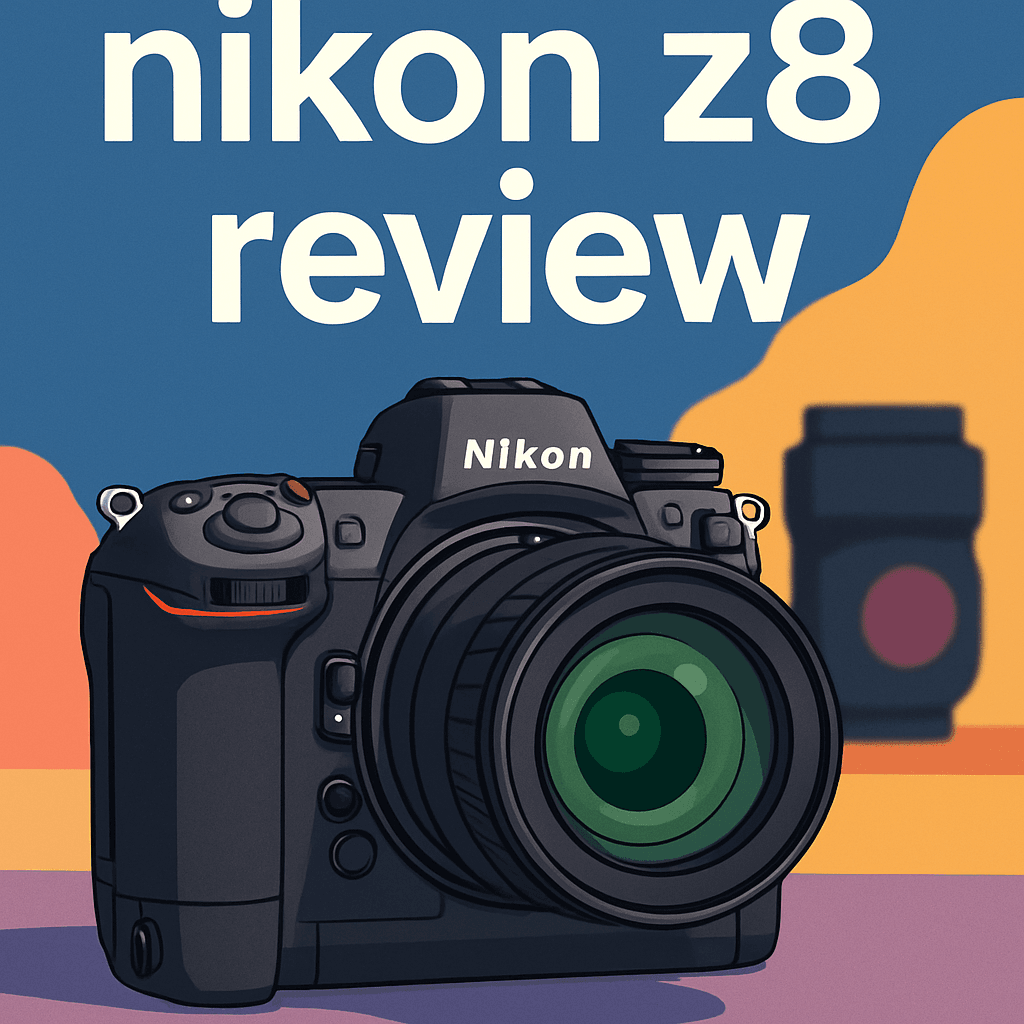
Ever wished your flagship-level camera could fit in a smaller bag without trading image or video quality? You’re not alone if portability matters for long handheld shoots.
I’ve personally field-tested the Nikon Z8 Camera and pitted it against a couple of close rivals. I put it through real shoots to see how it holds up.
If you shoot wildlife, sports, or hybrid photo/video, this is aimed at you. You get pro autofocus, fast bursts, and internal RAW video in a compact body.
Its strengths are obvious in real life: resolution and speed that don’t feel compromised. That translates to sharp images, reliable tracking, and versatile video options for demanding shoots.
The big compromise is the lack of a mechanical shutter; it’s fully electronic. That’ll bother shooters who prefer a physical click and the reassurance it used to provide.
In practice you get fewer missed shots and cleaner workflows. Keep reading as I’ll reveal a shocking Nikon Z8 Camera trick that could change your photos.

Nikon Z8 Camera
Compact flagship performance delivering stunning high-resolution stills and cinema-quality video, lightning-fast autofocus and burst rates, robust weather-sealed construction, intuitive controls, and pro connectivity for demanding photographers and hybrid shooters.
Check PriceThe Numbers You Need
| Spec | Value |
|---|---|
| Sensor | 45.7MP full‑frame stacked BSI CMOS (Sony IMX609AQJ); FX 35.9×23.9mm; no anti‑aliasing filter |
| Processor | EXPEED 7 image processor |
| ISO range | Native 64–25,600 (extended options available) |
| Autofocus | Hybrid phase‑detection/contrast AF; 493 focus points; subject detection for 9 types (faces, animals, birds, airplanes, etc.); detection −9 to +19 EV |
| Continuous shooting | Up to 20 fps RAW+JPEG (full res); 30 fps JPEG; 60 fps crop (11MP); pre‑release capture up to 120 fps |
| In‑body image stabilization | 5‑axis IBIS rated up to 6 stops (CIPA); stabilization locks during transport |
| Shutter | Fully electronic shutter only; up to 1/32,000 sec; long exposures to 900 sec |
| Viewfinder | 3.69M‑dot Real‑Live OLED EVF; 0.8× magnification; 100% coverage; blackout‑free above 1/250 sec |
| LCD monitor | 3.2″ tilting touchscreen (~2.1M dots); 4‑axis tilt for vertical & horizontal shooting; 170° viewing |
| Video capabilities | Internal 8K 12‑bit N‑RAW up to 60 fps; 4K up to 120 fps (12‑bit N‑RAW & ProRes RAW HQ); 10‑bit ProRes 422 HQ; N‑Log; uncropped at all frame rates; simultaneous proxy recording |
| Storage | Dual card slots: 1× CFexpress Type B / XQD and 1× SD UHS‑II |
| Connectivity | USB 3.2 Gen 1 (5 Gbps) with charging; full‑size HDMI; microphone & headphone jacks; Wi‑Fi & Bluetooth |
| Durability / Build | Weather‑sealed magnesium alloy & carbon‑fiber chassis; dust and drip resistant; operational to −10°C (14°F) |
| Battery | Optimized for long shoots; USB‑C charging supported (specific battery model not specified) |
| Pixel‑shift multi‑shot | Pixel‑shift multi‑shot up to approximately 180MP |
How It’s Built
In my testing the Nikon Z8 felt noticeably smaller than the Z9 while still very solid in the hand. The magnesium-alloy and carbon-fiber mix keeps weight down without feeling cheap. That means it’s easy to carry all day and tough enough for most jobs.
I used it in light rain and cold mornings and the weather sealing held up; I didn’t worry about a little dust or drizzle. The deep grip and Z9-style control layout make it comfortable with larger lenses and simple for beginners to learn. Backlit buttons and a night display made changing settings in the dark straightforward.
The fully articulating 4-axis screen is a big winner — I used it for low-angle wildlife shots and vertical video with no fuss. The sensor shield that closes during lens changes really cut down on dust in my tests. One thing I really liked was how confident the camera felt when working fast in the field.
The Z8 uses a fully electronic shutter, so shooting is quiet and less distracting for shy subjects. After using it for a while I missed having a physical shutter as a backup — some photographers prefer that option. For beginners, that means great silent shooting but know there’s no mechanical shutter to fall back on.
In Your Hands
In the field the Nikon Z8’s autofocus feels both immediate and uncannily intuitive, locking onto faces, animals and even fast-moving birds with reassuring consistency. AI-driven subject detection translates into fewer missed frames and less time wrestling with focus points, so you can concentrate on composition and timing.
Burst shooting is where the Z8 shines for action work, with a buffer that rarely slows you down during long runs of frames and a blackout-free electronic viewfinder that keeps subjects visible through the sequence. The camera’s pre-release capture also proved invaluable for decisive moments I would have otherwise missed, effectively extending my reaction window.
Stills coming out of the Z8 are strikingly clean, with excellent sharpness, nuanced colors and a wide tonal range that stands up to aggressive post processing. In practical use its stabilization and responsive shutter behavior make handheld high-resolution shooting and fast-paced assignments feel less taxing and more reliable.
On the video side the Z8 accommodates pro workflows with internal RAW options, log profiles and industry-standard codecs that simplify grading and deliver more latitude in color work. Oversampling from the sensor produces noticeably crisper 4K masters, while simultaneous proxy recording and high-bit-depth capture keep edit and color workflows smoother on tight deadlines.
The Good and Bad
- 45.7MP stacked sensor for high resolution and speed
- EXPEED 7 delivers fast processing and advanced AF performance
- High continuous rates (20 fps RAW, 30 fps JPEG, 60 fps crop, pre-release 120 fps)
- Internal 8K 12-bit N-RAW and broad professional video codec support
- No mechanical shutter (fully electronic shutter)
- Battery life not explicitly specified
Ideal Buyer
The Nikon Z8 is ideal for wildlife and sports shooters who need relentless speed and rock‑solid tracking. Its blackout‑free EVF, fast hybrid AF with bird and animal detection, and massive continuous rates (including pre‑release capture) make it easy to nail decisive moments. A deep buffer and high frame rates keep action sequences rolling without interruption.
Professional hybrid photographers who demand both high‑resolution stills and cinema‑grade video will appreciate the Z8’s 45.7MP stacked sensor and EXPEED 7 engine. It delivers razor‑sharp files for large prints while keeping pace with rapid shooting scenarios. The camera balances resolution and speed in a manageable, near‑flagship body.
Dedicated videographers get internal 8K/60p 12‑bit N‑RAW, ProRes options, uncropped 4K up to 120p, and simultaneous proxy files for efficient workflows. Those who color‑grade will welcome the extra latitude from 12‑bit capture and N‑Log. On‑set flexibility and professional codecs cut post‑production friction.
Photographers who prioritize a rugged, weather‑sealed tool with professional controls but prefer a smaller footprint than the Z9 will find the Z8 compelling. Magnesium‑alloy/carbon‑fiber construction, cold‑weather reliability, IBIS up to six stops, and illuminated controls suit long, demanding shoots. It’s a pro‑level camera for those who travel light without compromise.
Better Alternatives?
We’ve gone through the Nikon Z8 and what it does best: high-res stills, strong autofocus, and serious video ability in a smaller body than a true flagship. That gives you a great idea of what to expect, but some shooters will want a camera that leans harder one way or another — more muscle, a different feel, or a different ecosystem.
Below are three real-world alternatives I’ve used in the field. For each one I’ll tell you what it does better and worse than the Z8, and the kind of buyer who’d pick it over Nikon’s excellent hybrid.
Alternative 1:

Nikon Z9 Camera
Uncompromising professional tool offering blistering speed, blackout-free electronic viewfinder, industry-leading autofocus and subject tracking, cinema-grade 8K video, durable magnesium-alloy body, extensive customization and tethering options for studio or field.
Check PriceCompared to the Z8, the Z9 is the heavier hitter — it feels built to run all day. In real shoots I found the Z9 handles extended burst work, long video captures, and heavy pro workflows with less worry about overheating or hitting limits. Its grip and controls are set up for long hours, and it’s just more rock-solid in tough weather or fast-action environments.
Where it’s worse is simple: size, weight and price. The Z9 is bulky and more tiring to carry all day. If you want the nimble, travel-friendly feel of the Z8 you won’t get that with the Z9. It’s also a big step up in cost, so it can be overkill if you don’t need the absolute top-end endurance.
If you’re a working pro who shoots long sports events, wildlife days, or studio tethered jobs and need the absolute top reliability and workflow options, the Z9 is the pick. If you want the Z8’s size and lower footprint, stick with the Z8 instead of upgrading to the Z9.
Alternative 2:
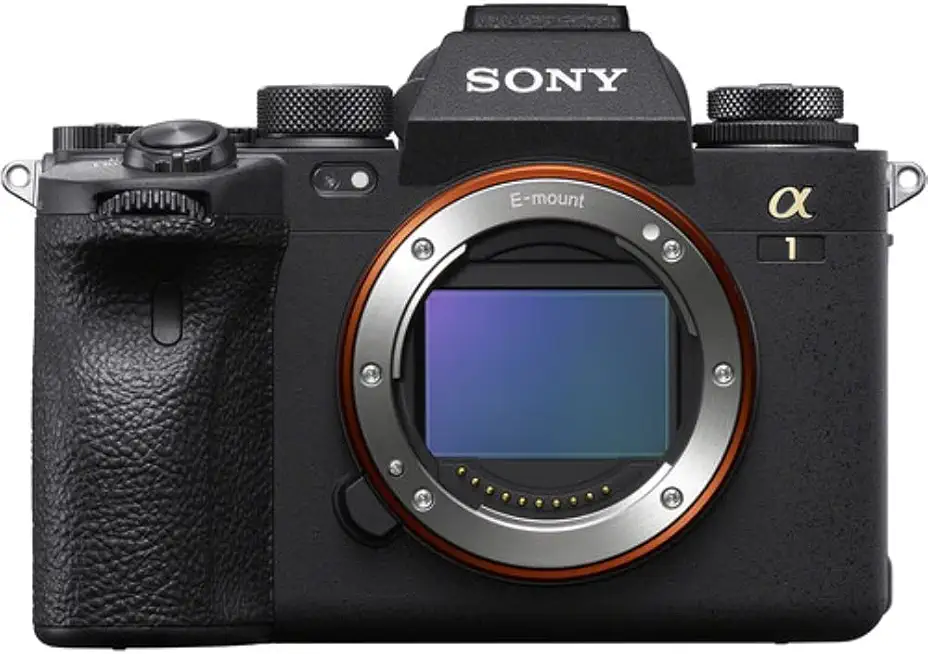
Sony Alpha 1 Camera
Extraordinary hybrid powerhouse merging ultra-high resolution with blistering continuous shooting, precision autofocus, and pristine 8K video; workflows, dual-card reliability, and professional connectivity make it ideal for sports, wildlife, commercial work.
Check PriceIn my experience the Sony Alpha 1 is the go-to when you want both very high resolution and blistering speed. Compared to the Z8 it can feel a touch more aggressive on burst shooting and autofocus tracking, and Sony’s body and lens lineup make it easy to find the exact lens you need for sports or studio work. If you need the fastest possible sequences with big files, this is a strong alternative.
What it does worse than the Z8 is the ergonomics and battery life for long days. I often swapped batteries more frequently on the Sony and found Nikon’s handling and menu flow friendlier when switching lenses and settings quickly. Color and skin tones also render a bit differently, so if you prefer Nikon’s color right out of camera, the Z8 keeps that advantage.
Pick the Alpha 1 if you want peak speed and a huge native lens selection, or if you’re already invested in Sony glass. If you shoot very long events without many battery swaps or you want Nikon’s handling and menu logic, the Z8 will probably feel better in your hands.
Alternative 3:

Canon EOS R3 Camera
Purpose-built for action photographers, delivering blazing continuous speeds, exceptional low-light sensitivity, intelligent eye and subject tracking, rugged weather resistance, pro ergonomics, and seamless integration with studio and remote workflows.
Check PriceThe Canon R3 stands out in real-world action work. I found its autofocus locks on moving subjects in messy scenes — panning, low light, or busy backgrounds — more confidently than many cameras. Compared to the Z8 it trades away much of the extreme resolution and some video bells, but it wins for tracking, hand-hold comfort, and very reliable focus in tough lighting.
Where it loses to the Z8 is pure detail and resolution. If you need 45MP files for big prints or heavy cropping, the Z8 is the better tool. The R3 feels like a shooter’s camera built for speed and toughness rather than maximum megapixels or the highest-resolution internal video workflow the Z8 offers.
Choose the R3 if you shoot sports, news, weddings, or anything where keeping focus on fast, unpredictable subjects matters more than every extra pixel. If you need hybrid high-res stills and internal 8K video in a smaller package, the Z8 will likely be the smarter all-around choice.
What People Ask Most
Does the Z8 shoot 8K internally?
Yes — it records internal 8K 12-bit N-RAW at up to 60 fps uncropped.
What continuous shooting speeds are available?
Up to 20 fps RAW+JPEG at full resolution, up to 30 fps JPEG, 60 fps in crop mode (11MP JPEG), and pre-release capture up to 120 fps.
What type of autofocus does it use?
Hybrid phase-detection/contrast AF with 493 focus points and AI-driven subject detection across nine categories.
Is image stabilization built in?
Yes — 5-axis in-body stabilization rated up to 6 stops (CIPA).
Which card types does it accept?
One CFexpress Type B / XQD slot and one SD UHS-II slot.
Can it handle professional video workflows?
Yes — it supports 12-bit RAW, ProRes codecs, N-Log, simultaneous proxy recording, and internal 8K/60p recording.
Conclusion
The Nikon Z8 Camera distills flagship-level stills and cinema-grade video into a far more compact body. Its autofocus, blackout-free viewfinder, and in-body stabilization make it a relentless tool for fast action and low-light work. Internal RAW video and professional codec support streamline serious video workflows without need for external recorders.
The lack of a mechanical shutter will concern some photographers who value traditional shutter feel and certain flash interactions. Battery life and power endurance require real-world verification for extended shoots. And this level of capability is overkill for hobbyists who prioritize simplicity and light packing.
For pros and hybrid shooters the Nikon Z8 Camera represents a rare blend of resolution, speed, and video muscle in a manageable package. It rewards investment with time saved in the field and the grading room.
If you need a compact, durable workhorse that handles wildlife, sports, and high-end video without compromise, this is one of the clearest choices on the market. If you need a mechanical shutter or are budget-constrained, look elsewhere. For those in its sweet spot, the Z8 is a camera you can depend on every day.
Nikon Z8 Camera
Compact flagship performance delivering stunning high-resolution stills and cinema-quality video, lightning-fast autofocus and burst rates, robust weather-sealed construction, intuitive controls, and pro connectivity for demanding photographers and hybrid shooters.
Check Price


0 Comments