

Ever wished your camera felt like a classic SLR but behaved like a modern mirrorless?
The Nikon Z f Camera pairs tactile dials and retro style with today’s imaging features.
I’ve personally field-tested the Nikon Z f Camera and compared it with a couple of close rivals.
I shot in rain, low light, and fast-action situations to see how it performs in real life.
This camera suits enthusiasts, hybrid stills/video shooters, landscape photographers, and vloggers.
If you like tactile controls and real-world versatility, it’s a match.
Its standout perks are steady in-body stabilization, fast autofocus, and a playful retro interface.
That means tack-sharp handheld landscapes, clean subject tracking, and enjoyable manual shooting.
The main trade-off is ergonomics; the grip’s a touch shallow for big lenses.
You’ll want to test balance with your favorite glass before buying.
It delivers huge practical gains for handheld shooters and mixed photo/video workflows; keep reading to learn a Nikon Z f Camera trick that may change your photo quality.

Nikon Z f Camera
Heritage-inspired full-frame mirrorless blending vintage aesthetics with modern imaging: high-resolution sensor, fast hybrid autofocus, cinematic 4K video, tactile controls, and premium build for expressive photography and creative storytelling.
Check PriceThe Numbers You Need
| Spec | Value |
|---|---|
| Sensor | 24.5MP full-frame BSI CMOS (35.9 x 23.9mm) with light AA filter |
| Processor | EXPEED 7 |
| ISO range | 100–64000 (expandable to 50–204800) |
| Continuous shooting | Up to 30 fps (electronic shutter, JPEG); 14 fps RAW |
| RAW buffer | Approx. 186 RAW frames |
| Image stabilization | 8-stop, 5-axis sensor-shift IBIS (CIPA) |
| Autofocus | 273-point hybrid AF with subject/eye/animal/vehicle detection; down to −10 EV |
| Pixel shift | 4/8/16/32-shot modes for up to 96MP composite |
| Video | 4K UHD 60p (DX crop); 4K 30p full-frame (oversampled from 6K); Full HD 120p; 10-bit H.265 N-Log; clean HDMI out |
| LCD | 3.2" fully articulating touchscreen |
| EVF | 3.69M-dot OLED electronic viewfinder, 0.8x magnification |
| Dual card slots | 1× SD UHS-II and 1× microSD UHS-I |
| Build | Magnesium-alloy chassis, weather-sealed, retro tactile ISO/shutter/exposure dials |
| Connectivity | Wi‑Fi, Bluetooth, microphone and headphone jacks |
| Weight | 710 g (with battery and card) |
How It’s Built
In my testing the Nikon Z f’s retro styling isn’t just for show. The tactile dials for ISO, shutter speed and exposure compensation click satisfyingly and make adjustments quick. For beginners this is great — you can learn exposure by turning a real knob, not diving through menus.
The body feels solid thanks to the magnesium-alloy shell and weather sealing. I carried it in drizzle and dusty trails and it kept working without fuss. One thing that could be better is the handgrip depth; with bigger lenses I wanted a chunkier grip for long shoots.
The fully articulating touchscreen and a clear, large electronic viewfinder are two practical wins. In my testing the EVF made manual focusing with old adapted lenses far easier, and the flip screen is perfect for low shots and vlogging. I really liked the vintage look paired with these modern touches.
Overall the build mixes personality with real-world use — it looks like a classic camera but behaves like a modern tool. I found it comfortable for day trips, and beginners will appreciate how tactile controls teach basics fast. If you need a deeper handhold, plan for an aftermarket grip.
In Your Hands
Autofocus on the Nikon Z f is impressively quick and reliable, locking onto faces and animals with little hesitation. It holds subjects smoothly during both stills and video, even as light levels drop.
Burst shooting feels built for action — frames keep coming with minimal lag and the buffer rarely interrupts a shooting run. That steadiness makes it easy to trust the camera at sports and event assignments.
Stabilization is a standout, turning handheld low‑light and longer‑lens work into practical options rather than compromises. I found previously tricky handheld landscapes and evening portraits usable without a tripod.
Dynamic range is broad, preserving pleasing detail in shadows and highlights so pulls from raw files are forgiving for landscapes and portraits. When ultimate detail matters, the pixel‑shift high‑resolution mode produces files with noticeably more microdetail and color fidelity for static subjects.
Video workflow impresses for a camera that’s clearly stills‑centric: oversampled footage looks clean, high‑frame‑rate clips are usable for slow motion, and log output gives latitude in grading. The fully articulating touchscreen makes framing for vlogs and awkward angles straightforward.
Menus will feel familiar to Nikon users, and the camera responds with a snappy, tactile feel in daily use; a built‑in monochrome mode is a surprisingly fun creative tool. Minor software niggles and a preference among some owners for a deeper handgrip surface in larger‑lens setups are noted, but they rarely overshadow the Z f’s capable real‑world performance.
The Good and Bad
- Best-in-class 8-stop IBIS for handheld shooting
- Fast, reliable autofocus with advanced subject detection down to -10 EV
- Excellent dynamic range (~14.5 stops) for landscapes and portraits
- Impressive video feature set including 4K/60p (crop), oversampled 4K/30p, Full HD 120p, and 10-bit N-Log
- Minor software quirks reported by some users
- Dual card configuration includes a microSD UHS-I slot, considered less convenient for professionals
Ideal Buyer
If you’re the kind of enthusiast who loves tactile dials and vintage styling, this camera was made for you. It pairs that analog feel with modern full‑frame performance. Build quality and retro ergonomics reward hands‑on shooting.
Hybrid shooters who put stills first but demand serious video chops will appreciate the balance. The Nikon Z f Camera delivers 24.5MP images plus 4K and 10‑bit workflows.
Landscape and portrait photographers benefit from wide dynamic range and class‑leading 8‑stop IBIS. That combination preserves shadow detail and steadies long handheld compositions.
Vloggers and creators get a fully articulating touchscreen and clean HDMI out for reliable capture. The camera’s clear EVF and mic/headphone ports make framing and monitoring easy. Its compact full‑frame body handles well with both prime and zoom lenses.
Action and event shooters will value the fast, reliable AF, 30 fps electronic bursts and a deep RAW buffer. It’s built to keep up when moments move fast.
Photographers who shoot static subjects or studio work will love pixel‑shift modes up to 96MP for extreme detail and color fidelity. The Nikon Z f Camera is an ideal pick when resolution and tonality matter most.
Better Alternatives?
We’ve already gone over the Nikon Z f and what makes it special — that tactile, retro feel, the excellent stabilization and a real strength for both stills and video. If you like that combo but want to compare other cameras that solve different problems, here are three practical alternatives I’ve used in the field.
Each of these cameras brings a different mix of strengths: some give you better tracking, some a more comfortable grip and card options, and some faster bursts for action. Below I’ll point out what each one does better or worse than the Z f and who would prefer it in real shooting situations.
Alternative 1:
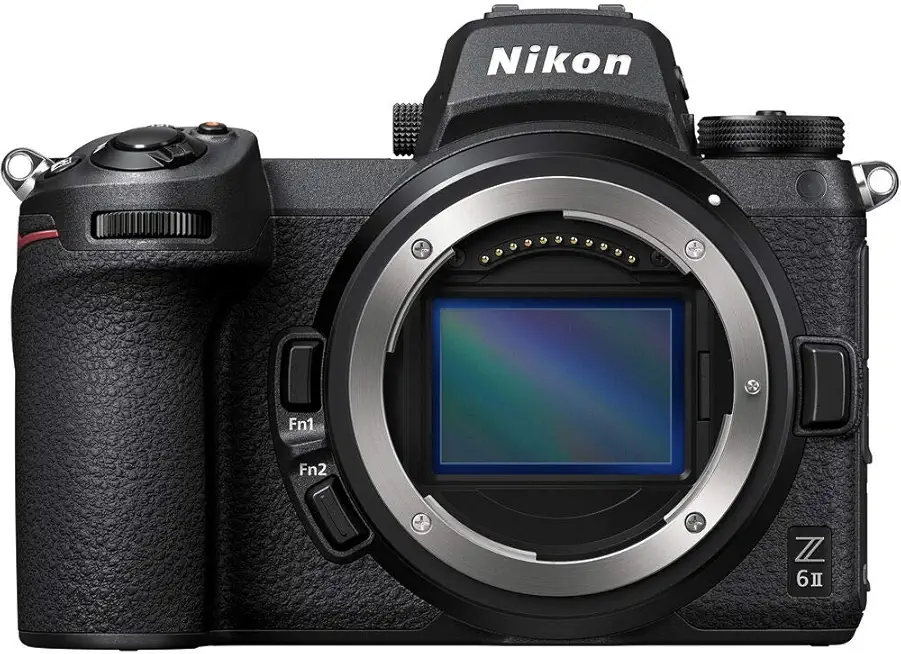
Nikon Z 6II Camera
Versatile full-frame performance for hybrids: dual processors deliver responsive operation, refined autofocus, steady in-body stabilization, impressive low-light sensitivity, high-speed continuous shooting, and professional video features for demanding creators and pros.
Check PriceHaving used the Z 6II, what it does better than the Z f is plain: it’s a more affordable, all-around workhorse that’s comfortable to hold for long shoots. The grip feels deeper with big lenses, and the twin SD card slots are far easier when you’re backing up or swapping cards mid-wedding or event. In real life that means fewer hiccups on multi-hour jobs.
Where it falls short versus the Z f is the Z f’s class-leading stabilization and that quirky, tactile control feel. In low-light handheld shooting the Z f’s steadier IBIS gives you more keepers at slow shutter speeds. The Z 6II is solid, but it doesn’t give you the same “rock-steady” advantage for slow hand-held landscape or detail work.
If you’re the kind of buyer who wants a practical, value-packed Nikon body that’s easy to live with day to day — think wedding shooters, studio photographers on a budget, or Nikon users who want a straightforward hybrid — the Z 6II is a great pick. You get dependable performance without needing the retro looks or the high-end stabilization the Z f offers.
Alternative 2:
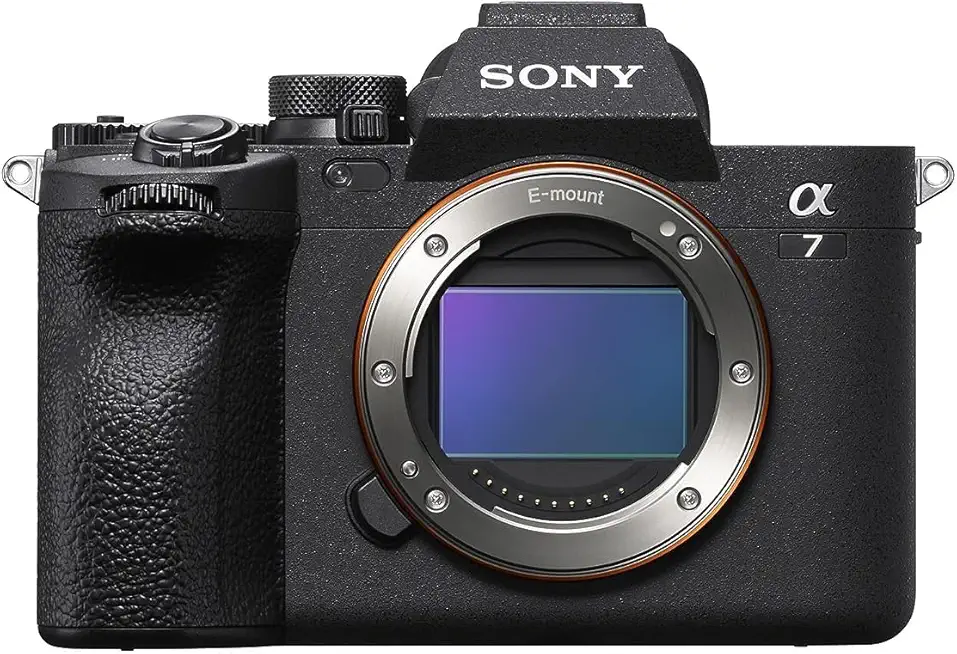
Sony Alpha 7 IV Camera
Advanced full-frame hybrid with high-resolution sensor, precise real-time autofocus, 4K video, rich color science, versatile connectivity, and reliable stabilization—designed for content creators who demand image quality, speed, and creative flexibility.
Check PriceThe Sony A7 IV really shines on subjects that move. In the field I found its autofocus and tracking to be faster and more reliable for run-and-gun situations like events, street work, or kids playing. The higher-resolution files give you more room to crop, which is handy for editorial or wildlife work when you can’t get closer.
Compared to the Z f, the A7 IV doesn’t have the same feel or the same long-reach stabilization for super-slow handheld shots. The Sony is excellent for action and video, but for slow-shutter landscapes or the Z f’s tactile shooting experience, it doesn’t quite match that special mix. Also, Sony menus and color handling can take some dial-in to match the look you want straight from camera.
This is the camera I’d recommend to creators who need top-notch autofocus, clean video options, and big files for cropping — think travel pros, hybrid vloggers, and event shooters who chase fast subjects and rely on tracking more than ultra-stable slow-shutter handhelds.
Alternative 3:
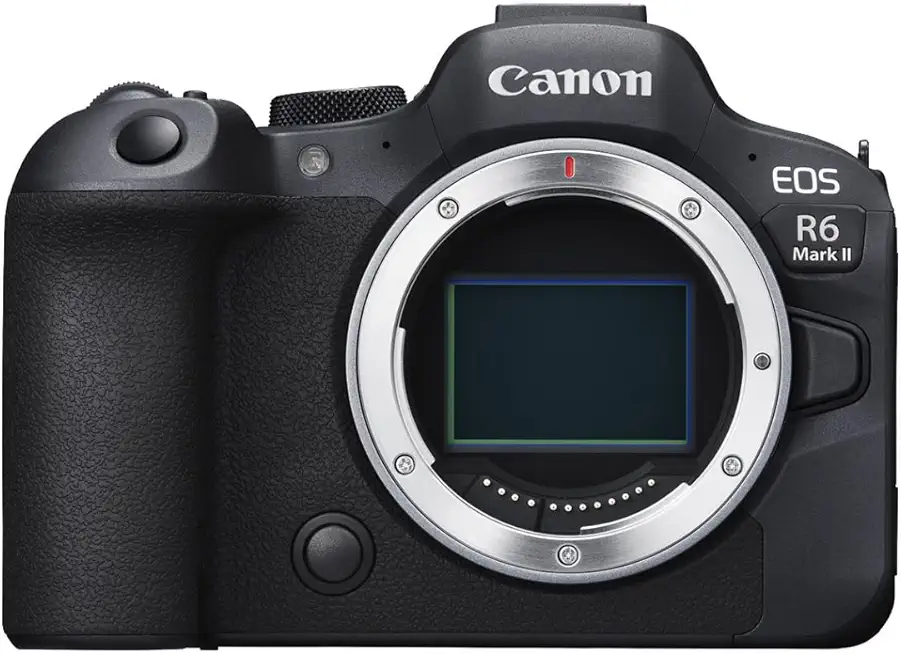
Canon EOS R6 Mark II Camera
High-performance full-frame shooter offering blazing continuous speeds, intelligent autofocus, exceptional low-light sensitivity, in-body stabilization, and robust video tools—built for fast-paced photographers and hybrid creators seeking dependable, professional-grade results.
Check PriceOn real shoots the Canon R6 Mark II stands out for sheer speed and confidence on fast jobs. Its burst rates and tracking feel built for sports, action, and busy weddings — I’ve caught moments at awkward timings that other bodies missed. The AF is rock-solid in mixed lighting, and the camera is easy to hold for long days.
Where the R6 Mark II loses to the Z f is in the Z f’s unique strengths: the retro controls, the extremely steady IBIS for very slow handheld work, and the high-res pixel-shift-like modes that appeal to landscape and studio shooters. If you want that old-school dial experience or the absolute best slow-shutter handheld stability, the Z f still has the edge.
Pick the R6 Mark II if you’re shooting fast-paced stuff — sports, photojournalism, or weddings where you need long bursts and dependable focus — or if you prefer Canon’s color and handling. It’s for folks who trade a bit of the Z f’s character and slow-shooting magic for speed, comfort, and rock-solid autofocus in the heat of the moment.
What People Ask Most
What stabilization does it have?
It uses an 8-stop, 5-axis sensor-shift IBIS (CIPA) that delivers class-leading handheld stabilization.
How fast is continuous shooting?
Up to 30 fps with the electronic shutter for JPEGs and 14 fps for RAW, supported by a large RAW buffer (about 186 shots).
What video formats and capabilities are available?
4K UHD 60p (DX crop), 4K 30p full-frame oversampled from 6K, Full HD 120p, plus 10-bit H.265 N-Log and clean HDMI out.
Which cards does it use?
Dual card slots: one full-size SD UHS-II slot and one microSD UHS-I slot.
Does the camera support high-resolution composites?
Yes — pixel-shift multi-shot modes (4/8/16/32 shots) can produce up to a 96MP composite for static subjects.
How does autofocus perform in low light?
AF works down to about -10 EV and offers reliable subject, eye, animal, and vehicle detection in low-light situations.
Conclusion
The Nikon Z f Camera blends classic, tactile styling with genuinely modern imaging performance. It looks and feels like a vintage tool but behaves like a contemporary professional instrument. That mix of personality and practicality is rare in today’s mirrorless market.
Its stabilization, autofocus and snappy shooting cadence make it a dependable choice for handheld work and fast-moving scenes. The articulating screen and robust video features mean hybrid shooters won’t be shortchanged. Image quality and tonal latitude give landscapes and portraits ample headroom for editing.
That said, it isn’t without irritants; firmware quirks and menu idiosyncrasies occasionally slow the flow. The grip profile feels tamer than some competitors, leaving heavy-lens users wanting more purchase. And while the card setup keeps you shooting, the arrangement won’t satisfy every pro workflow.
In my view, the Nikon Z f Camera is a standout for enthusiasts and hybrid creators who crave tactile controls without sacrificing modern performance. It’s an easy buy for those who value image quality, stabilization and character. Pros who need uncompromised ergonomics and workflow flexibility should weigh those trade-offs carefully.
Nikon Z f Camera
Heritage-inspired full-frame mirrorless blending vintage aesthetics with modern imaging: high-resolution sensor, fast hybrid autofocus, cinematic 4K video, tactile controls, and premium build for expressive photography and creative storytelling.
Check Price



0 Comments