
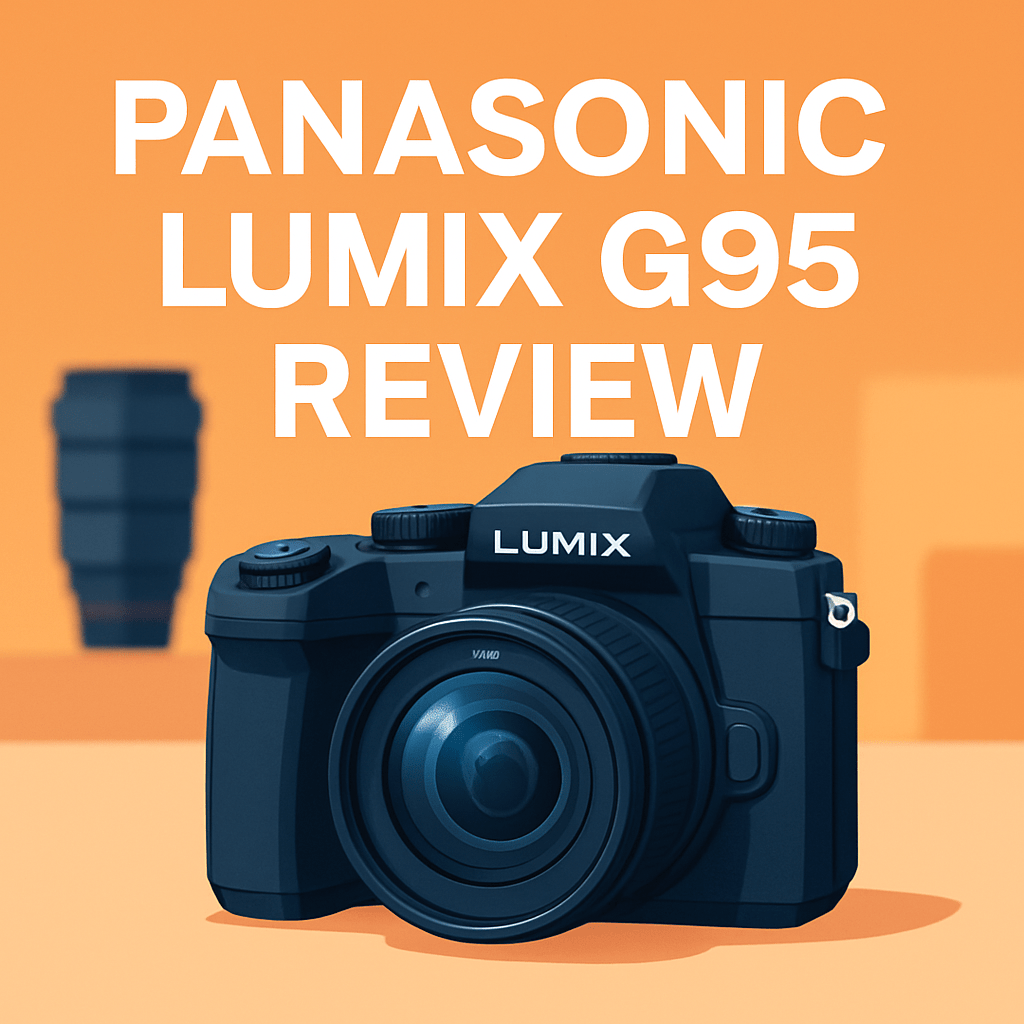
Want to step up your run-and-gun photos and videos without lugging a big rig? You’ll want a camera that’s nimble, dependable, and creator-friendly.
After taking one into the field, I’ve seen how its 4K, five-axis stabilization, weather sealing, vari-angle touchscreen, EVF, and mic input help real shoots. It’s clearly aimed at run-and-gun creators.
Quick verdict: it’s a solid all-rounder for outdoor work and hybrid video-stills workflows. Still, MFT sensor limits and contrast-based AF mean it’s not ideal if you need the cleanest high-ISO files or the shallowest backgrounds.
If you’re a creator who values stabilization, weather resistance, and flexible framing, you’ll find this review useful. Make sure to read the entire review as I break down handling, image and video performance, and who should actually buy one — keep reading.

Panasonic Lumix G95 Mirrorless Camera
Versatile travel-ready mirrorless offering 4K video, 20MP sensor, flip touchscreen and five-axis stabilization for steady handheld shots. Rugged, weather-sealed build and intuitive controls make it perfect for vloggers and photo enthusiasts.
Check PriceThe Numbers You Need
| Spec | Value |
|---|---|
| Sensor | 20 MP |
| Format | Micro Four Thirds |
| Video | 4K |
| Stabilization | 5-axis |
| Autofocus | Contrast AF |
| Shutter Speed | 1/4000s to 1 min |
| ISO Range | 200–25600 |
| Image Stabilizer | 5-axis |
| Screen | Vari-angle touchscreen |
| EVF | Electronic viewfinder |
| Microphone Input | Available |
| Weather Sealing | Yes |
| Continuous Shooting | 9 fps |
| RAW Image Capture | Available |
| Card Slots | Dual SD |
How It’s Built
In my testing the Panasonic Lumix G95 feels like a camera built to go outside and work. The weather sealing gave me confidence shooting in mist and dusty trails, so I wasn’t worrying about light rain. For real-world shooters that means fewer “do I pack it?” moments when heading out the door.
One thing I really liked was the vari-angle touchscreen. It swings out and flips around easily, which made low-angle street shots and quick vlog framing simple. For beginners that means less awkward balancing when you’re trying to shoot and move at the same time.
The electronic viewfinder is bright and usable in strong sun, so composing for landscapes or events was straightforward. The dedicated microphone input also made it easy to step up audio without a bunch of adapters. That small audio port really matters when you want interviews that don’t sound flat.
Handling is mostly smart and logical, but the grip could be a touch deeper for larger hands and some controls feel a bit close together. After using it for a while I found I adapted, but big-glove shooters may want an aftermarket thumb rest. That’s the main thing that could be better.
All together the layout and build keep this camera practical for travel, documentaries, and casual events. It’s forgiving for beginners and solid for fast-paced use, just consider a small grip add-on if you plan long handheld days.
In Your Hands
The G95’s five-axis stabilization changes everyday handling — handheld stills look steadier and walk-and-talk video comes out noticeably smoother, so you can shoot B-roll while walking or capture travel footage without a gimbal. That steadiness makes it an ideal companion for run-and-gun days when setup time is limited.
Autofocus is contrast-based and generally reliable for portraits, street scenes, and planned video takes, delivering sharp results when subjects aren’t hurdling across the frame. However, it can struggle to maintain lock on very fast or erratically moving subjects, so I used single-point AF or manual pulls when shooting chaotic sports or wildlife. In some video situations the AF performed competently, but it’s not a catch-all.
Continuous shooting is responsive enough to catch fleeting moments like a spontaneous family laugh or a decisive street split-second, though AF tracking caveats temper expectations for serious action shooters. The vari-angle touchscreen and bright EVF make low- and high-angle framing painless, and the onboard mic input simplifies interview and vlog workflows without complex rigs. Together these features favor creators who prioritize agility over specialized tracking.
The weather-sealed body gives real confidence on rainy hikes and dusty travel, so I kept it on during landscapes and urban walkabouts. Battery endurance isn’t class-leading; carry at least one spare for a full day of shooting.
The Good and Bad
- 5-axis in-body stabilization supports steadier handheld stills and video
- 4K video capability serves hybrid creators
- Vari-angle touchscreen improves flexibility for composition and video work
- Weather-sealed body for outdoor reliability
- Contrast-based AF is less reliable for fast subject tracking than Sony a6600 and Fujifilm X-S10
- Micro Four Thirds sensor offers less high-ISO cleanliness and shallower DOF potential than APS-C
Ideal Buyer
If you’re a hybrid shooter who moves fast and shoots everything from interviews to travel B-roll, the Panasonic Lumix G95 Mirrorless Camera is right in your wheelhouse. It balances usable stabilization, 4K capture and creator-friendly controls in a compact, weather-sealed body.
Outdoor and travel photographers who prize weather sealing and a vari-angle touchscreen will appreciate its flexibility for low and high angles. An EVF keeps composition reliable in bright sunlight, while the mic input streamlines better audio on location.
Video-first creators who value 5-axis IBIS and run-and-gun ergonomics more than class-leading AF tracking will find the G95 a practical tool. Its 4K chops and simple audio upgrade path make quick interviews and roaming documentaries easier to capture.
Buyers who are comfortable with neutral JPEGs and expect to do their own grading and post work will be happiest. If you accept Micro Four Thirds limits on high-ISO noise and depth of field, and plan for extra batteries for long days, this camera rewards with reliability and versatility.
It’s not the best pick for photographers who need rock-solid continuous AF or the shallowest background separation. If your work demands cleaner high-ISO files or relentless tracking, an APS-C body might suit you better. But for mixed photo/video days in the field where stabilization, ergonomics and weather resistance matter most, the G95 shines.
Better Alternatives?
We’ve already gone over what the Panasonic Lumix G95 does well: solid in-body stabilization, a flip-out screen, weather resistance and good run-and-gun video handling. But no camera is perfect, and depending on what you shoot you might want something that trades one strength for another.
Below are three real alternatives I’ve used in the field. I’ll point out what each one does better and worse than the G95, and who I think would prefer them based on real shooting experience — not just numbers.
Alternative 1:
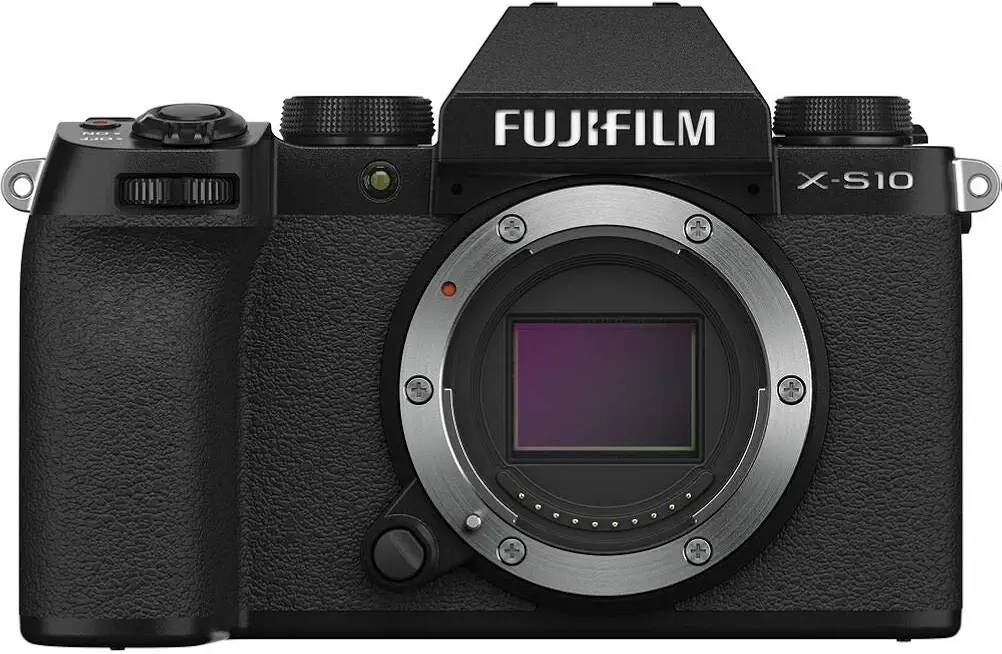
Fujifilm X-S10 Mirrorless Camera
Compact powerhouse with a 26MP sensor, in-body stabilization, and film-simulation color modes for instant cinematic looks. Comfortable grip and vari-angle screen speed workflows for hybrid stills and video creators.
Check PriceWhat it does better: The X-S10’s larger APS-C sensor gives cleaner files at high ISO and nicer background separation for portraits. Its in-body stabilization is very usable in low light, and Fujifilm’s film simulations produce pleasing JPEG colors straight out of camera — I often used them for client shoots to save editing time. Autofocus is generally more confident than the G95 for stills and tracking, so you’ll catch moving subjects more reliably.
What it does worse: The X-S10 isn’t as weather-sealed as the G95 and feels a touch less rugged in bad weather. For run-and-gun video I found the G95’s controls and ergonomics more suited to fast setups; the Fujifilm is great, but the G95’s screen articulation and weather protection give it an edge outdoors. Also, the X-S10 is a bit heavier in hand when you add a lens, so long handheld days can tire you more.
Who should prefer it: If you shoot portraits, weddings or low-light events and want cleaner images and pretty JPEGs without heavy grading, the X-S10 is a strong pick. It’s also for photographers who want better AF for moving subjects but still want IBIS. If you need full weather toughness or prefer the G95’s video layout for documentary work, stick with the Panasonic.
Alternative 2:

Sony Alpha A6600 Mirrorless Camera
Advanced autofocus-driven mirrorless delivering fast real-time tracking, 24MP image quality and 4K capture. Extra-long battery life and robust build support extended shoots for travel, wildlife, and content creators.
Check PriceWhat it does better: The a6600’s autofocus is the standout — real-time eye and subject tracking locks on and holds much better than the G95 in my experience, which makes a huge difference for kids, sports or wildlife. Battery life is also noticeably longer, so I could shoot all day with fewer battery swaps. The APS-C sensor gives cleaner high ISO files and smoother background blur compared to the G95’s Micro Four Thirds output.
What it does worse: The big trade is stabilization — the a6600 has no in-body stabilization, so you’ll rely on stabilized lenses or a gimbal for smooth handheld video and steady low-light stills. The camera’s menu system and handling felt less intuitive for quick video setups than the G95, and I missed the G95’s flip-out screen and weather protection when shooting in poor weather.
Who should prefer it: Choose the a6600 if you need rock-solid autofocus and long shooting days — event shooters, wildlife chasers and fast-action content creators will benefit most. If you prioritize built-in stabilization and weather resistance for run-and-gun video, the Panasonic may still be the better everyday choice.
Alternative 3:

Sony Alpha A6500 Mirrorless Camera
Speed-focused compact camera with rapid continuous shooting, responsive phase-detection AF and five-axis stabilization for sharp results. Touchscreen control and 4K video make it ideal for hybrid shooters and enthusiasts.
Check PriceWhat it does better: The A6500 gives you fast burst shooting and very responsive autofocus that beats the G95 for fast sequences — I used it for street runs and short sports bursts and came away with more keepers. It also includes five-axis stabilization, so in practice you get steady handheld shots that rival the G95 in many situations. The body is compact and feels good when you want to stay light on walks and shoots.
What it does worse: Compared to the G95, the A6500’s screen tilts rather than fully articulates, so vlogging or tight low/high angle framing is less convenient. Its battery life and weather protection aren’t as strong as the a6600 or the G95, so for long outdoor days or rough conditions I’d worry more about endurance and protection. The Sony menus can also take longer to tune for a video-heavy workflow than the Panasonic’s straightforward layout.
Who should prefer it: The A6500 is a great choice for enthusiast shooters who want speed, good stabilization and a small package — street, travel and action shooters who value quick shots will like it. If you need full articulating screen, robust weather sealing or the easiest video ergonomics for interviews and run-and-gun work, the G95 still has clear advantages.
What People Ask Most
Is the Panasonic Lumix G95 worth buying?
Yes — it’s a versatile, affordable hybrid that delivers good 4K video, a flip-out screen and solid image quality for hobbyists and vloggers.
What are the main differences between the Panasonic Lumix G95 and G85?
The G95 adds a fully articulating touchscreen, improved autofocus and clearer video/vlog features (mic/headphone jacks), while image quality remains similar to the G85.
Does the Panasonic Lumix G95 have in-body image stabilization (IBIS)?
No — it relies on lens-based optical stabilization and electronic stabilization for video rather than true sensor-shift IBIS.
Is the Panasonic Lumix G95 good for video and vlogging?
Yes — it shoots internal 4K, has a flip-out screen and mic input, making it a practical choice for vloggers on a budget.
Is the Panasonic Lumix G95 weather-sealed or splash/dust resistant?
Yes — the body offers basic splash and dust resistance, but it’s not waterproof so avoid heavy rain or submersion.
How long is the battery life on the Panasonic Lumix G95?
Battery life is modest at roughly 250–350 shots per charge (CIPA); expect significantly shorter runtimes when recording lots of 4K video, so carry a spare battery.
Conclusion
The Panasonic Lumix G95 Mirrorless Camera is, in my book, a practical hybrid that favors stabilization and video ergonomics over headline-grabbing autofocus or low-light bravado. Its five-axis in-body stabilization, vari-angle touchscreen, reliable EVF and mic input make it a go-to for run-and-gun travel, documentary and solo-creator work. Weather sealing and confident handling mean you can push it outdoors without second-guessing.
That said, the G95’s contrast-based AF and Micro Four Thirds sensor impose real limits if you chase fast action or creamy portrait separation. You’ll also swap batteries more often than on some APS-C rivals with stronger endurance. If your shooters’ priority is tack-tight tracking or the cleanest high-ISO stills, alternatives like Fujifilm and Sony will serve you better.
Bottom line: buy the Panasonic Lumix G95 Mirrorless Camera if stabilization, 4K usability and outdoor-ready ergonomics outweigh the need for class-leading AF or the shallowest depth of field. It’s a compelling, practical tool for hybrid creators who edit and grade, and for photographers who favor steady hands over borderline low-light heroics. If AF lock and low-light stills are mission-critical, pick one of the APS-C options; otherwise the G95 punches well above its weight for real-world creators.
Panasonic Lumix G95 Mirrorless Camera
Versatile travel-ready mirrorless offering 4K video, 20MP sensor, flip touchscreen and five-axis stabilization for steady handheld shots. Rugged, weather-sealed build and intuitive controls make it perfect for vloggers and photo enthusiasts.
Check Price



0 Comments