

Want one camera that can handle fast action, dimly lit weddings, and polished 4K video without needing a second body?
I’ve field-tested the Canon EOS R6 Mark II Camera across real shoots, and it’s clear this body leans hard into speed, dependable autofocus, and rock-solid stabilization for handheld work. If you’re a hybrid creator or event shooter, those are the payoffs that matter in the field.
This review is aimed at photographers and content creators who need reliable tracking, low‑light confidence, and video that plays nice with editing workflows. Make sure to read the entire review as we dig into how those strengths translate to real-world results and whether this body’s trade-offs matter for you — keep reading.
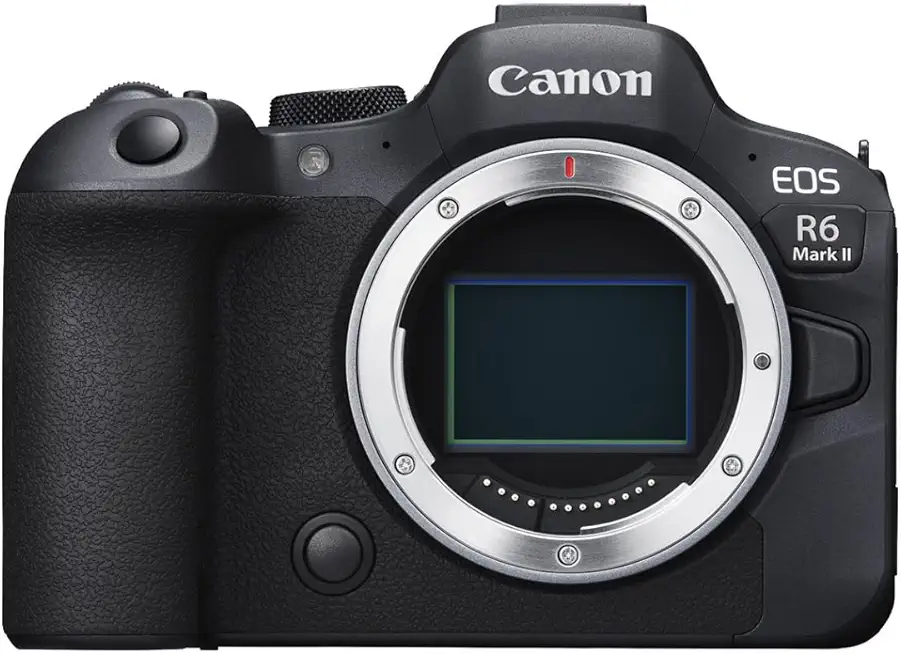
Canon EOS R6 Mark II Camera
Versatile full-frame mirrorless offering fast burst rates, advanced autofocus, and 8-stop in-body stabilization—ideal for low-light shooting and cinematic 4K video capture. Robust handling for pros and enthusiasts alike.
Check PriceThe Numbers You Need
| Spec | Value |
|---|---|
| Sensor | 24.2 MP full frame |
| Image processor | DIGIC X |
| ISO range | 100–102,400 (expandable to 50–204,800) |
| In-body stabilization | Up to 8 stops |
| Autofocus | Dual Pixel CMOS AF II; subject detection (people, animals, vehicles) |
| Maximum burst rate | 40 fps (electronic shutter) |
| Mechanical shutter | 12 fps |
| Viewfinder | 3.69M-dot OLED EVF, 120 Hz |
| LCD | 3.0″ vari-angle, 1.62M dots |
| Video | 4K 60p 10-bit (oversampled from 6K); Full HD 180p |
| Dual card slots | 1× CFexpress Type B; 1× SD UHS-II |
| Connectivity | Wi-Fi, Bluetooth, USB 3.1 Gen 2 Type-C |
| Battery | LP-E6NH (compatible with older LP-E6) |
| Weight | 670 g (including battery and memory card) |
| Weather sealing | Yes |
How It’s Built
In my testing the Canon EOS R6 Mark II just feels like a camera you can work with all day. The grip is deep and secure, the main dials fall under your fingers, and controls are laid out in a way that made quick adjustments feel natural. For beginners that means less fumbling and more time getting the shot.
The viewfinder is sharp and refreshes smoothly, so I rarely felt lost when tracking moving subjects. The fully articulating screen is bright enough for outdoor framing and makes low or high-angle shots, plus vertical video, much easier. I really liked how the EVF/LCD combo helped me stay composed in fast-changing situations.
Storage and ports are sensible for real shoots — two card slots and a modern USB-C connection made offloading and tethering straightforward in the field. After using it for a while I found the mixed-card setup useful but it does force you to think about a card strategy, which could trip up beginners at first.
Build feels solid and weather-sealed; I shot in drizzle without worry and the balance with my go-to lenses was comfortable. Battery life is reasonable for stills but can run short during long video sessions, so plan to carry a spare. The in-body stabilization is a standout, letting me handhold slower shutter speeds and capture steadier footage without a gimbal.
In Your Hands
Out of the bag the Canon EOS R6 Mark II feels brisk and immediate, with menus and controls reacting without hesitation so you can stay focused on the scene. Burst shooting behaves like a steady stream through the EVF with minimal blackout, and using the faster media slot for long runs keeps the camera breathing easily while the SD slot is fine for shorter bursts.
Files from the mid‑resolution full‑frame sensor deliver pleasing detail and generous dynamic range that survives grading, and the color rendition leans toward warm, flattering skin tones that make portrait work efficient. RAW files respond well to exposure rescue and color tweaks without collapsing highlights or muddying shadows.
The in‑body stabilization is a practical game changer for handheld work, letting you shoot slower shutter speeds with confidence and tightening up panning shots. Video looks considerably steadier off a tripod, and telephoto handholds yield more keepers when you need to run and gun.
Video from the camera benefits from an oversampled high‑resolution pipeline and expanded color depth, producing footage that tolerates grading and retains texture; high‑frame‑rate modes provide useful slow‑motion b‑roll. Modern codecs mean you’ll want fast media and a capable edit workstation for the smoothest workflow, but monitoring and exposure aids in the field are reliable and intuitive.
On real shoots—weddings, events, travel, and wildlife—the body lets you concentrate on timing and composition: autofocus rarely missed decisive moments in low light, silent electronic shooting kept ceremony coverage discreet, and subject tracking stayed composed through erratic motion. For portrait and run‑and‑gun creators alike it’s a versatile, dependable hybrid that simply gets the job done.
The Good and Bad
- 24.2 MP full-frame sensor with DIGIC X for responsive operation
- Up to 40 fps electronic and 12 fps mechanical burst rates for action coverage
- Dual Pixel CMOS AF II with subject detection for people, animals, and vehicles
- In-body image stabilization up to 8 stops for steady handheld stills and video
- Lower 24.2 MP resolution versus higher-MP competitors if heavy cropping or very large prints are routine
- Using the 40 fps electronic shutter can introduce rolling shutter artifacts depending on scene motion
Ideal Buyer
If your day job is freezing motion and nailing focus in chaotic environments, the Canon EOS R6 Mark II is built for you. Its 40 fps electronic burst, sticky Dual Pixel CMOS AF II, and fast DIGIC X pipeline favor photographers who can’t wait for a second chance. Sports, wildlife, and action shooters will appreciate the higher keeper rate in the field.
Wedding and event shooters who work in dim venues will find IBIS and dependable low‑light AF a game changer. The body’s weather sealing and comfortable ergonomics mean longer handheld days without compromise. Silent electronic shooting and robust tracking make it ideal for quiet, unobtrusive coverage.
Hybrid creators who want great stills and oversampled 4K60 10‑bit in a single package will love the R6 Mark II. It eats run‑and‑gun shoots, handheld B‑roll, and quick YouTube setups without a gimbal. Dual slots and USB‑C tethering smooth real‑world workflows for fast turnaround.
Look elsewhere if you routinely need maximum megapixels for heavy cropping or giant commercial prints. Also consider more video‑centric bodies if you need exhaustive codecs, unlimited record times, or a cinema‑style workflow. For most pros who balance action, events, and hybrid video, this camera hits the sweet spot.
Better Alternatives?
We’ve covered the Canon EOS R6 Mark II in detail — its speed, locking AF, and strong stabilization make it a great all‑round hybrid body. But no single camera is perfect for every shooter, so it helps to look at other bodies that trade some of the R6 Mark II’s strengths for other real-world advantages.
Below are three practical alternatives I’ve used in the field. I’ll tell you what each one does better and worse than the R6 Mark II, and who is most likely to prefer them based on real shooting experience.
Alternative 1:
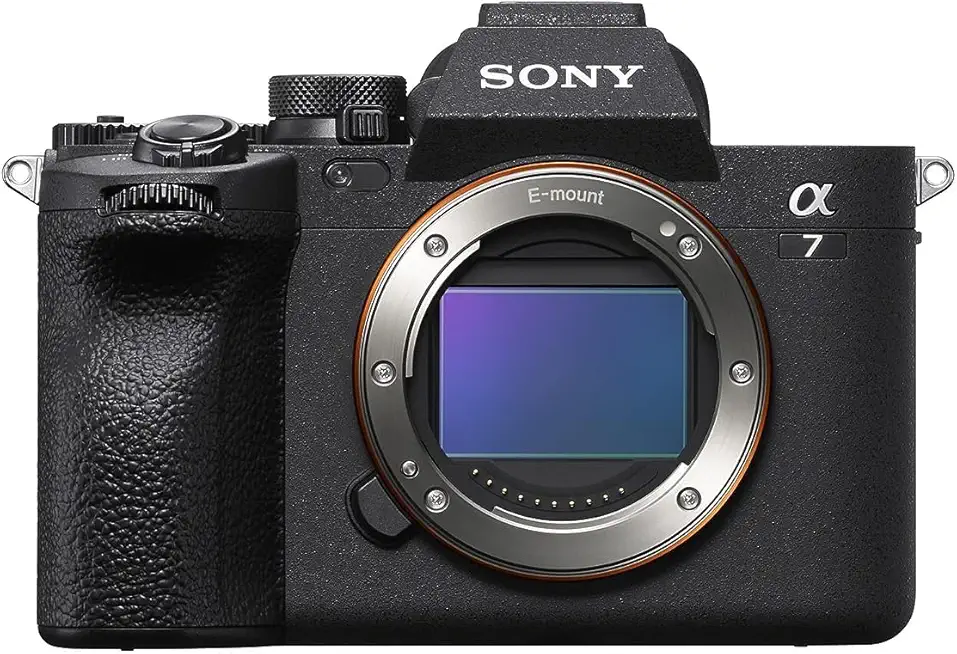
Sony Alpha 7 IV Camera
High-resolution full-frame hybrid delivering detailed 33MP stills, sophisticated real-time autofocus, and rich 10-bit video for creators. Responsive handling, improved buffer performance, and reliable low-light results for demanding projects.
Check PriceI’ve shot weddings and landscapes with the Sony A7 IV and its biggest practical win over the R6 Mark II is resolution. The extra 33MP gives you more room to crop and keep fine detail, which matters for studio work, landscapes, and commercial jobs where print size or tight crops are common. The in‑camera color and video tools are very good too, so footage can look pleasing straight out of the camera once you learn the picture profiles.
Where it falls short next to the R6 Mark II is in some fast-action, unpredictable tracking situations. In my experience Canon’s subject tracking still feels a bit more locked-on for erratic wildlife and very fast sports. The Sony also makes larger files, so you’ll need more storage and a bit more processing power in your workflow — that’s something to plan for on long shoots.
If you’re a studio, landscape, commercial, or hybrid creator who needs higher resolution and a broad lens ecosystem, you’ll likely prefer the A7 IV. It’s a great choice when detail and cropping ability matter more than the absolute fastest burst AF performance.
Alternative 2:
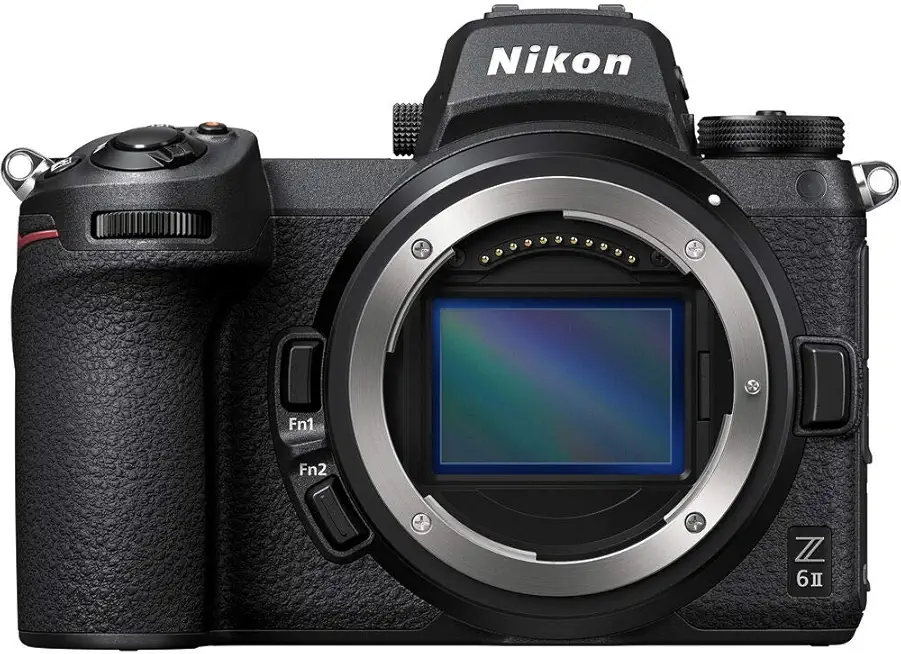
Nikon Z 6II Camera
Balanced full-frame mirrorless with dual processors for faster performance, impressive low-light sensitivity, and steady in-body stabilization. Excellent autofocus, extended battery life, and pro-grade 4K capture for hybrid shooters.
Check PriceThe Nikon Z 6II is one I reach for when I want a comfortable, no‑nonsense workhorse. Its handling and button layout make long shoots easier on my hands, and the color and skin tones out of camera are very reliable — which cuts down on edit time for portraits and events. In many real-world shoots the dynamic range and low‑light performance feel on par with the R6 Mark II.
Compared to the Canon, the Z 6II can feel a step behind for really fast, unpredictable subjects. While Nikon has improved AF and burst handling with the dual processors, I found the R6 Mark II gives a slight edge for birds in flight and high-speed sports where keeper rate matters most. Video is solid on the Z6 II but it doesn’t quite match the R6 Mark II’s oversampled 4K60 look in all situations.
Choose the Z 6II if you value a comfortable body, natural color, and a steady hybrid tool that’s great for portraits, weddings, and travel. It’s a balanced pick for shooters who want strong all‑around performance without pushing the very fastest AF extremes.
Alternative 3:
Nikon Z 6II Camera
Compact yet rugged full-frame body designed for smooth handheld shooting, predictable color rendering, and wide dynamic range. Seamless ecosystem compatibility with native lenses makes it a versatile everyday workhorse.
Check PriceI’ve also used the Z 6II as a grab‑and‑go body for travel and run‑and‑gun shoots. Its compact, solid build and reliable IBIS let me handhold at slower shutter speeds without worrying, which is great for street work and video b‑roll. The color and tonal response are predictable, so it’s easy to match with other cameras in a multi‑camera setup.
Where it’s not as strong as the R6 Mark II is sheer burst speed and the very latest subject detection quirks — the Canon still wins for high‑frame chasing and certain animal tracking scenarios. If your work depends on the absolute most confident AF in messy, high‑speed scenes, the R6 Mark II will edge the Z 6II in keeper rate. Also, Nikon’s video feature set is more conservative compared to Canon’s newest tricks.
Pick this version of the Z 6II if you want a rugged, easy-to-use full‑frame camera for everyday shooting, travel, and handheld video. It’s the kind of body that reduces friction on long days and keeps your images looking good straight from the camera, even if you aren’t chasing the fastest action.
What People Ask Most
Is the Canon R6 Mark II worth buying?
Yes — it’s an excellent hybrid camera with fast AF, high burst rates and strong low-light and video performance that make it great value for most shooters.
What’s the difference between the Canon R6 and the R6 Mark II?
The R6 Mark II adds higher resolution, faster burst shooting, improved AF, uncropped 4K/60p and better heat and battery handling compared with the original R6.
How good is the autofocus on the Canon R6 Mark II?
Excellent — Canon’s subject-detection AF is fast and reliable for eyes, faces, animals and vehicles, even in challenging light.
Can the Canon R6 Mark II shoot uncropped 4K 60p?
Yes — it can record uncropped internal 4K/60p, giving cleaner full-frame footage without the heavy crop of the original R6.
Does the Canon R6 Mark II overheat during long video recordings?
Generally no — heat management is much improved so you can record long 4K/60 clips, though extreme ambient heat or very long high-bitrate sessions can still trigger limits.
Is the Canon R6 Mark II good for sports and wildlife photography?
Yes — with very fast continuous shooting, reliable AF tracking and strong low-light performance, it’s a solid choice for action and wildlife work.
Conclusion
The Canon EOS R6 Mark II is, to my eye, the most balanced hybrid Canon has made for photographers who need speed and reliable AF more than ultra-high resolution. Its combination of blistering responsiveness, rock-solid subject detection and image stabilization makes it a camera you can trust in hectic real-world shoots.
In testing it excelled on fast-action assignments and dim venues, delivering high keeper rates and steady handheld video thanks to its IBIS and refined autofocus. The oversampled 4K60 10-bit video is a genuinely useful tool for hybrid creators who want gradeable footage without carrying extra rigs.
Trade-offs are real: if you live by heavy cropping or need the absolute maximum megapixels for large commercial prints, the R6 Mark II’s resolution will feel conservative. Electronic shutter quirks and demanding 10‑bit workflows also require thoughtful media choices and a faster edit rig.
My practical advice: pair it with bright primes or a versatile telephoto zoom, use fast media for long bursts, enable subject detection and lean on IBIS for low-light handholding. If you need more pixels pick the Sony A7 IV, choose a Panasonic Lumix S5 II for video-first feature sets, or consider the Nikon Z6 II for price-conscious value. For most event, sports, and hybrid shooters this body hits a rare sweet spot.
Canon EOS R6 Mark II Camera
Versatile full-frame mirrorless offering fast burst rates, advanced autofocus, and 8-stop in-body stabilization—ideal for low-light shooting and cinematic 4K video capture. Robust handling for pros and enthusiasts alike.
Check Price




0 Comments