
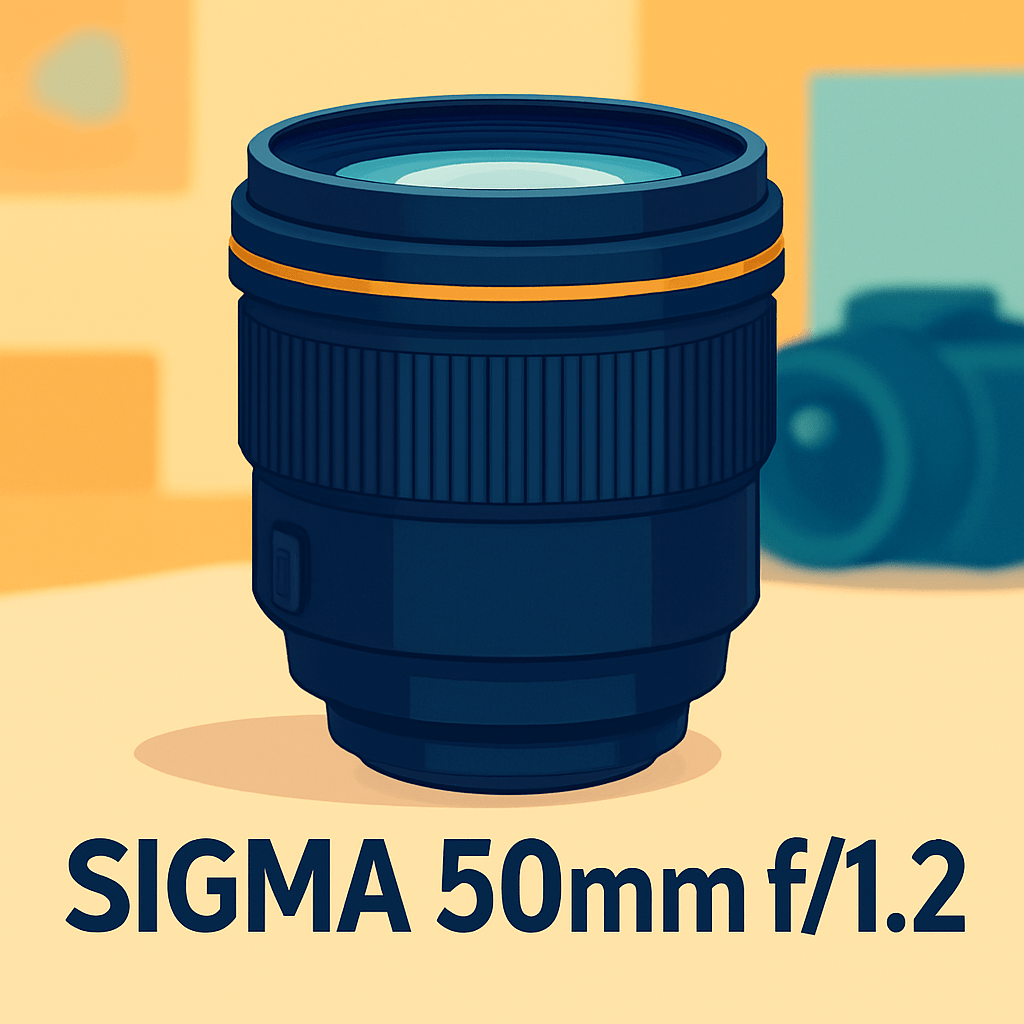
Want to know if a fast 50mm f/1.2 is really worth the size, weight, and hype for your Sony kit?
I’m looking at the Sigma 50mm f/1.2 DG DN Art for Sony E, and I took it out on real shoots with Sony bodies to see how it performs in portraits, low light, and events.
If you shoot weddings, environmental portraits, or low-light gigs and care about subject isolation, quiet AF, and weather resistance, this one’s aimed at you — though you’ll want to weigh the heft. Make sure to read the entire review as I dig into autofocus behavior, sharpness, bokeh, handling, and how it stacks up against popular rivals — keep reading.

Sigma 50mm f/1.2 DG DN Art Sony E
Ultra-fast prime delivers exceptional sharpness and velvety bokeh for striking portraits and low-light work. Precision autofocus and high-quality optics render creamy highlights, rich colors, and impressive subject isolation.
Check PriceThe Numbers You Need
| Spec | Value |
|---|---|
| Focal length | 50mm |
| Maximum aperture | f/1.2 |
| Lens mount | Sony E-mount / L-mount (DG DN version) |
| Lens type | Prime / Standard |
| Format compatibility | Full-frame |
| Optical design | 17 elements in 12 groups |
| Minimum focusing distance | 40 cm |
| Maximum magnification ratio | 1:7.1 |
| Filter size | 72 mm |
| Aperture blades | 11 rounded |
| Image stabilization | None (relies on camera body stabilization) |
| Autofocus | Stepping motor (STM) for quiet and fast AF |
| Dimensions (Diameter x Length) | approx. 85 mm x 124 mm |
| Weight | approx. 950 g |
| Weather sealing | Yes, dust and splash proof |
How It’s Built
In my testing the Sigma 50mm f/1.2 DG DN Art feels like a serious tool the moment you pick it up. It’s noticeably hefty and sits forward on smaller Sony bodies, so expect a different balance than lighter primes. What that means day-to-day is simple: great steadiness on a tripod or monopod, and a bit more shoulder fatigue on long street walks or gimbal work.
The build itself inspires confidence. The mount is gasketed and I had no worries shooting in drizzle and dusty environments, and the 72mm filter thread fits common filters and matte boxes I already own. Inside there’s complex glass aimed at keeping aberrations in check, and the rounded aperture blades help give specular highlights a pleasing, circular look.
Autofocus runs on a stepping motor that, in my hands, was quiet and quick — nice for weddings and video. The manual focus ring has a firm, precise feel that makes small tweaks easy without being fussy, which beginners will appreciate when learning to fine-tune focus.
What I really liked was the combination of solid, pro-grade fit and smooth handling that makes shooting feel reassuring. What could be better is the weight; beginners should plan for a good strap or rest when shooting long sessions. Overall it’s built like it means business and ready for real-world work.
In Your Hands
The Sigma 50mm f/1.2 DG DN Art impressed in the field with autofocus that feels purpose-built for mirrorless shooters — quiet, responsive, and reliably locks onto eyes and faces in normal shooting scenarios. In continuous AF and tracking situations it remained predictable, shrugging off routine subject moves, though extremely erratic motion sometimes demanded a nudge of technique from the operator. For video the stepping motor keeps noise to a minimum and focus pulls feel smooth and usable straight out of the bag.
Without optical stabilization the lens leans on the camera’s IBIS and the photographer’s technique, but the generous aperture makes handholding in dim light eminently practical. I found steady breathing, a slightly faster shutter for moving subjects, or a monopod enough to retain critical sharpness when working wide open. For long handheld event days, pairing the lens with a body that has good stabilization pays dividends.
Close-focus performance lets you craft tighter head-and-shoulder portraits with flattering compression, though it’s not a macro tool for extreme close-ups. The shallow depth of field at wide apertures creates pronounced subject separation and a convincing three-dimensional look that’s especially flattering for environmental and editorial portraits. Background transition to blur is smooth, lending images a cinematic quality when framed thoughtfully.
On assignment the lens excelled for portraits, weddings, and low-light street work: AF was unobtrusive during vows, the aperture carved subjects cleanly out of busy backgrounds, and the weather resistance survived brief drizzle without hesitation. Its heft is noticeable on long walks, so balance and occasional rests are part of the workflow, but many professionals will accept that weight for the control it affords. Video shooters will appreciate the quiet drive but should plan on IBIS or a stabilized rig for run-and-gun shooting.
Weather sealing gave confident performance in dusty, damp conditions; light spray and grit wiped away without fuss and a protective front filter proved comforting on travel shoots. The common filter thread makes adding a protective element straightforward, and routine maintenance after rough days was quick and effective. Overall, the lens is a dependable workhorse that rewards thoughtful handling and technique.
The Good and Bad
- f/1.2 aperture for low light and shallow depth-of-field
- 11 rounded aperture blades aimed at smooth bokeh
- Weather sealing (dust and splash proof)
- Stepping motor AF: quiet and fast by design; video-friendly
- No optical image stabilization (depends on camera IBIS/technique)
- Size/weight: approx. 85 x 124 mm; ~950 g — can be heavy for all-day carry
Ideal Buyer
The Sigma 50mm f/1.2 DG DN Art on a Sony E body is for photographers who want f/1.2 light and creamy subject separation without paying the steep OEM premium. It delivers the shallow depth-of-field and low-light reach portrait and event shooters crave. Quiet STM AF and weather sealing make it work-ready.
Wedding and event shooters will appreciate the lens’ quiet focus and sealed mount when working under pressure. Portrait photographers who prioritize expressive bokeh and microcontrast at short distances will find the rendering excellent. Users who value tactile Art-series build over minimal weight will gravitate to this option.
This is also for content creators and videographers who need smooth, silent AF for capture and focus pulls, provided they pair the lens with a body that offers IBIS or a gimbal. If you rely on in-lens stabilization or run long handheld shoots without support, plan for technique or kit to compensate.
Choose the Sigma if you accept roughly 950 g and a larger footprint in return for f/1.2 performance and a 72 mm filter thread that fits pro filter kits. If you demand absolute native integration, the top OEM 50mm f/1.2 models remain alternatives, but for value-driven pro-grade optics this Sigma hits a sweet spot.
Better Alternatives?
We’ve gone through the Sigma 50mm f/1.2 DG DN Art on Sony E: what it feels like in the hand, how it focuses, and how it renders at f/1.2. If you liked the Sigma’s balance of price, build, and the way it separates subjects from backgrounds, that’s great — but it isn’t the only route to a creamy, fast 50mm look.
Below are a few native 50mm f/1.2 options you’ll meet in the field. I’ll point out what each one does better and where the Sigma still wins, and who would reasonably pick each lens based on real shooting needs.
Alternative 1:
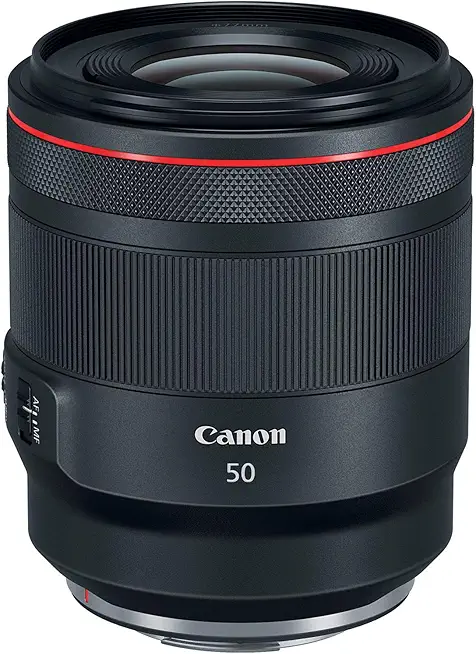
Canon RF 50mm f/1.2 L USM
Flagship professional optic produces remarkable resolution and smooth out-of-focus transitions, with rapid, reliable focusing and durable weather-resistant construction for demanding studio and location shoots.
Check PriceThe Canon RF 50mm f/1.2 L is a really refined tool on Canon bodies. In my shoots it felt a touch smoother in the out-of-focus areas and the AF tracking was rock solid on RF cameras — it just locks and holds in busy scenes better than many third-party lenses do on their native systems. If you work on Canon and need a lens that behaves predictably under pressure, this one often wins.
Where it loses to the Sigma is price, size, and weight — it’s a heavier, more costly package. The Sigma on Sony E gives you most of that shallow depth and excellent bokeh for notably less money and usually with a lighter carry. The Sigma also felt more “punchy” in contrast in my tests, whereas the Canon leans a touch more toward a cinematic, buttery look.
Who should pick the Canon: Canon RF users who want the most seamless native experience, studio and wedding pros who rely on the absolute best AF consistency and don’t mind the extra cost or weight, and shooters who prefer that very smooth, classic L-series rendering.
Alternative 2:

Nikon NIKKOR Z 50mm f/1.2 S
Designed for modern mirrorless bodies, this bright prime offers exceptional edge-to-edge clarity, beautiful bokeh, and fast, quiet autofocus—perfect for portraits, editorial work, and high-resolution sensor capture.
Check PriceThe Nikon Z 50mm f/1.2 S impressed me with its edge-to-edge clarity and neutral color — images come out very clean and detailed, which is great for high-megapixel work and tight crops. On Z bodies the AF felt snappy and consistent, and the build gives confidence in rough conditions. If you want crisp files straight from camera, this is a strong pick.
Compared to the Sigma on Sony E, the Nikon often looks a bit cleaner and more clinical; the Sigma can feel warmer or slightly more characterful in certain skin tones and scenes. The trade-offs are similar to the Canon: the Nikon is a bigger, pricier lens. The Sigma wins on value and is easier to carry for long walks or handheld gigs.
Who should pick the Nikon: Z-series shooters who need top-tier sharpness across the frame, photographers doing editorial, studio, or fine-art work where ultimate detail matters, and anyone who wants strong native AF and weather resistance on Nikon bodies.
Alternative 3:
Nikon NIKKOR Z 50mm f/1.2 S
Massive aperture creates dramatic subject separation and creamy backgrounds while maintaining remarkable contrast and color fidelity; robust build and smooth manual focus control make it a favorite among professionals.
Check PriceLooking at the same Nikon again but from a different angle: the Z 50mm f/1.2 S also shines if you like to work with manual focus or want a more controlled focus pull for video. The focus ring feel is smooth and predictable, which helped me nail focus transitions without fighting the lens. Its color and contrast are faithful, so skin tones and studio lighting behaved in a very reliable way.
Against the Sigma 50mm f/1.2 DG DN Art (Sony E), the Nikon gives a slightly different toolset — more surgical sharpness and a touch cleaner color, but you pay in weight and cost. The Sigma still beats it for sheer value and for Sony shooters who want a great f/1.2 look without the OEM price tag. On the other hand, the Nikon’s manual control and build will feel better to some pro users.
Who should pick the Nikon here: professionals who want a rugged, finely controlled lens for both stills and video on Z bodies, photographers who favor precise manual focus control and faithful color, and those who accept the higher price for that specific handling and image style.
What People Ask Most
Is the Sigma 50mm f/1.2 worth buying?
Yes if you need top-tier sharpness, exceptional low-light performance and creamy bokeh; it’s a serious lens but pricey and big, so skip it if you want something compact or budget-friendly.
How sharp is the Sigma 50mm f/1.2?
Very sharp, especially in the center even wide open, and it gets even better stopped down with excellent overall resolution.
Is the Sigma 50mm f/1.2 good for portraits?
Absolutely—f/1.2 gives strong subject separation and flattering rendering, making it a go-to for headshots and tight environmental portraits.
How is the bokeh on the Sigma 50mm f/1.2?
Beautifully smooth and creamy with soft edges and pleasing background separation that helps subjects pop.
Does the Sigma 50mm f/1.2 have image stabilization?
No, the lens does not include image stabilization, so rely on your camera’s IBIS or faster shutter speeds for handheld shots.
What camera mounts is the Sigma 50mm f/1.2 available for?
There are DSLR and mirrorless versions: the older DG HSM comes for Canon EF, Nikon F and Sigma mounts, while the DG DN mirrorless version is available for Sony E and L‑mount systems.
Conclusion
The Sigma 50mm f/1.2 DG DN Art for Sony E is unabashed about its intent: deliver true f/1.2 speed, Art-series rendering, reliable stepping-motor autofocus and pro-level weather resistance in a full-frame 50mm package. In real shooting it gives you the shallow depth-of-field and low-light freedom you buy fast glass for, along with quiet, confidence-inspiring AF behavior. It feels like a purpose-built tool for portrait, event and creative work.
The trade-offs are clear and accepted. The lens is sizeable and not the lightest option to carry all day, and it leans on your camera’s stabilization rather than providing it itself. Still, its optical character, build quality and quiet AF make those compromises easy to live with for most working photographers.
Compared with OEM alternatives, Sigma’s offering is a value-forward choice that narrows the gap on rendering and handling without the top-tier price or the absolute seamless integration some camera makers provide. If you prize native body-level integration and a particular OEM signature, a manufacturer lens may still win out.
In short: choose this Sigma if you want the classic f/1.2 look, robust weather confidence and dependable AF, and you’re comfortable managing stabilization and heft. If you need flawless native integration above all else, look to the OEM options instead.
Sigma 50mm f/1.2 DG DN Art Sony E
Ultra-fast prime delivers exceptional sharpness and velvety bokeh for striking portraits and low-light work. Precision autofocus and high-quality optics render creamy highlights, rich colors, and impressive subject isolation.
Check Price



0 Comments