
Want better image quality without hauling a bulky rig everywhere you go?
The Sony A7C II Camera promises full-frame image quality in a travel-friendly body, aimed at street shooters and hybrid creators who juggle stills and video. I took it into the field on real assignments to see how it performs where it matters most.
This review will walk through what the camera actually delivers — reliable autofocus, in-body stabilization, usable video tools, and day-to-day ergonomics — and who should consider it. Make sure to read the entire review as I break down the real-world wins and trade-offs, keep reading.
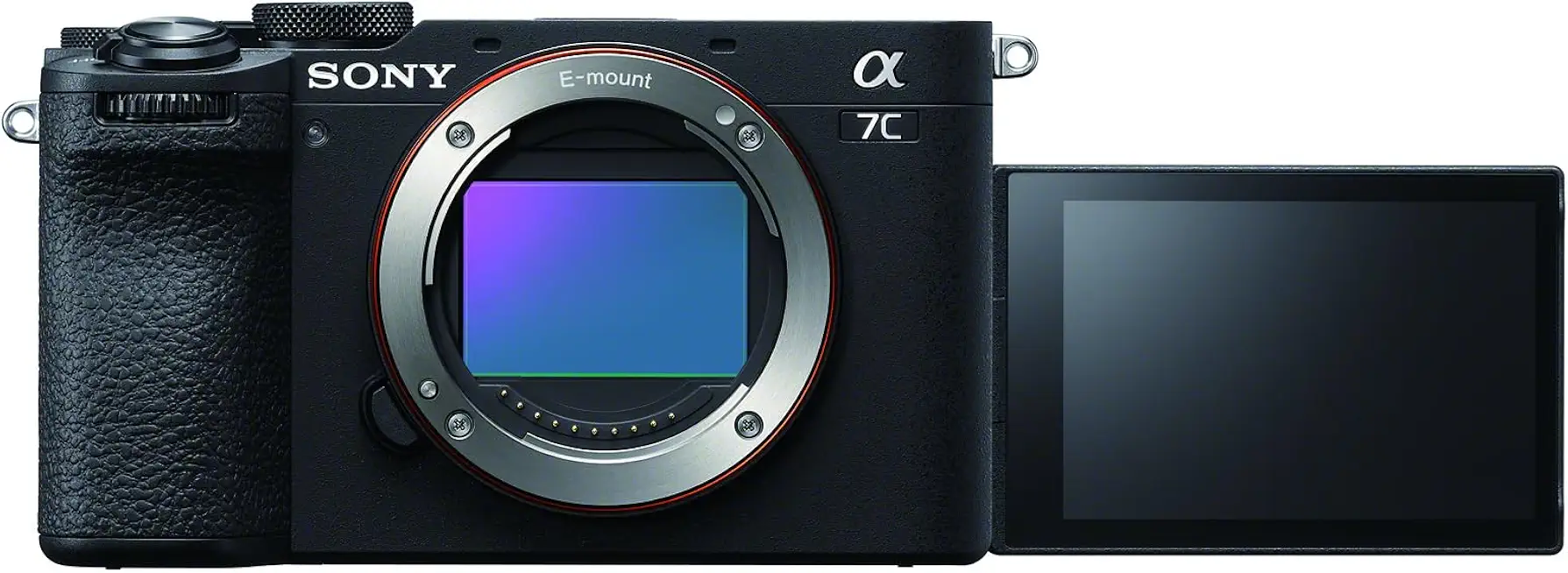
Sony A7C II Camera
Ultra-compact full-frame mirrorless designed for travel and street photographers; combines lightweight portability with exceptional low-light sensitivity, fast autofocus, stabilized handheld shooting and versatile video features for hybrid creators on the move.
Check PriceThe Numbers You Need
| Spec | Value |
|---|---|
| Sensor | 33 MP |
| Sensor Type | Full-frame CMOS |
| Image Processor | BIONZ XR |
| Autofocus | Hybrid: Real-time Tracking, Eye AF; 759 phase-detection / 425 contrast-detection points |
| ISO Range | 100–51,200 (expandable to 50–204,800) |
| In-Body Image Stabilization | 5-axis, up to 7-stop compensation (CIPA) |
| Shutter | Electronic & Mechanical; up to 1/8000s; anti-distortion shutter |
| Viewfinder | 2.36M-dot OLED EVF |
| LCD | 3.0″ 1.03M-dot tilting touchscreen |
| Video | 4K30p full-width (oversampled 7K); 4K60p (1.5× crop); 10-bit 4:2:2; S-Log3; S-Cinetone |
| Battery | NP-FZ100 (up to 540 shots, CIPA) |
| Weight (Body Only) | 514 g |
| Body Size | 124 × 71.1 × 63.4 mm |
| Weather Resistance | Dust- and moisture-resistant |
| Dual Card Slots | No — Single UHS-II SD |
How It’s Built
In my testing the Sony A7C II Camera feels like a full-frame squeezed into a travel-sized body. It’s small and light compared with traditional full-frame cameras, which made street and all-day shooting easy. That meant I grabbed it on more trips.
The build is solid without feeling heavy. It has weather resistance so I wasn’t worried when a light drizzle hit during a shoot. That means fewer canceled outings and more keepers.
Controls are straightforward and the layout is friendly for beginners. The small grip is comfy for short sessions, but with bigger lenses I needed a firmer hold. Pros using heavy glass should try it first.
The viewfinder and tilting touchscreen are responsive and usable in most light. In bright sun the screen stays readable and the EVF works fine for quick framing, though it’s not the most detailed. For critical manual focus you might notice limits.
What I really liked were the mic and headphone jacks — they make on-location video work much easier. What could be better is the single card slot, which gives no instant backup on big jobs. That’s an important trade-off to know before a client shoot.
In Your Hands
The Sony A7C II’s autofocus is the camera’s most consistently impressive feature in real assignments; its hybrid AF locks onto faces and eyes quickly and tracks subjects through crowded, changing scenes with reassuring persistence. In my shoots it sidestepped most focus-hunting moments, only occasionally stuttering on extremely erratic movement or very low-contrast subjects before snapping back into lock.
Image stabilization and shutter behavior make the A7C II a confident handheld tool — the in-body system noticeably steadies longer lenses and slow-shutter handheld work, and panning remains smooth for casual action. The mechanical and electronic shutter options both feel reliable in the field, with the silent electronic mode invaluable for discreet street and event shooting, though extreme high-speed action will benefit from more dedicated pro rigs.
Noise handling and responsiveness are strong assets: the sensor/processor pairing keeps grain character pleasing and preserves micro-detail you can trust for client delivery, and autofocus responsiveness holds up as sensitivity climbs into usable ranges. In practice you get good latitude for RAW recovery and clean web- and print-ready files without heavy noise-digging.
Battery life is more than adequate for a full day of mixed stills and intermittent video, but heavy EVF use or sustained video recording will bring a spare into play. For travel and run-and-gun assignments I still carry an extra cell, but it isn’t a constant drain.
Ergonomically the compact body is a joy for long walks and street work, though the small grip shifts balance when paired with larger lenses and benefits from two-handed support or a tripod for extended sessions. Controls are thoughtfully placed and customizable, and the touchscreen speeds framing and AF selection when pace matters.
The Good and Bad
- Compact, lightweight full-frame body (514g; 124 x 71.1 x 63.4mm)
- 33MP full-frame CMOS with BIONZ XR
- Hybrid AF with Real-time Tracking and Eye AF; dense 759 PDAF + 425 CDAF points
- 4K30 full-width oversampled from 7K with 10-bit 4:2:2, S-Log3 and S-Cinetone
- Single UHS-II SD card slot (no dual-card redundancy)
- 4K60 imposes a 1.5x crop
Ideal Buyer
If you live out of a backpack and chase light rather than heavy rigs, the Sony A7C II Camera is built for you. It squeezes a 33MP full-frame sensor, 5-axis IBIS and pro-grade AF into a pocketable body. That combination makes it ideal for travel, street and everyday assignments where mobility matters.
Hybrid creators get surprisingly deep video tools in a small frame. Internal 10-bit 4:2:2, S-Log3 and S-Cinetone pair with reliable Real-time Eye AF for interviews and walk-and-talks. Be mindful that 4K60 uses a 1.5x crop and there’s only a single UHS-II card slot, so plan your lenses and backup workflow.
Pick the A7C II if you prize full-frame quality without lugging a bigger body, or if you need a discreet second camera for weddings, reportage or city work. Skip it if you require dual-card redundancy, a beefier grip for long handheld video days, or the largest EVF for critical manual focus. For everyone else the trade-offs reward portability and speed without giving up core performance.
If you shoot solo and edit on the move the A7C II’s battery life and pocketable footprint keep you shooting longer. It’s a smart choice for creators who favor discretion, fast AF and high-res stills without a full kit. Bring a card workflow and a spare battery and it becomes an everyday workhorse.
Better Alternatives?
We’ve gone deep on the Sony A7C II — its tiny full-frame body, good autofocus, 33MP stills and useful 10-bit video all wrapped in a travel-friendly package. That compact size and balance are what make it special, but not everyone wants to trade other things for portability.
Below are a few cameras I’ve shot with a lot that make different trade-offs: bigger bodies with more controls and backup slots, faster action-focused AF, or video-friendly screens and recording habits. I’ll tell you what each does better and worse than the A7C II and what kind of shooter will prefer each one.
Alternative 1:
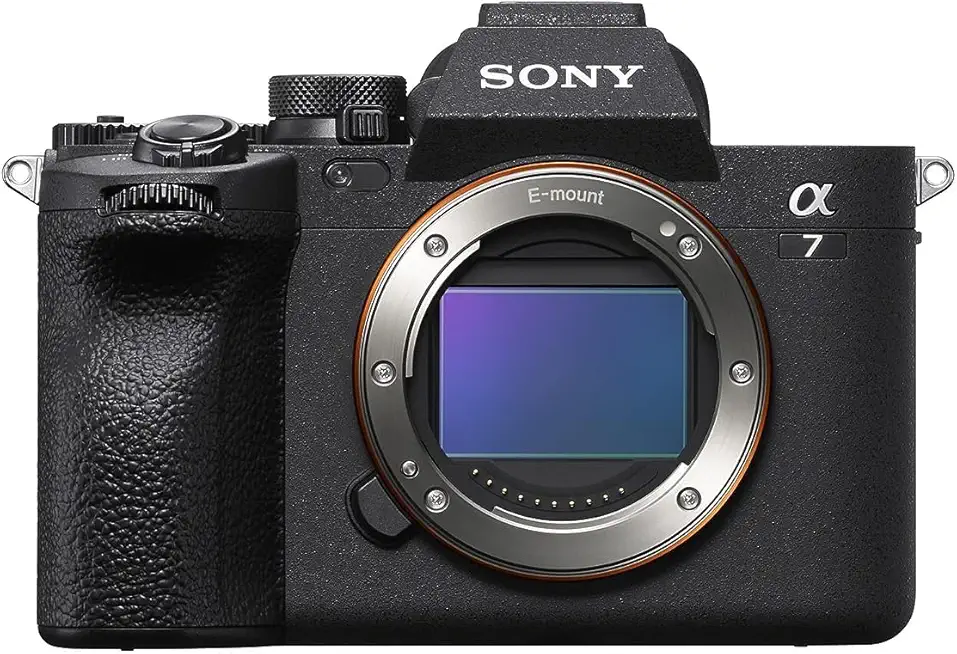
Sony A7 IV Camera
Balanced pro-level imaging that excels in both stills and video; features responsive autofocus, high-resolution capture, reliable in-body stabilization, robust ergonomics and connectivity to support demanding content creators and studio workflows.
Check PriceThe Sony A7 IV feels like the grown-up sibling of the A7C II. In real shoots I noticed the bigger grip and extra buttons make long photo and video days far less tiring, and the larger viewfinder makes manual focusing and critical framing easier. If you want the same image look and similar resolution but need more control and a more comfortable hold, the A7 IV is the obvious step up.
Where it wins over the A7C II is in pro workflow features: you get dual card slots for on-the-spot backups, more ports, and a body that handles longer video runs without feeling as warm or cramped. What it gives up is the A7C II’s small size — the A7 IV is heavier and less pocketable, so it’s not as nice for stealthy street work or travel when light packing is the goal.
Pick the A7 IV if you’re a wedding, event, or studio shooter who needs backup recording, more tactile controls, and a camera that sits better with longer lenses. If your top priorities are the smallest possible full-frame body and travel convenience, the A7C II still wins.
Alternative 2:
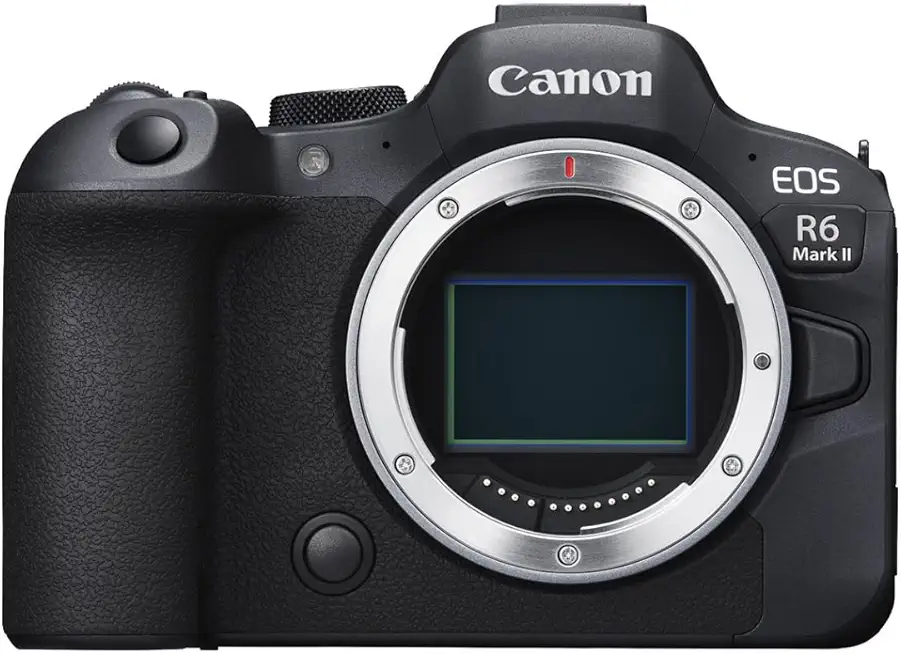
Canon EOS R6 Mark II Camera
High-speed performance tailored for action and wildlife shooters: lightning-fast continuous shooting, advanced subject tracking, impressive low-light capability and rock-solid in-body stabilization to capture decisive moments with confidence in challenging conditions.
Check PriceThe Canon R6 Mark II is a camera I reach for when speed and rock-solid subject tracking matter. In real-world action shoots — kids sports, dogs chasing balls, or busy wildlife moments — the R6 II holds focus and keeps up with crazy bursts in a way that feels more confident than the A7C II. The colors straight out of camera are also very pleasing, which helps when you need quick turnarounds.
Compared to the A7C II, the R6 II trades a bit of resolution for cleaner high-ISO files and smaller file sizes that are easier to handle in fast workflows. It also gives you dual card slots and a sturdier grip, so you feel safer on paid jobs. The downside is it’s bigger than the A7C II and not as pocketable; you lose some of that travel-friendly stealth the Sony offers.
If you shoot a lot of action, wildlife, or events where reliable AF and burst performance matter more than tiny extra resolution, the R6 Mark II will likely feel better in hand. If you prioritize the smallest full-frame body and a 33MP sensor for more cropping room, stick with the A7C II.
Alternative 3:
Canon EOS R6 Mark II Camera
A hybrid-focused body offering smooth 4K recording, reliable autofocus, dual card slots and weather-sealed construction; intuitive controls and customizable menus make it ideal for run-and-gun filmmakers and demanding event photographers.
Check PriceSeen from a video-first angle, the R6 II is a very practical tool. I’ve used it on run-and-gun shoots and found the fully articulating screen and strong autofocus make interviews, vlogging, and handheld B-roll easy to pull off without rigging up lots of extras. The dual slots and reliable recording behavior give you peace of mind on paid gigs where footage safety matters.
Against the A7C II, the R6 II often gives a more friendly grip and a flip screen that’s easier for solo shooters and vloggers. The trade-offs are the same: you’re carrying a larger camera and you don’t get the A7C II’s smallest-in-class feel. The A7C II still wins for travel and times you want to disappear into the crowd or carry minimal gear.
Choose the R6 Mark II if you make a lot of video in varied setups — interviews, event coverage, or one-person shoots — and want a comfortable, reliable body with recording redundancy. If you put portability and the highest resolution in a tiny package first, the A7C II remains the better fit.
What People Ask Most
Is the Sony A7C II worth buying?
Yes — it’s a great compact full-frame with modern autofocus, improved handling and strong video features, but consider other A7 bodies if you need higher resolution or more advanced ergonomics.
What are the differences between the Sony A7C II and the original A7C?
The A7C II adds a newer sensor and processor, noticeably better autofocus, a higher-res EVF, improved handling and IBIS along with other usability refinements.
How good is the autofocus on the Sony A7C II?
Very good — fast, reliable subject and eye tracking for people and animals in both stills and video.
Is the Sony A7C II good for vlogging and video?
Yes — its compact size, dependable AF and 4K capabilities make it strong for vlogging, though you’ll likely want an external mic for best audio.
What is the battery life of the Sony A7C II?
Battery life is solid for a compact mirrorless: expect a few hundred shots per charge and noticeably shorter runtime during heavy 4K recording, so pack a spare for long days.
Does the Sony A7C II have in-body image stabilization (IBIS)?
Yes — it includes IBIS to help steady handheld photos and video, improving low-light shots and recorded footage.
Conclusion
The Sony A7C II Camera is the rare full-frame hybrid that truly earns its keep for travel and street shooters who refuse to compromise. It delivers high-resolution stills, rock-solid autofocus and effective in-body stabilization alongside professional video tools and practical creator touches like audio jacks, weather resistance and long battery life. In short, it packs pro-capable imaging into a compact, take-everywhere body that performs in real-world assignments.
But it’s not without trade-offs. The camera relies on a single card slot, the high-frame-rate 4K mode forces a crop, and the EVF/LCD are perfectly serviceable but not class-leading for pixel-peepers or critical manual-focus work. If you routinely demand dual-card redundancy, maximal framing freedom at higher frame rates, or a larger, more ergonomic shell for long event days, this will feel like a conscious compromise.
For photographers and hybrid creators who prize portability and image quality above all, the Sony A7C II Camera is a high-value, well-rounded choice that punches well above its size. For event pros and those needing pro-level redundancy or extended video ergonomics, consider larger Sony bodies or the alternatives discussed before buying.
Sony A7C II Camera
Ultra-compact full-frame mirrorless designed for travel and street photographers; combines lightweight portability with exceptional low-light sensitivity, fast autofocus, stabilized handheld shooting and versatile video features for hybrid creators on the move.
Check Price


0 Comments