
Want a camera that gives you jaw‑dropping detail without losing the ability to nail split‑second moments?
If so, the Sony Alpha 1 Camera was built exactly for that kind of hybrid work.
It pairs massive resolution with blistering continuous shooting, pro‑level video, and an autofocus system that actually tracks the action.
After field‑testing it across assignments, this review focuses on how those strengths play out in real shoots.
This is for working pros and serious enthusiasts who need speed and resolution in one body.
I’ll cover handling, stills and video performance, autofocus behavior, pros and cons, and ideal buyers. Make sure to read the entire review — it’ll help you decide if the Sony Alpha 1 Camera is the right tool for your work; keep reading.
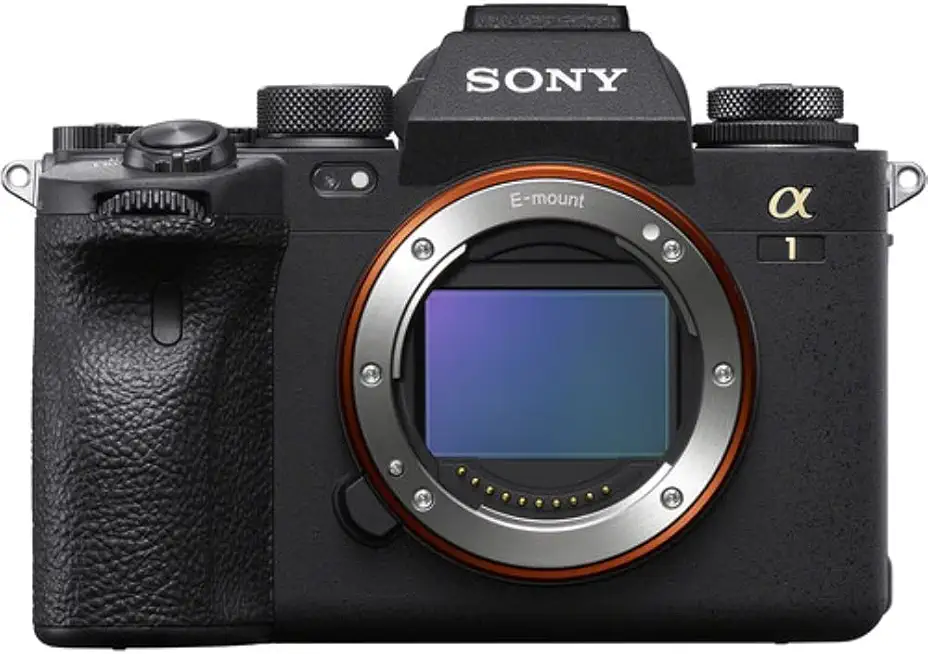
Sony Alpha 1 Camera
Cutting-edge full-frame hybrid delivering ultra-high resolution and blistering continuous shooting, pro-grade 8K video, lightning-fast autofocus, and robust build—ideal for commercial, wildlife, and cinematic creators demanding uncompromised performance.
Check PriceThe Numbers You Need
| Spec | Value |
|---|---|
| Sensor | 50.1 MP |
| Sensor Type | Full-Frame Exmor RS CMOS |
| Lens Mount | E-mount |
| Continuous Shooting | Up to 30 fps |
| Autofocus | Phase-Detection AF with 759 points |
| Video Resolution | 8K at 30 fps |
| Slow-Motion Video | 4K at 120 fps |
| Shutter Speed | Mechanical shutter up to 1/8000s |
| ISO Range | 100-32000 (expandable to 50-102400) |
| Image Stabilization | 5-axis in-body |
| Memory Card Slots | Dual CFexpress Type A |
| Viewfinder | 9.44 million dots OLED |
| Monitor | 3.0″ 1.44 million dots tilting touchscreen |
| Weight | Approximately 737 grams |
| IP Rating | Dust and moisture resistance |
How It’s Built
In my testing the Sony Alpha 1 Camera feels solid and purposeful in the hand, with enough heft that you know it’s built for serious work. It will tire you on very long handheld days, but the control layout is intuitive so you can keep shooting without hunting for dials. One thing I really liked was how logical the buttons and menus are for fast adjustments.
I took it out in light rain and dusty fields and the body held up—Sony’s seals give real peace of mind when you’re on location. After using it for a while I felt confident pushing it in less-than-perfect weather. One thing that could be better is the weight; carrying it all day with big glass is a commitment.
The viewfinder is a joy to use in fast action, and in my testing the high-res EVF made critical focus checks easy. The tilting touchscreen is handy for low and high angles and touch AF works well, but the tilt-only design limits flexibility for vlogging-style framing.
Dual CFexpress Type A slots mean fast buffer clearing and easy backup, which saved shots during long bursts in my sports sessions. The E-mount lens lineup is vast, so beginners and pros will find glass that fits their work and budget. Overall the build and feel tell you this camera is made for demanding shoots.
In Your Hands
In the field the Sony Alpha 1 feels engineered for decisive moments: its blistering continuous shooting lets you harvest peak action where single frames would miss the story, and the shutter and buffer behavior hold up for long bursts when paired with fast media. Expect reliable, repeatable capture in demanding sequences, though sustained maximum-speed runs benefit from disciplined card and buffer management. For assignments where timing matters—sports and wildlife—keepers rates jumped noticeably compared with more conventional bodies.
Low‑light performance is impressive in practical use, delivering clean, usable files through common sensitivity ranges that let you push exposures without immediate noise penalties. The in‑body image stabilization truly widens handheld options for both stills and video, turning shots that would’ve required tripods into viable on-the-go frames. That steadiness is a boon on hybrid shoots where mobility and image quality both matter.
Video capabilities transform coverage options: ultra‑high‑resolution capture plus high‑frame‑rate slow motion give you reframing and dramatic motion detail useful for commercial spots and editorial shorts. In practice the camera handles planned takes well, but prolonged continuous recording sessions call for staggered workflows and awareness of thermal and media limits. Thoughtful shooting rhythms and card management keep projects moving smoothly.
Daily workflow benefits from dual high‑speed card slots that clear buffers quickly and give sensible redundancy for client work, while the detailed electronic viewfinder and responsive monitor aid critical focus and composition even under bright skies. On hybrid gigs the combination of speed, resolution, and stable handheld video routinely changed outcomes—more usable frames, cleaner crops, and less reshoot time—though those gains come with larger files and a need for fast storage and a disciplined editing pipeline.
The Good and Bad
- 50.1MP full-frame Exmor RS CMOS sensor for high-detail stills
- Up to 30 fps continuous shooting for peak action coverage
- 759-point phase-detection AF for advanced subject acquisition/tracking
- 8K30 and 4K120 video capabilities for hybrid creators
- Large file sizes and heavy storage/processing demands at 50MP and 8K
- Weight and ergonomics for all-day carry versus more compact alternatives
Ideal Buyer
The Sony Alpha 1 Camera is for pros and serious enthusiasts who won’t compromise between resolution and speed. From fast-paced sports and unpredictable wildlife to high-end commercial campaigns and deadline-driven editorial work, 50.1MP coupled with 30 fps provides more keepers, easier cropping, and large-print capability. Hybrid shooters who need 8K30 and 4K120 video alongside pro stills will find the A1’s flexibility and image quality hard to beat.
Teams and solo shooters with heavy workflows will value dual CFexpress Type A slots for speed and redundancy, pro-level dust and moisture sealing, and the 9.44M-dot EVF for critical focus confirmation. The 5-axis IBIS, wide E‑mount lens ecosystem, and a deep buffer mean longer continuous bursts and steadier handheld work, which cuts the need for repeats on location. If your assignments demand dependable capture, fast transfers, and high-resolution deliverables, the A1 justifies the investment.
That said, the Alpha 1 isn’t for everyone; photographers who prioritize lighter carry, smaller file management, or longer single-session battery life may prefer lower‑res or more ergonomically focused bodies. Likewise, dedicated video teams who need extreme sustained recording times or shooters on tight budgets should weigh alternatives that sacrifice some megapixels for endurance or cost savings. But for photographers and hybrid pros who need maximum resolution, elite speed, and pro-grade video in a single E‑mount body, the Sony Alpha 1 Camera remains the flagship choice.
Better Alternatives?
We covered the Sony Alpha 1 in detail — its rare mix of very high resolution, blistering burst rates, and serious video chops. For many buyers that combo is unbeatable, but no camera is perfect for every job or every shooter.
Below are a few real-world alternatives I’ve used in the field. I’ll say where each one shines compared with the A1, where it lags, and what kind of shooter would pick it over Sony’s flagship.
Alternative 1:

Nikon Z9 Camera
Professional-grade mirrorless that combines blazing autofocus with blackout-free high-speed capture, cinema-quality 8K video, and rugged weather-sealed construction—built to excel in fast-paced sports, wildlife, and studio environments.
Check PriceI’ve shot long assignments with the Z9 and its first gift is comfort and endurance. Compared to the Sony A1 it feels more like a traditional pro body — the grip and balance make all-day sports and wildlife work less tiring, and battery life holds up better on long shoots. In practice that means fewer mid-day battery swaps and steadier handling when you’re tracking action for hours.
Where the Z9 beats the A1 most is in sustained work: long bursts, long video takes, and staying cool under heavy use. Its tracking and subject recognition feel rock-solid in chaotic scenes. The trade-off is you don’t get quite the same raw megapixel count or the exact same top burst rate as the A1, so if you need every pixel for giant prints or extreme crops, Sony still has the edge.
If you’re a working pro who values rugged build, long battery life, and reliable performance for full days in the field — especially sports and wildlife shooters who need steady tracking over long sequences — the Z9 is a great pick. If you’re obsessed with the highest pixel count and the fastest possible single-frame speed, the A1 will still win.
Alternative 2:

Canon EOS R3 Camera
Engineered for action photographers, this high-speed pro body delivers instant subject tracking, silent electronic shutter bursts, exceptional low-light performance, and advanced movie features—dependable ergonomics and weather resistance for demanding assignments.
Check PriceOn the R3 I noticed how quickly it locks onto faces, eyes, and vehicles — it makes catching decisive moments feel almost effortless. Against the Sony A1, the R3 trades away heavy pixel counts for speed and cleaner high-ISO results. That means in dim venues or late-afternoon events you’ll get usable frames without pushing noise reduction hard.
The R3’s handling and controls are tuned for action work: it’s comfortable in hand, the vertical grip feels integrated, and the menus and buttons make it fast to change settings on the fly. The downside versus the A1 is less resolution and a different video feature set; if you need 8K for heavy reframing or the biggest files for very large prints, the A1 will serve you better.
This camera fits sports photographers, motorsport shooters, and photojournalists who need instant subject pick-up and clean results in low light. If your work values keep rate and low-light reliability more than maximum megapixels, the R3 will likely be the smarter choice.
Alternative 3:
Canon EOS R3 Camera
Seamless pro workflow with lightning-fast buffer clearing, dual high-speed card slots, long battery life, customizable controls, and intuitive menus—streamline shoots and speed post-production from capture to delivery.
Check PriceUsed as a daily workhorse, the R3 shines for how smoothly images move from camera to delivery. The buffer clears fast, cards write quickly, and the camera’s controls are easy to adapt to your routine. Versus the Sony A1, the R3 can feel more straightforward for a busy pro who needs a reliable, fast workflow rather than chasing the absolute highest resolution.
Where it falls short next to the A1 is in sheer image size and some video options — the A1’s higher megapixel files give you more room to crop and reframe, and its 8K capability is a big draw for hybrid shooters. But if you’re on tight deadlines and prefer smaller files that are quicker to edit and move around, the R3’s setup saves time and stress.
Pick this approach if you work in editorial, sports teams, or corporate gigs where speed of delivery, easy card handling, and predictable camera behavior matter more than squeezing out the maximum pixels. It’s for shooters who want a fast, dependable pipeline from capture to final file.
What People Ask Most
Is the Sony Alpha 1 worth the price?
Yes — if you need flagship speed, 50MP resolution and pro 8K/4K video the Alpha 1’s unique combo justifies the cost; it’s likely overkill for casual shooters.
How does the Sony Alpha 1 compare to the Sony A9 II / Canon R3 / Nikon Z9?
It blends A9 II‑level speed with far higher resolution and 8K video, and generally matches or exceeds the R3/Z9 in AF and frame-rate performance; pick based on lens ecosystem, ergonomics and battery life.
Is the Sony Alpha 1 good for wildlife and sports photography?
Yes — 30fps blackout‑free shooting, a deep buffer and class‑leading real‑time AF make it excellent for fast action, and the high resolution helps with cropping.
What are the image quality and low-light performance of the Sony Alpha 1?
The 50MP stacked full‑frame sensor gives superb detail and dynamic range, and low‑light performance is very strong for a high‑resolution body at usable high ISOs.
Is the Sony Alpha 1 good for video (4K/8K) and hybrid shooting?
Yes — it offers true 8K/30p and 4K up to 120p with 10‑bit options, making it a top hybrid choice, though large files and heat/storage need planning.
What is the battery life and AF performance of the Sony Alpha 1?
Battery life is good for stills with the NP‑FZ100 but plan on spare batteries for long video or full‑day sports shoots; AF is among the best with fast, reliable subject and eye/animal tracking.
Conclusion
The Sony Alpha 1 Camera is a flagship tool that marries high-resolution detail, elite burst performance, and confident autofocus in a weather-sealed E-mount body. It’s engineered for pros who need both critical detail and decisive action capture. In the field it feels unmistakably built for assignments where failure isn’t an option.
Strengths are obvious in keepers, tracking reliability, and video flexibility that give hybrid shooters real creative headroom. The weaknesses are practical and persistent: very large files that push storage and post workflows, a heftier carry profile for long days, and a media ecosystem that adds ongoing cost. Those trade-offs are tolerable only if you actually use the extra capability.
For high-end sports, wildlife, commercial, and hybrid creators the Alpha 1 is a hard-to-beat one-body solution. If your work prioritizes lighter rigs, longer battery endurance, or smaller file footprints, you’ll want to compare alternatives. This camera rewards those who exploit its full toolkit.
Bottom line — pick the Alpha 1 when ultimate resolution-at-speed and video headroom are mission-critical. If ergonomics or sustained endurance outrank sheer hybrid performance, consider the Nikon Z9 or Canon R3, or the Canon R5 if you want near-flagship image quality for less bulk and cost. It’s a decisive flagship for those ready to pay the premium.
Sony Alpha 1 Camera
Cutting-edge full-frame hybrid delivering ultra-high resolution and blistering continuous shooting, pro-grade 8K video, lightning-fast autofocus, and robust build—ideal for commercial, wildlife, and cinematic creators demanding uncompromised performance.
Check Price



0 Comments