
What are g15 lenses and why do pilots, drivers, and photographers still prefer them?
This guide explains the classic green G15 tint and why it matters for color, glare, and eye comfort. You will get simple answers and practical tips.
We give a clear definition, verified specs from Ray‑Ban/Bausch & Lomb, and an optician quote for credibility. You will also see comparisons with polarized, XLT, gray, and brown lenses.
Read on for short tests, photos, and buying and care tips to help you pick the right G15 option in 2026. The article is practical, verified, and easy to use.
What Are G15 Lenses?
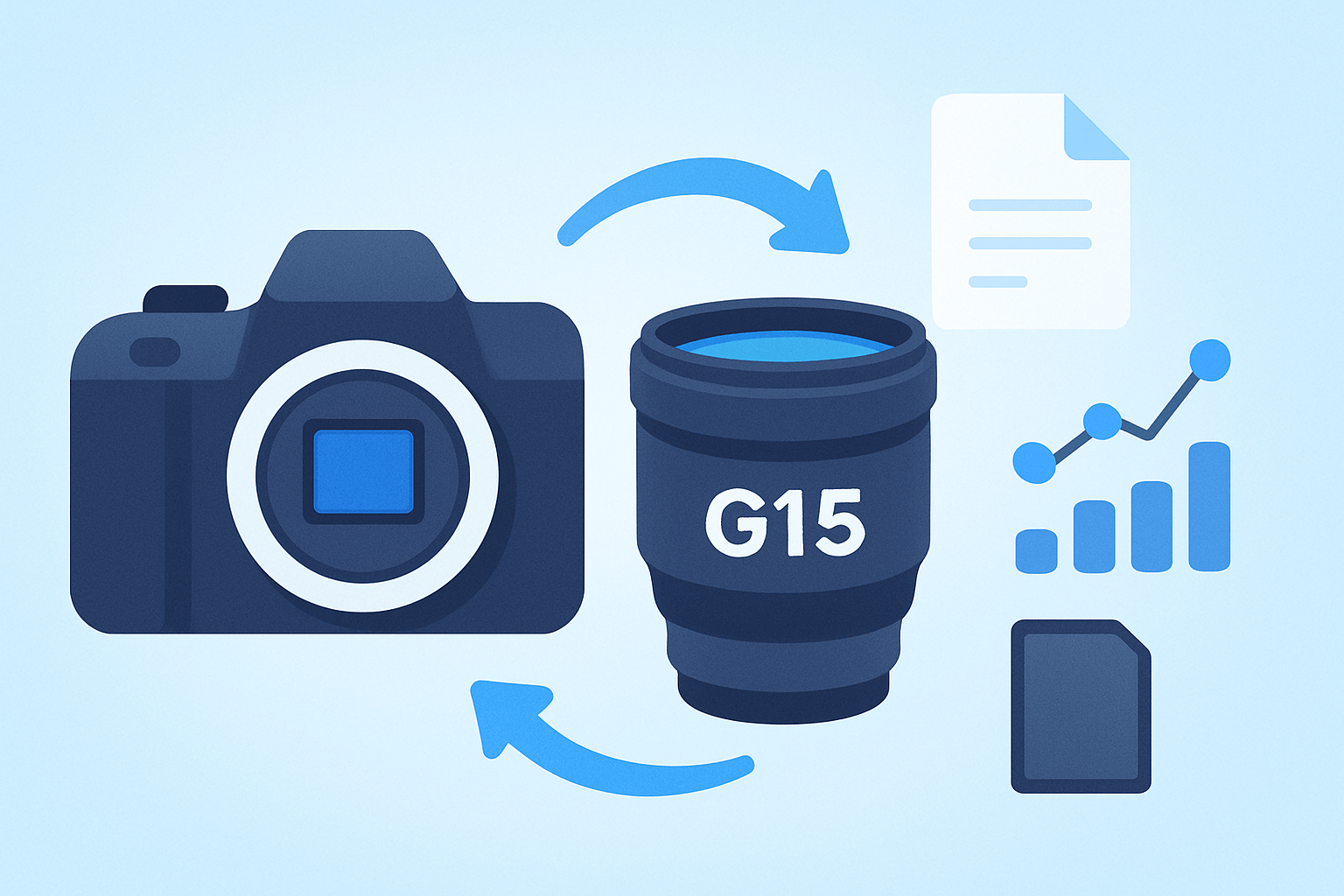
What are G15 lenses? They are the classic Ray‑Ban green sunglass lenses originally developed by Bausch & Lomb to keep colors neutral while taming bright sun, with G for green and 15 for about fifteen percent visible light transmission.
In modern specs, typical visible light transmission sits around 13–18% depending on model and coating. Ray‑Ban lists full UV400 protection, and you’ll see G‑15 made in tempered glass, the celebrated G‑15 XLT glass, and lighter CR‑39 or polycarbonate.
To your eyes, G‑15 looks deep green from the outside yet feels surprisingly neutral through the lens. Compared with gray it’s a touch warmer, and compared with brown it keeps whites cleaner and skin tones steadier; the G15 lens color became a standard for that reason.
Are they polarized? Many G‑15 lenses ship non‑polarized by default, but G‑15 polarized versions exist and are labeled accordingly; you can rotate a phone LCD behind the lens—the screen will blacken at certain angles if it’s polarized.
Why G15 Lenses Are Popular: Optical Benefits & Performance
The green recipe balances transmission across the visible spectrum, so G15 lenses render color naturally and keep detail crisp. If you’re asking what are G15 lenses good at, it’s this mix of comfort, contrast control, and honest color in hard midday light.
Ray‑Ban specifies 100% UVA and UVB blocking, and the density cuts overall luminance to reduce squinting and eye fatigue. For extra context on neutral green tints and how manufacturers define them, this optician discussion echoes what many labs teach.
Material matters too: glass G‑15 brings superb optical clarity and scratch resistance, while polycarbonate is much lighter and more impact‑safe; G‑15 XLT glass is the classic, high‑clarity variant. The limits are simple—non‑polarized G‑15 won’t erase surface glare, it can be too dark on heavy overcast, and glass versions feel heavier.
G‑15 vs Other Lens Options (Polarized, XLT, Gradient, Classic Green)
Polarized G‑15 versus non‑polarized is the biggest split. Both share similar darkness, but polarized G‑15 adds a glare‑cutting filter for water, snow, and windshields, with the trade‑off that some LCDs can look rainbowed or dim at certain angles.
Glass G‑15 is optically crisp and scratch‑hard but heavier; G‑15 XLT refers to Bausch & Lomb’s refined glass formula prized for clarity and a controlled transmission curve. Polycarbonate or CR‑39 G‑15 is far lighter and easier to wear all day, though it scratches more without coatings; this short G15 guide sums up those trade‑offs neatly.
Against other tints, G‑15 sits between neutral gray and high‑contrast brown, and gradient G‑15 keeps the neutral top‑to‑bottom balance useful for driving. Decision rules are quick: need glare control on water or snow, choose G‑15 polarized; need max optical purity and heritage feel, pick glass or XLT; need light weight and impact safety, go polycarbonate.
Best Uses & Who Should Choose G‑15 Lenses (Activities & Light Conditions)
G‑15 shines for driving in bright sun, everyday city wear, beach days, and high‑altitude hiking. The tint was born in aviation, where pilots needed strong sun cut with true color, and that heritage still guides what are G15 lenses best for.
Choose polarized G‑15 for fishing, boating, and snow sports because it chops surface glare that hides hazards. For overcast days or wooded trails, a lighter gray or brown/amber can help, and photographers or videographers who judge exposure often remove sunglasses or stick with neutral G‑15 only between takes.
As a quick flow, want color neutrality plus strong sun protection, choose G‑15; want glare cutting on water, choose G‑15 polarized; want the lightest and safest for impact, choose polycarbonate G‑15. If blue‑hour or late‑day use matters, go lighter or carry a second pair.
Buying, Care & Practical Tips
When buying, confirm UV400 on the tag, whether the lens is polarized, and the lens material. For Ray‑Ban, check etched logos, matching temple codes, and a real warranty from an authorized seller.
In store, hold a phone or camera LCD behind one lens and rotate; a polarized G‑15 will black out at 60–90 degrees. Look at a white sheet for color neutrality, and scan a straight shelf edge through the lens to spot distortion.
Clean with microfiber and lens spray, store in a hard case, and keep lenses away from hot dashboards that can cook coatings. Replace when scratches or peeling show up in your field of view.
Expect higher prices for OEM glass and polarized options, with CR‑39 or aftermarket often costing less and prescriptions available. Try pairs under bright store lights, ask for a polarization demo, and add coatings like anti‑scratch, hydrophobic, or mirror to match your use.
What People Ask Most
What are g15 lenses?
G15 lenses are a popular green-gray sunglass tint that reduces glare while keeping colors looking natural, making them easy on the eyes in bright light.
How do G15 lenses help reduce glare?
They filter out intense brightness and soften harsh light so your eyes feel less strained and you can see more comfortably outdoors.
Are G15 lenses good for driving?
Yes, they improve contrast and reduce daytime glare for safer driving, but they are not recommended for night driving or very low-light conditions.
Can I use G15 lenses for sports and outdoor activities?
Definitely—G15 lenses work well for many outdoor sports because they enhance clarity and reduce eye fatigue in bright environments.
Do G15 lenses change how colors appear?
They tend to preserve natural colors better than some colored tints, giving a balanced view without strong color shifts.
Are G15 lenses right for every face shape or style?
The lens tint itself suits any face shape, and you can pair G15 lenses with many frame styles to match your look and needs.
What common mistakes should beginners avoid with G15 lenses?
Don’t assume tint equals UV protection—check for proper UV blocking—and avoid choosing them if you need enhanced visibility in low light or night conditions.
Final Thoughts on G15 Lenses
We opened by asking “What are G15 lenses?” and showed they’re essentially the classic green‑tinted Ray‑Ban/Bausch & Lomb design that keeps colors feeling true while cutting bright light — a practical mix of clarity and comfort (270). They balance color and contrast so landscapes and skin tones look natural without the obvious green cast some people fear.
A practical caution: many originals aren’t polarized, so they won’t eliminate horizontal glare from water or windshields, and glass versions can be heavier; pick materials and polarized options accordingly. For active use, consider polycarbonate to save weight or XLT glass for sharper focus. They’re best for folks who want neutral color and steady sun protection — drivers, urban commuters, aviators, and hikers who value true tones over dramatic tinting.
We answered that opening question by defining the lens, comparing materials and tints, and giving clear buying and care tips so basic doubts are resolved. That initial curiosity about “what they are” was met with straightforward testing steps and decision rules you can use in store. With the right finish and fit, you’ll step into brighter days with steadier, truer vision.




0 Comments