
What is a camera body, and how can it change your photos?
This guide answers “what is a camera body” in plain, simple words. It will help you understand the basics fast.
A camera body is the housing and electronics that hold the sensor, shutter, viewfinder, controls, and image processor. It’s the brain and skeleton of the camera, while the lens is separate.
Read on to learn camera body parts, the main types (mirrorless, DSLR, compact, medium-format), lens compatibility, and a short buyer checklist. You’ll also find diagrams and quick tips to pick the right body for your shooting style.
What is a Camera Body?
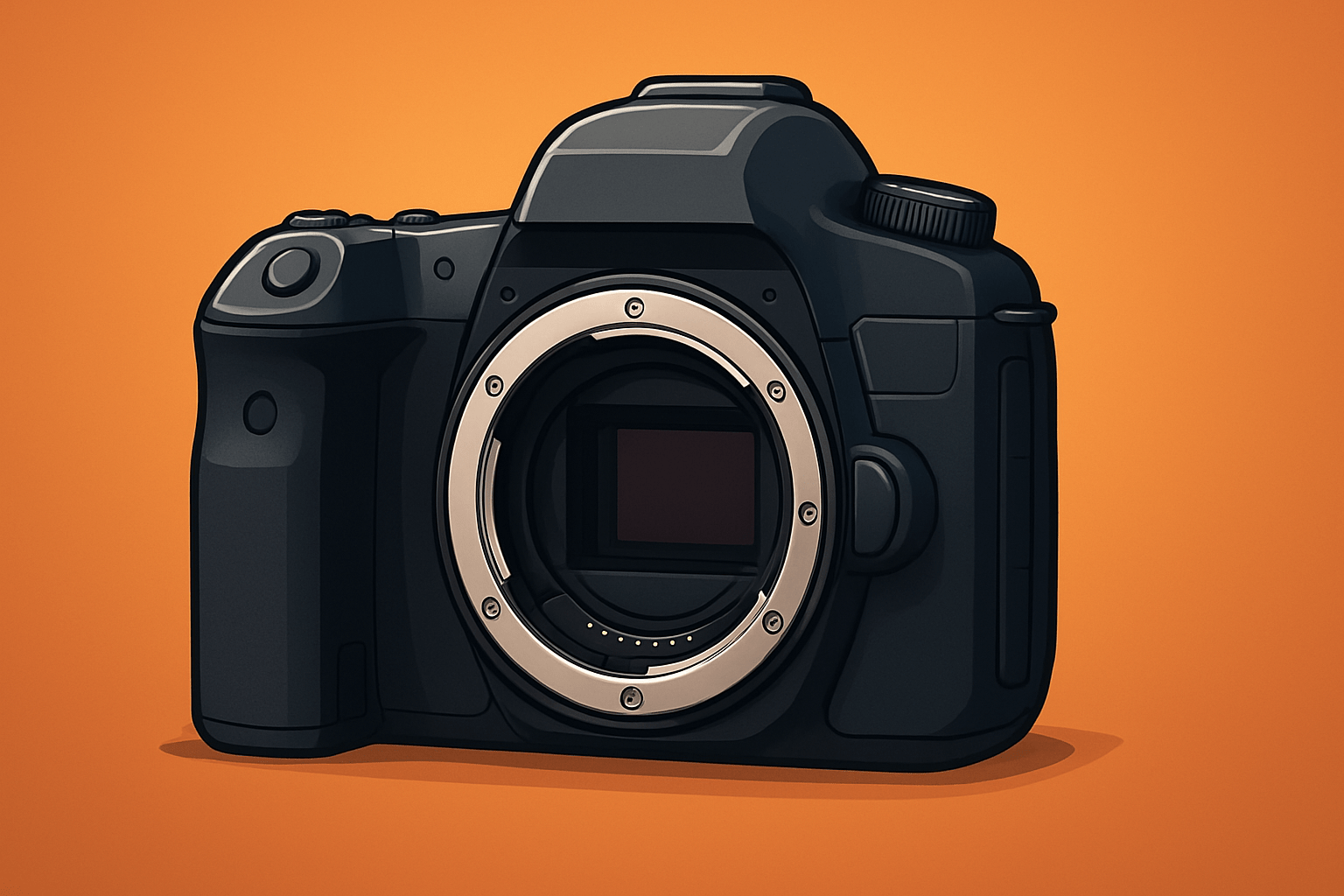
A camera body is the main housing that contains the sensor, shutter, viewfinder, controls, and processor, and it connects to lenses and accessories to capture and manage images.
Think of it as the brain and skeleton of the system, while the lens is the eye you swap in and out. In film bodies, photosensitive film sat where a digital sensor now lives, but the job is the same.
Its two core roles are to record and process the image, and to give you the controls and connections to work with lenses, flashes, and rigs. If you’ve ever asked what is a camera body, the short answer is the platform that turns light into files. For a little extra clarity, skim these camera body basics.
To keep it simple, what is a camera body vs lens comes down to this: the body powers and operates, the lens shapes the image. You can change lenses, but the body’s handling and features define your shooting experience.
Camera Body Components
The diagram above labels the core camera body parts. The image sensor—full-frame, APS-C, or Micro Four Thirds—sets low-light performance and depth of field, so bigger sensors usually mean cleaner files and blurrier backgrounds. Megapixels help detail, but sensor size and processing often matter more for quality.
The shutter controls how long light hits the sensor; mechanical or electronic options manage motion freeze or blur, and a fast shutter with a roomy buffer favors sports. Viewfinders differ too: OVF in DSLRs versus EVF and LCD live view in mirrorless for real-time previews.
An image processor handles noise, color, video encoding, and burst speed, while the autofocus system uses phase or contrast detection with subject tracking to lock on quickly. For action, many AF points and rapid processing keep moving subjects sharp.
Lens mount and electronic contacts share power and data for focus and aperture, and compatibility depends on the mount’s design. In-body image stabilization steadies any lens for handheld work and video, complementing or replacing lens stabilization.
Controls and dials, a hot shoe for flashes, ports for mic, headphones, HDMI, and USB, plus card and battery compartments, a tripod socket, and weather sealing all shape everyday reliability. For a friendly visual tour, check the parts of a camera.
Types of Camera Bodies
The main types of camera bodies are mirrorless, DSLR, compact/bridge, and medium-format. DSLRs use a mirror and optical viewfinder, while mirrorless removes the mirror and uses an EVF, trimming size and weight.
Mirrorless now leads in autofocus and video features, though DSLRs still win on battery life and a lag-free optical view. Prefer silent shooting and fast bursts? Go mirrorless. Want optical clarity all day? A DSLR fits.
Compacts and bridges favor travel simplicity, and medium-format rewards studio detail and dynamic range. For at-a-glance comparisons, this guide to camera bodies helps, and quick picks: sports needs high fps and AF; studio loves full-frame or medium-format.
Lens Compatibility
Lens mounts matter because they decide which lenses fit, and electronic contacts share autofocus and aperture data. A tight body-lens link gives faster, more reliable AF.
Crop factor changes field of view; an APS-C body makes a 50mm act like roughly 75mm. Flange distance governs adapters, and some adapters slow AF or drop features.
Consider Sony E, Canon RF, Nikon Z, Fujifilm X, and Micro Four Thirds; lens variety and cost often matter more than minor body specs. A quick crop-factor chart helps visualize choices.
Choosing the Right Camera Body
Start by naming your main use, then weigh sensor size, autofocus, fps and buffer, stabilization, video specs, ergonomics, battery life, weather sealing, and the lens lineup you can afford. Match strengths to your subjects, not spec sheets.
Rent or demo first, invest in lenses, consider last-gen or used bodies, and check firmware and resale value. Bodies change fast; lenses shape your look for years.
Quick prompts: sports—fps and AF; portraits—full-frame with quality primes; travel—compact mirrorless with IBIS; video—robust 4K. Remember what is a camera body: the platform that matches your vision.
What People Ask Most
What is a camera body and what does it do?
A camera body is the main part of a camera that holds the controls, viewfinder, and image sensor or film. It controls how the camera captures and stores images.
Is a camera body the same as a camera?
No, the camera body is the central unit, while a complete camera can include lenses, memory cards, and accessories. The body does most of the image-capturing work but often needs a lens to take pictures.
Do I need an advanced camera body to take great photos?
No, skill and good lighting often matter more than an advanced body, especially for beginners. A basic body can take excellent photos when paired with simple techniques.
Can I change lenses on any camera body?
Not always—many camera bodies accept interchangeable lenses, but lenses must match the body’s mount type. Check compatibility before buying lenses.
How does a camera body help with accessories like flashes or microphones?
Most camera bodies have ports or mounts to attach flashes, microphones, and other tools to improve your photos and videos. These accessories expand what you can do with the camera body.
What mistakes should beginners avoid when choosing a camera body?
Avoid buying the most expensive or the newest body without testing how it feels and works for you. Also don’t ignore lens options and the camera’s ease of use.
How long does a camera body usually last before needing an upgrade?
A camera body can last many years for casual use and still take good photos, as long as it’s cared for. Upgrades are usually needed when your needs change, not just because a new model appears.
Final Thoughts on Camera Bodies
We began by answering “what is a camera body” — the housing and brain that holds the sensor and connects your lenses. Think of 270 as a tiny reminder that a short rental or trial can save you long-term mistakes. By walking through components, types, and compatibility, this guide turned that one-line question into clear choices.
The core benefit is clearer decision-making: you’ll see how features map to real shooting needs so you pick a body that actually improves your images. One realistic caution — bodies and their AF/video tech evolve fast, so don’t overpay for fleeting headline specs; invest in lenses and comfort instead. This guide suits beginners upgrading and serious hobbyists who want practical buying confidence.
We opened with a plain definition and then unpacked the parts, tradeoffs, and accessories so you can match a body to the way you shoot. Try a few hands-on tests, trust what feels right, and look forward to the pictures you’ll make next.


0 Comments