
What is a camera grip, and why should you care?
This guide answers what is a camera grip in plain language. You will learn the grip’s definition and primary functions.
It also covers key grip duties, camera mounting and rigging basics, and common grip tools. Expect practical examples, a short safety checklist, and tips on when to hire a pro grip.
Read on for clear, short answers and safe, hands-on advice. By the end you’ll know how grips make shots possible and what to ask when you need one on set.
What is a Grip?
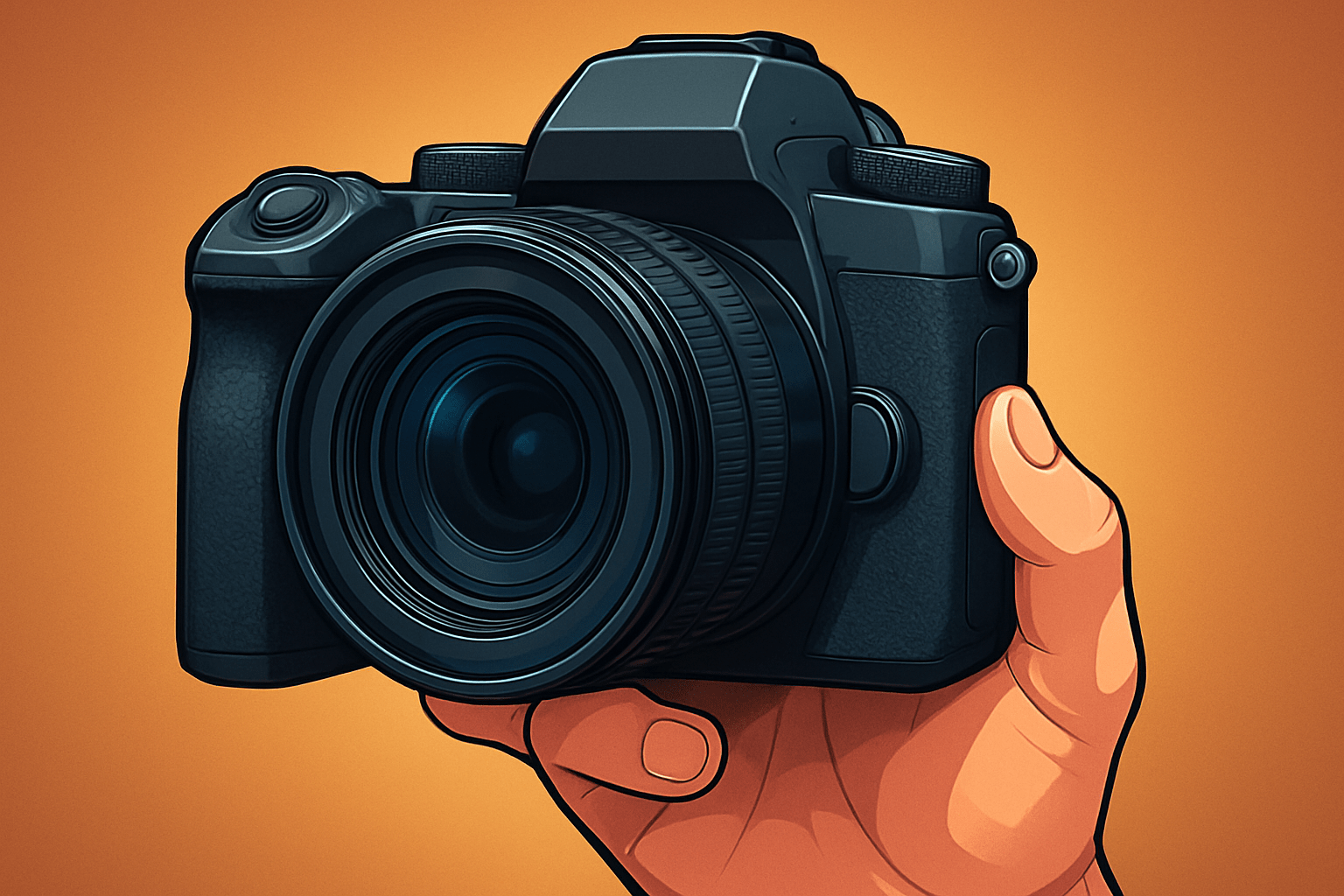
A camera grip is the crew member who builds, rigs, and moves camera-support equipment and shapes non-electrical light on set; if you’re wondering what is a camera grip, that’s the job in one line.
On a film crew, grips work with the cinematographer (DP) and the gaffer, but answer to the key grip. The grip shapes light and moves the camera, while the gaffer runs powered lighting with electricians. The term traces back to early studios, when techs carried tool bags called “grips.”
Grips’ primary functions
Core functions include building and rigging camera supports, executing dolly, jib, or crane moves, shaping light with flags and diffusion, securing set pieces, and enforcing camera rigging safety. If you ask what is a camera grip on set, these are the jobs they own.
On a commercial, the team might lay 20 feet of track for a push‑in, protecting floors and leveling each joint. An annotated photo of track and flags, with alt text “dolly track and window flag,” helps beginners visualize the setup.
For action work, they can build a hood mount with suction cups, ratchet straps, and tethers. Even solo shooters benefit; solid mechanics and holding a camera steadily make handheld beats look intentional.
Requests flow from the DP to the key grip, who assigns crew and oversees safety. The gaffer handles powered fixtures, while grips shape light without power and sign off rigging.
Key grip duties and responsibilities
The key grip heads the department and turns the DP’s plan into rigs and moves. They differ from the best boy (logistics), the dolly grip (drives the dolly), and trainees.
Core management includes scouting with the DP, planning load paths, booking trucks, and supervising the crew. The key grip signs off mounts, approves tethers, and keeps radio calls concise.
On a low-budget thriller, we needed a low-angle move on wet tile; the key grip skated a baby plate on furniture sliders and damped it with a sandbag. The result was smooth and safe without renting a specialty rig.
Great key grips show calm leadership, deep rigging knowledge, and clear communication. As one veteran told me, “Measure twice, rig once, and never surprise the operator.”
Grip’s role in camera mounting and rigging
Mounting ranges from tripods and sliders to dollies, track, jibs, cranes, car rigs, and custom builds. Grips choose the platform by lens, speed, weight, and terrain.
Safety starts with load math and a test build, then pinning, sandbagging, and redundant safeties. Cables are dressed, pinch points flagged, and moves rehearsed at half speed; expect 20–30 minutes to lay and level 20 feet of track.
Case study: a 10-foot dolly-in. The dolly grip levels track with shims, the camera team balances the head, and the key grip adds end stops and spotters. After rehearsal and DP notes, the move runs and the set resets.
Off sticks, body control still matters; learn to hold a camera properly to steady handheld beats between mounted shots. For small teams wondering what is a camera grip versus an assistant, remember grips own the path, anchors, and safety of each move.
Grip tools and typical gear
Essential grip tools range from C-stands, grip heads, and Mafer clamps to apple boxes, sandbags, and ratchet straps. Add dollies with track, sliders, speed-rail, jibs, slings, and a stout hand-tool kit.
PPE matters: sturdy or steel-toe boots, gloves with grip, and eye protection when cutting or grinding. Inspect gear, verify load ratings, and store hardware dry and organized.
Rigging pre-flight goes like this: assess load and leverage, build on the ground first, double-check pins and locks, add secondary safeties, then practice slow. Callouts such as “rolling” and “track clear” keep everyone synced.
If you’re DIY, hire a pro grip whenever people get lifted, vehicles move, or loads go overhead; ask about insurance, certifications, gear list, and crew size. For handheld days, quick wins like better stance and hand-hold your camera techniques raise production value fast.
What People Ask Most
What is a camera grip?
A camera grip is an accessory that gives you a better handhold and extra control when shooting. It makes handling easier and can improve steadiness and comfort.
How does a camera grip help me take steadier shots?
By giving you a more secure hold, a grip reduces small hand movements and camera shake, helping produce clearer photos. It also makes it easier to keep the camera steady for longer periods.
Can a camera grip make long shoots more comfortable?
Yes, a grip helps distribute weight and offers a more natural hand position, which reduces hand and wrist fatigue during extended sessions.
Are camera grips only for professional photographers?
No, beginners and hobbyists benefit too because grips make cameras easier to hold and control without needing advanced skills.
Can a camera grip cause problems if used incorrectly?
If it’s not attached securely or blocks buttons, a grip can affect balance or access to controls, so always check fit and practice using it before important shoots.
Do camera grips work with every camera?
Not always—many grips are made to match certain camera shapes or sizes, so check compatibility before buying to ensure a good fit.
How do I choose the right camera grip for my needs?
Pick a grip that feels comfortable in your hand, matches how you shoot (one-handed vs two-handed), and fits your camera securely.
Final Thoughts on the Grip’s Role
Even with a quick 270 view of a set, you’ll see that grips are the crew who turn ideas into reliable, repeatable camera moves and sculpted light. This piece should’ve turned the question “what is a camera grip” into a clear picture: a hands-on department that rigs equipment, shapes non-electrical light, and partners with the DP and gaffer so shots look and move as intended. Beginners and intermediate filmmakers and photographers will get the most immediate value, since they’ll now know when to hire pros and what to expect on set.
One realistic caution: complex mounts and camera rigging demand experience and certified gear, so don’t shortchange prep time or safety checks. We answered that opening hook by laying out duties, common rigs, tools, a step-by-step dolly/crane example, and simple safety checkpoints so you can see how a move goes from prep to wrap. With this foundation, you’ll feel more confident planning shoots and working with grips as your next project takes shape.


0 Comments