
Why a mirrorless camera? Are they really worth switching to now? This short guide answers that question and shows what changes for real shooting.
We’ll start with the simple tech difference between mirrorless and DSLR and show how that affects the viewfinder, burst speed, and handling. You can use those points to test cameras in a shop.
Next, I explain the main advantages: portability, live exposure preview, modern autofocus, IBIS, and stronger video tools. I also cover lens choices and how adapting old glass works.
By the end you get a clear buyer checklist, notes on who should switch and when to stay with a DSLR, plus starter camera picks by use case. Read on to decide if a mirrorless camera fits your budget and shooting style.
Mirrorless vs DSLR Cameras: The Basics
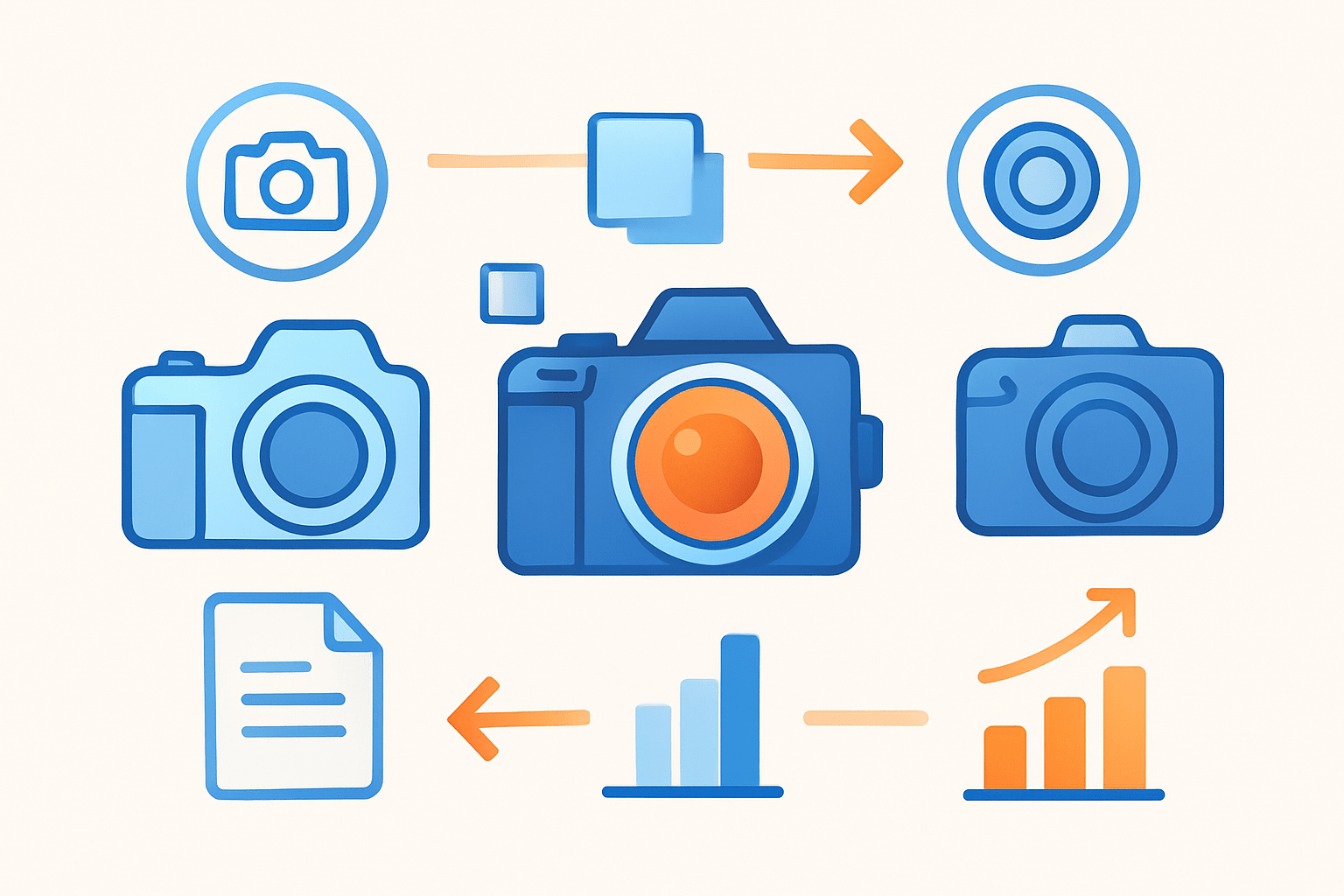
At the heart of the DSLR is a mirror and pentaprism that bounce light up to an optical viewfinder. A mirrorless camera removes that mirror, sending light straight to the sensor and then to an electronic viewfinder (EVF) or rear screen. Imagine a direct light path with fewer moving parts.
The practical result is striking. With an OVF you see the scene as your eye would, with zero processing or overlays. With an EVF you see a live preview of exposure, white balance, histograms, focus peaking, and zebras, so your final image rarely surprises you.
Removing the mirror enables silent electronic shutters and faster bursts because nothing has to flip up and down. There is also less vibration when you press the shutter. Do watch for rolling shutter artifacts in electronic mode, and use the mechanical shutter for fast flickering lights or fast pans.
Body size and weight usually drop because there is no mirror box or pentaprism. Lenses can be smaller too, though telephotos still obey physics. Handling changes as well, with deeper grips on some models to balance heavy glass and better heat management for long video takes.
Battery life is different. DSLRs sip power because the OVF needs no electricity, while mirrorless bodies keep the sensor and EVF active. Newer batteries, power‑saving modes, and USB‑C charging narrow the gap, but a DSLR still lasts longer on a single battery for most people.
A fair note in favor of DSLRs is the viewing experience and ecosystem maturity. An optical viewfinder feels natural, has no lag, and works in blazing sun without EVF blackout. The used market for DSLR lenses is vast and affordable, and many pros rely on those kits daily.
When you visit a store, test the EVF in bright sun, track a moving subject in the aisle, and check how the body balances with your usual lens. Explore menus and try the grip. For a broader primer, read trusted comparisons on how they compare before you choose.
Advantages of Mirrorless Cameras
If you want the short answer to why a mirrorless camera is winning hearts, it’s this: smaller gear, live exposure in the viewfinder, smarter autofocus, strong video tools, in‑body stabilization, and the freedom to adapt lenses old and new.
Portability matters more than spec sheets suggest. Lighter bodies and often lighter lenses make you shoot longer, walk farther, and pack less, which is gold for travel and street work. Your back and shoulders become creative allies instead of limits.
The EVF shows what the photo will look like before you press the button. You can see exposure shifts, white balance changes, a histogram, zebras for highlights, and focus peaking for manual focus. That confidence reduces chimping and saves time during weddings or events.
On-sensor phase detect puts autofocus points across almost the whole frame. Eye AF locks to a human eye, and newer systems track animals, birds, cars, and more. For portraits, kids, or fast street moments, the hit rate jumps, and you spend less time hunting focus.
In‑body image stabilization steadies the sensor, often by up to roughly five stops on many models, depending on manufacturer tests. It lets you handhold at slower shutter speeds or shoot at lower ISOs in dim rooms. Paired with lens IS, handheld video gets much smoother.
Mirrorless cameras tend to punch above their weight for video. Internal 4K, log or HLG profiles, high frame rates, and competent AF combine with silent shutters for quieter, more flexible shoots. For hybrid creators, that one body can cover both paid photo and video jobs.
Short flange distances enable compact lens designs and easy adaptation of legacy glass. You can mount vintage primes for creative looks, or adapt DSLR lenses while you build a native kit. It is a forgiving, future‑friendly way to grow without starting from zero.
Common objections are battery life, initial cost, and lens availability. Battery life is improving, USB‑C power extends sessions, and most brands now offer deep native catalogs plus third‑party options. Adapters cover gaps while you decide which native lenses are worth buying.
Best single reason to go mirrorless: real‑time exposure in the EVF plus rapidly improving autofocus and video features that keep getting better with each generation.
If you shoot travel, documentary, family, or weddings, mirrorless benefits show up on day one. The lighter kit, EVF preview, and subject tracking save shots and energy. If you are wondering why a mirrorless camera can upgrade your work, start with those three wins.
You might stay with a DSLR if you love the glass‑clear OVF, regularly shoot long events without charging, or own a deep, specialized lens set that adapts poorly. Nothing says you must switch tomorrow if your current kit still earns you pictures and money.
Plan your power from the start. Carry two or three spares, consider a battery grip for all‑day jobs, enable sleep timers, and use USB‑C power banks when traveling. Good power habits erase most remaining battery anxiety.
Avoid buying a shelf of lenses before you know your style. Learn AF modes early, because Face/Eye AF and tracking work best when set correctly. Test ergonomics in person, as button layout, EVF comfort, and balance change how you actually shoot.
For first bodies, think by use case rather than brand. For travel on a budget, an APS‑C body with a compact zoom is a smart start, such as a Fujifilm X‑S20 or Canon R10. For hybrid work, full‑frame options like the Sony a7 IV or Canon EOS R6 Mark II shine, while Micro Four Thirds choices like Panasonic GH6 or OM System OM‑1 offer fast readout and long record times.
Autofocus Performance
Mirrorless autofocus reads focus directly from the imaging sensor. Most cameras blend phase‑detect pixels for speed with contrast detect for precision, which gives coverage across a wide area and avoids AF micro‑adjust headaches common to some DSLRs.
The features built on top are what win shots. Eye AF for humans, animals, and birds can snap to the nearest eye and stay there as your subject moves, even if they turn or glance away. Subject recognition keeps cars, cyclists, and airplanes locked through complex motion.
In low light, on‑sensor AF can see and focus even when your eye struggles. Expect more confident locks at receptions, concerts, or night streets, especially with fast lenses. To test a body, track a jogger at dusk and count how many frames stay sharp.
Use AF‑C or continuous AF for action and AF‑S for posed or static subjects. Many photographers separate focus from the shutter with back‑button focus, which helps prevent accidental refocus. Try face or eye priority for portraits and switch it off when shooting small products.
When AF hesitates in low contrast, fall back to manual for a beat. Turn on focus peaking and magnification, and rock the focus ring slightly while watching edges snap. This handoff is quick and gives you a safety net in tricky light.
If you want a broader overview of autofocus behavior and the key differences between systems, compare independent lab tests with field reports. Look for hit‑rate numbers, tracking reliability, and low‑light performance to make a confident choice.
Video Capabilities and Recording Features
Mirrorless cameras took over video because their strengths line up with what filmmakers need. On‑sensor AF works during video, the EVF and LCD show accurate exposure aids, and IBIS smooths handheld shots. Newer bodies add better codecs and higher frame rates.
Look for internal 4K or higher, log or HLG profiles for grading, slow‑motion options, and robust bitrates. Clean HDMI output helps when you want an external recorder, and microphone and headphone jacks simplify audio. Be aware of thermal limits and region‑specific record caps.
For best results, combine IBIS with optical stabilization in the lens if available. Use higher bitrates or an external recorder for critical work or heavy color grading. If you film action, read rolling‑shutter tests and favor sensors with faster readout.
Video‑first families like the GH series, Sony’s A7S line, and Canon’s R5C are frequent references for creators. They illustrate how far mirrorless video has come and why a mirrorless camera can replace camcorders for many jobs. Always check current models before buying.
Round out your kit with practical accessories. A small shotgun mic or wireless lav improves clarity, ND filters hold shutter speed in bright sun, a compact gimbal tames footsteps, and fast SD or CFexpress cards keep buffers clear. These add more to quality than chasing one extra stop of noise.
Lens Selection and Compatibility
Mirrorless lenses are built for a shorter flange distance, so designers can place elements closer to the sensor. That often means smaller, sharper lenses with fast autofocus motors and better edge performance. The catalogs from major brands and third parties grow every season.
Adapting older DSLR or vintage lenses is a real advantage. Smart adapters can pass autofocus and aperture control to many EF, F, or A‑mount lenses, though speed may drop a bit. Manual lenses adapt easily, and IBIS helps stabilize them for slower, steadier shots.
Choose lenses before chasing the highest megapixels. A versatile travel zoom plus a fast 35mm or 50mm prime covers most needs with style. Add a telephoto zoom for wildlife or sports when your shooting grows, and rent specialty lenses before committing cash.
Third‑party makers such as Sigma, Tamron, and Viltrox deliver excellent value, and premium adapters from brands like Metabones or Fringer can preserve more automation. Check each mount’s compatibility notes and firmware updates, because performance changes with body and lens generations.
Switching from a DSLR kit works best in stages. Adapt one or two core lenses you love, decide which to replace with native glass, and sell or trade the rest when it makes financial sense. Budget for extra batteries or a grip alongside your first native lens.
For brand‑specific matchups on which is better, compare official guidance with hands‑on tests. Make a short transition checklist that lists which legacy lenses to adapt, which to sell, and what accessories to buy first so your new kit is ready for work.
What People Ask Most
Why a mirrorless camera for a beginner photographer?
A mirrorless camera is usually lighter and easier to carry, with a live preview that helps you see exposure and focus before you shoot. This makes learning faster and less frustrating.
How can a mirrorless camera help with travel photos?
Smaller size and lighter weight make a mirrorless camera easier to carry all day, and quick autofocus helps you capture candid moments. You can travel with less gear and still get great shots.
Are mirrorless cameras better for video?
Yes, many mirrorless cameras give a clear live view and smooth autofocus, which makes framing and focusing video much easier. That helps beginners get usable footage faster.
Will switching to a mirrorless camera improve my photos?
It can improve your workflow because the electronic viewfinder shows exposure and focus in real time, but good composition and light still matter most. Technology helps, but practice makes the real difference.
Can I use my existing lenses with a mirrorless camera?
In many cases you can attach older lenses to a mirrorless camera, though some setups may need a simple accessory and checking compatibility. It lets you keep lenses you already own while trying new features.
Are mirrorless cameras harder to use than DSLRs?
No, mirrorless cameras are often easier because the electronic viewfinder and live preview make settings clearer and mistakes easier to spot. Many beginners find them more intuitive than older-style cameras.
What common mistakes should beginners avoid with a mirrorless camera?
Don’t rely only on auto mode—try learning basic exposure and composition—and remember to keep spare batteries since mirrorless bodies can use more power. Small habits make a big difference in results.
Final Thoughts on Choosing Mirrorless or DSLR
Think of this guide as the 270-degree view you asked for on mirrorless versus DSLR — we stripped the tech into what you’ll notice in the field: viewfinder behavior, autofocus, video features, and lens strategy. By comparing the mechanics and real-world effects, the piece showed why those differences matter beyond the spec sheet.
At its heart, mirrorless trades mechanical complexity for a see-it-now workflow — live exposure, wide on-sensor AF, and tighter video tools mean you’ll spend less time guessing and more composing. One caution: battery life and occasional heat limits still matter, and initial lens costs can add up. It’s ideal for traveling photographers, hybrid shooters, portrait and wildlife work, and creators who want one system for both stills and video.
We opened by asking whether switching makes sense, and by laying out practical tests, use-cases, and transition tips, you’ve got the framework to decide with confidence. Keep experimenting, trust what feels right in your hands, and let the system you choose help you make better pictures going forward.



0 Comments