
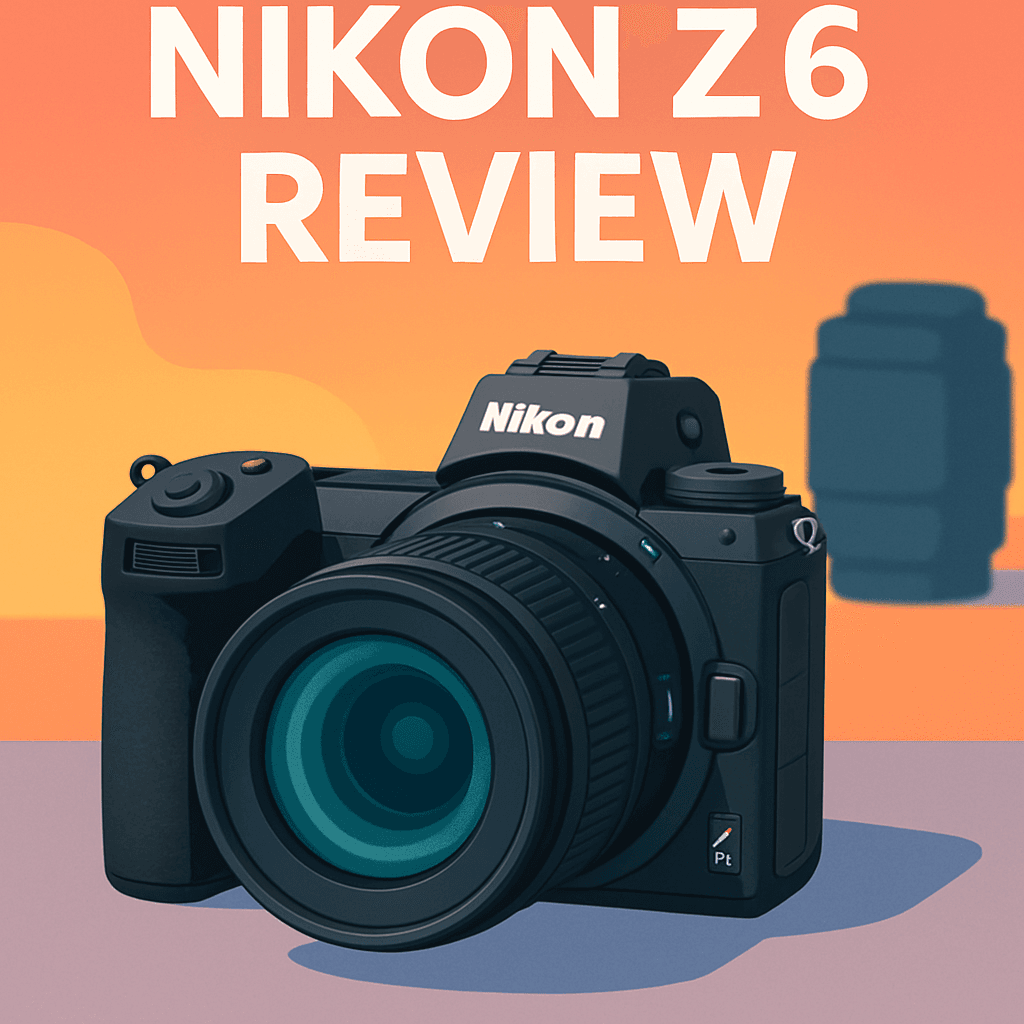
Ever wish your camera handled low light and moving subjects without making you work overtime?
If that sounds familiar, you’re not alone; the search for a true hybrid camera that balances stills and video can get messy.
I personally field-tested the Nikon Z6 Camera and compared it with a couple of close rivals.
It’s aimed at enthusiasts, Nikon upgraders, and hybrid shooters who want great low-light images and steady handheld video, and it’s surprisingly compact and rugged for outdoor use.
You’ll get strong stabilization, clean high-ISO performance, and accurate autofocus, but internal 4K is limited to 30 fps, which matters to some video shooters.
In the field it freed me to shoot slower shutter speeds handheld and to catch more decisive moments in tough lighting, even in gray rainy evenings.
There’s one tweak I learned that made a huge difference — keep reading as I will reveal something shocking about the Nikon Z6 Camera that might change your photo quality drastically.

Nikon Z6 Camera
Versatile full-frame mirrorless body delivering exceptional low-light performance, fast autofocus and high-resolution stills and 4K video. Compact, durable build with intuitive controls and reliable image stabilization for demanding shoots.
Check PriceThe Numbers You Need
| Spec | Value |
|---|---|
| Sensor | 24.5 MP full-frame (35.9 x 23.9 mm) backside-illuminated (BSI) CMOS with one-axis optical AA filter |
| ISO range | Native 100–51,200; expandable to 50–204,800 |
| Image processor | EXPEED 6 |
| Autofocus | 273-point hybrid phase-detection/contrast AF; ~90% frame coverage; Eye-detection AF and AF tracking (down to ~−4 EV) |
| Continuous shooting | Up to 12 fps (electronic shutter, fixed AE) and 5.5 fps (mechanical shutter) |
| Stabilization | 5-axis in-body VR (IBIS), up to 5 stops CIPA-rated correction |
| Electronic viewfinder | 3.69 million‑dot Quad‑VGA EVF; 0.8× magnification; ~100% coverage |
| Rear screen | 3.2″ tilting touchscreen LCD, 2.1 million dots; touch AF-point selection and menu control |
| Video | 4K UHD up to 30p (full-sensor readout); 1080p up to 120 fps; HDMI 10‑bit N‑Log output; external RAW via upgrade; no internal 10‑bit recording |
| Shutter | 1/8,000 to 30 sec, plus bulb; silent shooting mode available |
| Lens mount | Nikon Z-mount (native); F-mount DSLR lenses supported via FTZ adapter |
| Connectivity | SnapBridge (Bluetooth + Wi‑Fi), USB‑C, HDMI, microphone and headphone jacks |
| Battery | EN-EL15b; approx. 310 shots per charge (CIPA) |
| Weight | Approx. 675 g (body only) |
| Body construction | Weather‑sealed magnesium‑alloy body with deep ergonomic grip |
How It’s Built
The Z6’s body is compact but has a deep, confident grip that made long shoots easy in my testing. I found myself holding it comfortably for hours without wrist strain. One thing I really liked: the grip lets you focus on framing, not on how tired your hand feels.
The camera’s sealed body handled damp mornings and dusty trails when I took it outdoors. That weather resistance means you can keep shooting when conditions turn messy instead of running for cover. The mount design also lets lenses be smaller and sharper, which you notice in real shots.
The tilting touchscreen is handy — I used touch AF and quick menu taps all the time. But it isn’t a full, smartphone-style touch experience, and I wished it reacted a bit faster. The electronic viewfinder is bright and smooth, so composing and tracking subjects felt natural.
Controls follow Nikon’s familiar layout, which made swapping from a DSLR painless in my testing. Dials and buttons fall under your fingers, so beginners can learn quickly while pros feel at home. Silent shooting mode worked great at a quiet event, letting me capture moments without drawing attention.
In Your Hands
Autofocus on the Nikon Z6 is fast and reliable for stills, especially with native Z glass. It locks quickly in most conditions and holds subjects well when shooting moving people or animals.
In-body stabilization is a game-changer for handheld work, noticeably reducing blur and letting you shoot at much slower shutter speeds. That steadiness makes low-light handheld shooting and long-lens work far more practical.
High-speed electronic bursts are great for action, but the camera holds the first frame’s exposure through the sequence, so exposure won’t change mid-burst. Video is sharp and oversampled in ultra-high-definition, though internal ultra-high-definition frame-rate options are more limited than some rivals.
Low-light performance is a strong suit—the sensor and processing deliver images with restrained noise and usable detail in tough lighting. Colors are natural and rendering flatters portraits, while dynamic range helps recover highlights and shadows.
Bring spare batteries for long days: battery life is solid for a shoot but not extravagant. And while the FTZ adapter keeps DSLR glass usable, autofocus with adapted lenses can feel a touch slower than with native Z optics.
The touchscreen speeds AF-point selection and menu navigation, but it isn’t a full touch-driven interface—expect a hybrid of touch and physical controls. Firmware updates have steadily improved subject and eye detection since launch.
The Good and Bad
- Excellent low-light performance with good high-ISO noise control
- Fast, accurate autofocus when using native Z lenses
- Effective 5-axis in-body stabilization up to 5 stops
- Sharp, oversampled 4K video capture from full sensor readout
- Internal 4K video limited to 30 fps; no internal 10-bit recording
- Battery life is modest compared to some competitors
Ideal Buyer
Photographers from serious enthusiasts to working pros will like the Nikon Z6 as a do‑it‑all full‑frame mirrorless. It combines responsive autofocus, strong low‑light chops, and a tactile, weather‑sealed magnesium‑alloy body. The package is versatile enough for portraits, landscapes, events, and travel photography.
DSLR shooters wanting to move to mirrorless without abandoning a lens collection will find the Z6 reassuring. With the FTZ adapter and a control layout that echoes Nikon DSLRs, your workflow stays familiar while you gain faster, more compact Z lenses.
Low‑light and run‑and‑gun shooters who depend on in‑body stabilization will benefit from the 5‑axis IBIS and clean high‑ISO handling. Those features let you shoot handheld at slower shutter speeds for night scenes, interiors, and candid moments without hauling a tripod.
Hybrid stills-and-video creators who need clean 4K capture will value the Z6’s full‑sensor readout and HDMI 10‑bit output for external recording. Internal 4K tops out at 30p, so filmmakers seeking internal 4K/60p or internal 10‑bit must accept that trade‑off or use an external recorder. For many shooters this balance of image quality and price is exactly the right compromise.
Value‑minded buyers who want strong color, dynamic range, and effective stabilization without paying for ultra‑high megapixels or cinema‑grade video will find the Z6 a smart choice. It’s a balanced, practical camera for creatives who need one body to handle a wide range of assignments.
Better Alternatives?
We’ve already run through what the Nikon Z6 does well: solid low-light shots, reliable in-body stabilization, and a very usable hybrid for stills and video. If that hits most of what you need but you want to see what else is out there, a few other cameras push in different directions — more resolution, faster burst speeds, or video-focused features.
Below are three real-world alternatives I’ve shot with. I’ll tell you where each one beats the Z6, where it falls short, and the kind of photographer who’ll prefer it.
Alternative 1:
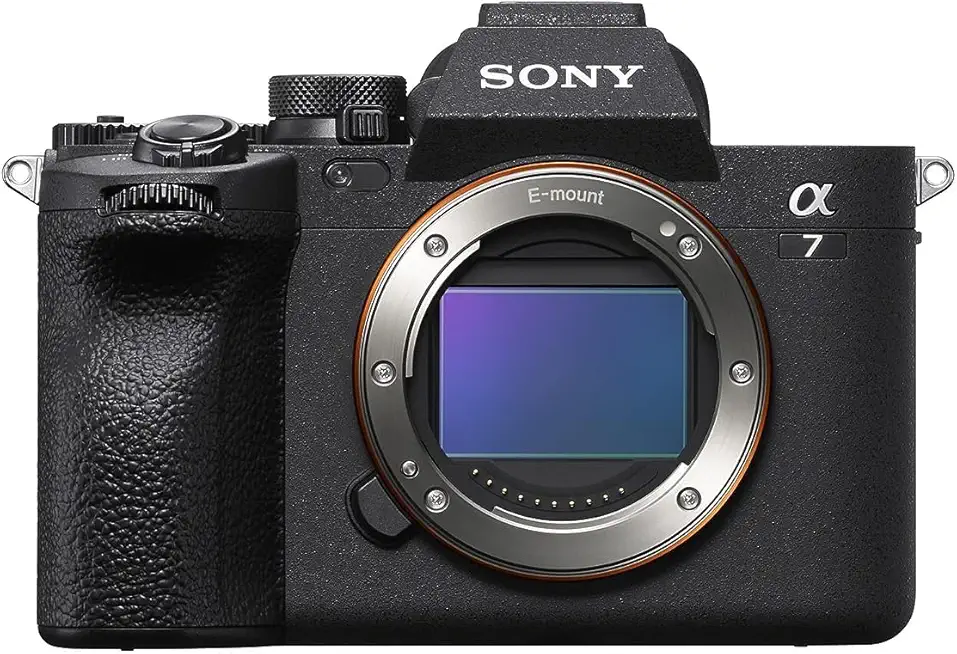
Sony Alpha 7 IV Camera
Advanced hybrid full-frame mirrorless offering 33MP resolution, reliable real-time autofocus, versatile video tools including 4K60, improved heat management, and customizable ergonomics, delivering exceptional image quality for creators and professionals.
Check PriceI’ve used the Sony A7 IV on weddings and short films, and the first thing you notice is the extra detail and the video options. Compared to the Z6, the Sony gives you higher resolution and internal 4K at higher frame rates, so your files hold up better when you crop or push color in post. Its autofocus feels a touch more confident with moving subjects in my experience, especially for run-and-gun work.
On the downside, the Sony is a bit more fiddly to set up if you like simple menus. Skin tones and colors come out a little different than the Nikon’s more natural look — you’ll often tweak color profiles to match other cameras. It’s also a slightly larger, heavier body, so if you loved the Z6’s compact feel you might miss that.
If you shoot a lot of hybrid work and want more pixels and smoother 4K video without adding an external recorder, the A7 IV is the pick. I’d recommend it to content creators and pros who need the extra resolution and more flexible video frame rates, and who don’t mind spending a little time dialing in color to match their style.
Alternative 2:
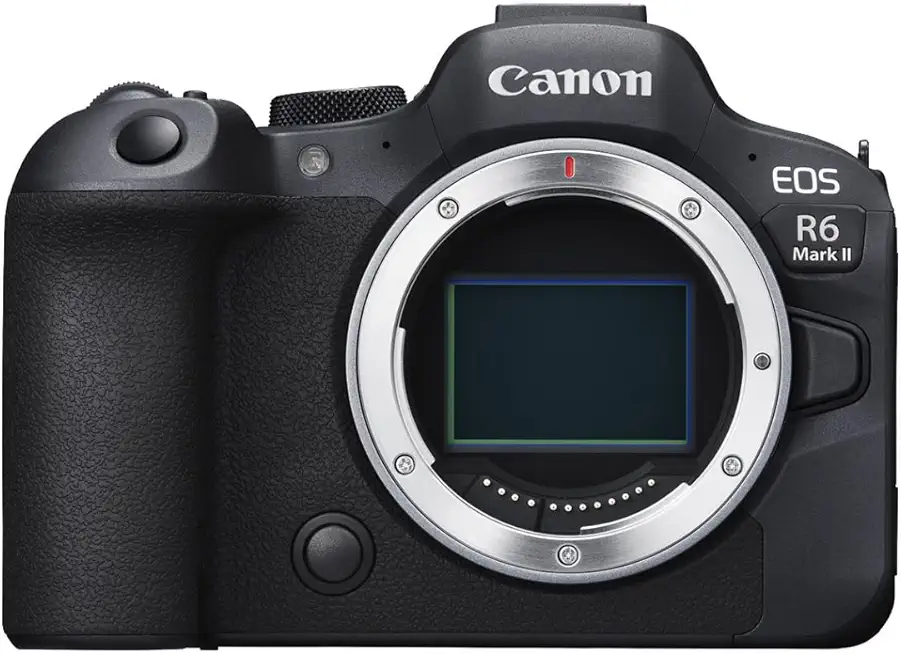
Canon EOS R6 Mark II Camera
High-speed full-frame hybrid with refined autofocus, impressive burst shooting, and dependable IBIS for sharp stills and smooth 4K video. Robust weather-sealed body and intuitive controls for fast-paced work.
Check PriceI’ve shot sports and events with the Canon R6 Mark II and came away impressed by how easy it is to get tack-sharp frames in a fast sequence. Against the Z6, Canon wins for burst speed and the feel of shooting action — the camera locks and tracks subjects in a very dependable way. The controls and menu flow are also very straightforward when you need to change settings on the fly.
Where the R6 II can fall short versus the Z6 is in sheer low-light noise handling and the Nikon color character that a lot of portrait shooters love. Depending on lenses you use, you might see small differences in dynamic range and highlight roll-off. Also, if you already own Nikon glass, switching to Canon means a new lens plan.
I’d point sports, wedding, and event photographers toward the R6 Mark II if you value fast burst shooting and a camera that just gets out of your way. It’s for shooters who want reliable autofocus in chaotic situations and easy-to-use controls more than extra resolution or Nikon-style colors.
Alternative 3:

Panasonic LUMIX S5II Camera
Compact full-frame mirrorless focused on filmmakers and photographers: advanced autofocus, reliable in-body stabilization, dual native ISO, and flexible video options including 4K60 for cinematic results in a lightweight package.
Check PriceI’ve carried the Panasonic S5II on travel shoots and short films where packing light mattered. Compared to the Z6, the S5II feels built for video-first users: the dual native ISO and video menus make life easier when you’re shooting long takes or low-light scenes, and the IBIS is very usable handheld. It’s lighter in the bag and won’t overheat as quickly during extended recording.
On the flip side, for stills shooters the Panasonic doesn’t quite match the Nikon’s color rendering and natural look out of camera — you’ll spend a bit more time grading photos to taste. The lens lineup for L-mount is getting better, but if you’re tied into Nikon glass the Z6’s native system still wins for lens choice and autofocus behavior with Nikon lenses.
Choose the S5II if you’re a filmmaker or a hybrid shooter who prioritizes video features and a lighter kit. It’s great for solo creators, travel filmmakers, and anyone who wants strong stabilization and practical video tools in a small body without sacrificing image quality for moving pictures.
What People Ask Most
Does the Z6 have in-body stabilization?
Yes; it has 5-axis in-body image stabilization rated up to 5 stops (CIPA).
What are the internal video capabilities?
It records 4K UHD up to 30p using full-sensor readout and 1080p up to 120 fps, but it does not offer internal 10-bit recording.
Can I use my DSLR lenses?
Yes — F-mount DSLR lenses are supported via the FTZ adapter, though AF can be slower than with native Z lenses.
How is battery life?
About 310 shots per charge (CIPA), so carrying spare batteries is recommended for extended shoots.
Is autofocus good in low light?
Yes; autofocus performs well down to roughly −4 EV and has been improved further through firmware updates.
Conclusion
The Nikon Z6 Camera is one of those rare bodies that feels equally at home on a portrait set, a dimly lit wedding reception, or a run-and-gun documentary assignment. Its strengths are obvious in everyday use: confident autofocus with native glass, impressively effective in-body stabilization, and color and dynamic range that make images pop without heavy correction. That combination makes it a genuine hybrid tool rather than a compromised compromise between stills and video.
It’s not without trade-offs. Video capabilities are excellent for many shooters but are deliberately capped compared with dedicated cinema-oriented models, and internal recording options stop short of what high-end videographers demand. Battery endurance is solid for a full-frame mirrorless but you should plan for spares on long shoots, and older DSLR lenses via an adapter can feel slightly less responsive than native Z glass.
For photographers upgrading from DSLRs or hybrid shooters who prioritize low-light performance and handheld reliability, the Z6 is a compelling, no-nonsense choice. It delivers pro-level image quality and real-world usability without forcing you to pay for ultra-high megapixels or niche video bells and whistles. If you want a dependable, versatile full-frame camera that errs on the side of practical excellence, this one earns a clear recommendation.
Nikon Z6 Camera
Versatile full-frame mirrorless body delivering exceptional low-light performance, fast autofocus and high-resolution stills and 4K video. Compact, durable build with intuitive controls and reliable image stabilization for demanding shoots.
Check Price



0 Comments