
What’s the one camera that will brave icy winds, waterfall spray, and still deliver frame‑worthy detail? Iceland tests gear like nowhere else, with sudden storms, black‑sand beaches, and aurora‑charged skies.
This guide compares five cameras well suited to Iceland photography, from nimble travel bodies to rugged workhorses. Whether you’re chasing waterfalls, volcanic textures, or the Northern Lights, you’ll want gear that keeps up.
We evaluated each option for compactness, weather resistance, low‑light performance, durability, and battery life. Expect clear trade‑offs—what saves weight may cost stamina, and what seals out spray can add bulk. Those are the attributes that separate a good travel camera from a frustrating one in Iceland.
Rather than focusing on numbers alone, we look at how cameras behave in real Iceland conditions—wind, spray, sand, and sudden cold. You’ll get practical context about usability in harsh weather and what compromises photographers commonly accept. Real‑world handling matters more than lab specs when conditions go sideways.
Packability, dependable autofocus in fading light, and long battery endurance are recurring winners on this list. Think about how you travel—light and fast versus rugged and ready—and this guide will help you match a camera to that style. You’ll also get a sense of what to prioritize when you pack.
As a photographer who’s spent seasons shooting glaciers and coasts, I distilled what truly matters into these five picks. Read on to find the camera that best fits your shooting priorities and lets you make the most of Iceland’s wild light.
1. Sony Alpha 7C II Overview
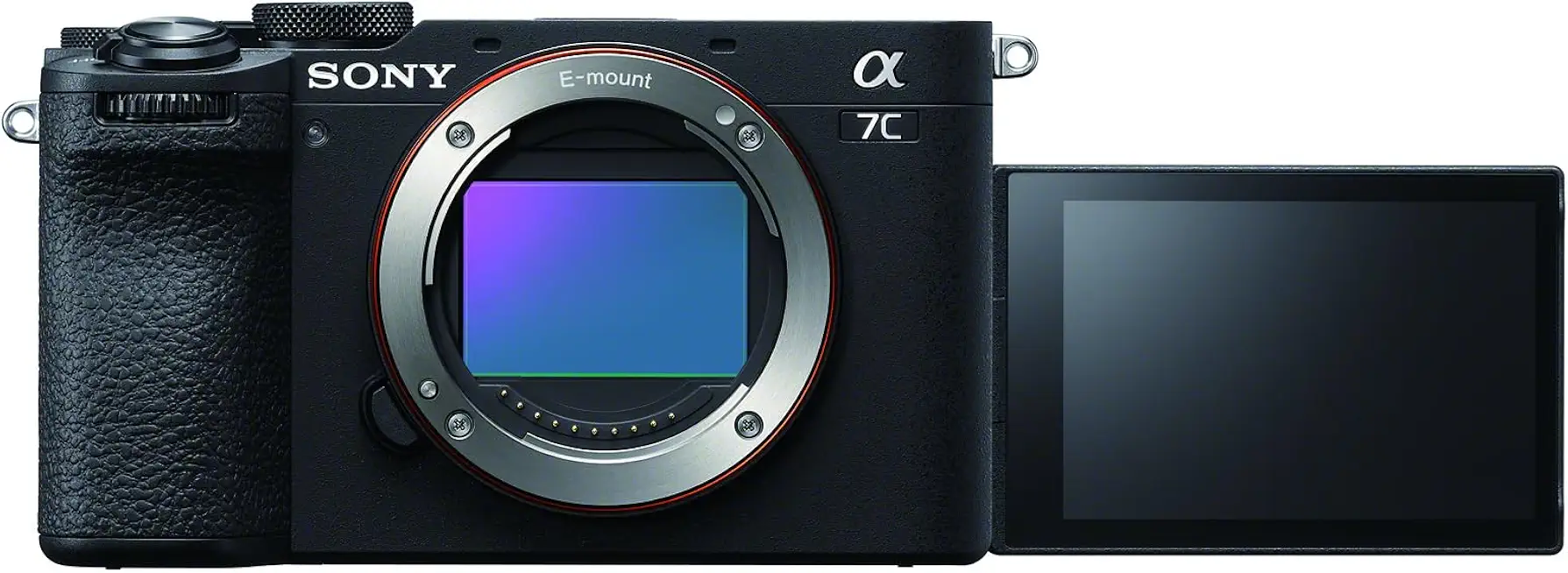
Sony Alpha 7C II
Compact full-frame mirrorless with outstanding low-light performance, fast autofocus, and 4K video — designed for travel photographers and hybrid creators.
Check PriceThe Sony Alpha 7C II is a compact full-frame travel camera that punches above its weight for landscape and travel work. It’s praised for its size and image quality, giving you full-frame dynamic range and detail in a body that’s easy to carry on long hikes. The autofocus performs reliably in low light, which helps when weather and light change quickly on Icelandic shoots.
The flip-out screen is a real workflow booster for awkward angles and low compositions near waterfalls or black-sand beaches. It lets you frame creative shots without lying on the ground or risking gear exposure. For solo shooters and vloggers the articulated display makes composed self-shots and tricky perspectives much simpler.
Weather sealing is adequate for light rain and mist, so you can keep shooting during brief showers or sea spray. It’s not rated for prolonged heavy storms, so plan to use covers or seek shelter in harsher conditions. Treat it like travel-ready kit rather than a fully bulletproof expedition body.
Be mindful of the trade-offs: battery life is shorter than larger full-frame bodies, so pack extra batteries for full-day shoots. The menu system can be confusing for beginners, especially if you’re wearing gloves in cold weather, so practice your settings ahead of time. Overall, if you prioritize a lightweight full-frame package with excellent autofocus and a flexible screen, the 7C II is a great fit for Iceland travel photographers.
- Extremely lightweight and compact — easy to carry on long hikes or in a backpack.
- Full-frame sensor — excellent dynamic range and detail for dramatic landscapes.
- Reliable autofocus — tracks moving subjects (wildlife/fast-changing weather).
- Flip-out screen — allows creative framing in tight or awkward positions.
- Shorter battery life than larger full-frame bodies — requires extra batteries for full-day shoots.
- Menu system can be confusing for beginners, especially in cold weather with gloves.
2. Canon EOS R5 Mark II Overview

Canon EOS R5 Mark II Body
Professional-grade mirrorless body delivering high-resolution stills, cinema-quality 8K video, advanced autofocus, and robust heat management for extended shoots.
Check PriceAs a working photographer, the Canon EOS R5 Mark II feels like a serious tool for Iceland. It combines a high-resolution sensor with robust video capabilities, so whether you’re after sweeping landscape detail or 4K/8K-style footage, the body is built to deliver.
The autofocus and tracking are genuinely outstanding — they work well in low light and with moving subjects, which is invaluable when conditions change rapidly or when wildlife appears unexpectedly. Its strong high-ISO performance means you won’t be fighting noise as dusk falls or when shooting the aurora.
Top-tier weather sealing is a major practical advantage in Iceland’s unpredictable mix of rain, wind, and spray. I trust this camera to keep shooting through drizzle and cold better than many alternatives, which reduces the need to stop and shelter between shots.
For action and wildlife, the fast burst shooting helps you capture decisive moments. For landscape work, the high resolution preserves fine textures and tonal subtleties in rock, ice, and moss — great for large prints or heavy cropping in post.
Be aware of two real-world caveats: the body can overheat during extended video recording, especially in warmer environments or at very high-resolution settings, and the menu system is complex and can overwhelm new users. If you prioritize image quality, reliable AF in difficult light, and serious weather resistance, the R5 Mark II is an excellent, versatile choice for Iceland trips.
- Outstanding autofocus and tracking — effective even in low light and with moving subjects.
- Excellent weather sealing — reliable in rain, snow, and wind.
- High-resolution sensor — captures fine landscape detail and textures.
- Fast burst shooting — useful for wildlife and action shots.
- Can overheat during extended video recording, especially in warmer environments or at high-resolution settings.
- Complex menu system — can be overwhelming for new users.
3. Nikon Z7II Overview
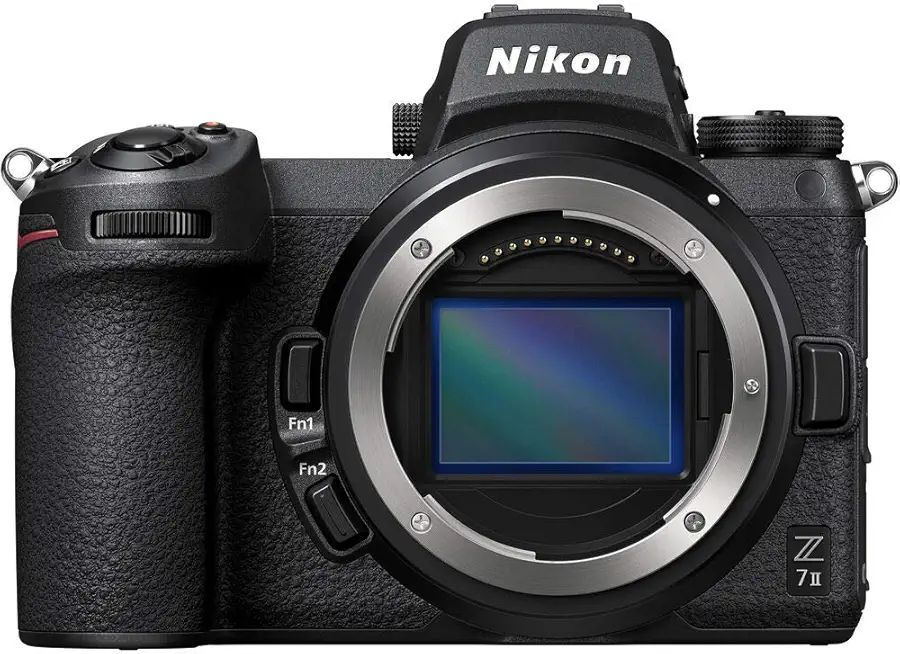
Nikon Z 7II
High-resolution full-frame camera combining exceptional dynamic range, precise autofocus, and in-body stabilization for studio and landscape photographers seeking ultimate detail.
Check PriceThe Nikon Z7II is a landscape photographer’s tool built around a high-resolution sensor that captures incredible detail and texture. Its excellent dynamic range handles Iceland’s contrasty scenes well, holding detail in bright skies and deep shadows.
It copes with cold reliably, so you can trust it in sub-zero conditions common on Iceland trips. The reliable battery life means fewer interruptions on long outdoor shooting days.
In-body stabilization is effective for handheld shots, which is handy when wind or unstable footing makes tripod use difficult. That stabilization helps keep images sharp during slower shutter speeds without always needing a tripod.
Dual card slots offer peace of mind in remote locations by providing instant backup or overflow storage. This is a real advantage when you’re photographing waterfalls, beaches, or long drives with limited opportunities to offload files.
Autofocus can be slower than some competitors, especially in low light, so plan accordingly for fast-moving subjects or nighttime aurora work. The camera is also bulkier than some mirrorless options, which may be a consideration for long hikes and minimal-weight packing.
For landscape-focused shooters who prioritize image quality, dynamic range, and reliability in harsh weather, the Z7II is mostly an excellent choice. If you need the absolute lightest kit or the fastest low-light autofocus for wildlife, weigh those trade-offs against its strengths.
- High-resolution sensor
- Excellent dynamic range
- Reliable battery life
- In-body stabilization
- Autofocus slower in low light
- Bulkier than some mirrorless options
4. Fujifilm X100VI Overview

Fujifilm X100VI
Street-ready fixed-lens compact featuring classic film simulations, tactile controls, fast prime lens, and superb image quality in a stylish body.
Check PriceAs a travel photographer who values simplicity on long walks, the Fujifilm X100VI really shines. It’s a compact fixed-lens camera popular with street/travel photographers, and its size makes it easy to carry on hikes or slip into a jacket pocket.
The color science and film simulations are a real joy — images come out vibrant and natural-looking with minimal editing. The hybrid viewfinder is particularly useful; it gives you the flexibility to compose in bright sunlight or switch to low-light framing without fumbling for settings.
Build-wise, the X100VI feels solid and durable. It handles light rain and cold temperatures well, which means you can keep shooting through misty mornings and brisk coastal winds without immediate worry.
There are practical trade-offs to consider. The fixed lens limits versatility for sweeping wide landscapes or distant wildlife, so if you crave focal-length flexibility you might feel constrained. Battery life is shorter than larger cameras, so plan on carrying extra batteries for full-day shoots if you want uninterrupted shooting.
- Compact and lightweight — easy to carry on hikes or in a jacket pocket.
- Excellent color science and film simulations — vibrant, natural-looking images with minimal editing.
- Hybrid viewfinder — versatile for bright sunlight and low light.
- Durable build quality — handles light rain and cold temperatures well.
- Fixed lens — limits versatility for wide landscapes or distant wildlife.
- Shorter battery life than larger cameras — extra batteries needed for full-day shoots.
5. Canon EOS R6 Mark II Overview
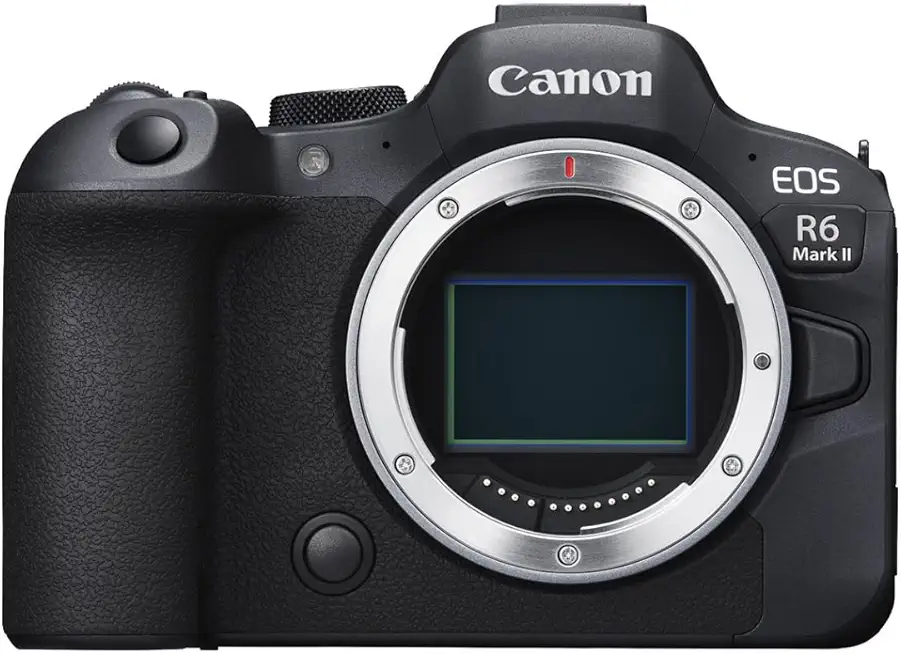
Canon EOS R6 Mark II Body
Versatile high-speed mirrorless body with excellent autofocus, impressive low-light sensitivity, and smooth 4K video for action and hybrid shooters.
Check PriceThe Canon EOS R6 Mark II is a camera I reach for when I need speed and reliability in unpredictable conditions. Its excellent autofocus and high-speed shooting make it ideal for wildlife and action, where split-second moments matter.
Low-light performance is another strong suit. The camera’s excellent high-ISO performance delivers clean images in dim conditions, so you can trust it when the light fades or the weather closes in.
Build and handling are practical for long days in the field. The body features robust weather sealing, so it holds up against rain, snow, and wind, and the comfortable ergonomics keep fatigue down during extended shoots.
As a working photographer, I appreciate how the autofocus and tracking perform with moving subjects and in low light. That reliability lets you concentrate on composition and timing rather than fighting the camera.
No camera is perfect. The R6 Mark II can overheat during extended video recording, especially in warmer environments or at high-resolution settings. Also, the menu system can be complex and overwhelming if you’re newer to Canon’s layout.
- Outstanding autofocus and tracking — performs well in low light and with moving subjects.
- Excellent high ISO performance — clean images in low-light conditions.
- Robust weather sealing — reliable in rain, snow, and wind.
- Comfortable ergonomics — suited to long shooting sessions.
- Can overheat during extended video recording, especially in warmer environments or at high-resolution settings.
- Complex menu system — can be overwhelming for new users.
Weather Resistance and Durability
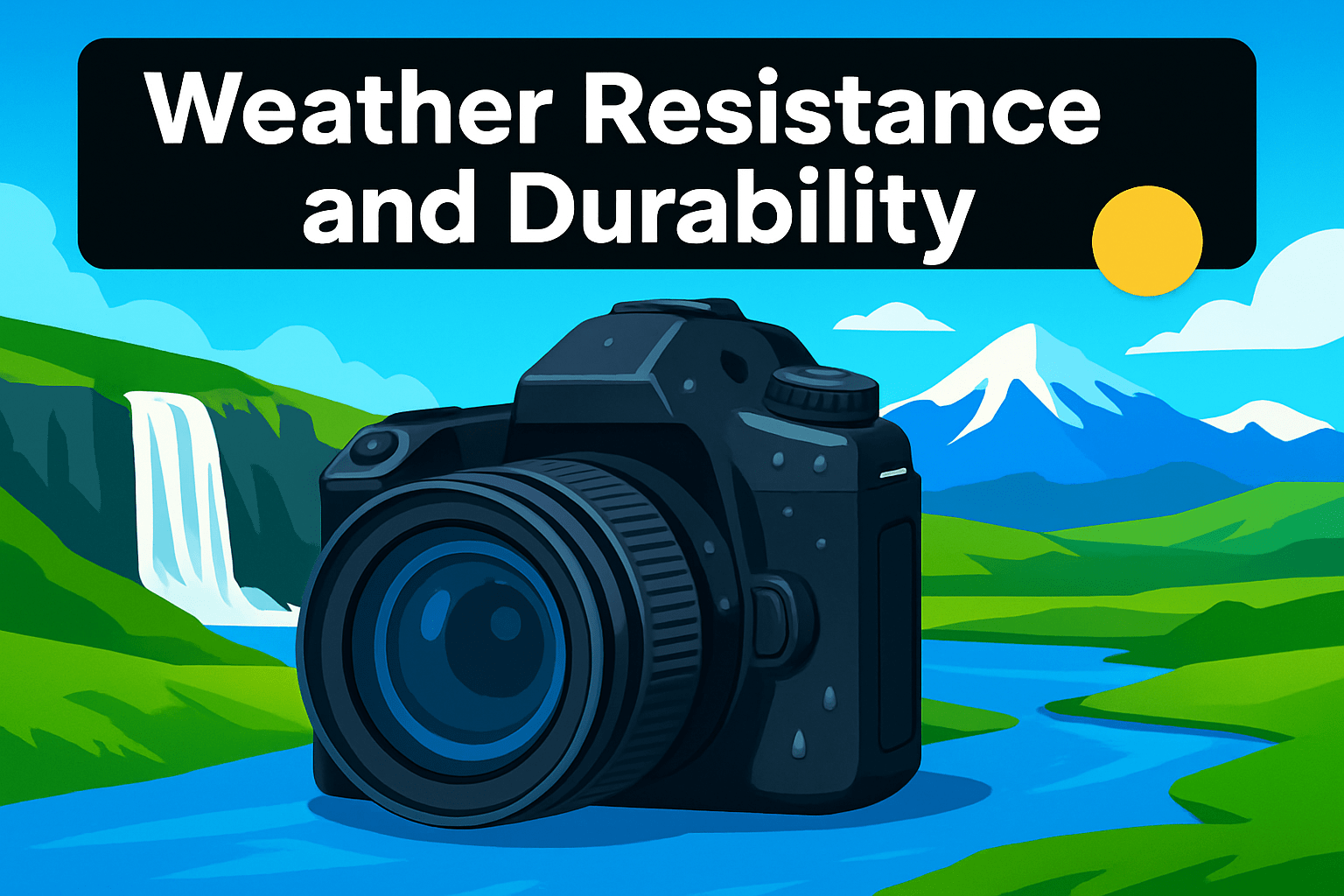
Iceland’s weather can change on a dime. Rain, sleet, driving wind, fine black sand and the constant spray from waterfalls and surf all conspire to test your kit. Planning for that reality is half the battle; choosing the right level of protection is the other.
Whenever possible, start with a weather-sealed body and “WR” or weather-resistant lenses. Those seals aren’t invincible, but they give you a real margin for error when mist and drizzle turn into a soaking. If your camera and glass are built to shrug off moisture and dust, you’ll be able to keep shooting in conditions that would sideline lesser gear.
Black-sand beaches are one of the biggest hazards. The sand is abrasive, gets everywhere, and will wear down moving parts fast. When you’re near the shore keep your camera covered or wrapped in a protective jacket, and avoid putting it down directly on the sand.
Waterfalls and coastal spray create a different threat: constant micro-droplets that can wet controls and lenses. A lightweight rain sleeve or a simple camera cover is one of the best investments for Iceland trips. They’re cheap, quick to deploy, and let you keep shooting without risking expensive repairs.
If your kit isn’t fully weather-sealed, treat it with extra respect and avoid prolonged exposure to storms, mist or sand-laden winds. Use covers, shoot from sheltered positions when possible, and plan for quick pack-and-move sessions when the weather turns. That approach will keep you shooting more and worrying less.
In the end, the most important thing is reliability. Spending a bit more on weather-tolerant gear—or on good protective accessories—pays off in the field. It keeps your camera working and your focus where it should be: composing the shot, not salvaging equipment.
Camera Care in Iceland
Iceland’s weather will humble even the most prepared photographer. Rain, spray, wind and volcanic sand are the norm rather than the exception, so think of camera care as part of your shooting routine. A moment of prevention saves you hours of repair later.
Whenever you’re near waterfalls, beaches or stormy coasts, use a rain sleeve or simple plastic cover to keep moisture off your body and controls. A clear UV or protective filter on the front of your lens takes the first hit and is far cheaper to replace than a lens element. For non-weather-sealed bodies, avoid extended exposure to spray and never leave gear sitting in driving wind.
Condensation is your biggest invisible enemy when moving from cold outdoors to warm interiors. Before you go inside, seal your camera and lenses in a zip-top plastic bag. Let them warm gradually to room temperature inside the bag so any moisture condenses on the outside, not inside your electronics.
Change lenses as little as possible in the field. If you must swap glass, do it in the shelter of a car or windbreak, pointed downwards, with body cap and rear caps at the ready. Keep a microfiber cloth, lens pen and rocket blower in your bag to clear droplets, grit and fingerprints right away.
Cold drains batteries fast, so carry multiple spares in an inner jacket pocket and rotate them frequently. Bring extra memory cards or rely on dual slots to avoid runouts. Every night, dry and wipe your gear with an absorbent towel and let it air in your packed bag to remove residual moisture.
Sand is abrasive. After a beach shoot, brush and blow out joints and crevices before they grind. Use tripod leg socks or a waterproof cover to protect moving parts. For peace of mind, consider gear insurance—repairs and replacements in remote areas are expensive and inconvenient.
What People Ask Most
What is the best camera for photographing Iceland’s landscapes?
There is no single best camera; choose gear that balances portability, weather resistance, and good low-light capability. Prioritize features that match your shooting style and how much equipment you want to carry.
What camera is best for capturing the Northern Lights in Iceland?
A camera that performs well in low light and handles high ISO cleanly will make aurora shooting easier. Pair it with a stable tripod and a wide, fast lens to capture brighter and sharper shots.
Do I need a weather-sealed camera for Iceland travel?
Weather-sealed gear is highly recommended because conditions can be wet, windy, and sandy. If your equipment is not sealed, use protective covers and avoid exposing it directly to harsh elements.
Is a full-frame camera necessary for Iceland photography?
A full-frame camera can offer advantages in low light and dynamic range but is not strictly necessary for great results. Many smaller-format cameras produce excellent images while being lighter and easier to carry.
What lenses should I bring for shooting in Iceland?
Bring a versatile set that covers wide-angle views for landscapes and a longer reach for distant subjects if you plan to shoot wildlife. Weather-resistant lenses and a fast option for low light will increase flexibility in changing conditions.
Can I use a mirrorless camera for Iceland instead of a DSLR?
Yes, mirrorless cameras are well suited to Iceland and often offer lighter weight and modern autofocus performance. Consider battery life and weather sealing when choosing gear for extended outdoor use.
Is a tripod essential for photography in Iceland?
A tripod is very helpful for long exposures, low-light scenes, and precise compositions common in landscape work. For fast-paced travel it may be optional, but it greatly expands creative possibilities in challenging light.
Conclusion For The Best Camera In Iceland
This comparison is meant to make it easier to weigh the trade-offs between compactness, weather resistance, low-light capability, battery life, and ergonomics when planning photography in Iceland.
Each camera approach — from lightweight travel setups to high-resolution or action-focused bodies — suits different priorities, so consider how you shoot and what conditions you’ll face most often.
Before you go, pack extra batteries and rain protection, minimize lens changes outdoors, and follow the simple maintenance steps outlined to reduce condensation and sand damage.
Choose the camera that best matches your priorities for travel, landscapes, wildlife, or video, rather than chasing a single “perfect” model for every situation.
If you want to improve your skills and gear decisions, read more articles on the site to deepen technique, workflow, and planning tips tailored to harsh environments like Iceland.
Leave a comment with your questions or experiences — we usually reply within a few hours and are happy to help you refine your kit and approach.


0 Comments