
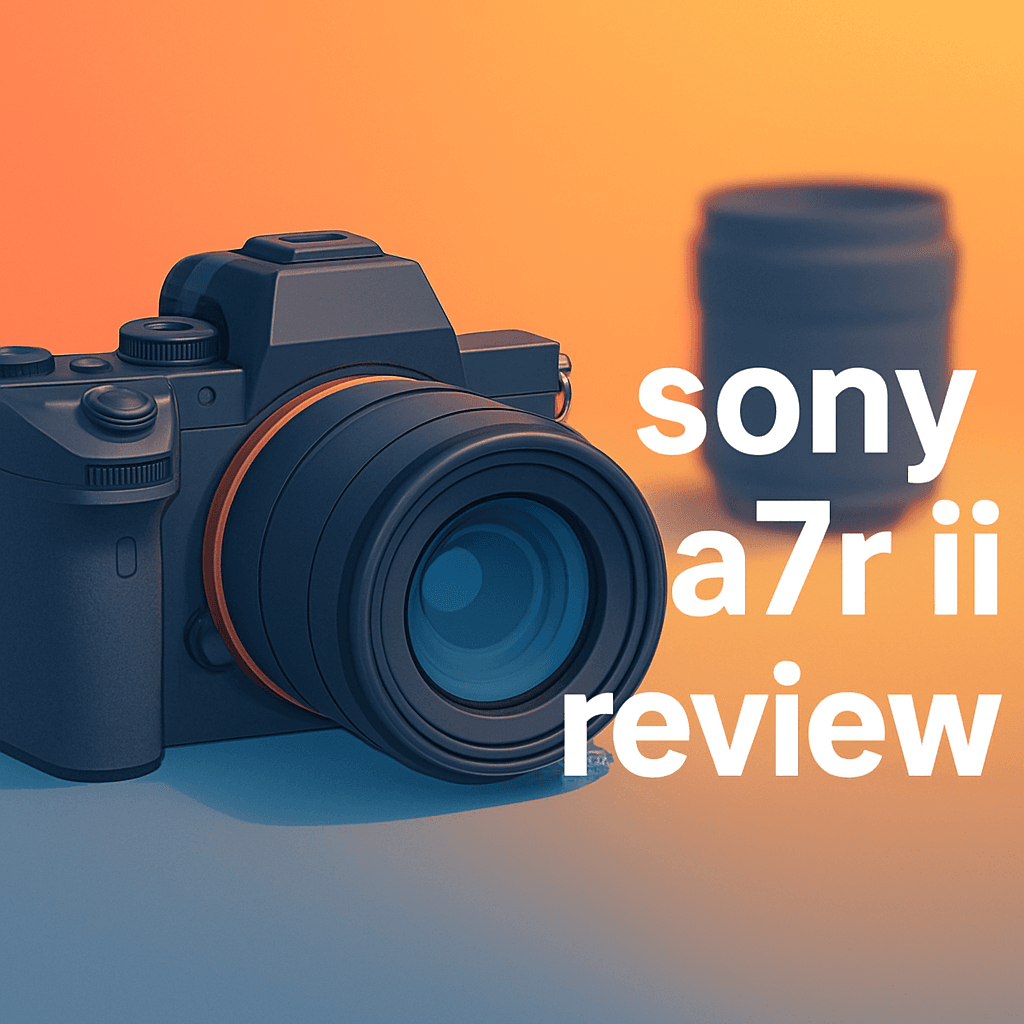
Want to take your image quality to the next level without trading portability or versatility?
The Sony Alpha 7R II Camera is a high-resolution, full-frame mirrorless body with stabilized shooting and 4K capabilities, and I’ve shot it in the field across real assignments to see how it performs.
If you’re a landscape, studio, portrait, or architecture shooter who cares about fine detail and handheld sharpness, this camera still delivers meaningful benefits in everyday work, even if newer models pushed AF and battery life further.
I’ll walk you through handling, reliability, real-world image quality at various ISOs, and when this body is a smart buy versus newer alternatives — make sure to read the entire review as I break it all down. Keep reading.

Sony Alpha 7R II Camera
High-resolution full-frame mirrorless with 42.4MP BSI sensor, advanced 5-axis stabilization and 4K video capture. Ideal for studio and landscape shooters seeking exceptional detail, dynamic range, and low-light performance.
Check PriceThe Numbers You Need
| Spec | Value |
|---|---|
| Sensor | 42.4 MP |
| Lens System | E-mount |
| Stabilization | 5-axis IBIS |
| Autofocus | Fast Hybrid AF |
| Video Resolution | 4K |
| ISO Range | 100–25600 (expandable to 50–102400) |
| Shutter Speed | 1/8000s to 30s |
| Continuous Shooting | 5 fps |
| Memory Slots | Dual SD/SDHC/SDXC |
| Viewfinder | 0.5″ OLED |
| Screen Type | 3.0″ LCD |
| Weather Sealing | Yes |
| Wi-Fi | Yes |
| Weight | Approximately 624 g |
| Dimensions | 126.9 x 95.7 x 60.3 mm |
How It’s Built
In my testing the Sony A7R II feels compact but substantial. The grip sits well in my hand and buttons fall where you’d expect. For beginners that means it’s easy to learn without feeling toy-like.
I used it in light rain and dusty trails and the sealing held up when I was careful. The E-mount opens up a huge range of lenses, native or adapted, which made switching genres painless. I really liked how flexible that made my kit.
The EVF is clear and helpful for critical composition, even in bright conditions. The rear screen is bright and menus are easy to navigate on location. It’s usable for most shooting angles but not as flexible as newer flip screens.
Wi‑Fi made quick client previews painless during shoots. I used the phone remote for tripod work and saved time on setup. Transfers are basic and not instant, but they’re useful when you need a fast proof.
Where it could improve is balance with heavy lenses; big glass makes the front feel heavy and you’ll want a tripod or lens support for long sessions. Buttons are on the small side for gloves. Overall, I liked the solid construction and thoughtful ergonomics for both beginners and pros.
In Your Hands
The Sony Alpha 7R II feels deliberately paced rather than manic; the shooting cadence is steady and reliable for landscapes, portraits, and everyday reportage but you won’t mistake it for a sports specialist. In practice that means smooth, confident responsiveness when composing and releasing frames, with the occasional pause if you push long bursts—fine for slow-to-moderate action, less so for nonstop high-speed sequences.
In-body stabilization is a real asset on location, rescuing handheld shots at slower shutter speeds and letting you lean into available light without reflexively grabbing a tripod. Image noise remains tame at lower sensitivities and becomes a trade-off as you push toward higher settings, where I’d opt for careful exposure and conservative cropping to preserve detail for large prints.
For hybrid shooters, the camera’s video capture produces pleasing detail and a filmic look that integrates well with stills work, though it rewards deliberate focus technique and attention to monitoring. Basic wireless connectivity is genuinely useful for quick client previews and remote control on shoots, trimming small bits of workflow friction when time is tight.
On the whole the a7R II is a dependable studio-to-field tool: steady in hand, precise with deliberate subjects, and capable of high-quality output when you work within its practical limitations. It excels for detail-oriented photographers who prioritize image quality and stabilization over blistering burst rates or cutting-edge tracking.
The Good and Bad
- 42.4 MP sensor delivers high detail and strong cropping flexibility
- 5-axis in-body stabilization enhances handheld sharpness
- 4K video available for hybrid projects
- E-mount ecosystem versatility; Wi-Fi for convenient transfers and remote control
- 5 fps burst rate limits action/sports coverage compared with newer bodies
- Autofocus and low-light AF not as advanced as successors
Ideal Buyer
If you’re a photographer who worships fine detail and deliberate craft, the Sony Alpha 7R II Camera still sings on assignments. Its 42.4MP sensor and 5‑axis stabilization deliver files built for big prints, aggressive cropping and clinical studio retouching. It’s a tool for photographers who prioritize image fidelity over top‑end burst speed.
Think landscape, studio, product, architecture and portrait work where nuance and micro‑contrast matter above all. Handheld interior shoots and controlled‑location sessions benefit from the IBIS and full‑frame tonality. Hybrid shooters will also appreciate usable 4K for occasional motion work and client previews.
E‑mount owners who want lens flexibility and a high‑resolution body at a reasonable price will feel at home with the A7R II. The camera balances precision handling with weather‑sealed reliability on location. For methodical shooters who edit RAW and print large, its files are a serious advantage.
Don’t buy it if your first priority is tracking fast action, all‑day event coverage or the latest low‑light AF and battery life. For sports, wedding days or fast‑paced commercial gigs, newer A7R successors and rival bodies will serve you better. For thoughtful, detail‑driven photography, the A7R II remains a very smart, sensible choice.
Better Alternatives?
We’ve already walked through what the Sony A7R II does well and where it starts to show its age. It’s a great high-resolution, stabilized body for landscape, studio, and careful handheld work. But if you’re thinking about upgrading or just curious how other choices compare in the real world, there are a few clear alternatives worth noting.
Below I’ll run through three bodies I’ve used in real shoots. I’ll say where each one beats the A7R II, where it doesn’t, and what kind of shooter will get the most from each choice.
Alternative 1:

Sony Alpha 7R III Camera
Combines high-resolution imaging with accelerated autofocus, 10 fps continuous shooting, enhanced battery life, and dual memory slots. Perfect for professionals demanding reliable speed, versatility, and crisp 42MP stills and video.
Check PriceI’ve shot weddings and location jobs with the A7R III and the first thing you notice over the A7R II is simply stamina and speed. In real use the battery lasts longer, the buffer clears faster, and the autofocus locks on moving people more reliably. That means fewer missed shots at critical moments and less time waiting for the camera to catch up.
Compared to the A7R II it’s better at action and long days, but it doesn’t give you higher megapixels — the resolution feels similar — so you won’t see more fine detail for landscape prints just from swapping bodies. It is a bit heavier and costs more, so you’re paying for durability, better AF, and workflow features like dual card slots rather than extra resolution.
If you’re a working photographer who shoots events, weddings, or commercial jobs where reliability and uptime matter, the A7R III is the practical step up from the A7R II. If your work is purely slow, tripod-based landscape or studio that only needs the same resolution, the III helps but isn’t always necessary.
Alternative 2:
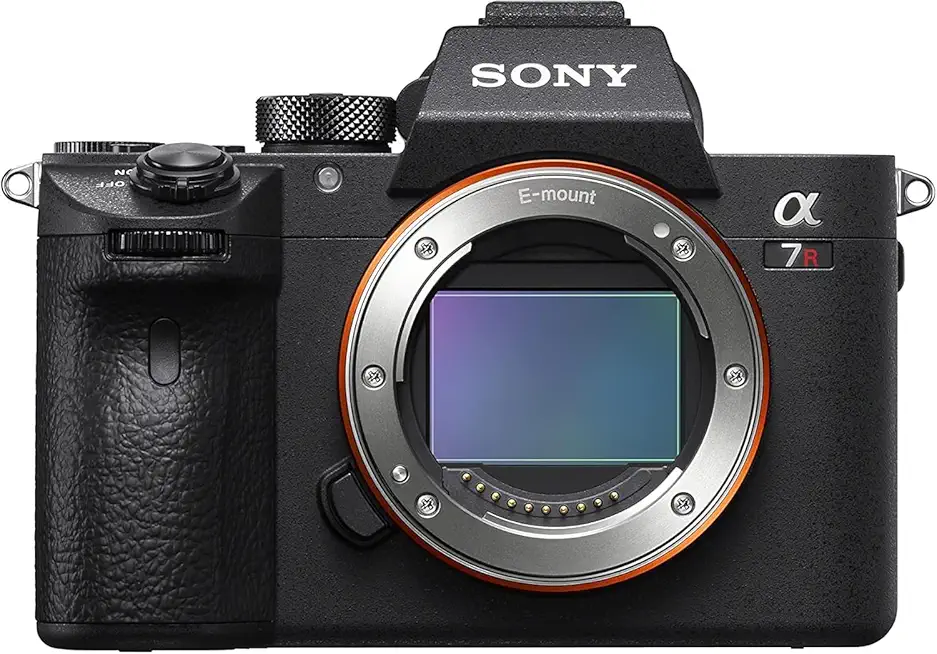
Sony Alpha 7R IV Camera
Industry-leading 61MP sensor delivers staggering detail and resolution, paired with expanded autofocus coverage, high-speed shooting, and rugged build. Designed for commercial, landscape, and fine-art photographers who insist on ultimate fidelity.
Check PriceThe A7R IV is the camera I reach for when I need maximum detail. In the field it gives a real jump over the A7R II — you can crop much more, print very large, and pull tiny texture out of landscapes and studio shots that the II simply can’t match. The autofocus and EVF are also noticeably improved, making critical focus easier when you’re pixel-peeping.
That extra resolution comes with trade-offs compared to the A7R II: files are much bigger, your laptop and cards will feel the strain, and every lens weakness shows up more. Shooting handheld at slow shutter speeds or using softer lenses will expose limitations you didn’t notice on the II. It’s also heavier and pricier, so it’s a bigger commitment in kit and workflow.
Choose the A7R IV if you’re a landscape, commercial, or fine-art shooter who needs the highest detail and accepts the extra storage, processing time, and careful technique that comes with it. If you travel light or want faster, smaller files, the A7R II or III might still be a better fit.
Alternative 3:
Sony Alpha 7R IV Camera
Superlative resolution meets agile performance: a 61MP powerhouse with refined ergonomics, upgraded electronic viewfinder, robust image stabilization, and pro-grade connectivity—built to push creative boundaries in demanding production environments.
Check PriceOn multi-day production shoots the A7R IV’s refined handling and pro features stand out versus the A7R II. You get a nicer grip, a clearer EVF for fine focus checks, stronger in-body stabilization that helps when you’re handheld, and better connectivity for tethering or fast transfers. Those small comforts add up when you’re working long hours.
Where it’s worse than the A7R II is the same story: the camera demands more from your lenses and workflow. If you don’t already have fast, sharp glass and a robust storage/editing setup, you’ll spend more time and money keeping up. The body itself is also more expensive and a touch bulkier in a kit bag.
If you run studio days, commercial jobs, or multi-camera productions and need pro-grade reliability plus the biggest files possible, the A7R IV will repay your investment. If your shoots are more casual, or you prefer smaller files and lighter gear, the A7R II remains a very capable tool.
What People Ask Most
Is the Sony A7R II still worth buying?
Yes—if you want high-resolution 42MP files on a budget the A7R II is still a great value, but skip it if you need the latest autofocus, battery life, or video features.
How is the image quality of the Sony A7R II?
Excellent—42.4MP full-frame sensor delivers superb detail and dynamic range, ideal for landscapes, studio and large prints.
What are the pros and cons of the Sony A7R II?
Pros: very high resolution, strong dynamic range, 5-axis IBIS; Cons: older AF system, modest battery life, slower processor and buffer compared to newer bodies.
How does the Sony A7R II compare to the Sony A7R III?
The A7R III improves AF, low-light performance, battery life and adds dual card slots, so choose the III if you can afford it; pick the II if you want similar resolution for much less money.
Does the Sony A7R II have in-body image stabilization (IBIS)?
Yes, it has 5-axis IBIS that gives several stops of stabilization with compatible lenses, which helps a lot for handheld shooting.
What is the battery life of the Sony A7R II?
Battery life is modest (around 300–350 CIPA shots per charge), so bring one or two spare NP-FW50 batteries for longer shoots.
Conclusion
The Sony Alpha 7R II Camera remains a compelling, well-rounded tool for photographers who put image quality and craft ahead of chasing the latest headline features. Its combination of high-resolution capture, reliable in-body stabilization, and usable video makes it an excellent camera for deliberate, detail-oriented work, though its autofocus, burst performance and battery endurance lag newer designs. In everyday field use I still reach for it when my priority is ultimate detail and flexible lens choices rather than nonstop action.
If your work centers on landscapes, studio, product or portrait assignments, this body delivers serious value and keeps you focused on composition and tonal control. The E‑mount lens ecosystem and stabilization mean fewer technical compromises when shooting handheld or in mixed lighting. Conversely, shooters who need relentless tracking, extended run times or faster bursts should look elsewhere.
For those considering an upgrade, newer models from Sony and rivals bring meaningful gains in autofocus, ergonomics and pro-level workflow features. But for a photographer who values resolution, refined color and a dependable platform without paying top-dollar for the latest generation, the Sony Alpha 7R II Camera is still a smart, practical choice. Buy it with clear expectations and it will reward patient, image-first shooting.
Sony Alpha 7R II Camera
High-resolution full-frame mirrorless with 42.4MP BSI sensor, advanced 5-axis stabilization and 4K video capture. Ideal for studio and landscape shooters seeking exceptional detail, dynamic range, and low-light performance.
Check Price


0 Comments