
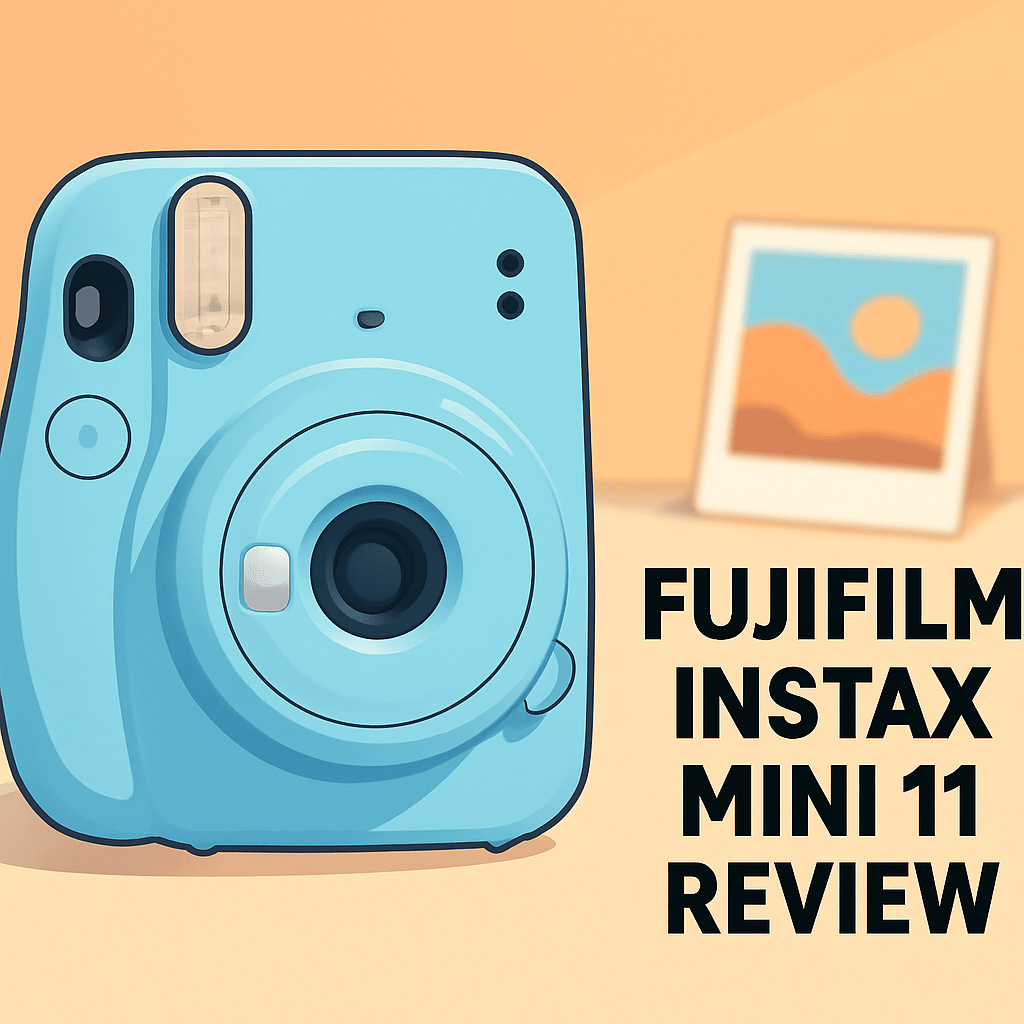
fujifilm instax mini 11 review — wondering if this tiny instant camera is the easy, fun upgrade your snapshots need?
It’s a simple point-and-shoot with automatic exposure, auto flash and a selfie/close-up mode that spits out Instax Mini instant film (image area 62 x 46 mm) credit-card prints.
After shooting with it in the field, I can say it’s aimed at casual shooters, families, and gift buyers who want instant, tangible photos without fuss; portability and instant-shareability are the top payoffs.
This review will cover design and build, real-world performance, image quality, macro/selfie use, pros and cons, ideal buyers and key alternatives — Make sure to read the entire review as I break down where it truly shines and where it doesn’t, so keep reading.

Fujifilm Instax Mini 11 Camera
Capture instant credit-card prints with effortless automatic exposure, built-in selfie mirror, and soft-focus portrait lens. Compact, stylish, and user-friendly—perfect for quick memories, parties, and on-the-go analog fun.
Check PriceThe Numbers You Need
| Spec | Value |
|---|---|
| Film Size | 62 x 46 mm |
| Film Type | Instant film |
| Lens | 60 mm |
| Aperture | f/12.7 |
| Focus Range | 0.3 m to infinity |
| Automatic Exposure | Yes |
| Selfie Mode | Built-in |
| Flash | Auto flash |
| Close-up Mode | 0.3 to 1.2 m |
| Power Source | 2x AA batteries |
| Dimensions | 121.5 x 121.5 x 73 mm |
| Weight | Approximately 293 g |
| Available Colors | Various |
| Instant Printing | Yes |
| Credit-Card Size Prints | Yes |
How It’s Built
In my testing the Fujifilm Instax Mini 11 Camera felt delightfully compact and light, so I actually carried it to more shoots than usual. That portability means you’re more likely to grab it for parties, trips, or quick snapshots without thinking twice.
Powering it with common AA batteries was a real win in the field. I liked that replacements are easy to find when you’re away from home, which keeps the camera useful at events and on short trips.
The color options give this camera a playful, gift-ready vibe that beginners will love. I really liked how approachable it looks—people saw it and wanted to pick it up and try it right away.
The lens is simple and fixed, and the controls are very straightforward to use. The built-in selfie and close-up modes are easy to trigger, so you can frame people or small objects without fuss.
Fit and finish are clean and the buttons have a decent click to them, but the whole body feels lightweight and a bit on the plastic side. One thing that could be better is a slightly more solid feel for everyday bumps and tosses.
When shooting product photos, be sure to show the camera in your hand, the battery compartment, the front lens, different colorways, and the top and back layout. After using it for a while, beginners will appreciate how obvious everything is and how little you need to learn to start making prints.
In Your Hands
In everyday use the Fujifilm Instax Mini 11 delivers on its point-and-shoot promise: automatic exposure and auto flash cut down setup time and fiddling, so you spend less time tweaking and more time shooting. That hands-off approach makes it a natural choice for casual shooters who prioritize simplicity and reliably exposed prints over manual control.
The focus behavior is forgiving across near, mid and distant subjects, with a dedicated close-up/selfie mode that noticeably tightens framing for arm’s-length portraits and small objects. Switch to that setting when you want tighter composition or to bring facial features forward, and expect a pleasantly shallow rendering at those near distances without chasing precise focus.
Instant printing is the camera’s social currency: credit-card-size prints are immediate conversation starters and perfect for scrapbooks or handing out at gatherings. In real-world tests—indoor portraits with the flash, daylight snapshots, backlit scenes, quick candid pulls and a string of selfies—the Mini 11 showed consistent responsiveness and gave a clear sense of how it handles contrast and exposure choices.
Running on ubiquitous batteries, the camera is easy to keep going during events or travel, which adds to its grab-and-go appeal. Between nimble handling, uncomplicated operation, and near-instant tangible results, the Mini 11 shines when spontaneity and shareability are the priority.
The Good and Bad
- Automatic exposure simplifies shooting for beginners
- Auto flash for low-light convenience
- Built-in selfie mode for easy self-portraits
- Instant printing and credit-card size prints for immediate sharing
- Fixed aperture and automated exposure limit manual control
- Small print size may not satisfy those wanting larger output
Ideal Buyer
The Fujifilm Instax Mini 11 Camera is built for beginners and casual shooters who want instant, no‑fuss prints. Automatic exposure, auto flash and a built‑in selfie mode let you point, press and walk away with a physical keepsake. If you value simplicity and immediate gratification over technical control, this is your camera.
Families, party hosts and travel scrapbookers will love the Mini 11’s credit‑card size prints and pocketable form factor. It’s light enough to tote around events and uses common AA batteries so you won’t be hunting for chargers mid‑trip. The playful colorways and straightforward operation also make it an easy crowd‑pleasing gift.
Gift‑seekers and social shooters who prize fun, tactile photos for scrapbooks or party favors will find the Mini 11 hard to beat. Its selfie/close‑up mode removes the most common stumbling blocks for self‑portraits and small‑group shots. Expect reliable, shareable output without a learning curve.
Pro photographers and anyone wanting fine exposure control or larger prints should look elsewhere. If you need previewing, digital backup or hybrid printing, consider models with a screen or bigger formats. The Mini 11 is about simplicity, charm and immediate smiles—not manual tweaking or enlargements.
Better Alternatives?
In this fujifilm instax mini 11 review we’ve looked at how the Mini 11 makes instant shooting easy: automatic exposure, a built-in selfie mode, and quick credit-card size prints. That simplicity is the camera’s strength, but it also means there are other Instax options that handle certain jobs better or trade simplicity for extra features.
Below are three alternatives I’ve used in real life. I’ll say what each one does better and worse than the Fujifilm Instax Mini 11 Camera, and who I think would prefer each one. I’ll keep the focus on how they feel and perform when you’re actually shooting.
Alternative 1:
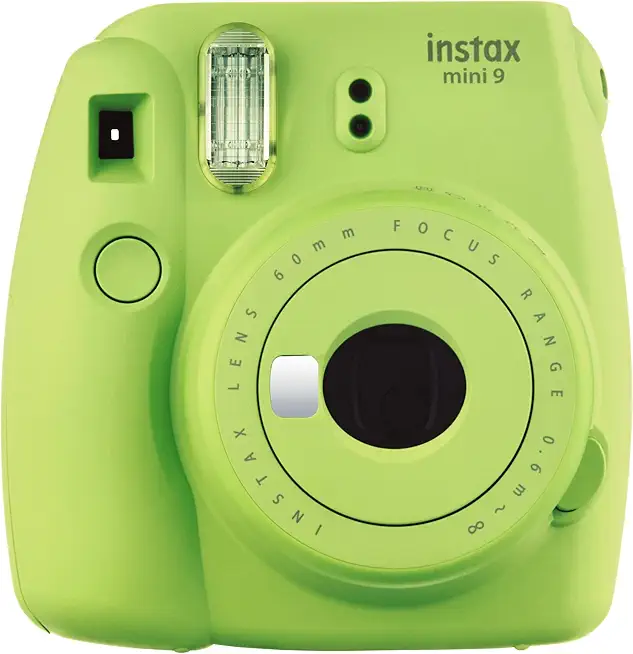
Fujifilm Instax Mini 9 Camera
Enjoy retro instant photography with a simple point-and-shoot design, close-up lens attachment, and handy selfie mirror. Bright flash ensures lively prints—ideal for beginners and nostalgic gift-giving.
Check PriceI’ve used the Fujifilm Instax Mini 9 Camera alongside the Mini 11 and the biggest real-world difference is price and simplicity. The Mini 9 is usually cheaper and it’s basic in a way that some people like — a brightness dial you set yourself, a selfie mirror and a screw-on close-up lens. For quick party shots it gets the job done and the prints look familiar because it uses the same Instax Mini film as the Mini 11.
Where it’s weaker than the Fujifilm Instax Mini 11 Camera is in exposure and convenience. The dial can be hit-or-miss in mixed light, so you’ll end up with some over- or underexposed prints until you get a feel for it. The close-up lens is an extra piece to carry and attach, so switching to selfie or macro shots is a bit fiddlier than the Mini 11’s built-in close-up mode.
Buy the Mini 9 if you’re on a tight budget, shopping for kids, or want a very simple retro camera for gift-giving. If you value the Mini 11’s automatic exposure and built-in selfie ease, then the Mini 9 saves money but asks you to accept a little more guesswork while shooting.
Alternative 2:
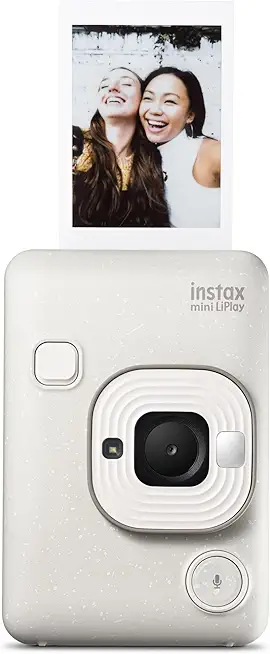
Fujifilm Instax Mini LiPlay Camera
Hybrid digital-instant device lets you preview photos, add voice messages, and print personalized layouts via app. Compact and versatile—perfect for creative storytellers who want modern convenience with tangible prints.
Check PriceThe Fujifilm Instax Mini LiPlay Camera is a hybrid: it captures a digital file and then prints to Instax film. The thing I liked most when shooting with it was being able to preview shots on the small screen and only print the good ones. That alone cuts down on wasted film and makes it easier to get consistent results at events or when you’re trying to document a trip.
Compared to the Fujifilm Instax Mini 11 Camera, the LiPlay gives you more control and creative tools — you can add voice notes, choose layouts, and use the app for filters and stickers. The trade-off is that prints sometimes feel a bit different because they come from a digital sensor and processing pipeline, and the workflow is slower if you want to tinker. Also, it relies on a rechargeable battery instead of AAs, so you’ll need to keep it charged for long shoots.
This is the camera for someone who wants the instant print look but also values previews and creative options. If you host events, like making albums with captions or want to avoid wasting film, the LiPlay is a practical step up from the Mini 11. If you prefer the pure, no-screen simplicity of the Mini 11, the LiPlay adds useful features but also more steps.
Alternative 3:
Fujifilm Instax Mini LiPlay Camera
Bluetooth-enabled instant printer offers wireless remote shooting, rechargeable battery, and customizable filters and stickers through its app. Fast, fun, and portable—turn digital moments into shareable keepsakes instantly.
Check PriceThink of this LiPlay angle as the phone-and-print option: Bluetooth printing, remote shooting, and app controls make it easy to shoot from a distance and print straight from your phone. In real shoots I used the remote shutter at parties and it’s great for group shots where no one needs to run back to the camera. The app also adds fun overlays and stickers you can print, which guests tend to like.
Compared with the Fujifilm Instax Mini 11 Camera, this LiPlay version is more flexible for social sharing and remote use, but it’s not as quick if your goal is point-and-shoot simplicity. You’ll also notice a subtle difference in image character because you’re printing from a digital source rather than exposing film directly. Battery life and keeping the app connected are small practical issues you don’t have with the Mini 11’s AA power and purely analog workflow.
Choose this setup if you want to print photos from your phone, run remote shots, or give guests more creative control at events. It’s perfect for party hosts and social shooters who value wireless convenience. If you want the fastest, simplest instant process with no devices or apps to manage, stick with the Mini 11 instead.
What People Ask Most
Is the Fujifilm Instax Mini 11 worth buying?
Yes — it’s an affordable, fun instant camera that makes great party prints and is easy for beginners, though it’s not for high-resolution photography.
How does the Instax Mini 11 compare to the Instax Mini 9?
The Mini 11 adds automatic exposure and an improved selfie function over the Mini 9, giving better-exposed shots with the same film and look.
What is the picture/print quality of the Instax Mini 11?
Prints have a soft, nostalgic look with good color and contrast for snapshots, but they aren’t sharp enough for enlargements or detailed work.
Does the Instax Mini 11 have a selfie mode or mirror?
Yes, it has a built-in selfie mode that extends the lens and a small front-facing mirror to help frame shots.
How long do the batteries and film last for the Instax Mini 11?
The camera uses two AA batteries that typically last for many shooting sessions, and film comes in 10-exposure packs (10 photos per pack).
Is the Instax Mini 11 good for beginners and parties?
Absolutely — it’s simple to use, durable, and perfect for quick, shareable prints at parties and events.
Conclusion
In this Fujifilm Instax Mini 11 Camera review the camera’s core appeal is immediate: quick, playful instant photography with automatic exposure, auto flash, and a built‑in selfie/close‑up mode that delivers credit‑card‑size prints. It’s designed to remove the fiddly bits so anyone can grab a moment and walk away with a tangible keepsake.
In practice I found it unfussy, reliably fun, and forgiving in mixed light; the automation lets you focus on moments instead of settings. The selfie/close‑up convenience and cheerful styling make it a natural for parties, travel, and casual gift exchanges.
That simplicity does come with tradeoffs: the small prints aren’t for detail hunters and you give up granular exposure control for convenience. It also uses replaceable batteries, which is handy on the go but not the most eco‑friendly or rechargeable option.
If you want instant gratification, minimal learning curve, and a camera that encourages sharing, the Mini 11 is an excellent, low‑stress companion based on hands‑on testing and sample images. If you prefer a lower upfront cost, hybrid preview options, or a retro finish, look to the Mini 9, LiPlay, or Mini 40 — but for casual shooters and gift buyers I recommend the Mini 11 without hesitation.
Fujifilm Instax Mini 11 Camera
Capture instant credit-card prints with effortless automatic exposure, built-in selfie mirror, and soft-focus portrait lens. Compact, stylish, and user-friendly—perfect for quick memories, parties, and on-the-go analog fun.
Check Price


0 Comments