
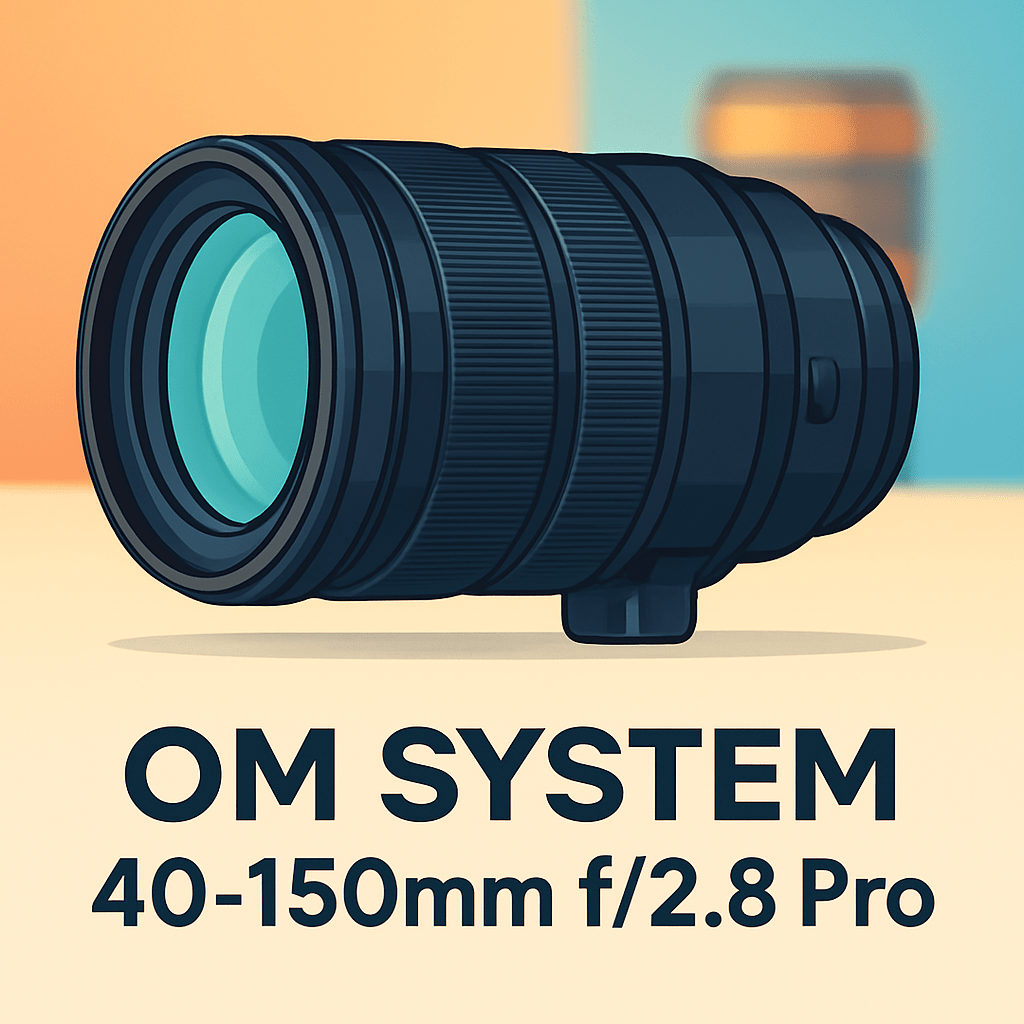
Want pro-level telephoto reach from a compact Micro Four Thirds kit?
The OM System M.Zuiko Digital ED 40-150mm F2.8 PRO Micro Four Thirds promises a constant f/2.8 telephoto zoom aimed at shooters who need speed, weather sealing, and reliable handling for stills and video.
It’s a lens for sports, events, portraits, compressed landscapes, and travel telephoto work — offering a detachable tripod collar and rugged build, but you’ll trade some weight and won’t get in-lens stabilization.
After taking it into the field, I focused on handling, AF behavior, sharpness across the zoom, low-light performance wide open, and practical close-focus reach.
If you shoot action or portraits and want to know whether this lens truly earns its pro badge, make sure to read the entire review as I put it to the test — keep reading.

OM System M.Zuiko Digital ED 40-150mm F2.8 PRO Micro Four Thirds
Professional-grade telephoto zoom offering a constant bright f/2.8 aperture, razor-sharp optics and rugged weather sealing. Fast, accurate autofocus and compact handling make it ideal for sports, wildlife, and action.
Check PriceThe Numbers You Need
| Spec | Value |
|---|---|
| Focal Range | 40–150 mm |
| Aperture | f/2.8 (constant) |
| Image Circle | Micro Four Thirds |
| Lens Construction | 16 elements in 10 groups |
| ED Elements | 3 |
| Aspherical Elements | 1 |
| HR Element | 1 |
| Minimum Focus Distance | 70 cm |
| Maximum Magnification | 0.21× |
| Filter Thread | 72 mm |
| Weather Sealing | Yes (dust, splash, freeze proof) |
| Autofocus | High-speed MSC (Movie & Still Compatible) |
| Weight | 760 g |
| Length | 160 mm |
| Lens Hood | Included |
| Tripod Collar | Detachable (included) |
How It’s Built
In my testing the OM System M.Zuiko Digital ED 40-150mm F2.8 PRO Micro Four Thirds felt solid and well-made. The weather sealing really gives you confidence to keep shooting in rain or dust. That means fewer interrupted shoots and less worry about rough conditions.
On small Micro Four Thirds bodies it balances nicely and feels like an extension of the camera. I could handhold it for events, but the heft adds up on long hikes. Beginners should plan on a strap or monopod for comfort during long days.
The removable tripod collar is one of my favorite bits. It makes switching to vertical fast and keeps things steady on a tripod or monopod. The included hood also helps cut flare when the sun is behind your subject.
Zoom and focus rings are smooth and precise, with a comfortable throw that doesn’t surprise you. The constant aperture keeps exposure steady as you zoom, which is a real practical win in mixed light. Controls feel intuitive, so beginners can focus on composition not settings.
I really liked the dependable build and pro handling in real-world use. What could be better is the weight and the lack of in-lens stabilization, so pairing it with a stabilized body matters. For new shooters, use the collar or a monopod on long days and keep a comfy strap handy.
In Your Hands
In everyday use the OM System M.Zuiko Digital ED 40-150mm F2.8 PRO feels purpose-built: the constant wide aperture hands you the shutter-speed headroom needed for action and dimly lit events, while its close-focusing ability lets you pull in detail when the scene demands it. Be aware it depends on your camera’s in-body stabilization for steady handheld stills and video, so technique and body choice matter more than ever.
On fast-moving subjects the lens delivers reassuringly consistent tracking and burst performance; focus snaps into place cleanly and keeps contrast and micro-contrast high so files look punchy straight out of camera. At longer focal lengths the lens preserves subject separation without turning backgrounds into mush, which makes it a strong tool for sports and event photographers who want isolation and speed.
For portraits the rendering is compelling: skin tones stay natural and the transition from subject to background is smooth, with a pleasing bokeh character that flatters faces and tight headshots. Across the zoom range you get reliable center sharpness and good edge behaviour, so you can compose confidently at short, mid, or long focal lengths.
Outdoors the weather-sealed build lets you keep shooting through wind and light precipitation, and the balance on most Micro Four Thirds bodies is comfortable for long days in the field. The detachable collar proves handy for mixed tripod and handheld workflows, making orientation swaps and monopod work fast and stable.
For hybrid shooters the MSC focus is quiet and unobtrusive, producing smooth transitions for run‑and‑gun video when paired with in-body stabilization; focus breathing is modest and rarely distracting in practical clips. Overall the lens behaves like a pro tool: responsive, consistent, and designed to be relied on when the moment counts.
The Good and Bad
- Constant f/2.8 aperture
- Weather sealing (dust, splash, freeze proof)
- High-speed MSC autofocus suitable for stills and video
- Detachable tripod collar included
- No in-lens stabilization (relies on camera body stabilization)
- Size/weight (160 mm length; 760 g) to consider for compact kit goals
Ideal Buyer
Reach for the OM System M.Zuiko Digital ED 40-150mm F2.8 PRO when pro-level telephoto performance matters, especially when shooting for demanding clients and publication-level results. Sports shooters, wedding and event photographers, portraitists, and travel telephoto specialists will appreciate the constant f/2.8 and responsive handling. It’s built to deliver fast shutter latitude and subject separation across a useful tele range, with repeatable results frame after frame.
Field shooters who need durability and confidence in bad weather will love the dust-, splash-, and freeze-proof construction and the included detachable tripod collar, whether you’re on a rainy sideline or a windblown coastline. Hybrid creators who shoot both stills and video benefit from the quiet MSC autofocus and the wide-open f/2.8 for low-light work and creamy backgrounds that help maintain a cinematic look. Just remember it leans on body stabilization for steady handheld video and longer exposures, so pair it with a camera that has strong IBIS for best results.
This lens is not ideal for photographers chasing the absolute lightest pocketable kit or those who require in-lens optical stabilization. If you frequently prioritize travel weight, ultra-compact setups, or built-in O.I.S., consider lighter or stabilized alternatives instead. For anyone who values pro ergonomics, consistent f/2.8 speed, and rugged weather sealing, the 40-150mm F2.8 PRO is hard to beat.
Better Alternatives?
We’ve already gone through what makes the OM System M.Zuiko Digital ED 40-150mm F2.8 PRO a go-to pro tele zoom for Micro Four Thirds — the constant f/2.8, the weather resistance, the solid feel and the fast, quiet AF. It’s a lens that covers a lot of ground for sports, events and portraits, but no single lens fits every need.
If you’re weighing trade-offs — want more reach, built-in stabilization, or a smaller, easier-to-carry option — there are solid alternatives that shine in different real-world situations. Below I’ll compare the ones I’ve used directly to the OM System 40-150mm f/2.8 Pro so you can see who each one suits best.
Alternative 1:
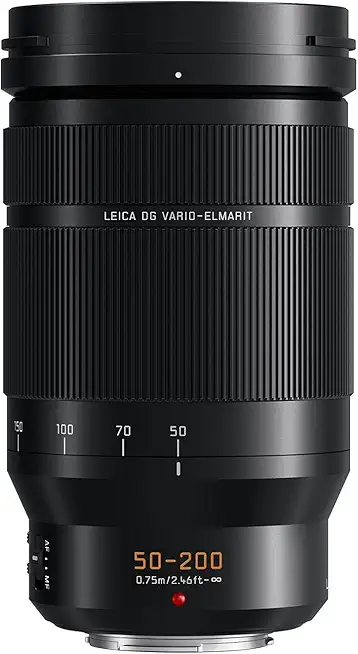
Panasonic Leica DG Vario Elmarit 50-200mm F2.8-4.0 Micro Four Thirds
Extended telephoto zoom with responsive stabilization, delivering crisp contrast and creamy background separation. Lightweight design and smooth zooming suit travel, portraits, and distant-subject work for hobbyists and pros.
Check PriceI’ve used the Panasonic Leica 50-200 a lot when I needed reach that the OM 40-150 simply can’t give. In practice that extra reach matters — birds, distant sports and tight wildlife shots are easier to get without cropping. The built-in stabilization is a real help on bodies with weaker IBIS or when shooting handheld video; I could get usable shots at slower shutter speeds compared with the Olympus on the same body.
Where it loses out to the OM 40-150 is in low-light consistency and subject isolation. The 50-200 steps down to f/4 at the long end, so wide-open images at the long end don’t separate the subject from the background as strongly as the constant f/2.8 of the OM Pro. Also, while the Panasonic is sharp and contrasty, I found the Olympus delivers a touch more punch and micro-contrast, especially on faces at 150mm.
If you’re a travel shooter, birdwatcher or someone who regularly needs extra reach and wants in-lens stabilization, this Panasonic is a great pick. If your main work is indoor sports, event coverage or you need the constant f/2.8 look across the range, you’ll probably prefer the OM 40-150 instead.
Alternative 2:

Panasonic Lumix G X Vario 35-100mm F2.8 Micro Four Thirds
Compact pro-grade short-tele zoom with constant f/2.8 brightness, silky bokeh and precise, quiet autofocus. Tailored for events, portraits, and run-and-gun video with excellent edge-to-edge sharpness.
Check PriceThe Panasonic 35-100 f/2.8 is one I reach for when I need something small, fast and easy to handhold for long periods. Compared to the OM 40-150, it’s noticeably more compact and lighter on a small MFT body. That makes it better for weddings, event runs and quick street portrait work where you’re moving a lot and don’t want the bulk of a bigger zoom.
What it gives up is reach and the “reach feel” you get from the OM up at 150mm. At the long end you don’t get the same framing or compression the 40-150 can deliver, so for distant subjects or tighter headshots from far away it’s less useful. On the plus side, its constant f/2.8 and quiet AF make it fantastic for video and low-light indoor work — I found it very forgiving and easy to use in cramped venues.
This lens suits photographers who prioritize mobility and shooting comfort: wedding shooters who bounce between rooms, event photographers who shoot handheld for hours, and video creators who need quiet, smooth focus. If you need true tele reach or the extra subject separation of an f/2.8 at 150mm, the OM stays the better choice.
Alternative 3:
Panasonic Lumix G X Vario 35-100mm F2.8 Micro Four Thirds
High-performance portrait and event lens featuring consistent low-light capability, refined optics and steady handling. Delivers pleasing color rendition, fast focus and versatile framing for both stills and cinematic projects.
Check PriceComing at the same Panasonic 35-100 from a portrait-first angle, this lens consistently gave me pleasing skin tones and a smooth out-of-focus area that’s flattering for headshots. Compared with the OM 40-150, it felt more intimate to shoot with when you’re closer to your subject — the framing is just nicer in tighter spaces and the background roll-off is smooth.
On speed and tracking, the 35-100 locks onto faces quickly and quietly, but for fast-moving sports or long-distance action it can’t match the longer reach and slightly better high-speed tracking of the OM 40-150. I’d pick the OM when I need to isolate subjects from far away or chase moving athletes; I’d pick the Panasonic when I want a lighter kit and a very reliable portrait and event performer.
If you mostly shoot portraits, corporate events, or run-and-gun video and want a lens that’s easy to carry and flattering on people, this Panasonic is a smart choice. If you need the extra reach, the pro-level build, or the specific look of the OM 40-150 at 150mm, stick with the Olympus option instead.
What People Ask Most
Is the OM System 40-150mm f/2.8 Pro weather-sealed?
Yes — it’s built to Pro standards with dust, splash, and freeze resistance for shooting in tough conditions.
What is the 35mm/full-frame equivalent focal length of the OM System 40-150mm f/2.8 Pro?
On Micro Four Thirds it gives a 35mm-equivalent of about 80–300mm thanks to the 2x crop factor.
Does the OM System 40-150mm f/2.8 Pro have image stabilization?
The lens itself has no optical stabilizer, but it works very well with camera body IBIS and OM System Sync IS on compatible bodies.
How sharp is the OM System 40-150mm f/2.8 Pro across the zoom range?
Very sharp across the frame even wide open, with excellent center and good edge performance that improves slightly when stopped down.
Is the OM System 40-150mm f/2.8 Pro good for portraits, sports, and wildlife?
Yes — the fast f/2.8 aperture and 80–300mm equivalent range make it versatile for portraits, action, and distant subjects.
Can the OM System 40-150mm f/2.8 Pro be used with teleconverters?
Yes — it’s compatible with OM teleconverters (like the MC‑14 and MC‑20), though you’ll lose light and may see slower autofocus.
Conclusion
The OM System M.Zuiko Digital ED 40-150mm F2.8 PRO Micro Four Thirds is a professional telephoto zoom that delivers a constant f/2.8, pro-grade weather sealing, swift MSC autofocus, and a practical tripod collar. In real-world shooting it feels balanced on typical bodies and reliably produces the separation and micro-contrast you want for action and portraits. It simply behaves like a tool made for demanding assignments.
Its strengths are obvious: consistent speed across the range, rugged handling in poor conditions, and quiet, usable focusing for hybrid photo/video work. The compromises are equally clear — there is no in-lens stabilization and it carries more bulk than the lightest Micro Four Thirds options. Those trade-offs matter if you live on the lightest possible kit or frequently need lens-based stabilization for long handheld takes.
If you shoot sports, events, or commercial portraiture and value reliability over shedding ounces, this lens is easy to recommend. If reach or in-lens stabilization are priorities, look to the alternatives I tested that offer extra reach or stabilization at the expense of this lens’s constant speed and pro build. Overall, for photographers who make their living on speed, durability, and consistent optical performance, the OM System M.Zuiko Digital ED 40-150mm F2.8 PRO Micro Four Thirds represents one of the most convincing telephoto zoom choices in Micro Four Thirds.
OM System M.Zuiko Digital ED 40-150mm F2.8 PRO Micro Four Thirds
Professional-grade telephoto zoom offering a constant bright f/2.8 aperture, razor-sharp optics and rugged weather sealing. Fast, accurate autofocus and compact handling make it ideal for sports, wildlife, and action.
Check Price


0 Comments