
Want deeper subject separation and better low-light performance without swapping lenses?
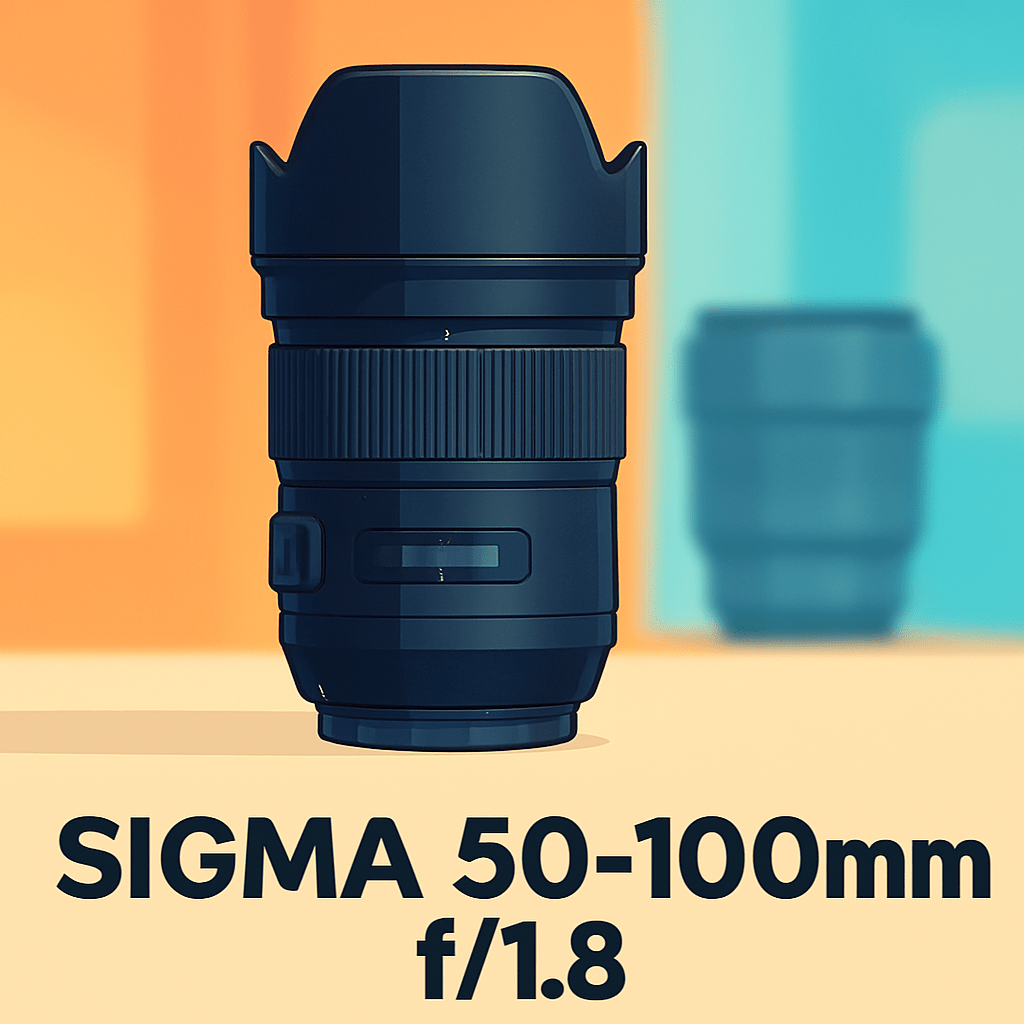
The Sigma 50-100mm F1.8 Art Canon is a telephoto zoom built for APS-C sensors. It’s rare to get a constant f/1.8 across a zoom’s short-tele range.
If you crave shallow depth and fast shutter speeds for dim venues, this lens targets portrait shooters and event photographers. It’s ideal when background separation and compression matter.
It gives creative flexibility you won’t find in most zooms, though Sigma traded features like optical stabilization and full-frame coverage to get there. I’ve taken it into the field on assignments to see that trade-off in practice.
I’ll compare handling, AF behavior, and real-world image quality. Make sure to read the entire review — keep reading.

Sigma 50-100mm F1.8 Art Canon
Ultra-fast short telezoom delivers stunning subject isolation and creamy bokeh at f/1.8, ideal for portraits and low-light event work; exceptional sharpness and contrast across the frame.
Check PriceThe Numbers You Need
| Spec | Value |
|---|---|
| Lens Type | Telephoto Zoom |
| Focal Length | 50–100mm |
| Aperture | f/1.8 |
| Mount Type | Various (e.g., Canon EF, Nikon F, Sigma SA) |
| Sensor Compatibility | APS-C |
| Optical Stabilization | No |
| Autofocus | HSM (Hyper Sonic Motor) |
| Minimum Focus Distance | Varies by mount |
| Maximum Magnification | Varies by mount |
| Filter Size | 82mm |
| Weight | Approximately 815 g |
| Length | Approximately 120 mm |
| Diameter | Approximately 93 mm |
| Special Features | Constant f/1.8 aperture; part of Sigma Art lineup |
| Optical Elements | 21 elements in 15 groups |
How It’s Built
In my testing the Sigma 50-100mm F1.8 Art Canon feels like a true Art lens — solid and built to be used. It’s fairly heavy on APS-C bodies and sits front-heavy. You’ll notice it after a few hours without a grip.
The large 82mm front thread tells you it’s pro-level; filters are common but bulkier and cost more, and if you already own 82mm filters your kit may be simpler. Zoom and focus rings are smooth and firm, and I liked the focus ring’s precision for manual pulls, while AF/MF switching is simple and reliable.
I really liked the solid build and confident feel. One downside is no optical stabilization, so in low light you’ll need faster shutter speeds, higher ISO, or support. The complex optical design aims for top image quality but adds weight.
It comes for Canon EF, Nikon F, and Sigma SA mounts. Plan for a tripod collar or careful gimbal balance; handheld works for short bursts but can tire you, and carry it in a padded bag or use a supportive neck strap. Beginners: it’s forgiving creatively, but you’ll want steady technique for crisp shots.
In Your Hands
On the Sigma 50–100mm F1.8 Art Canon the constant wide aperture feels like a cheat for low‑light shooting — I routinely held shutter speeds and ISOs in check at receptions and dim concerts where most zooms would struggle. That sustained f/1.8 across the range lets you push for action and atmosphere without sacrificing a crisp exposure.
Optically the lens delivers a distinctly cinematic look: tight subject separation, softened backgrounds, and a three‑dimensional rendering that flatters skin and texture. Highlights roll off with a generally smooth bokeh character that keeps portraits and detail work feeling polished rather than clinical.
In practical use it excels at headshots to half‑body portraits, stage performances, and documentary runs when you need reach and shallow depth of field in one package. Autofocus was consistently reliable in good light and serviceable in gloom, and color and contrast stayed even as I zoomed from short to longer telephoto framing.
Handling is honest — appreciable heft that balances nicely on mid‑sized APS‑C bodies but will fatigue on long handheld days unless you use a grip or support. Because there’s no optical stabilization, panning and slow‑shutter work demand technique or a monopod to keep images crisp.
Close‑focus capability is usefully tight for tight portraits and detail shots, and focus repeatability held up across multiple takes. For photographers chasing a creative, low‑light telephoto look, this lens feels purposeful and dependable in the field, as long as you’re prepared to manage its weight and stabilization needs.
The Good and Bad
- Unique constant f/1.8 aperture on an APS-C telephoto zoom
- Useful 50–100 mm range for portraits and events on APS-C
- Sigma Art optical design (21 elements in 15 groups) aimed at high image quality
- HSM autofocus drive
- No optical stabilization, making slow shutter speeds and handheld video more challenging
- APS-C coverage only, not designed for full-frame use
Ideal Buyer
If you shoot on an APS-C body and crave the kind of low‑light reach and creamy subject separation usually reserved for primes, this lens is aimed at you. The Sigma 50–100mm f/1.8 Art gives one-stop more aperture than typical f/2.8 tele‑zooms, and that changes how you work.
Think headshots, half‑body portraits, sweaty concert pits, gymnasiums and dimly lit ceremonies where faster shutters keep motion and noise under control. Its short‑tele zoom range compresses backgrounds and isolates subjects with a look that’s hard to fake.
You should be comfortable working without built‑in optical stabilization or ready to compensate with technique—higher ISOs, faster shutter speeds, a monopod or a body that offers IBIS. If you want stabilized run‑and‑gun shooting, this won’t be the best tool.
It’s an honest choice for photographers committed to Canon EF, Nikon F or Sigma SA systems who put creative aperture control above raw reach. Keep in mind the heft and large 82mm front when planning all‑day shoots, gimbal work or filter kits. If those trade‑offs align with your priorities, this lens rewards with a distinctive, portrait‑friendly toolset.
Better Alternatives?
We already walked through what makes the Sigma 50–100mm f/1.8 Art special: that rare constant f/1.8 zoom that gives you a lot of low‑light headroom and very shallow depth of field across its range. It’s a creative tool for portraits, indoor events, and stage work where subject separation and fast shutter speeds matter more than reach or in‑lens stabilization.
If the Sigma’s mix of speed and image look isn’t the exact fit for your shooting, there are a few realistic alternatives that trade that ultra‑fast aperture for other real-world strengths — like weather sealing, built‑in stabilization, longer reach, or pro-grade reliability. Below are three lenses I’ve used and how they compare in the field to the Sigma.
Alternative 1:

Fujifilm XF 50-140mm F2.8
Versatile telephoto zoom with constant f/2.8 aperture and advanced stabilization, built for rugged conditions; delivers fast AF, crisp detail, and smooth background separation for wildlife and sports.
Check PriceI’ve shot weddings and outdoor concerts with the Fujifilm XF 50–140mm f/2.8 and what stands out is how confident you feel shooting handheld in mixed weather. The built‑in image stabilization and weather sealing mean you can work in rain or lower light without immediately reaching for a tripod, and the AF tracking on modern X bodies keeps moving subjects honest. Compared to the Sigma 50–100 f/1.8, you’ll give up about a stop of aperture, so you won’t get quite the same background blur or low‑light shutter speed margin, but you gain steadier handheld shots and a longer tele reach to 140mm.
In the field that trade matters: on a overcast, late‑day reception I could drop shutter speeds lower than I would with the Sigma and still keep usable images because of the OIS. The Sigma’s f/1.8 was more forgiving for single portrait frames and for very shallow DOF looks, but it forced me to use higher ISOs or faster shutter speeds when I wanted sharp handheld panning shots. The Fuji simply lets you hold longer exposures comfortably and still nail the shot.
If you shoot on Fujifilm bodies, are often outdoors, or want a single telezoom that can handle weather and run‑and‑gun wedding work, the 50–140 f/2.8 is the better pick. If your priority is the absolute shallowest background blur on an APS‑C body, or you shoot mostly staged portraiture indoors, the Sigma’s f/1.8 still wins for look and low‑light finesse.
Alternative 2:

Canon EF 70-200mm F2.8 L III
Professional-grade telezoom offering speedy autofocus, rock-solid image stabilization and pro-level construction; produces tack-sharp results and beautiful bokeh for weddings, sports, and demanding commercial work.
Check PriceOn Canon bodies the EF 70–200mm f/2.8 L III has been my go‑to when I need reliable results all day. It’s built like a tank, focuses fast and accurately in varied light, and the IS makes shooting long hours handheld much easier. Compared to the Sigma 50–100 f/1.8, the 70–200 gives you far more reach and much better stabilization, which pays off for sports, long‑distance portraits, and events where you can’t get close. The Sigma still beats it for near‑subject blur and for low‑light tight framing when you want the shallowest depth of field.
In real shoots I’ve found the Canon easier to trust for multi‑hour assignments: skin tones and contrast stay consistent frame to frame, and the IS lets me make creative panning moves at slower shutter speeds without losing sharpness. The trade‑off is the 70–200 is heavier and chunkier, and on APS‑C bodies it changes the handling and balance compared with the more compact Sigma. Also, if you’re after the Sigma’s dreamy f/1.8 look, the Canon’s f/2.8 will never quite match that single‑frame subject isolation.
This 70–200 is for pro shooters who need reach, durability and stabilization — wedding pros, sports shooters, and anyone who shoots long gigs and wants to rely on a single workhorse lens. If your shoots are tightly lit, studio portraits or concert closeups where the Sigma’s f/1.8 gives a unique look, you might choose the Sigma instead.
Alternative 3:
Canon EF 70-200mm F2.8 L III
Reassuringly robust performer with consistent color rendering, fast, accurate AF and efficient stabilization; beloved by pros for reliable handling, smooth rendering, and outstanding edge-to-edge sharpness.
Check PriceUsed again in a slightly different role — on gigs where I need a dependable second body lens or a rental for a tight deadline — the Canon 70–200 f/2.8 L III has that “doesn’t complain” quality. Its color and contrast are steady across light changes, and the IS makes it forgiving when you have to shoot handheld at odd angles. Against the Sigma 50–100 f/1.8, the Canon loses the dramatic f/1.8 separation but wins in predictability and long‑term comfort on long shoots.
When shooting moving subjects or switching between wide and tight frames quickly, the Canon’s AF and stabilization save time and shots. I’ve used it for editorial sports where the Sigma’s shallower DOF looked nicer for portraits, but the Canon caught more usable action frames because it was easier to keep subjects sharp. If you’re doing mixed work and need a lens that’s reliable under pressure, that’s a real advantage.
Pick this Canon if you want a proven, all‑round pro lens that’s comfortable to use for hours, needs to handle rough conditions, and gives consistent, sharp results. Pick the Sigma if your main goal is the unique f/1.8 look on APS‑C and you can live without in‑lens stabilization or the extra reach.
What People Ask Most
Is the Sigma 50-100mm f/1.8 worth buying?
Yes — if you shoot on APS-C and want a fast, extremely sharp short-telephoto zoom for portraits and low light, it’s a strong value; just be aware of its size and lack of IS.
How sharp is the Sigma 50-100mm f/1.8?
Very sharp — it delivers excellent center sharpness wide open and strong detail across the frame for an APS-C zoom.
Does the Sigma 50-100mm f/1.8 have image stabilization?
No, it does not have optical stabilization, so you’ll rely on camera IBIS or faster shutter speeds.
Is the Sigma 50-100mm f/1.8 good for portraits and weddings?
Yes — the constant f/1.8 gives great subject separation and low-light performance, making it ideal for portraits and many wedding scenarios on APS-C bodies.
How heavy and large is the Sigma 50-100mm f/1.8?
It’s relatively large and heavy for an APS-C zoom — expect a bulky barrel around the weight of a small telephoto that’s best handled with a solid grip or support.
How much does the Sigma 50-100mm f/1.8 cost?
New street prices have typically been around $1,000–$1,300 when available, with used copies commonly selling in the several-hundred-dollar range depending on condition.
Conclusion
The Sigma 50-100mm F1.8 Art Canon is an unapologetic creative tool: an APS-C telephoto zoom with a constant, very fast aperture that reshapes how you work in low light and how you control background separation. Its optical character and responsive HSM autofocus give you the kind of subject isolation and punchy rendering that single-purpose portrait lenses aim for. Use it where mood, shallow depth and faster shutter speeds matter most.
That power comes with trade-offs. There’s no optical stabilization, the front element demands large filters and accessories, and the lens has a substantial footprint on smaller bodies; it’s not the most practical choice for extended handheld run-and-gun or long-reach assignments. If you need weather sealing, long tele reach, or the steadiness of built‑in IS, this will feel like a compromise.
My bottom line: buy it if your priority is creative flexibility—portraits, concerts and dimly lit events where shallow depth and low-light headroom trump convenience. Skip it and opt for a stabilized 70–200 class alternative if you put reliability, reach and all-day comfort ahead of maximum aperture. It’s a specialized winner for the right photographer.
Sigma 50-100mm F1.8 Art Canon
Ultra-fast short telezoom delivers stunning subject isolation and creamy bokeh at f/1.8, ideal for portraits and low-light event work; exceptional sharpness and contrast across the frame.
Check Price


0 Comments