
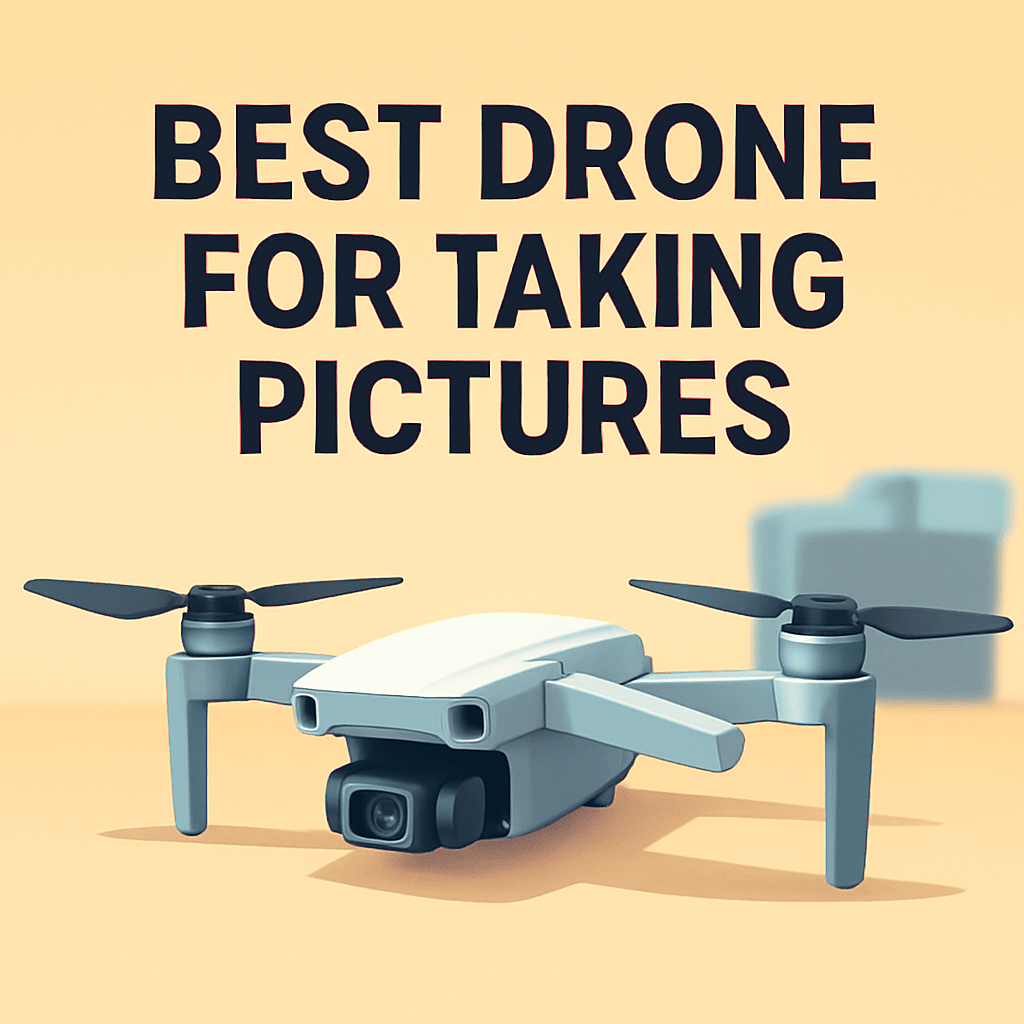
Want to capture jaw-dropping aerial photos that stop the scroll? Whether you chase golden-hour landscapes or high-action sports, the right drone changes everything. From cliff-top vistas to downtown skylines, aerial perspective turns ordinary scenes into epic compositions.
This guide rounds up the five best drones for taking pictures in 2026. We compare options from ultraportable travel rigs to full-featured camera platforms for serious work. We focus on models that strike the best balance between image quality, ease of use, and legal practicality.
It’s for travel photographers, content creators, and everyone from curious beginners to seasoned pros. If you shoot social reels, editorial prints, or client deliverables, you’ll find gear that fits your workflow. Whether you make a living from photos or just document trips for your feed, you’ll get useful recommendations.
You’ll get concise specs, real-world testing notes, plus clear pros and cons to help decide quickly. We also walk through buying guidance, essential post-processing tips, and a practical FAQ for common questions. Expect candid notes about handling, battery life, image reliability, and any quirks that surfaced during field shoots.
No jargon. Just usable advice to help you pick a drone that matches your priorities—image quality, portability, safety, or creative flexibility. Read on for clear picks and practical trade-offs so you can spend more time shooting and less time researching.
1. DJI Mini 5 Pro Highlights

DJI Mini 5 Pro Fly More Combo with DJI RC 2
Ultra-light compact drone with exceptional stabilization, extended flight time, extra batteries and easy-to-use remote for confident, portable aerial shooting.
Check PriceThe DJI Mini 5 Pro is a photographer’s dream when you need pro-level images without the bulk. It packs a 50MP 1-inch sensor into a sub-250g frame, delivering impressive dynamic range and detail for travel and landscape work.
Its gimbal offers true vertical shooting with 90° rotation and an expanded 225° sweep for creative angles, so you can capture social-ready portraits and tall architecture straight out of the camera. That vertical capability saves time in post and keeps compositions clean for quick client or social delivery.
Flight endurance is exceptional for a mini drone — up to 52 minutes with the extended battery — which means more coverage per flight and fewer interruptions during golden-hour runs. The lightweight design also often keeps you below registration thresholds in many countries, making international travel and spontaneous shoots much easier.
Low-light and safety features are also thoughtfully engineered. It has 1-lux omnidirectional obstacle sensing plus forward LiDAR, improving confidence when shooting at dusk or around complex environments. Those systems let you push creative low-light angles with less worry about collisions.
For travel photographers and content creators who prioritize image quality, portability, and practical shooting features, the Mini 5 Pro is a very compelling option. Availability and support can be the hiccup, but if you secure one, it’s a high-performing, ultra-portable tool for serious photo work.
- Exceptional photo quality for a very lightweight drone.
- True vertical shooting saves post-processing time.
- Excellent flight time for a mini drone (up to 52 minutes).
- Advanced obstacle sensing improves low-light safety.
- Sporadic availability and hard to buy in the U.S. market.
- Warranty/support issues reported due to limited official distribution.
2. DJI Mavic 4 Pro Highlights

DJI Mavic 4 Pro with DJI RC 2, Tri-camera 100MP 4/3 Hasselblad
Flagship drone offering triple high-resolution sensors, 100MP imaging, 4/3 large sensors and cinematic performance for professional aerial photography and mapping.
Check PriceThe Mavic 4 Pro is a workhorse for photographers who want one aircraft to cover everything from wide landscapes to distant details. Its triple-camera system pairs a 25MP Micro Four Thirds wide sensor with two 12MP telephoto lenses offering 2.5x and 6x zoom, so you can frame tightly without changing gear.
Variable aperture on the wide lens gives you better control over depth of field and exposure, which I rely on for sunrise and golden-hour work. Flight stability and robust obstacle avoidance mean you can push close to cliffs or trees and still get tack-sharp frames even in stronger wind.
OcuSync 4+ provides a dependable link for confident remote shooting, and parallel charging speeds up battery swaps on long location days. Those features translate to fewer missed opportunities and more consistent delivery when I’m on assignment or scouting new locations.
That said, it’s not the lightest rig. The Mavic 4 Pro is heavier and bulkier, so if you’re hiking long distances or prioritizing pocketable carry, it’s a compromise. Also expect a bit of a learning curve: camera settings change between lenses, which means you’ll need to plan lens use and exposure strategy ahead of fast-paced shoots.
In short, if you want professional framing flexibility, high image quality from a 4/3 sensor, and rock-solid flight performance, the Mavic 4 Pro is an excellent choice. If ultimate portability or a single, uniform camera workflow is your top priority, consider that trade-off before buying.
- Excellent image quality from 4/3 Micro Four Thirds 25MP sensor
- Stable flight with dependable obstacle avoidance
- Long battery life plus parallel charging for quick swaps
- Wide zoom range (12MP telephotos at 2.5x and 6x)
- Heavier and bulkier, less portable
- Camera settings vary between lenses, adding complexity
3. DJI Air 3S Highlights

DJI Air 3S with RC-N3, Dual-camera 1-inch CMOS
Versatile dual-camera drone with large 1-inch CMOS sensors, smooth footage, long-range control and intelligent flight modes for stunning everyday cinematography.
Check PriceThe DJI Air 3S is the kind of all-rounder I reach for when I want professional-looking stills without hauling a kit. Its dual-camera setup — a 24mm wide and a 70mm telephoto — gives you real creative options, from classic wide landscapes to tighter tele shots that create parallax-effect compositions without swapping drones.
Image quality is impressive: the Air 3S delivers 48–50MP photos and can capture 4K video up to 120 fps, which means tack-sharp frames for still grabs and smooth slow-motion when needed. In the field it handles medium winds well, so you get usable, clean images more often than not.
Battery life is solid for its class, with around 36–37 minutes of flight time, so you can plan multiple passes on a scene without rushing. The 360° obstacle avoidance, including dark-light sensing, builds confidence when flying near trees, cliffs, or urban structures — I’ve used it to nail shots close to subjects I wouldn’t risk with lesser sensing systems.
If you travel light but still want pro-grade results, the Air 3S hits a strong balance between portability and capability. It isn’t the smallest option out there, so if ultra-ultraportability is your top priority you might notice the trade-off. For photographers who value image quality, creative framing with dual lenses, and trustworthy safety features, this drone is a very compelling choice.
- Crisp 48–50MP photos and smooth 4K@120fps footage
- Dual 24mm and 70mm lenses for creative framing
- Reliable 360° obstacle avoidance, including low-light sensing
- Strong ~36–37 minute flight time for its class
- Not as lightweight as mini drones
- Dual-camera switching can confuse beginners
4. Skydio 2+ Highlights

Potensic ATOM 2 Fly More Combo with 4K Camera
Compact beginner-friendly quad with crisp 4K video, extended flight time via spare batteries and essential accessories for ready-to-fly adventures.
Check PriceAs a photographer who often pushes gear in tight, unpredictable environments, the Skydio 2+ stands out for what it promises and mostly delivers. It pairs a 12.3MP camera with 4K 60fps video and a usable 27 minutes of flight time — enough for focused shooting sessions without constant battery juggling.
The drone’s real strength is its autonomy: industry-leading 360° obstacle avoidance driven by AI and computer vision makes flying near trees, rocks, or crowds far less stressful. One-button subject lock and multi-angle tracking mean you can concentrate on composition while the drone keeps your subject framed and safe.
Control flexibility is excellent for run-and-gun shoots — use the smartphone app, a physical controller, or the Beacon depending on the situation. That versatility, paired with the Skydio’s automated smarts, makes it one of the easiest platforms for first-time pilots and creators who need reliable subject tracking for action or nature work.
Image quality is good and the 4K footage is consistent, but the 12.3MP sensor does lag behind top-tier competitors for large prints or heavy cropping. If your priority is cinematic, reliably framed action or field work where safety and tracking trump maximum resolution, the Skydio delivers real-world value.
In short: choose the Skydio 2+ if you value autonomous flight safety and effortless tracking over the absolute highest sensor resolution. It’s a photographer-friendly tool for dynamic shooting scenarios, though not the first pick for studio-grade large-format landscape or commercial work.
- Superb autonomous obstacle avoidance
- One-button subject lock and reliable tracking
- Good, consistent 4K/60fps footage
- Flexible control: app, controller, Beacon
- 12.3MP sensor less competitive for pro prints
- Moderate transmission range (~6 km)
5. DJI Mavic 3 Pro Highlights

DJI Mavic 3 Pro with DJI RC, Triple-camera 4/3 CMOS Hasselblad
Professional-grade airborne platform with triple 4/3 CMOS Hasselblad imaging, exceptional dynamic range and cinematic controls for commercial filming and surveying.
Check PriceThe DJI Mavic 3 Pro is a purpose-built imaging platform that puts a large 4/3‑inch main sensor and Hasselblad color science up front. It pairs that sensor with two dedicated telephotos — 70mm and 166mm — so you get true focal-length options without changing gear.
Image specs are straightforward: 20MP stills and 5.1K video capture give you the headroom for printing and cinematic work. The variable aperture helps control exposure on bright days and lowers the need for ND filters during video sequences.
In the field the Mavic 3 Pro feels like a professional tool. Flight stability, active tracking and smart flight modes let you frame long lenses reliably, even for dynamic subjects. The build quality and color fidelity make it a favorite for serious hobbyists and pro shooters focused on image fidelity and telephoto flexibility.
There are trade-offs. Expect about ~25–30 minutes of flight time, so plan battery swaps for long coverage. It’s also bulkier and heavier than lighter models, making it less convenient for casual travel or quick grab-and-go shoots.
If your priority is the best image quality, flexible focal lengths in a single platform, and dependable tracking for complex shots, the Mavic 3 Pro is a very strong choice. If ultra-long flight time or pocketable portability are musts, you may find its compromises limiting.
- 4/3‑inch sensor with Hasselblad color science
- Two telephotos (70mm and 166mm) for real focal flexibility
- 5.1K video and 20MP stills for high-fidelity results
- Variable aperture for better exposure control
- Only ~25–30 minutes flight time
- Bulkier/heavier — less travel-friendly
How to Choose a Photography Drone
Start with the image you want to make. If you shoot landscapes or low-light scenes, sensor size matters more than gimmicks. Larger sensors (Micro Four Thirds or 1‑inch and up) give better dynamic range, cleaner high‑ISO files, and more latitude in editing, so they should steer your decision before anything else.
Next think about focal lengths. A fixed wide, a true tele, or a variable-zoom changes how you compose from the air. Tele lenses let you compress scenes and capture distant subjects without risky close passes, while vertical/90° gimbal options save editing time for social formats. Choose the lens options that fit your storytelling, not the other way around.
Stability and gimbal performance are non‑negotiable. A solid three‑axis gimbal plus a chassis that handles wind will keep files sharp and footage usable. Heavier drones often fly steadier in gusts, so don’t automatically favor the lightest model if sharpness in marginal conditions is your priority.
Camera controls and file flexibility make a huge difference later. RAW capture, exposure bracketing, and variable aperture or ND support give you creative control in camera and power in post. If you plan to blend exposures or push colors, prioritize these features over superficial extras.
Safety features like obstacle sensing and reliable tracking aren’t just conveniences; they protect your gear and expand what you can shoot. Confident obstacle avoidance opens up tighter compositions and more adventurous locations, especially in low light or cluttered environments.
Portability and flight time are practical trade‑offs. Ultra‑portable drones excel for travel and spontaneous shoots, but you’ll give up either sensor size or zoom range. Longer flight time and quick charging are invaluable on location—more airborne time means more chances to get the shot.
At the end of the day match the drone to your workflow. Prioritize sensor and lens capability, backed by stable flight and useful shooting features. Buy with the shoots you actually do in mind, and you’ll end up with a tool that feels like an extension of your eye.
Post-Processing Tips for Drone Photos
Drone images rarely look their best straight out of the card, so think of post-processing as the final step of the shoot. Always shoot RAW and check your histogram in-camera; expose to protect highlights and use bracketing when the scene has extreme contrast. RAW gives you the latitude to recover shadows and tame blown highlights without destroying color.
For high-contrast landscapes I often blend exposures rather than relying solely on a single RAW edit. Use Lightroom or Photoshop for HDR merges, but mask carefully to avoid halos around trees and buildings. Manual exposure blending gives the most natural results when the sky and foreground differ greatly in brightness.
Start edits by applying lens profile corrections and straightening horizons. Wide-angle drone lenses create distortion and converging lines—correcting them removes that “toy” look. For architecture, use perspective corrections and local transforms to make verticals honest and pleasing.
Noise and sharpness deserve separate treatment. Use selective noise reduction in deep shadows or high ISO areas, and keep it subtle so textures remain believable. Apply sharpening with masking so surfaces like sky don’t get crunchy; scale your sharpening to your final output size.
Local adjustments are where drone photos come alive. Use graduated filters or radial brushes to darken skies, lift foreground exposure, or add contrast selectively. A touch of dehaze can restore atmosphere, and gentle vibrance rather than heavy saturation keeps colors natural.
Remove distractions with clone and heal tools—power lines and stray hikers kill the mood of a landscape. When shooting multi-row panoramas, stitch at full resolution and then merge exposures as needed to retain dynamic range. Panoramas give a huge boost in detail for prints.
Finally, build simple presets for consistency and export thoughtfully. Keep originals and exported edits backed up, use sRGB for web images, and choose JPEG quality around 75–85 for a good balance of size and fidelity. Tag your files with location and keywords so your best drone shots stay easy to find.
What People Ask Most
What is the best drone for aerial photography?
There is no single best drone; it depends on whether you prioritize image quality, portability, or advanced flight features. Choose a model that balances strong camera performance with reliable flight stability and safety.
Which drones take the best pictures?
Drones with high-quality cameras, good optics, and steady gimbal stabilization generally produce the best photos. Features like RAW capture and exposure controls also improve final image quality.
What features should I look for in a drone for photography?
Look for a quality camera, a stable gimbal, and dependable flight performance with obstacle sensing. Useful extras include RAW shooting, exposure bracketing, and intuitive controls.
What camera specs are most important for drone photography?
Sensor quality, dynamic range, and low-light performance matter most because they affect detail, color, and noise levels. Lens focal length and image stabilization also influence composition and sharpness.
What is the best drone for beginner photographers?
Beginners should favor ease of use, strong obstacle avoidance, and helpful automated shooting modes to build confidence. A compact, reliable model with straightforward controls and decent photo features is a good starting point.
Which drone has the best image quality for photography?
Models focused on photo performance, with refined color processing and higher-quality sensors, typically deliver the best image quality. Professional-grade features combined with careful post-processing yield the strongest results.
What drone is best for landscape and travel photography?
For landscape and travel work, prioritize portability, robust stabilization, and solid sensor performance to capture wide vistas and fine detail. A compact, durable drone that is easy to pack and operate is most practical for trips.
Conclusion on Best Drones for Taking Pictures
These five drones cover the full spectrum of photographic needs in 2026, from ultraportable travel kits and versatile multi‑lens systems to all‑round performers and safety‑first autonomous flyers.
When choosing, weigh sensor and optical quality alongside portability, flight stability, and sensing features to match the drone to your shooting style and usual locations.
Remember that strong in‑camera capabilities paired with thoughtful post‑processing—RAW shooting, exposure blending, and targeted noise reduction—will lift your final images further than gear alone.
If you want to sharpen your aerial photography skills and stay current with workflows and buying advice, browse more articles on our site for practical tips and real‑world comparisons.
Have questions or want to share your own drone experiences? Leave a comment below and we’ll usually reply within a few hours.


0 Comments