
Ever wished you could bring a distant hawk, fox, or wading bird right into your frame without scaring it off or hauling a massive pro body across rough terrain?
The Canon 90D is an APS‑C DSLR with a 1.6x crop factor, and that crop advantage makes telephoto lenses behave like even longer glass for wildlife work. That extra reach is a huge asset when subjects are small, skittish, or naturally far from observers.
This guide distills field testing, photographer input, and hands‑on experience into five top wildlife lenses chosen to match the 90D’s strengths. We cover both prime glass for low‑light speed and tonal control, and long super‑zooms that trade aperture for reach and versatility. Throughout you’ll find clear, field‑forward guidance on prioritizing reach, sharpness, autofocus reliability, stabilization, and handling so you can choose the right tool for birds, mammals, or action.
Whether you hike dawn ridgelines, stake out marsh edges, or sit patiently under trees, the right lens will determine how close you can get—visually and compositionally. We’ll also explain how the 90D’s crop factor affects focal length choices and why stabilization and autofocus behavior should weigh heavily in your decision. If you want more keepable frames and fewer missed moments, this is the roadmap to lenses that make the Canon 90D a capable wildlife system.
1. Canon EF 100-400mm L IS II
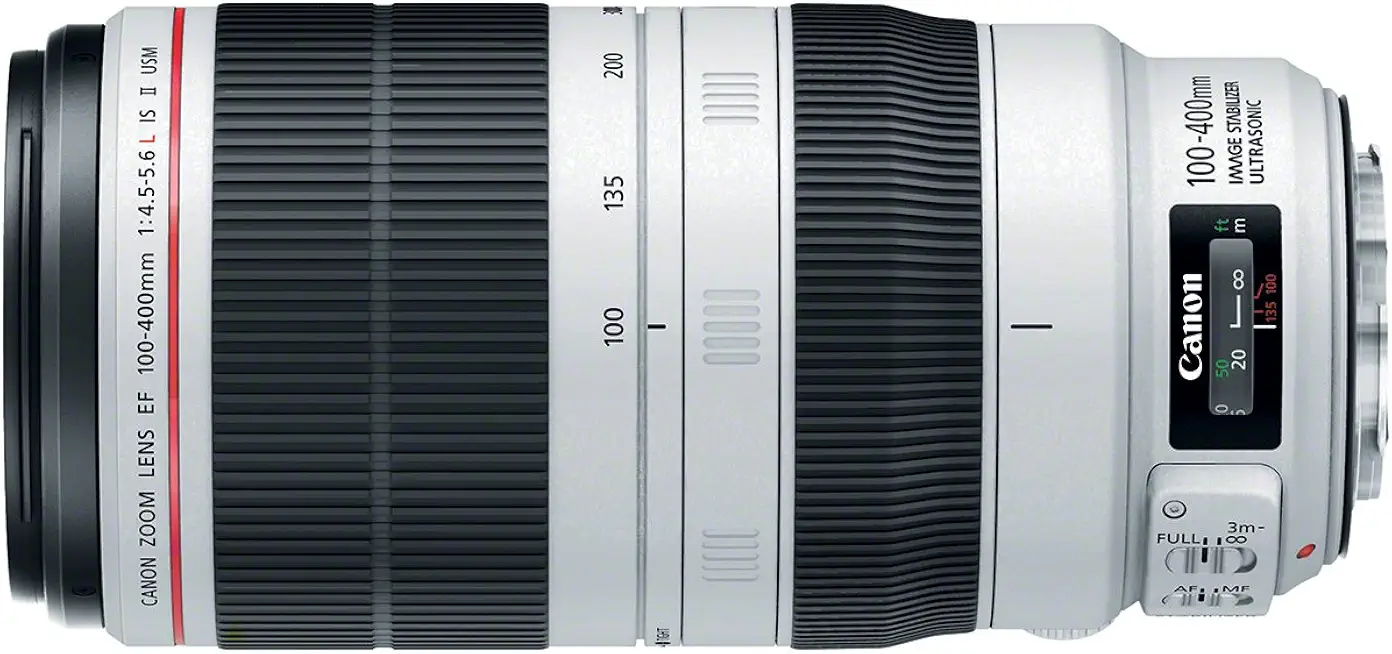
Canon EF 100-400mm f/4.5-5.6L IS II USM
Versatile pro telephoto zoom delivering sharp optics, fast autofocus, and reliable image stabilization for dynamic wildlife and sports shooting.
Check PriceAs a wildlife shooter, the Canon EF 100-400mm L IS II is one of those lenses that just makes fieldwork easier. It balances image quality, reach and handling in a package that’s built for real outdoor use.
On the 90D its 100–400mm range gives an effective reach of roughly 160–640mm, which covers everything from close-up portraits of larger mammals to tight bird shots without changing lenses. The lens delivers exceptional sharpness across focal lengths and apertures, so you get usable detail even when cropping.
Build and handling are pro-grade. The lens is weather‑sealed and relatively lighter than prime super‑telephotos, so handheld shooting and long hikes are more manageable. Its effective image stabilization and fast, accurate AF make tracking moving subjects much less stressful in the field.
I’d recommend this lens for photographers who want a versatile, go‑anywhere telezoom. It excels for birds and medium‑to‑large wildlife and is flexible enough for environmental context or tighter frames. Canon ambassadors and many professional wildlife photographers commonly recommend it for these exact reasons.
- Excellent image quality and sharpness.
- Durable, weather‑sealed build.
- Fast, reliable autofocus.
- Effective image stabilization for handheld use.
- Variable f/4.5–5.6 aperture limits low‑light performance.
- 400mm max may lack reach for very distant/shy subjects.
2. Sigma 150-600mm Contemporary
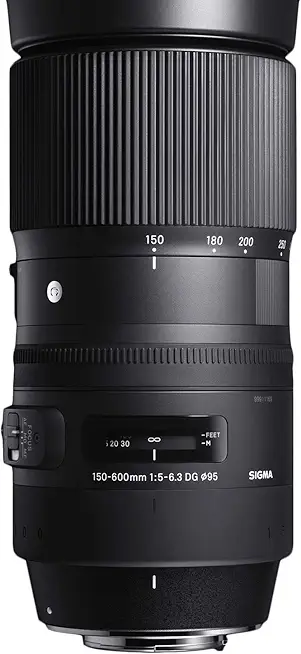
Sigma 150-600mm f/5-6.3 Contemporary DG OS HSM (Canon)
Expansive reach and stabilized optics offering excellent value for distant subjects; ideal for wildlife and outdoor enthusiasts.
Check PriceThe Sigma 150-600mm f/5-6.3 DG OS HSM Contemporary is a popular third‑party long‑reach zoom that gives the Canon 90D an effective field of view of roughly 240–960mm. That reach is what makes it attractive for wildlife work — you can fill the frame with distant birds and skittish mammals without stepping closer.
Optically it holds up well across the entire zoom range, delivering good sharpness for documentation and many print uses. The lens is weather‑sealed and has optical stabilization, which helps reduce blur when shooting handheld at moderate focal lengths.
Autofocus is generally fast and reliable for most daylight situations, so tracking moving subjects is practical in the field. However, the AF can hunt in low light and the size and weight make handheld shooting challenging at the longest end; you’ll get the most consistent results with a monopod or tripod.
As a working wildlife lens for beginners and enthusiasts, it’s a sensible compromise between reach, performance and cost. Expect versatility for birds and larger wildlife, and plan your support and technique (faster shutter speeds, steady support, and patience with AF) to get the best from this lens in real situations.
- Very long focal range for distant subjects
- Good sharpness across focal lengths
- Weather‑sealed, solid build
- Optical stabilization helps reduce blur
- Heavier and less portable than shorter zooms
- AF can lag/hunt in difficult lighting
3. Canon EF 70-300mm IS II

Canon EF 70-300mm f/4-5.6 IS II USM
Lightweight, compact telephoto with image stabilization and quick focusing—perfect for travel, portraits, and everyday action.
Check PriceThe Canon EF 70-300mm f/4‑5.6 IS II is a straightforward mid‑range tele zoom that sits nicely on the 90D. On your APS‑C body it gives an effective reach of roughly ~112–480mm, which covers a useful range for moderate‑distance subjects.
It’s noticeably lightweight and compact compared with longer super‑telephoto options, so you can hike all day without feeling overburdened. In the field I found the autofocus generally reliable and the AF is fast and quiet, which helps when shooting both stills and video of skittish subjects.
Image stabilization is a real plus here — it helps you hold slower shutter speeds when light is marginal and can be the difference between a keeper and a blur at longer focal lengths. Sharpness is decent through the mid focal lengths, so you’ll get pleasing results with backyard birds, mammals at moderate distances, and environmental wildlife portraits.
The compromises are real, though. The 300mm end can feel short for small, distant birds or very shy wildlife, and users commonly report some softness at 300mm that reduces fine detail. For that reason I treat this lens as a practical starter or travel telephoto: great when you need portability and reach for closer subjects, but not the primary tool if you require extreme reach and tack‑sharp detail on tiny, distant targets.
- Lightweight and easy to carry
- Fast, quiet autofocus suitable for photo/video
- Image stabilization helps in low light
- Effective reach ~112–480mm on 90D
- Limited reach for distant wildlife
- Softness at 300mm reduces fine detail
4. Canon EF 600mm f/4L IS III
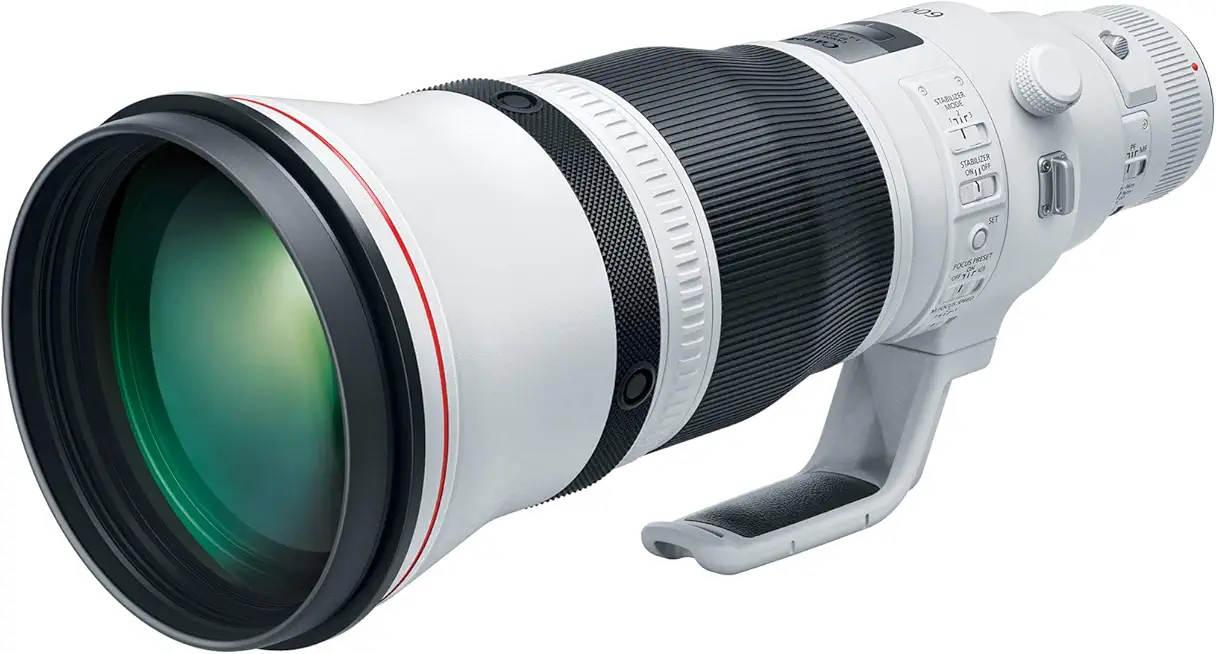
Canon EF 600mm f/4L IS III USM
Ultra-telephoto prime engineered for pro-grade sharpness, superior stabilization, and fast AF across long distances.
Check PriceAs a professional prime super‑telephoto, the Canon EF 600mm f/4L IS III is engineered for serious wildlife work and delivers exceptional optical quality. You get stellar sharpness, strong contrast and excellent subject isolation at f/4, which is ideal for separating birds and mammals from busy backgrounds. The build is professional and weather sealed, so it stands up to field conditions.
On a Canon 90D the 600mm focal length gives an effective field of view similar to roughly 960mm, so distant and small subjects fill the frame more easily. Autofocus is lightning‑fast and accurate, built to track moving wildlife with high hit rates. The lens also produces creamy bokeh that helps keep attention on the subject.
Many pros regard this lens as one of the best wildlife options available because of its superb image quality and reliable AF performance. The bright f/4 aperture helps in lower light and aids subject separation without forcing you to push ISO to extremes. That combination of reach, speed and image quality is what makes it a go‑to for dedicated wildlife shooters.
The practical tradeoffs are clear: the large size and weight make it best used on a tripod or monopod rather than handheld, which affects mobility in the field. It’s a significant investment and really rewards users who commit to focused wildlife work rather than casual shooting. If you need top‑tier image quality, fast AF and professional durability, this lens is mostly worth it.
- Unrivaled sharpness and image quality
- Super fast, accurate autofocus
- Large aperture for low light and subject separation
- Durable, weatherproof professional build
- Very heavy and bulky; impractical for casual/handheld use
- Significant investment and dedicated use required
5. Tamron SP 150-600mm G2

Tamron SP 150-600mm f/5-6.3 Di VC USD G2 (Nikon)
Second-generation super-telephoto zoom with enhanced vibration control and refined optics for reliable wildlife performance.
Check PriceThe Tamron SP 150-600mm f/5-6.3 Di VC USD G2 is a workhorse super‑zoom that gives you genuine reach with a 150–600mm range. Its updated optics and VC stabilization make it a practical choice when you need distance without breaking the bank.
In the field I found the AF noticeably quieter and more consistent than older versions, and users report excellent sharpness across the zoom range. The lens especially shines in the mid‑zoom range, where contrast and detail are at their best.
Stabilization is highly effective for handheld wildlife work, so you can often shoot without a support at moderate shutter speeds. Tamron also improved the build quality and weather sealing, so it stands up to damp, dusty conditions on long outings.
It isn’t perfect: the variable f/5–6.3 aperture means low‑light performance is limited at the long end, and the lens is on the heavier side compared with shorter zooms. Still, for birding and distant wildlife where reach and reliability matter, the G2 balances image quality, AF performance and durability in a package many community photographers recommend for APS‑C shooters.
- 150–600mm reach
- Improved AF and VC stabilization
- Weather‑sealed, robust build
- Very good image quality (especially mid‑zoom)
- Variable f/5–6.3 limits low light
- Heavier; tiring for long handheld use
Choosing Wildlife Lenses for Canon 90D
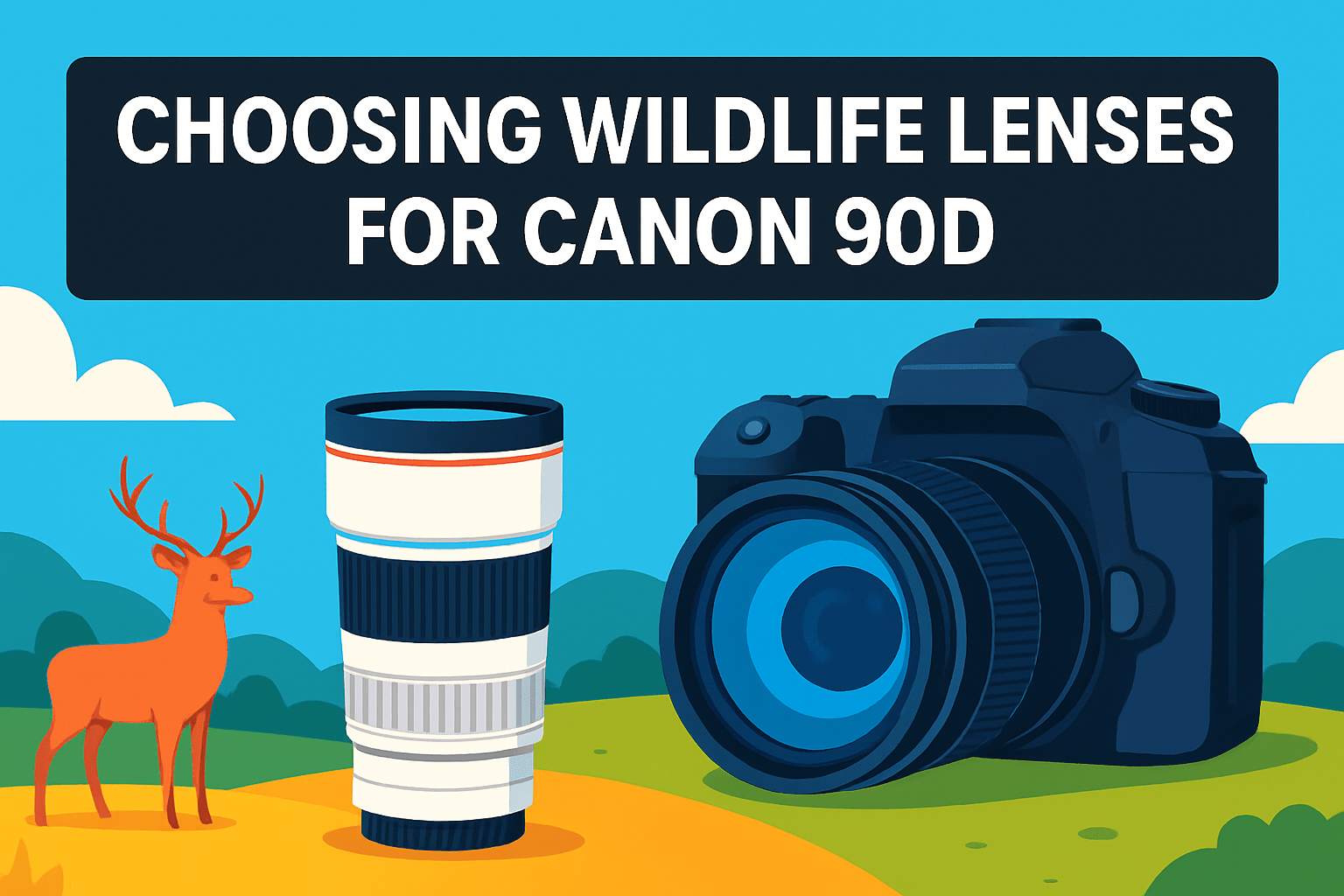
The 90D’s 1.6x crop is a quiet advantage: your lenses give you more reach without buying extreme glass. A 100–400mm behaves closer to 160–640mm, a 150–600mm to roughly 240–960mm, and a 600mm prime approaches a 960mm field of view. Keep that in mind when thinking about how close you need to get.
Pick focal length based on your subjects and shooting style. If you chase birds or very shy wildlife, aim for long reach — 300–600mm on the body is often necessary. For larger mammals or situations where you can get closer, a 100–400mm or 70–300mm gives versatility and much less weight to carry.
Optical quality and autofocus are the traits that matter most on the 90D. Its high-resolution sensor will expose soft optics, and moving subjects demand fast, reliable AF. Prioritize modern lenses with strong resolving power and good AF motors over older “cheap” options that look fine at low resolution.
Aperture is a trade-off, not a single answer. Primes like a 600mm f/4 give better low‑light performance and subject separation, but they’re heavy and expensive. Variable-aperture zooms (f/4–5.6 or f/5–6.3) sacrifice some low-light ability for reach and portability — often the best practical compromise for field work.
Image stabilization is essential if you plan to handhold long glass. IS will buy you usable shutter speed, but for maximum sharpness at long focal lengths a monopod or tripod is still your friend.
Also consider real-world factors: weight, weather sealing, budget and compatibility. The 90D accepts EF and EF‑S lenses (not RF), and teleconverters will give reach but often at the cost of AF speed and sharpness — always test lens+TC combos and use microfocus adjustments to fine-tune results before critical outings.
In short, match the lens to how you shoot more than to specs alone. If you hike, choose lighter stabilized zooms; if you sit in a blind or use a vehicle, a heavier prime can be worth it. When in doubt, rent the lens for a weekend and try it in the field before committing.
Tips for Wildlife Lenses on Canon 90D
The 90D’s 1.6x crop factor is a real advantage in the field. A 400mm lens behaves like roughly a 640mm, so you can fill the frame without always lugging the biggest super‑telephotos.
Keep shutter speeds high to freeze motion — for small birds aim around 1/1000s or faster. The 90D’s high‑speed burst and solid tracking AF make it much easier to catch decisive moments.
Image stabilization helps, but at long focal lengths you still want support. Use a monopod or tripod; handheld is workable on 100–400mm but becomes unstable and tiring on 150–600mm or 600mm primes.
Tune AF to the subject. Single‑point AF is my go‑to for perched or stationary animals, while zone or continuous AF with the 90D’s iTR tracking works best for birds in flight. Use the rear joystick to move points quickly as the action shifts.
Respect ISO limits: the 90D gives usable files up to around ISO 1600. I’ll raise ISO to preserve shutter speed rather than accept motion blur — a little noise is fixable, motion blur isn’t.
Teleconverters extend reach but cost you sharpness and AF speed. Never assume a TC will behave perfectly — test the exact lens+converter combo before you rely on it in the field.
Do controlled lens testing and consider microfocus adjustment at home. That small tuning often turns “close enough” into consistently tack‑sharp results on a high‑resolution sensor.
Fieldcraft matters as much as gear. Learn your subject’s habits, seek clean backgrounds and the best light, and use patient, quiet movement — small advantages in behavior and positioning beat extra millimeters of glass most days.
Finally, balance reach with mobility. For long hikes I usually carry a lighter 70–300mm or 100–400mm and exploit the crop factor; when ultimate reach is required I pack a 150–600mm or the 600mm prime and plan for monopod support.
What People Ask Most
What is the best lens for wildlife photography with the Canon 90D?
Many reviewers and professionals often recommend the Canon EF 100-400mm f/4.5-5.6L IS II USM for its balance of image quality, reach, and handling, while dedicated pros may prefer a prime like the Canon EF 600mm f/4L IS III USM for maximum optical performance. Choose based on the subjects you shoot and how much weight and cost you can manage in the field.
Which Canon lens is best for bird photography on a 90D?
Bird photography usually benefits from long reach; zooms such as the 100-400mm are versatile, and longer primes offer superior reach and subject isolation for distant or skittish birds. Consider your typical shooting distance and whether you need mobility or ultimate image quality.
Is a 100-400mm lens good for wildlife on the Canon 90D?
Yes, the 100-400mm is widely regarded as a very effective option, offering strong sharpness, reliable autofocus, and useful stabilization for handheld work. It is a versatile choice for both environment shots and tighter wildlife portraits.
Should I use a teleconverter with the Canon 90D for wildlife photography?
Teleconverters can extend reach but may reduce sharpness and autofocus speed, so they are best used after testing specific lens and converter combinations. Evaluate the tradeoffs in reach versus image quality before relying on them in the field.
Is a 70-200mm lens useful for wildlife with the Canon 90D?
A 70-200mm can be very handy for closer subjects and for carrying comfort on long hikes, offering good autofocus and stabilization. However, it often lacks the reach needed for distant wildlife and is commonly used as a secondary or starter lens.
What focal length do I need for wildlife photography on an APS-C camera like the 90D?
The 90D’s crop factor increases effective reach, so longer ranges such as 150–600mm are popular for distant or small subjects like birds. Base your choice on typical subject distance and whether you prioritize mobility or maximum reach.
Can I use full-frame Canon lenses on the Canon 90D for wildlife photography?
Yes, the 90D supports EF full-frame lenses and they are compatible for wildlife work, often delivering excellent image quality and autofocus performance. Just verify AF compatibility and consider microfocus adjustment to fine-tune sharpness.
Conclusion for Canon 90D Wildlife Lenses
This guide was meant to make choosing a wildlife lens for the Canon 90D less daunting by weighing the practical trade‑offs between reach, handling and image quality.
Whether you prefer a lighter zoom for mobility or a heavy prime for ultimate image quality, focus on the factors that matter most for your subjects and shooting style.
Prioritize effective reach on the 90D’s crop sensor, reliable autofocus and sharp optics, along with usable aperture and stabilization that match how you work in the field.
Take time to test lenses on your own body and kit, practice fieldcraft, and fine‑tune settings so the lens you choose performs consistently where you shoot most.
If you want to improve your technique and lens‑selection know‑how, read more articles on the site to build your skills and confidence.
Have questions or want advice for your setup? Leave a comment below and we usually reply within a few hours.


0 Comments