
What if you could get pro-looking aerial photos without the pro price or the heavy gear?
In 2026 we focused on five value-driven drones that cover everything from total beginners to prosumer shooters.
This guide cuts through marketing and points you straight to the machines that give the most performance per dollar.
We judged these models by real-world payoff, not just spec sheets.
Portability, image quality, stability, essential safety features, and ongoing maintenance were the pillars of our evaluation.
That means we balanced flight handling, sensor performance, and what it takes to keep a drone operational season after season.
You’ll see options that prioritize pocketable travel kits, smooth stabilized video, and rugged budget flyers built for practice and learning.
Our take stresses how each platform performs in wind, how steady footage stays in handheld-style shots, and how safety features reduce crash risk.
We also weighed the long-term costs like spare parts, battery care, and firmware support so surprises don’t eat your savings.
If you want the most aerial capability for your budget, this piece makes the trade-offs crystal clear.
Whether you’re shooting weekend travel reels, hobby flights, or building a prosumer kit, the right balance of portability, image quality, and reliability matters.
Read on and find the best bang for your buck in 2026 — and learn how to protect that investment so it lasts.
1. DJI Flip Overview
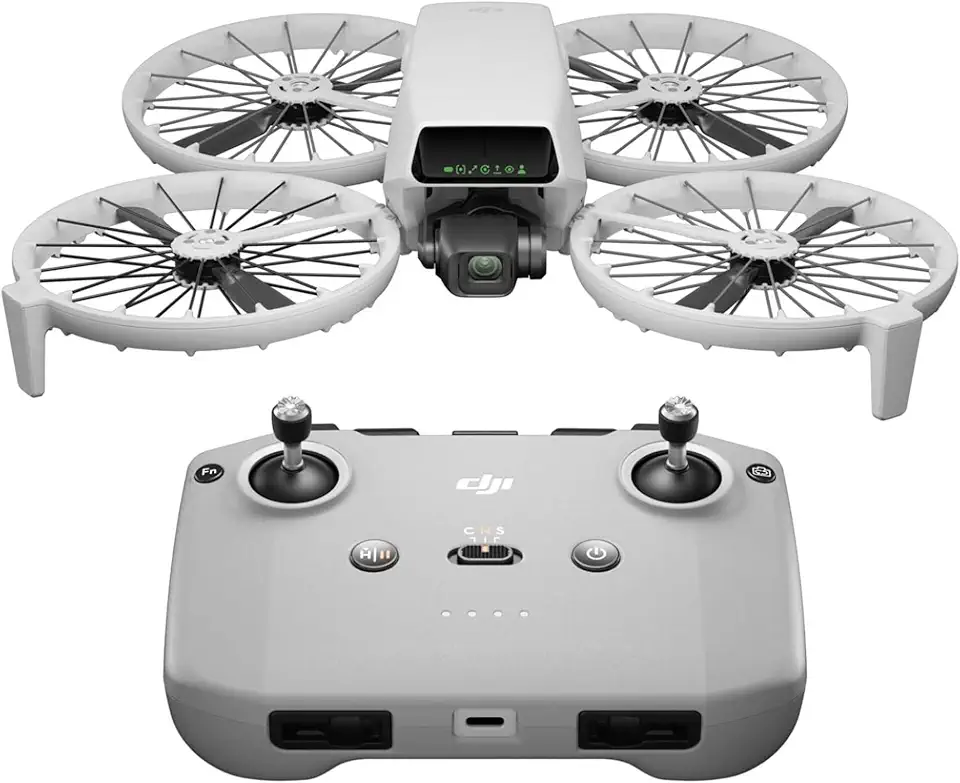
DJI Flip RC-N3 Drone 4K UHD under 249 g
Ultra-light 4K UHD camera drone, sub-250g, with quick-fold design, intelligent flight modes, and stable performance for effortless aerial creativity.
Check PriceThe DJI Flip is a seriously compact flyer, weighing under 249 g with a foldable design and integrated propeller guards that make it travel-friendly and easy to stash in a backpack. It packs a 1/1.3‑inch CMOS sensor capable of 48MP stills and 4K/60fps HDR video, which is impressive for something this small.
As a photographer I find the image quality strong for its size — plenty of detail in daylight and crisp video with HDR that helps preserve highlights. The camera handles casual travel and social-content work very well, and the intelligent shooting modes and AI tracking make capturing subjects simple even when you’re solo.
Where the Flip really shines is portability and ease of use: it’s extremely lightweight and airline‑friendly, and the foldable propeller guards reduce the learning curve for indoor or beginner flights. However, it lacks obstacle avoidance, so you still need to fly defensively in tight spaces and around people.
One real limitation is wind performance. In gusty or open conditions the Flip can drain battery quicker, produce unstable footage and introduce motion blur, so expect shorter practical flight times when it’s breezy. For that reason it’s best suited to indoor use or smaller outdoor areas with light wind.
If your priority is an ultra‑portable drone with very good image quality and easy automated modes, the DJI Flip is a smart choice. If you need rugged outdoor reliability, advanced safety sensors, or frequent flights in windy locations, look for a more robust alternative.
- Foldable propeller guards
- Under 249 g — airline-friendly
- 48MP photos & 4K/60fps HDR video
- Intuitive shooting modes & AI tracking
- No obstacle avoidance
- Poorer wind performance — unstable footage & faster battery drain
2. DJI Mini 5 Pro Overview

DJI Mini 5 Pro Fly More Combo DJI RC 2 1-inch CMOS 4K 3 batteries
Professional-grade 1-inch CMOS sensor captures stunning 4K footage; includes extra batteries and premium controller for extended, reliable aerial shooting.
Check PriceAs a working photographer, the DJI Mini 5 Pro feels like a sweet spot: a flagship sub-250 g drone packing a 1-inch sensor that genuinely lifts your image and low-light game compared with smaller-sensor minis. It shoots high-frame-rate 4K — up to 120fps — and offers professional color profiles like D-Log M, which makes grading footage far more flexible in post.
The rotating gimbal is a practical game-changer. With 90° gimbal rotation you get true vertical framing without cropping, perfect for social creators and portrait-oriented content straight out of the air. Built-in storage and improved charging efficiency mean less downtime between shoots.
Flight-wise it’s featherlight, which is mostly a win: being sub-250 g avoids many regulatory headaches and makes travel effortless. That same lightness does make it less stable in strong wind, so expect occasional motion blur or instability if conditions deteriorate — plan flights around calmer windows.
Image-wise, the 1-inch sensor plus the flexible frame rates and D-Log M let you push for near‑professional results from a tiny package. Keep in mind stills are 12MP, so they’re excellent for web, social, and medium prints, but they’re limited if you need very large, high-detail prints without stitching.
Bottom line: if you want near‑professional image quality in a travel-friendly, regulation‑light body and you prioritize vertical framing and video-grade color, the Mini 5 Pro is a great fit. If you routinely fly in windy coastal or exposed locations or require very large single-frame prints, consider those trade-offs.
- Sub-250 g — easier travel and fewer regulations
- Superior 1-inch sensor for better low-light and dynamic range
- 90° rotating gimbal for true vertical shots
- 4K up to 120fps and D-Log M for professional video work
- Very light — less stable in strong wind
- 12MP stills not ideal for very large prints
3. Potensic Atom 2 Overview

Potensic Atom 2 Drone 4K HDR 3-Axis Gimbal under 249 g
Compact sub-250g quad with 4K HDR imaging and 3-axis gimbal delivers smooth, vibrant footage and responsive flight handling.
Check PricePotensic Atom 2 is a budget-friendly, sub-250 g drone that packs a 3-axis mechanical gimbal and stabilized 4K video into a compact frame. For photographers and hobbyists who travel light, that mechanical stabilization at this price point is immediately appealing.
The mechanical gimbal delivers smooth, shake-free footage that you rarely see on budget models. That means usable B-roll and steady pans straight out of the craft, though the overall video quality stops short of being cinema-grade.
It lacks collision-avoidance sensors, so you’ll want to be cautious flying in cluttered or obstacle-heavy environments. For tight tree-lined runs or urban canyons, manual piloting discipline is essential to avoid strikes.
Flight experience feels reliable for entry-level pilots, but the control and software polish aren’t quite at the top-tier level; occasional control or software lag has been reported. Still, the controller and app offer a surprisingly premium feel for the price, which helps shorten the learning curve.
If you want affordable mechanical stabilization without paying flagship prices, the Atom 2 is a strong candidate. It’s aimed at beginners and hobbyists who value stabilized footage and portability more than advanced safety systems or cinema-grade imaging.
In short: buy this if you prioritize steady 4K video on a budget and can accept occasional software hiccups and no obstacle sensing. It’s a practical, value-first choice for new pilots focused on getting smooth aerial footage without a large investment.
- 3-axis mechanical gimbal for smooth video
- Lightweight and within restrictive weight limits
- Decent flight features; reliable for entry-level pilots
- Controller/software feel premium for the price
- No obstacle avoidance
- Software/interface less polished than DJI counterparts
4. DJI Mini 4 Pro Overview
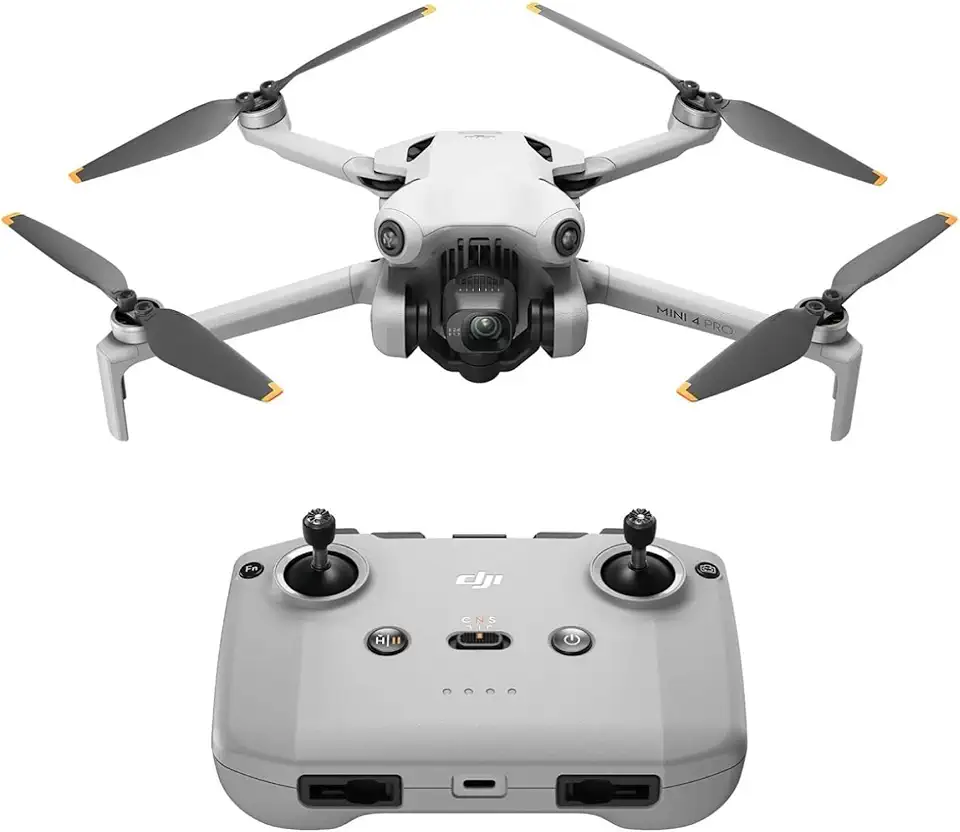
DJI Mini 4 Pro DJI RC-N2 Drone 4K under 249 g
Featherweight sub-250g aerial camera providing crisp 4K video, intelligent tracking, and stable flight for effortless content creation.
Check PriceAs a compact, advanced mini drone the DJI Mini 4 Pro brings full omnidirectional/360° obstacle sensing and solid safety features into a travel‑friendly package. That level of sensing isn’t just marketing — it measurably reduces the risk of bangs and tip‑overs when you’re shooting tight transitions or flying near obstacles.
The camera punches above the weight class with 4K video and enhanced low‑light capability, plus 48MP stills for decent resolution when you need larger crops. It shares camera-quality territory with other strong mini models but pairs that imaging with more intelligent flight modes for cleaner, more consistent results.
Flight performance stands out: the Mini 4 Pro handles wind better than Flip and feels noticeably more stable outdoors, so you’ll get fewer wind‑induced motion blurs and more usable frames. Battery performance is solid, supporting longer shoots, and the faster charging means less downtime between flights — a practical benefit on location shoots.
For an enthusiast or prosumer photographer who prioritizes reliability and image quality in a compact form, this drone is an excellent fit. The omnidirectional sensing and intuitive intelligent modes let you focus on composition and storytelling instead of babysitting the flight controls.
The tradeoffs are real but not severe: it’s slightly heavier than some ultra‑light minis and costs more than entry‑level models, but for most creators I meet the extra stability, safety, and image quality justify the investment.
- 360° omnidirectional obstacle sensing
- Better wind resistance and stability than Flip
- High-quality 4K video and 48MP still photos
- User-friendly intelligent shooting modes
- Slightly heavier than Flip — less portable
- Higher cost vs entry-level drones — may deter absolute beginners
5. Holy Stone HS175D Overview

Holy Stone HS175D GPS Drone 4K
GPS-enabled drone capturing sharp 4K footage with automatic return, altitude hold, and beginner-friendly features for confident flying.
Check PriceAs a working photographer who travels light, the Holy Stone HS175D stands out as a sensible budget pick when you want reliable GPS and smart flight features without breaking the bank. It ships with brushless motors, GPS lock, and a 2.7K camera that uses electronic image stabilization (EIS) — a pragmatic combo for hobbyists and beginners who want stable-looking clips without a mechanical gimbal.
The camera is fine for casual use and social sharing, but be clear: it’s 2.7K, not true 4K despite some marketing language. EIS does a good job smoothing out small shakes, yet won’t match the silky, cinema-style stability from a mechanical 3-axis gimbal; expect some micro-jitter in challenging conditions or during aggressive maneuvers.
Flight-wise, the HS175D is forgiving. GPS-assisted features like Follow Me, Return to Home and altitude hold work reliably, which is a huge boon when you’re focusing on composition rather than piloting. The controller is simple and effective, though users report occasional latency at the maximum range — fine for most casual shooters, but worth noting if you plan long-distance exploratory flights.
Practical touches matter: the tilting camera offers framing flexibility, and the MicroSD slot keeps your media management straightforward on the go. The brushless motors give durability and quieter flight, which helps when you’re recording outdoors and don’t want rotor noise overpowering ambient sound.
In short, the HS175D is mostly good for entry-level photographers and videographers who want GPS reliability and sensible features on a tight budget. It’s not a professional tool, but it’s a solid, low-cost platform to learn aerial composition and capture shareable footage.
- Easy to fly with multiple autopilot features
- Brushless motors — durable and quieter
- Tilting camera for framing flexibility
- MicroSD card slot for easy video management
- 2.7K resolution, not true 4K
- Electronic stabilization less effective than a gimbal
Choosing the Best Value Drone
Start by deciding what you actually shoot most. If you travel light and post to social, portability and a rotating gimbal matter more than raw megapixels. If you sell prints or film commercial work, prioritize sensor size, color profiles, and low‑light performance.
Balance flight performance with features. Longer flight times and stable handling mean fewer missed shots. Advanced obstacle sensing and reliable return‑to‑home reduce crash risk and repair costs over time.
Weight and portability carry real tradeoffs. Sub‑250 g drones dodge many regulations and are easy to carry, but they handle wind less well. If you frequently shoot in open or windy conditions, spend a bit more for a sturdier platform.
Camera specs deserve context. 4K and large sensors help with cropping and grading, but stabilization and gimbal quality often decide usable footage. For most creators, solid stabilization and a clean image profile beat inflated megapixel counts.
Think about ease of use. Intuitive controllers and reliable flight modes get you shooting faster and reduce stress on busy shoots. If you’re learning, obstacle avoidance and automated follow modes are worth the premium.
Serviceability is part of value. A drone with accessible spare parts, firmware updates, and good customer support saves money long term. Factor repair costs and part availability into your decision as much as initial price.
Buy with maintenance in mind. Keep spare propellers and batteries on hand; they are cheaper than impulse repairs. Regular firmware and hardware checks keep the craft flying and your footage consistent.
Finally, test before you commit. Rent or demo a model under conditions you’ll actually shoot in. Real‑world handling tells you more than specs ever will.
Maintenance Tips to Extend Drone Lifespan
As a photographer who flies as often as I shoot, maintenance became part of my workflow. After every flight I wipe down the airframe, gimbal and props with a microfiber cloth and use lens-specific wipes for the camera. If I’ve been near the beach or in dusty fields I take extra time to brush out the motors and sensors; salt and grit are quick killers.
Propeller checks are a habit. I visually inspect for chips, flex and warping before powering up, and I carry two spare sets in my kit bag. Even tiny nicks can introduce vibration that ruins a shot, so swapping a prop is a five-minute habit that saves hours in post.
Batteries deserve respect. I let them cool after a hot flight before charging, avoid draining them to zero, and store them at roughly 50–60% charge in a cool, dry place. Check for puffing or discoloration regularly and retire any pack that looks off—safety first.
Motors and gimbals need gentle attention. I don’t oil motors unless the manufacturer says so; a soft brush and a quick spin to feel for roughness is usually enough. For the gimbal I run calibration checks before important shoots to avoid drift or jitter in footage.
Keep firmware and app updates current, but back up your flight logs and media first. Updates often improve stability and battery management, and they can prevent strange behavior out in the field. I update between shoots, not right before a booked flight, to avoid surprises.
Finally, treat storage and transport like part of the craft. Use padded cases, remove batteries for long-term storage, and keep drones ventilated. If you crash or notice internal damage, use authorized service centers; cheap DIY fixes can cost more in the long run. Small habits add months, even years, to a drone’s usable life—and ensure your shots stay sharp.
What People Ask Most
What features should I prioritize when looking for the best bang for your buck drone?
Prioritize a balance of camera quality, stabilization, and flight stability along with useful safety features like obstacle sensing. Portability and reliable after-sales support also strongly impact overall value.
Which drone brands are known for offering the best value and reliability?
Brands with established track records, widespread service networks, and regular firmware support tend to offer better value and reliability. Both mainstream manufacturers and reputable budget makers can be good choices depending on your priorities.
What is the best drone for photography and videography that balances performance and value?
Choose a model that pairs a larger sensor and solid stabilization with practical safety features while remaining portable enough for your needs. The best option balances image quality, flight stability, and ease of use rather than simply having the highest specs.
How important are battery life and flight time when choosing a value drone?
Battery life and flight time directly affect how long you can shoot and how convenient fieldwork is. Consider how long a typical flight lasts in practice and how easy it is to swap or recharge batteries in the field.
Are drones with obstacle avoidance systems worth it for someone seeking the best value?
Obstacle avoidance is often worth the extra cost for beginners or when flying in complex environments because it reduces crash risk and lowers stress. Experienced pilots in open areas may prioritize other features, but safety tech typically adds long-term value.
Is it better to buy a used or refurbished drone to get the best bang for your buck?
Used or refurbished drones can save money, but verify battery health, overall condition, and whether a warranty or return option is included. Buying from reputable sellers or authorized refurbishers reduces the risk of unexpected issues.
How do camera quality, stabilization, and sensor size affect a drone’s value for aerial photography?
Better camera quality, effective stabilization, and larger sensors all improve image detail and low-light performance, making a drone more valuable for photography. Balance these attributes against portability and cost to match your shooting needs.
Conclusion for Best Value Drones
Choosing the best value drone comes down to clear trade-offs: portability often sacrifices wind stability, while compact sensors trade low‑light performance for regulation-friendly weight, and stronger safety systems usually add size or cost.
Think about how and where you’ll fly — travel, social content, casual hobby, or professional shoots — and prioritize the handful of features that directly support those needs.
Treat maintenance as part of the investment: regular cleaning, careful battery practices, routine inspections, and timely firmware updates will keep your drone reliable and protect its resale value.
If you’re uncertain, try to test a few models or start with a simpler option; real-world flying quickly clarifies which compromises you can live with and which you can’t.
Want to sharpen your skills or dive deeper into picking and using gear? Read more articles on our site for practical tips, comparisons, and workflow advice to help you get better results faster.
Have a question or share a flying experience? Leave a comment below — we usually reply within a few hours and are happy to help.



0 Comments