
Which camera will make skin glow and makeup pop? Beauty photography demands more than sharpness. It requires faithful color, careful tonal rendering, and the ability to capture fine texture without exaggerating flaws.
This guide zeroes in on five cameras that consistently perform in beauty work, from controlled studio shoots to on-location editorial assignments. For each option we outline real-world strengths, practical trade-offs, and the kinds of shoots where each camera truly shines.
Beyond gear, you’ll find actionable tips on controlling lighting, color temperature, and backgrounds so makeup and skin tones read accurately on camera. These are practical, studio-tested pointers you can use with any setup. There’s also a short FAQ that addresses common camera and lens questions beauty photographers ask most.
Whether you’re a studio pro, a freelance retoucher, or a photographer building a beauty portfolio, this guide helps match tools to creative goals and budgets. Read on to find the camera that lets your subjects—and your work—shine.
We weighed factors like handling, autofocus consistency, and color rendering so you can choose a camera that supports your editing workflow. Budget and ergonomics matter, and we point out which picks suit commercial retouching, editorial spreads, or social-media beauty content. Short, honest pros-and-cons notes will help you avoid costly mismatches between camera capabilities and shoot demands.
1. Canon EOS R5 Mark II Highlights

Canon EOS R5 Mark II Body
Professional full-frame mirrorless body delivering exceptional image quality, lightning-fast autofocus, and versatile video capabilities for demanding photographers and filmmakers.
Check PriceThe Canon EOS R5 Mark II is a standout for beauty photography thanks to its 45MP stacked CMOS sensor — you get exceptional resolution for skin texture, fine detail, and flexible cropping. High detail and color accuracy make it easy to retain subtle tones in makeup and skin during retouching.
For fast-paced shoots, the R5 Mark II’s continuous shooting up to 30 fps and advanced subject-detection AF mean you’ll capture the exact blink-free expression or fleeting pose. That speed paired with precise autofocus reduces missed moments during multi-subject or motion-assisted beauty sessions.
Low-light performance is strong with an ISO range of 50–102,400 (extended), and the 8.5 stops of in-body stabilization lets you make tack-sharp handheld shots with slower shutters when needed. This IBIS is especially useful for on-location editorials where tripods are impractical.
Video capabilities are also class-leading: 8K at 60fps and 4K at 120fps give you enormous flexibility for high-resolution still extraction and slow-motion beauty reels. If you deliver mixed photo/video packages, this camera covers both without compromise.
Practical considerations: Eye Control Focus is a powerful tool to speed selection of the subject’s eyes, but it may not work for every user consistently. The body is rugged with heavy-duty weather sealing, but be aware some third-party batteries can be incompatible — stick to approved power options when reliability is critical.
- 45MP for extraordinary detail
- Up to 30 fps continuous shooting
- 8.5 stops IBIS — great handheld
- 8K60 / 4K120 video for mixed work
- Eye Control Focus not reliable for all
- Some third-party batteries incompatible
2. Sony α7 IV Highlights
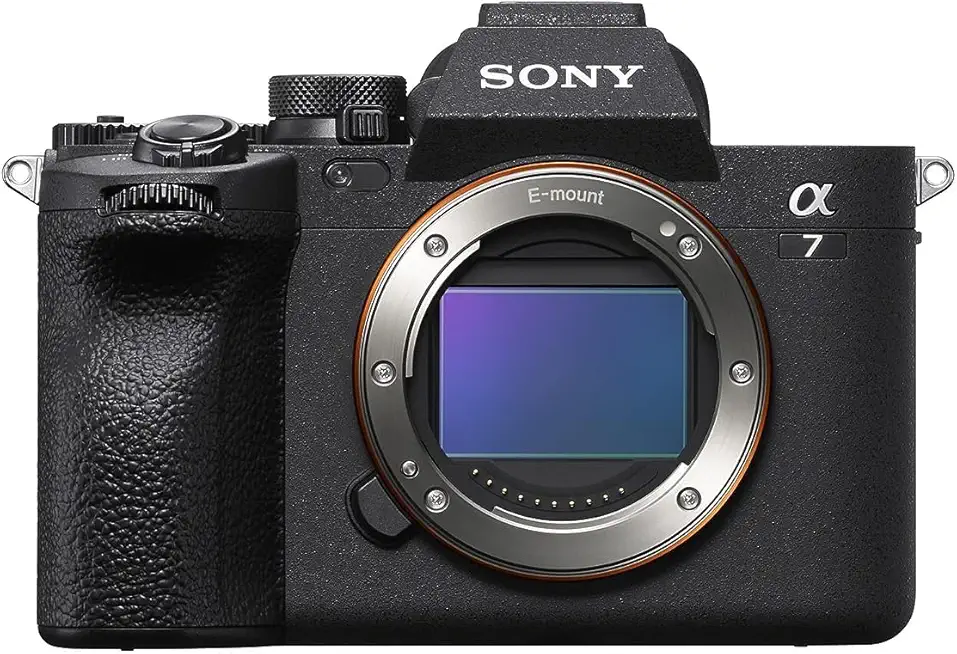
Sony Alpha 7 IV
Advanced full-frame mirrorless with superb low-light performance, hybrid photo/video features, responsive autofocus, and intuitive controls for creators.
Check PriceThe Sony α7 IV is a superb all-rounder for beauty photography thanks to its 33 MP full-frame sensor and Advanced Eye AF. That combination gives you the resolution to capture fine skin texture and the autofocus reliability to nail sharp eyes in tight compositions.
In practice I find the IBIS makes handheld shooting in the studio or on-location far more forgiving. The camera’s strong studio video performance also means it can double as a hybrid stills-and-video tool when you need controlled motion or behind-the-scenes clips.
The E-mount ecosystem is a real advantage: a wide range of native and third-party lenses lets you choose focal lengths and characteristics that flatter different faces and makeup looks. For beauty work that demands precise framing and shallow depth of field, having lens choice matters more than raw specs alone.
Autofocus behavior is a highlight — fast and accurate, with Advanced Eye AF keeping the subject’s eyes crisp even with small movements. That reliability saves time in post and helps keep client sessions flowing smoothly when you’re juggling light, makeup, and direction.
Be aware of a couple of limits: this camera isn’t ideal for very fast-moving subjects, and it may feel like more camera than needed if you only ever shoot tight, controlled portraits. Still, for photographers focused on high-quality portraits and studio work, the Sony α7 IV strikes an excellent balance of resolution, AF, stabilization, and versatility.
- Produces high-quality portraits with precise eye AF
- Fast, accurate autofocus for sharp images
- Extensive lens ecosystem for portrait work
- In-body stabilization aids handheld shots
- Not ideal for fast-moving subjects
- May be more camera than needed for strict portrait-only shooters
3. Nikon Z8 Highlights

Nikon Z 8
High-performance mirrorless body offering pro-grade autofocus, fast continuous shooting, robust build, and stunning image fidelity for professionals.
Check PriceAs a working beauty photographer, the Nikon Z8 feels like a refined tool rather than an overbuilt flagship. It pairs a high-resolution full-frame sensor with a surprisingly compact body, so you get excellent image quality without lugging a giant camera around the studio or on location.
The sensor delivers crisp detail and natural color rendition that flatters skin tones and preserves makeup textures. Keep in mind it does sit a notch below the absolute highest-resolution models on the market, but for beauty work the balance of resolution and file handling is very practical.
Autofocus on the Z8 is class-leading; in real shoots it locks on quickly and stays on point, which saves time when working with models who move between poses. That fast, accurate autofocus means more keepers and less time fussing with focus, especially when shooting tighter crops or shallow depth of field.
Because the body is more compact than larger flagships, the Z8 is comfortable for long shoots and easy to reposition for different lighting setups. It’s versatile enough to move from controlled studio clamshell setups to environmental beauty shots without feeling like overkill.
The one practical caveat: some users report limited battery life, so plan for spares when you have back-to-back sessions or long location days. Overall, if you need a high-quality, versatile camera that excels in portraits and beauty photography while remaining portable, the Z8 is a very strong choice.
- Produces stunning images across scenarios
- More portable than larger flagship models
- Versatile for varied photography tasks
- Fast, accurate autofocus
- Lower resolution compared to some other models
- Some users report limited battery life
4. Canon EOS R6 Mark II Highlights
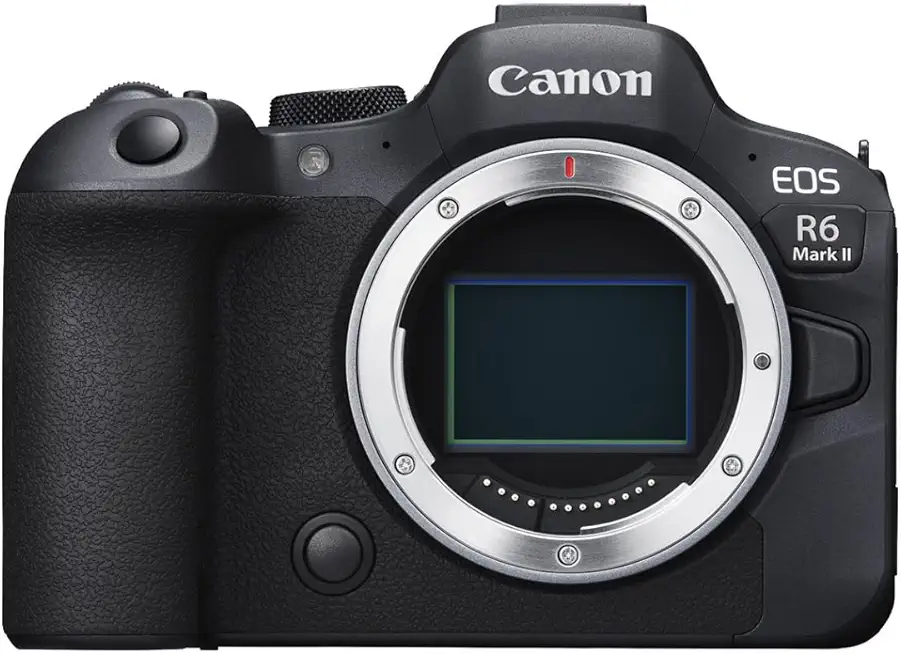
Canon EOS R6 Mark II Body
Fast, reliable full-frame body optimized for action and low-light, featuring smooth image stabilization and quick-response controls.
Check PriceThe Canon EOS R6 Mark II is a sensible, workhorse choice for beauty photographers who want professional results without jumping to a flagship price. It uses a 24.2 MP full-frame sensor that delivers clean files with excellent color rendering—more than enough resolution for crisp headshots and editorial beauty crops.
Autofocus is one of its strongest assets. The camera offers fast, accurate autofocus that locks onto eyes and faces reliably, so you spend less time troubleshooting focus and more time directing expression and light.
Video-capable beauty shooters will appreciate 4K at 60fps, which lets you capture smooth, high-quality footage for behind-the-scenes reels or makeup tutorials. The combination of stills and video chops makes the R6 Mark II especially versatile in studio workflows.
Build quality is solid and weather-sealed, so it feels dependable in busy studio environments or on-location shoots where you might encounter dust or mist. That robustness paired with its feature set makes it a great pick for beginners stepping up and pros who need a reliable second body.
That said, if your work demands extreme resolution for ultra-detailed retouching or very large commercial prints, the 24.2 MP sensor is a limiting factor compared to higher-megapixel models. Also, if you rely on very high-speed continuous shooting for specialized tasks, this model is less suited than higher-end pro bodies.
- 24.2 MP full-frame sensor
- Quick and precise autofocus
- 4K at 60fps video
- Robust, weather-sealed build
- Lower resolution for ultra-detailed work
- Limited high-speed shooting vs flagship models
5. Sony α7R V Highlights

Sony Alpha 7R V
Ultra-high-resolution full-frame camera delivering incredible detail, dynamic range, advanced autofocus, and professional-grade image processing.
Check PriceThe Sony α7R V is a camera I reach for when I need absolute detail and the cleanest skin texture reproduction. Its high-resolution full-frame sensor delivers the kind of pixel-level detail that makes retouching easier and allows you to crop without losing critical facial detail.
Autofocus has become smarter with the advanced AI-based autofocus system; it locks onto eyes and subtle facial movements reliably, which is invaluable during tight beauty shoots where every millimeter of focus matters. The system feels fast and accurate in practice, reducing the number of keepers you’d otherwise lose to slight misfocus.
On top of stills, the α7R V’s high-resolution video capabilities give you options for creative motion work and behind-the-scenes footage that match the quality of your portraits. Ergonomically it’s improved with better handling and longer battery life, so full studio days feel less fatiguing and you’re less likely to run short on power mid-session.
There are a couple of trade-offs: the menu system can be complex and takes time to personalize, and the body is larger and heavier than some mirrorless options, which may matter if you travel light or prefer a minimal kit. Overall, if you prioritize image resolution and advanced AF for beauty and makeup work, the α7R V is an excellent choice that rewards attention to detail.
- Very high image resolution for detailed work
- Fast, accurate AI-based autofocus
- Improved ergonomics for comfortable handling
- Strong high-resolution video performance
- Complex menu system for some users
- Larger and heavier than some mirrorless options
Beauty Lighting And Color Temperature Tips
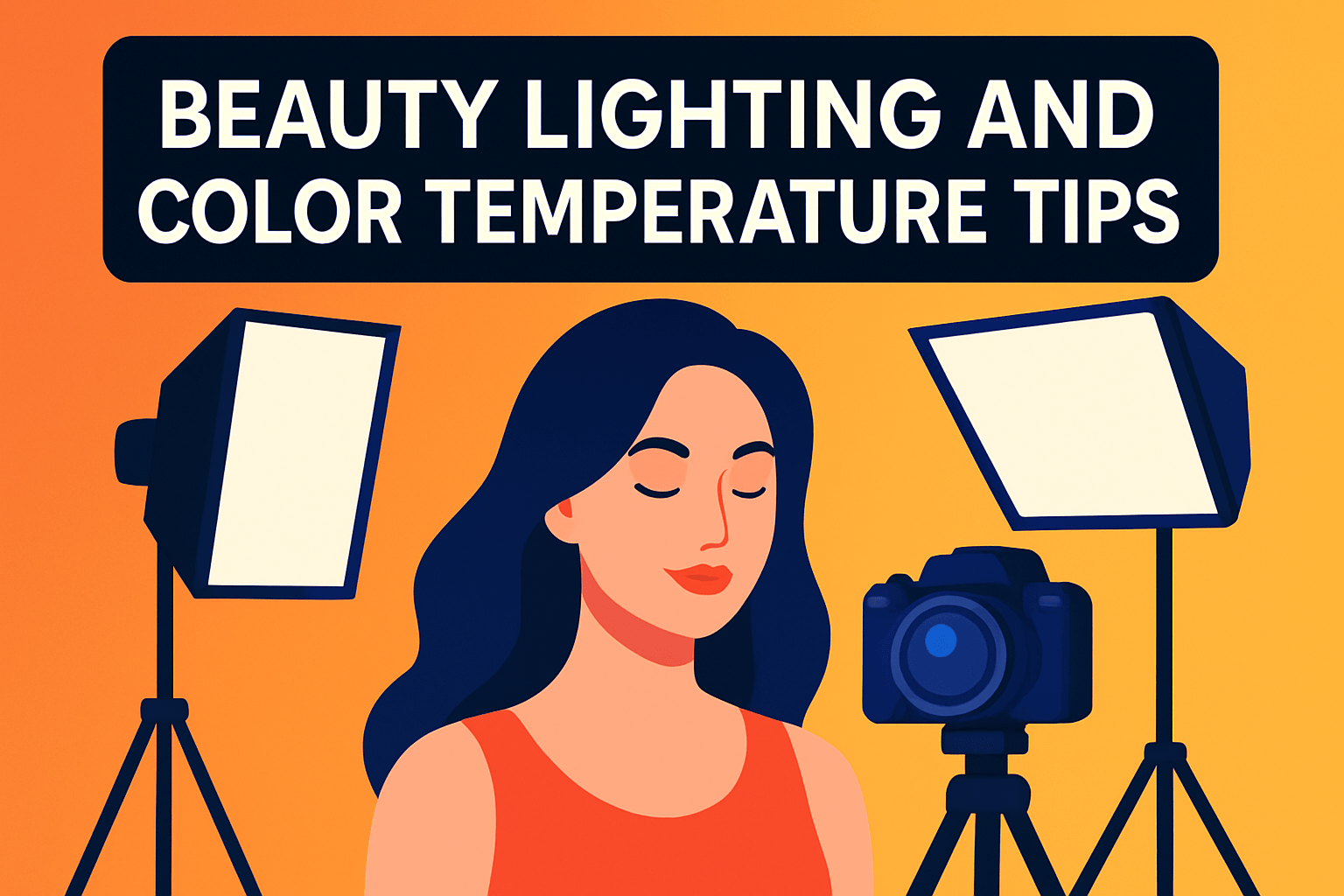
Lighting is everything in beauty work. It determines how skin texture, pores, and makeup colors read in the final image. Spend more time shaping light than guessing in post—good light saves you hours of retouching.
For flattering faces start with classic butterfly lighting: a single key just in front and slightly above the nose line to lift cheekbones and smooth skin. For studio beauty I often use clamshell—key above and a soft fill below—to virtually erase shadows and showcase makeup detail without looking flat.
Soft modifiers are your friend. Big softboxes and diffusers give even illumination that minimizes skin imperfections, while a beauty dish adds the mid‑contrast and specular highlights that make lashes and gloss pop. Use grids when you need to control spill and keep the background dark or add a catchlight without blowing out the frame.
Color temperature controls realism. Aim for neutral daylight around 5200K–5500K and use lights with high CRI (above 90; 97+ is ideal) so reds and skin tones render faithfully. Never mix tungsten, LED, and daylight without correcting; if you must blend, gel the lights or set a custom white balance with a gray card or ColorChecker and shoot RAW.
Think like a sculptor: vary intensity and distance to model the face. Bring a hair or rim light for separation, and light the background separately to avoid color casts leaking onto skin. Take test shots, inspect skin tones on a calibrated monitor, and lock settings once you’re happy.
Finally, small details matter: control reflections on glossy makeup, check catchlights for consistency, and keep the setup repeatable for multiple looks. With consistent lighting and accurate color, half your beauty edit is already done before you open Lightroom.
Choosing The Right Beauty Backgrounds
When I set up a beauty shoot I keep the background quiet. The face and makeup should be the hero. A simple backdrop—white, black or neutral gray—lets skin tones and detail read clearly without distraction.
White is my go-to for clean, high-key looks and commercial beauty. Black gives instant drama and makes colors pop. Gray sits in the middle and is forgiving for both editorial and retouch workflows.
Think about color as part of the palette. Soft pastels flatter delicate makeup and warm skin tones, while richer, deeper hues create contrast for bold lips or smoky eyes. If you’re unsure, choose a muted tone that complements the model’s undertone rather than competing with it.
Distance matters. Place your subject several feet in front of the backdrop to avoid color spill and to let the background fall out of focus. A wide aperture will blur texture and reduce any unwanted pattern or seam from being visible.
Light the background separately. A subtle rim or background light creates separation and can produce pleasing gradients. Use grids or flags to control spill so the light sculpts the background without affecting skin tones.
Materials make a difference. Seamless paper and muslin are reliable for smooth results. When you want character, gentle wrinkles or folds can read as texture if lit thoughtfully, but be prepared to smooth them in camera or retouch later.
For creative editorial looks I use gels on white paper to introduce color without clutter. Reflective surfaces and props can add interest, but use them sparingly and control reflections to avoid distracting highlights.
Ultimately match the background to the mood and the makeup. Neutral and simple for beauty that sells; colored and textured for narrative or fashion. Keep it intentional and make every background choice support the face, not fight it.
What People Ask Most
What is the best camera for beauty photography?
The best camera is one that delivers consistent image quality, reliable autofocus, and comfortable handling for your workflow. Pair the body with lenses and lighting that support accurate skin tones and detail reproduction.
Which camera features are most important for beauty photography?
Prioritize accurate autofocus, good image quality for skin tones, and reliable handling that supports your shooting style. Lens compatibility and the ability to control color and exposure are also key for consistent results.
Is full-frame or APS-C better for beauty photography?
Both formats can produce excellent beauty images; full-frame can offer a shallower depth of field and wider lens options while APS-C bodies can be more compact. Choose based on your preferred lenses, working distance, and budget.
How many megapixels do you need for beauty photography?
You need enough resolution to support the final output and retouching you plan to do. Higher resolution can help with detailed work but also increases file size and workflow demands, so match resolution to your intended use.
What lens is best for beauty and makeup photography?
Prime portrait lenses in the short telephoto range are commonly preferred for flattering perspective and sharpness. Select a lens that renders skin pleasingly and allows the working distance you need for headshots and makeup detail.
What camera settings are ideal for beauty portrait photography?
Use settings that ensure sharp focus on the eyes, clean exposure, and gentle background separation while preserving skin tones. Shoot RAW and control white balance and lighting to maintain accurate color and flexibility in post.
Should you use DSLR or mirrorless for beauty photography?
Both DSLR and mirrorless systems are capable of professional beauty work; mirrorless often offers advanced autofocus and live-view tools while DSLRs can provide familiar ergonomics. Pick the system that fits your workflow, lens needs, and comfort behind the camera.
Conclusion On Best Camera For Beauty Photography
Choosing the right camera comes down to matching the features, pros, cons, and real-world use to your personal workflow and the types of beauty shoots you do most often.
Combine that camera choice with deliberate control of lighting, color temperature, and background to make skin tones, makeup, and facial features read exactly as you intend.
Simple backgrounds, careful light shaping, and consistent white balance help keep the attention on your subject while allowing the technical strengths of your gear to shine.
Experiment in-camera and in post, shoot RAW when possible, and use the practical lighting and background tips to refine your vision and results over time.
If you want to build on this foundation, explore more articles on the site to deepen your technique and workflow at your own pace.
Have questions or a shoot to discuss? Leave a comment below — we usually reply within a few hours and are happy to help.




0 Comments