
What if one camera could turn chaotic family trips into picture-perfect memories you’ll actually want to revisit and hang on the wall? This quick guide zeroes in on five top cameras for family vacations and explains what to buy based on how you travel and shoot. Whether your priority is pocketable convenience, impressive low-light performance, buttery-stable video, or a friendly price tag, we’ll point you to the kind of camera that fits your needs.
You’ll get short, practical breakdowns that highlight how each camera performs on the go, from playground chaos to candlelit dinners. We’ll also walk through lens choices, must-pack accessories, and simple shooting tips so you can capture kids, group shots, and landscapes without fuss. And because every family trip has its surprises, there’s a concise FAQ to help answer common buying dilemmas and avoid costly mistakes.
No heavy tech jargon, no pressure to buy the most expensive model — just clear advice to help you pick gear that keeps up with real family life. Ready to stop missing the moments and start making lasting memories? Let’s find the best camera for your next family vacation.
Think about how you actually shoot: do you chase action, stage quick family portraits, or mostly make videos of playful moments? This guide helps match your shooting style to the right camera and the handful of accessories that make travel photography simpler and stress-free.
1. Fujifilm X100VI Compact Travel Camera

Fujifilm X100VI
Classic-inspired compact camera delivering rich color, fast performance, and film-simulation modes for stunning street and travel photography.
Check PriceThe Fujifilm X100VI is a compact walkaround camera built around an APS-C sensor and a fixed 23mm f/2 lens, which makes it an excellent choice for family vacations when you want great images without hauling extra gear. Its combination of a larger sensor and a fast prime lens gives you better image quality and shallow depth of field than typical pocket cameras.
Out of the box you get excellent JPEG output that reduces the need for heavy post-processing — a real time saver when you’re sorting holiday photos. The camera is compact and lightweight, so it won’t be a burden on long days of sightseeing and it’s praised for its portability and ease of use by real users.
For everyday family shooting the X100VI delivers: quick autofocus with face and eye detection, strong low-light performance from the f/2 lens, and wireless photo transfer to smartphones for instant sharing. If you plan to shoot in variable weather, note it can be weather-sealed when fitted with a lens adapter and filter, adding durability for outdoor adventures.
The main trade-offs are the fixed focal length and battery life. The 23mm field of view is great for candid moments, street-style family scenes, and travel storytelling, but it limits versatility for distant subjects or very wide landscapes. Battery life could be better, so pack a spare if you expect long days shooting.
- Excellent JPEG output
- Compact and lightweight
- Great low-light performance
- Easy to use with automatic modes
- Fixed focal length limits versatility
- Battery life could be better
2. Sony RX100 VII Pocket Zoom Camera
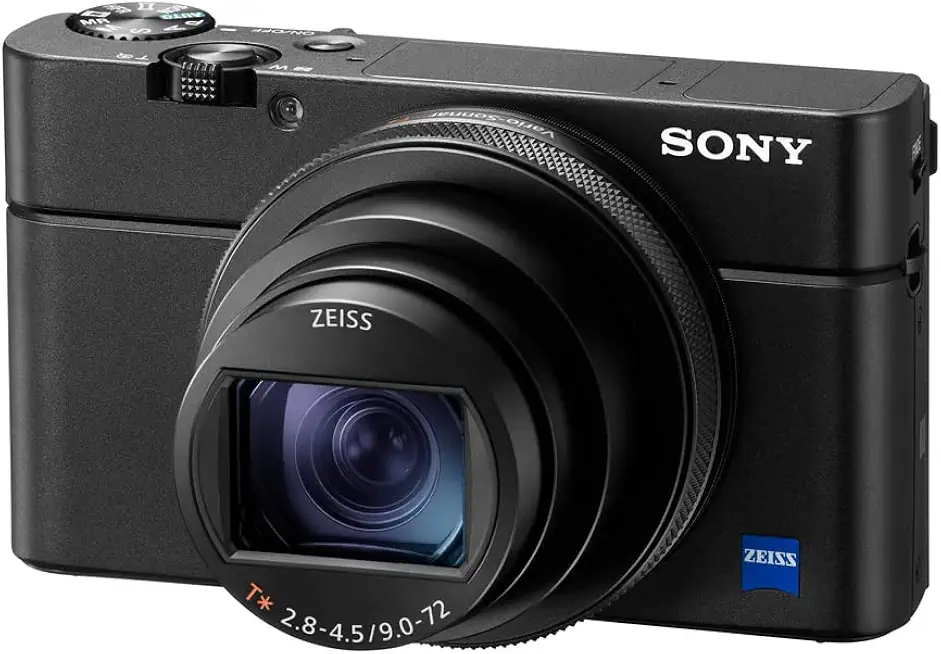
Sony RX100 VII
Pocket-sized powerhouse with 1-inch sensor, versatile zoom, blazing autofocus, and video features for effortless travel and vlogging.
Check PriceThe Sony RX100 VII is the pocketable travel camera I reach for when I want maximum versatility without hauling a bag of lenses. It packs a 1-inch sensor and a flexible 24–200mm zoom into a truly compact body, so you can switch from wide family-group shots to distant details in seconds.
Autofocus is fast and reliable, which matters when kids are constantly moving. The camera records 4K video and handles video work very well, so you won’t need a separate camcorder to capture quality clips of activities and milestones.
It also has a tilting touchscreen that makes framing low or high-angle shots and selfies much easier. For its sensor size the RX100 VII delivers good low-light performance, so indoor scenes and dim evenings are usable — though don’t expect the same results as larger-sensor cameras.
This is a real grab-and-go option for families who want one compact camera for both stills and video without changing lenses. If your priority is pocketability, fast AF for action, and strong video features, it’s a fantastic choice. Be aware, however, that the smaller 1-inch sensor limits ultimate image quality compared with APS-C or full-frame bodies, and battery life can be a concern on long outings.
- Versatile 24–200mm zoom
- Fast, reliable autofocus
- Excellent 4K video capabilities
- Pocketable compact design
- Smaller 1-inch sensor vs APS-C/full-frame
- Battery life can be a concern
3. DJI Pocket 3 Stabilized Video Camera

DJI Osmo Pocket 3
Ultra-compact stabilized camera delivering smooth 3-axis footage, intelligent shooting modes, and effortless handheld vlogging performance.
Check PriceThe DJI Pocket 3 is a compact gimbal camera built for capturing smooth, cinematic family moments with minimal fuss. It uses a small sensor but pairs that with excellent video stabilization and low-light performance, so moving shots of kids, bikes, and holiday parades come out usable straight from the camera.
What makes it a real travel companion is how small and easy it is to handle. The built-in gimbal delivers buttery motion you simply can’t get handheld, and the lossless 2× zoom gives you a little extra reach without sacrificing quality the way digital zoom does.
Controls are straightforward thanks to an easy-to-use touchscreen interface, which shortens the learning curve so parents can focus on the moment instead of fiddling with settings. The camera’s portability means you’ll actually bring it everywhere — pockets, day packs, even quick outings where a larger rig would stay home.
There are trade-offs to accept. Still-image quality is limited compared with dedicated cameras, so if you prioritize high-resolution family portraits or large prints, this isn’t the tool for that job. It’s also not designed for photographers who need interchangeable lenses or more advanced manual controls.
In short, the DJI Pocket 3 is a mostly excellent choice for families who value smooth, high-quality video and ease of use above all else. If your vacation priorities are vlogs, action clips, and stress-free capture of candid moments, it will serve you very well.
- Outstanding video quality and stabilization
- Extremely portable and easy to handle
- Great for smooth family footage
- User-friendly touchscreen interface
- Limited still image quality versus dedicated cameras
- No interchangeable lenses
4. Sony Alpha 7C II Compact Full-Frame
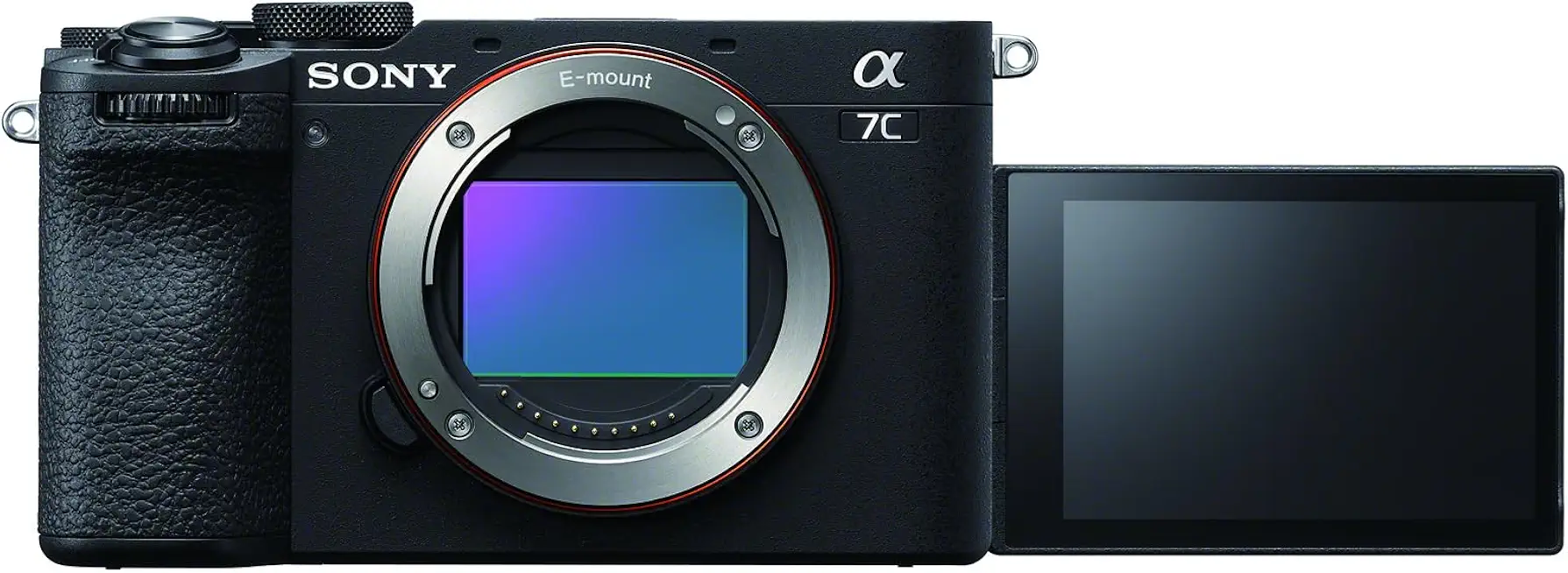
Sony Alpha 7C II
Compact full-frame mirrorless offering high-resolution imaging, in-body stabilization, lightning-fast autofocus, and professional video capabilities.
Check PriceAs a working photographer I often reach for a camera that balances image quality with portability, and the Sony Alpha 7C II nails that balance. It uses a full-frame sensor for superior image quality, which shows up in richer highlights and cleaner low‑light shots.
What makes it stand out on family trips is the compact and lightweight full-frame design. You get the look and depth of full‑frame photos without lugging a heavy body around all day.
The flip-out screen is genuinely useful when you’re shooting vlogs, family selfies, or chasing kids around a playground. It makes framing yourself or a group simple and keeps the camera flexible for both stills and video work.
Autofocus on this body is excellent, so you’ll catch fast-moving subjects more reliably. Pair that with the camera’s strong low‑light performance and you’ll be able to shoot indoor moments and evening scenes without losing too many keepers.
If you’re a serious hobbyist or a photographer who wants full‑frame image and video quality without bulk, this is a camera to consider. It’s designed to deliver pro-level results while remaining easy to carry during long days out with the family.
There are trade-offs to be aware of. It is more expensive than some other options, so it may not fit every vacation budget. Also, battery life could be better, so bring spares for long outings or full-day excursions.
- High-quality images with strong low-light performance
- Compact for a full-frame camera
- Excellent autofocus and video capabilities
- Flip-out screen useful for vlogging
- More expensive than some other options
- Battery life could be better
5. Canon EOS R50 Entry-Level Mirrorless

Canon EOS R50 with RF-S18-45mm IS STM kit
Entry-level mirrorless kit perfect for beginners, combining easy controls, reliable autofocus, and a stabilized versatile wide-to-standard lens.
Check PriceThe Canon EOS R50 is an entry-level mirrorless built around an APS-C sensor in a compact body, and that combination matters for family travel. As a working photographer I appreciate that it balances image quality with a size you’ll actually carry all day.
Its fast autofocus and good low-light performance make it excellent for unpredictable family moments — think kids running on the beach or dim restaurant dinners. You’ll get more keepers out of the camera straight away, which means less time editing and more time enjoying the trip.
One standout is the HDR PQ mode, which gives you creative headroom when scenes have deep shadows and bright highlights. That helps capture scenes like backlit group shots or sunset portraits without losing detail in the highlights.
Because it’s affordable and easy for beginners, the R50 is a sensible first serious camera for families who want to upgrade from a smartphone. Its compact and lightweight body encourages you to keep it with you, so you won’t miss the small, decisive moments that make vacations memorable.
Be realistic about limits: it’s not as feature-rich as higher-end models, and the lack of in-body image stabilization means you’ll want to be mindful of shutter speed in low light. Still, for families starting out who need a reliable, easy-to-use camera that delivers solid photos in real-world conditions, it’s hard to beat the value and practicality.
- Affordable and easy for beginners
- Good autofocus and low-light performance
- Compact and lightweight
- HDR PQ mode adds creative editing options
- Not as feature-rich as higher-end models
- No in-body image stabilization
Choosing Lenses For Family Vacations
Choose lenses with the kinds of moments you want to capture in mind, not just the specs. For family trips that mix candid action, group shots and the occasional portrait, a fast wide-ish prime around 35mm is one of the smartest single choices; it keeps you close to the scene, handles low light, and gives a natural look without feeling cramped.
A 50mm standard prime is the most versatile portrait and lifestyle lens you can carry. It’s great when you can step back a little, lets you isolate subjects with wide apertures, and produces pleasing, true-to-life results for everyday moments.
If you love flattering headshots and want that compressed look, pack an 85–100mm prime. That focal length gives you distance from squirming kids while delivering soft background separation, which is especially useful for evening portraits or when you want a cleaner subject-background separation.
Zooms like a 24–70mm f/2.8 are the all-in-one solution on busy days. They cover environmental wide shots through tighter headshots without lens swaps, which means fewer missed moments and less dust creeping into your camera bag during travel.
Prioritize fast apertures — think f/1.2–f/2.8 — so you can shoot in low light and get that pleasing background blur without raising ISO too much. In real life this means sharper subjects and more usable photos from dim restaurants to twilight beach walks.
If you only want one lens, choose based on your family’s rhythm: a fast 35mm for active, close-up storytelling; a 24–70mm if you value flexibility; or a 50mm if you prefer classic portraits. Keep gear light, avoid frequent lens changes around kids, and consider a weather-sealed option if you’ll be outdoors a lot.
Finally, practice with your chosen focal lengths before you travel so you learn the distances and framing you like. That little bit of prep makes the difference between hurried snaps and photos you’ll actually print and cherish.
Essential Camera Accessories For Family Vacations
Think of accessories as the difference between a good vacation album and a frustrating one. A lightweight camera bag or sling (or a Capture Clip that locks your camera to a backpack strap) keeps your hands free and your gear close. Comfortable straps and hands-free carry make it easier to chase kids and be in the moment.
Bring extra batteries and several memory cards. Fully charged spares are lifesavers on long days and in cold weather—keep batteries warm in an inner pocket to preserve performance. Rotate cards and store used ones separately so a single accident doesn’t wipe out an entire trip.
Carry simple cleaning tools: a compact air blower, a lens pen, and microfiber cloths. Blow off dust before you wipe, and only touch optics with clean cloths to avoid scratches. A quick clean can salvage a shot that would otherwise be ruined by a tiny smudge.
A small travel tripod is worth the space. Use it for golden-hour family portraits, low-light interiors, and steady sunset shots. If you can, opt for carbon fiber for lighter carry and less fatigue, or a compact aluminum model if budget is tight.
Pack a circular polarizer for outdoor scenes. It cuts glare from water and boosts sky contrast, making landscapes and beach shots pop without heavy edits. Screw it on in the morning and you’ll thank yourself on bright, reflective days.
An inexpensive remote shutter release is invaluable for group photos and long exposures. It prevents camera shake and lets you join the family in the picture without juggling timers.
Protective gear matters: lens wraps or padded sleeves keep glass safe in transit, and simple weather covers save shoots in unexpected rain or dust. Finally, tuck a small notebook or voice recorder into your bag to jot locations, ages, or moments you want to remember; those little details make your photos tell the whole story.
What People Ask Most
What is the best camera for family vacation photography?
It depends on your priorities like portability, ease of use, and image quality. Choose a camera you enjoy carrying and using so you capture more moments without fuss.
Which type of camera is best for family vacations: mirrorless, DSLR, or compact?
Mirrorless and compact cameras tend to be lighter and easier to carry, while DSLRs offer robust handling and lens options but can be bulkier. Pick the type that matches how much gear you want to manage and how much control you want over settings.
Is a point-and-shoot camera good for family vacations?
Yes, a point-and-shoot is great for quick, candid moments thanks to its small size and automatic features. It’s ideal when you want simple operation and easy sharing without changing lenses.
Do I need a DSLR or mirrorless camera for family travel photos?
Not necessarily; many family photographers get excellent results with compact cameras or smartphones for everyday use. A DSLR or mirrorless camera can offer more flexibility and image quality if you want more creative control and are willing to carry extra gear.
What features should I look for in a camera for family vacations?
Look for reliable autofocus, good performance in varied lighting, a comfortable size, and easy ways to transfer images for sharing. Long battery life and a secure grip are also helpful for long days out.
What camera is best for taking photos of kids and action shots on vacation?
A camera with fast, reliable autofocus and responsive handling will help you capture moving subjects more consistently. A flexible zoom or lens lineup makes it easier to frame action at different distances.
Which camera is best for low-light or indoor family vacation photos?
Choose a camera that performs well in low light and maintains accurate autofocus in dim conditions. Using a lens with a wide aperture and a steady support like a small tripod can make indoor shots much easier.
Conclusion For Best Family Vacation Camera
These five camera picks give clear, practical options for family vacations — from ultra-portable compacts to versatile zooms, video-first stabilizers, full-frame quality, and budget-friendly APS-C bodies — so you can choose what matters most to your trips.
Next, match a camera to your priorities (size, image quality, video needs, and budget) and pack the essential accessories outlined above to avoid surprises on the road.
If you can, handle a camera in person or borrow one briefly to confirm ergonomics and ease of use before buying.
For more tips on shooting, packing, and getting better results on vacation, take a look through the other articles on our site to expand your skills and confidence behind the lens.
Have a question or want to share your experience? Leave a comment below — we usually reply within a few hours.


0 Comments