
What camera will make a model’s expression leap from your frame and stop a scout mid-scroll? This is the 2026 definitive guide to the five best cameras for modeling, assembled for shooters who demand pictures that sell, not just pixels. Whether you’re a studio pro, an agency photographer, or an ambitious freelancer, the right body changes how you work and ultimately how your images perform.
Too many spec sheets and marketing blurbs mask what truly matters on set. This guide cuts through the noise with clear, real-world comparisons and hands-on observations drawn from studio and location work. You’ll get concise breakdowns of strengths and trade-offs, practical buying considerations, on-set shooting tips, and a plain-English FAQ to speed the decision.
From tight beauty close-ups to full-length editorial and the chaos of runway coverage, different shoots demand different tools and priorities. We focus on the traits that affect your craft: autofocus that locks eyes, color and tonal response that flatter skin, ergonomics that keep you shooting, and durability for long days. No marketing fluff—just tested observations that translate into better images and smoother workflows.
Ready to find the best camera for modeling that matches your shooting style and budget? Read on to discover options that perform under pressure and to learn the simple choices that will elevate your next casting or campaign. Let’s narrow the field and get you shooting with confidence.
1. Canon EOS R5 Mark II

Canon EOS R5 Mark II Body
Next-level full-frame mirrorless with stunning resolution, lightning-fast autofocus, advanced stabilization, and pro video features for demanding creators.
Check PriceThe Canon EOS R5 Mark II is a powerhouse for modeling work thanks to its 45MP stacked CMOS sensor that gives you the resolution to nail fine skin texture and retain ample cropping latitude for editorial and commercial crops. Shooting at up to 30 fps burst makes capturing fleeting expressions and dynamic poses far less stressful—great when you only get a few frames with the perfect look.
Autofocus on the R5 Mark II is impressively accurate and adaptive; it reliably tracks faces and eyes so you spend less time re-focusing and more time directing the model. Eye Control Focus is a genuine workflow advantage once you get used to it, letting you select subjects just by looking at the frame, though it does have a learning curve and won’t behave identically for every shooter.
Handling and build are pro-level: heavy-duty weather sealing and robust construction mean you can confidently shoot studio sessions and outdoor locations. Image stabilization up to 8.5 stops lets you handhold longer at slower shutter speeds for creative shallow-depth looks, and improved heat dissipation enables extended 8K 60fps recording for BTS and video content without the shutdown worries of earlier designs.
In practical terms you’re buying a camera praised for rich color rendition, sharpness, and overall image quality that elevates beauty and fashion work. The main operational caveat is battery compatibility—some third-party LP-E6 batteries won’t play nicely, so factor in genuine spares into your kit budget. Overall, if you prioritize detail, speed, and modern AF tools, the R5 Mark II is a compelling choice.
- Exceptional autofocus for portrait/commercial subjects
- High-resolution sensor for detail and cropping latitude
- Eye Control Focus speeds up focus selection in fast shoots
- Strong image stabilization for handheld portraits
- Eye Control Focus not flawless for every photographer
- Limited third-party battery compatibility increases operational cost
2. Sony A7 IV
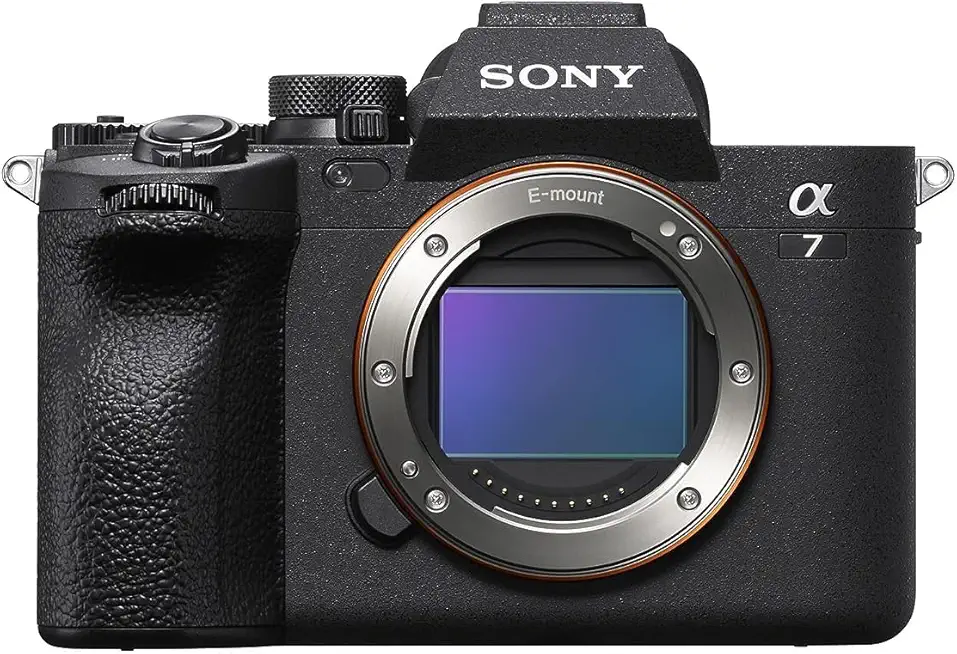
Sony Alpha 7 IV
Versatile high-performance full-frame camera offering exceptional low-light sensitivity, reliable autofocus, 4K video, and intuitive controls for hybrid shooters.
Check PriceThe Sony A7 IV is a versatile full-frame camera centered around a 33MP sensor that delivers excellent detail and a wide dynamic range — ideal for fashion and beauty work where highlight and shadow retention matter. That resolution gives you cropping headroom without sacrificing image quality, which is handy when agencies request tight headshots from larger frames.
Autofocus is a standout: Sony’s fast, precise AF with human and animal Eye AF means you’ll freeze fleeting expressions and subtle eye movements during a session. Photographers who shoot moving models or dynamic poses will appreciate how reliably it locks and tracks subjects.
In-body image stabilization (IBIS) makes handheld shooting much more forgiving, letting you shoot longer at slower shutter speeds and still deliver sharp images. Combined with the camera’s lightweight, compact body, the A7 IV is very practical for location portrait sessions and quick on-the-go jobs.
The Sony E-mount ecosystem is one of the broadest available, giving you creative flexibility with both primes and zooms for different modeling looks. Video capabilities are also strong, so hybrid shooters can comfortably capture BTS clips and motion content alongside stills.
Be aware that some photographers find Sony’s ergonomics less intuitive than competitors, which can affect long shoots if you prefer Canon-style handling. Also, while many users praise its sharpness and color fidelity, others note its color science leans cooler and may need slight grading for warmer skin tones.
- Broad lens selection for creative flexibility
- 33MP full-frame sensor for detail and crop options
- Strong IBIS improves handheld reliability
- Precise, fast autofocus for fleeting expressions
- Ergonomics sometimes lag behind competitors
- Color science not ideal for warmer tones
3. Fujifilm X-T5

Fujifilm X-T5 Body
Retro-styled APS-C mirrorless delivering crisp high-resolution images, color-rich film simulations, snappy handling, and creative control for photographers.
Check PriceThe Fujifilm X-T5 is a compact, tactile camera that punches well above its weight for modeling work. Its 40MP APS-C sensor delivers exceptional detail and color reproduction, which is ideal when you need sharp files and flattering skin tones without resorting to heavy retouching.
Handling is a highlight — the retro-inspired body with manual dials lets you make quick exposure and ISO changes on the fly. That kind of physical control speeds up shoots and helps you stay focused on posing and lighting rather than menu diving.
In-body image stabilization (IBIS) reduces handheld blur, so location shoots and slower shutter speeds become more usable. The versatile tilting screen is useful for low-angle or creative perspectives while keeping your model comfortable and engaged.
Fujifilm’s Film Simulation modes are a real time-saver for creative output; you can deliver pleasing looks straight out of camera and cut down edit time. Autofocus is sufficient for posed work and studio sessions, though it’s not as fast for continuous tracking compared with some full-frame competitors, so plan accordingly.
Battery life is adequate for regular sessions, but bringing a spare battery is a smart habit for full-day shoots. The only real audio-related limitation is the lack of a headphone jack, which is worth noting if you plan to record on-set video and need real-time audio monitoring.
- 40MP APS-C sensor — strong detail and color
- Compact, lightweight body with tactile manual dials
- IBIS reduces handheld blur
- Film Simulation modes speed creative output
- Autofocus slower than some full-frame rivals
- No headphone jack for on-set audio monitoring
4. Panasonic Lumix S5 II

Panasonic LUMIX S5II DC-S5M2 Body
Compact full-frame hybrid optimized for cinematic video and stills, boasting powerful stabilization, fast autofocus, and flexible recording formats.
Check PriceThe Panasonic Lumix S5 II is a solid choice if you need a camera that handles both portrait stills and video without compromise. Its 24MP full-frame sensor delivers pleasing detail and color accuracy that flatters skin tones while keeping file sizes manageable.
One of the standout features for on-location or handheld work is the 5-axis IBIS. That stabilization is consistently praised by users and really cuts down on blur when shooting without a tripod. I rely on it for longer sessions where mobility matters.
Autofocus has been noticeably improved with phase-detect AF, and it tracks subjects well in both studio and outdoor portraits. That reliability means fewer missed shots during dynamic posing and better confidence when directing a model.
The body itself has a clean, minimalist interface and a modern button layout. That streamlined design speeds up workflow during fast-paced shoots, though some photographers who like lots of physical dials might find it sparse.
Overall, the S5 II appeals most to hybrid shooters who want a capable stills camera that doubles as a video tool for BTS content. If you need excellent IBIS, accurate colors, and dependable AF for model tracking, this camera will serve you well. Keep in mind it is slightly heavier than APS-C options, so consider that if you do a lot of travel or long handheld days.
- 24MP full-frame sensor
- 5-axis IBIS for strong stabilization
- Phase-detect autofocus with improved tracking
- Clean, streamlined design for fast workflows
- Heavier than APS-C alternatives
- Minimalist controls can feel sparse
5. Nikon Z6 III

Nikon Z6 III
Robust all-round full-frame mirrorless with impressive image quality, improved buffer and battery life, refined autofocus, and dependable performance for professionals.
Check PriceThe Nikon Z6 III is a very sensible choice for modeling work thanks to its 24.5MP full-frame stacked sensor and fast autofocus. That sensor gives you solid resolution and very responsive performance when you need to nail fleeting expressions or spontaneous moments.
Ergonomics matter on back-to-back shoots, and the Z6 III delivers with a comfortable grip and intuitive layout. I find the handling preserves energy during long sessions and speeds up adjustments between setups.
Dual card slots (SD + CFexpress) are a real practical advantage for commercial work. Having immediate backup and extended continuous shooting capacity gives you peace of mind when every frame counts.
Color rendition is another strong suit — deep color depth and pleasing skin-tone rendering make retouching less heavy. Combined with fast startup and shutter response, you’re less likely to miss the decisive moment when a model shifts expression.
Users also report solid build quality and weather sealing, which means you can comfortably shoot outdoor editorials without worrying about the elements. Battery life is reliable for typical sessions, though I still carry a spare for extended days; note the camera is slightly heavier than some mirrorless peers, so consider that if you handhold all day.
- Comfortable handling for long shoots
- Reliable eye AF and fast autofocus reduce missed shots
- Dual card slots (SD + CFexpress) for backup and extended shoots
- Consistent image quality with flattering color science
- Smaller native lens ecosystem than some competitors
- A bit heavier for all-day handheld comfort for some users
Key Factors When Choosing a Camera
Choosing the right camera for modeling work is less about brand loyalty and more about what your shoots actually demand. Start by thinking about resolution: 24–30MP is a sweet spot for most commercial work — plenty of detail with manageable file sizes — while 40–50MP bodies shine in beauty and editorial where extreme cropping and retouching are needed. Higher megapixels are great, but they mean bigger files, slower workflows, and heavier rigs.
Autofocus is non-negotiable. Reliable Eye AF and subject tracking save sessions when models move or expressions change in a heartbeat. If you shoot a lot of dynamic or runway work, prioritize systems known for fast, accurate tracking; for posed studio sessions, tactile controls and focus precision can matter more than top-end burst rates.
Sensor size affects look and flexibility. Full-frame gives better dynamic range, cleaner high-ISO performance, and richer background separation. APS-C and lightweight bodies, however, are incredibly portable and can be ideal for location shoots or photographers who prioritize travel-friendly gear, especially when paired with sharp portrait primes.
Ergonomics, battery life, and build quality are practical factors that shape a long day on set. A comfortable grip and intuitive layout keep you shooting longer without fatigue, while weather sealing and dual card slots bring safety and peace of mind during paid jobs. Bring spare batteries and fast cards — they are cheaper than losing a shoot.
Video features and stabilization are important if you produce BTS content or lookbooks. In-body stabilization and clean 4K output widen your creative options. Finally, remember lenses matter more than the body; invest in a solid 85mm or 135mm prime and a versatile short tele zoom before splurging on the latest camera. If unsure, rent the body and lens combo for a day to see how it handles your style.
Tips for High-Quality Images
High-quality images start with focus and light. I always make the model’s eyes the sharpest point in the frame—everything else can fall into a pleasing blur if the eyes are tack-sharp. For posed work I use single-point AF or manual focus and for movement I switch to continuous AF; back-button focus makes that transition smooth without re-tuning shutter buttons mid-shoot.
Soft, directional light flatters skin more than harsh mid-day sun. Use a large softbox, window light with a diffuser, or a reflector to lift shadows and keep catchlights alive. If you must work outside, shoot in open shade or during golden hour to avoid blown highlights and unflattering contrast.
Lens choice and aperture shape the look. An 85mm or 135mm prime at around f/1.8–f/4 gives beautiful subject isolation and natural facial proportions; step down if you need more depth of field for group shots. Keep your background simple and place your subject a few meters from it—distance plus a wide aperture creates separation and cleaner images.
Camera settings are practical: keep shutter speed fast enough to freeze motion—1/125s is a starting point for stills, double that for movement—then balance ISO and aperture. Shoot RAW, set a correct white balance or use a gray card, and tether to a laptop in the studio when possible to review detail and adjust quickly.
Interaction with the model is as important as technical choices. Give clear, small directions and build rapport; a confident subject translates into relaxed expressions. Vary poses and angles quickly—headshots, three-quarter, full length, and a few dynamic frames—to offer variety for clients or agencies.
Finally, edit conservatively. Clean up exposure, white balance, and gentle sharpening, but avoid over-smoothing skin or heavy filters. Delivering natural, sharply focused images with flattering light and accurate color will get your work noticed and booked.
What People Ask Most
What camera is best for modeling photography?
There is no single best camera for modeling; the right choice depends on your shooting style and workflow. Prioritize strong autofocus, good sensor performance, comfortable ergonomics, and access to quality portrait lenses.
What features should I look for in a camera for modeling?
Look for reliable eye and face detection, good subject tracking, and a sensor that delivers flattering skin tones and dynamic range. Also consider stabilization, ergonomics, battery life, and lens compatibility for portrait focal lengths.
Is full-frame better for modeling and portrait photography?
Full-frame bodies are often preferred because they offer better control over depth of field and strong image quality in many lighting situations. Smaller sensors can still produce excellent portraits and may be more portable and affordable.
Mirrorless or DSLR: which is better for modeling shoots?
Mirrorless systems are popular for their fast live-view autofocus and compact size, but DSLRs remain capable and may suit photographers who prefer an optical viewfinder. Choose the system that offers the lenses and handling you need for your shoots.
What camera do professional fashion photographers use for modeling?
Professional fashion photographers pick cameras that match their workflow, prioritizing resolution, autofocus reliability, lens selection, and build quality. High-end shoots often favor systems that deliver consistent image quality and efficient handling on set.
Which cameras have the best autofocus for capturing models?
The best autofocus comes from bodies with proven eye and face detection and smooth subject tracking in real-world conditions. Test systems in situations that match your typical shoots to ensure the autofocus performs reliably.
What camera settings are best for modeling and portrait sessions?
For portrait sessions, focus on keeping the model’s eyes sharp and using a shallow depth of field to separate them from the background. Use stable shutter speeds and clean exposure settings, and communicate with your subject to capture natural expressions.
Conclusion for the Best Camera for Modeling
You now have a concise overview of five standout cameras for modeling in 2026, paired with practical pros and cons, buying factors, and on-set tips to help you choose confidently.
Use this guide to weigh resolution, autofocus, sensor size, ergonomics and video needs against your workflow, then try bodies in hand and factor in lenses and support gear before committing.
Put the shooting advice into practice—prioritize sharp focus on the eyes, flattering light, varied poses, and natural retouching—to maximize the results from whichever camera you pick.
If you want to sharpen your skills further, read more articles on the site for deeper technique, workflow ideas, and inspiration tailored to modeling and portrait work.
Have a question or a camera experience to share? Leave a comment below and we usually reply within a few hours.


0 Comments