
What if the ideal camera for learning photography fits in your pocket and inspires you to shoot more every day, without overwhelming you with menus and gear? Can a compact tool deliver better image quality and creative control than your phone while staying simple enough to master?
This guide compares five compact cameras built for beginners, each chosen to represent different balances of portability, performance, and user-friendliness. Models covered include the Fujifilm X100VI, Canon EOS R50, Sony RX100 VII, Ricoh GR III, and Nikon Z fc — a mix of pocketable primes, versatile zooms, and approachable mirrorless designs.
You’ll find magazine-style evaluations that focus on the features that matter most to newcomers: handling, image quality, autofocus behavior, battery life, and how quickly you can learn the controls. We distill real-user pros and cons, practical buying tips, and hands-on beginner advice so you can judge which trade-offs suit your shooting habits and budget.
Whether you want a discreet street camera, a travel companion that covers many situations, or an inviting first mirrorless system, this guide makes the choices clearer and less intimidating. By the end you’ll know which compact camera is most likely to become a daily companion and a tool you enjoy learning with.
1. Fujifilm X100VI Overview

Fujifilm X100VI
Compact premium camera with large APS-C sensor, sharp fixed wide-angle lens, hybrid viewfinder and timeless retro styling for effortless street and travel photography
Check PriceThe Fujifilm X100VI feels like a pocket professional — it pairs a high-resolution 40MP APS-C sensor with in-body image stabilization (IBIS), giving you crisp, low-noise files and the flexibility to shoot handheld in lower light. That resolution also means you can crop aggressively without losing detail, which is a real advantage for travel and street shooters who want versatility without changing lenses.
Optically it’s built around a fixed 23mm f/2 lens and a hybrid optical/electronic viewfinder that makes composing fast and enjoyable. The fixed focal length enforces a shooting style that teaches you to move and think creatively, and users consistently praise the camera for its sharpness and excellent film-simulation modes.
Autofocus is strong, with reliable subject-tracking, and the X100VI also punches above its class for video with 6.2K 10-bit recording — useful if you lean into mixed photo/video workflows. Portability is a highlight: Fujifilm has essentially delivered a premium pocket-sized tool that still feels like a serious camera in hand.
There are practical limits to accept: the fixed 23mm focal length reduces framing flexibility compared to zooms, and you’ll need a weather-sealing adapter for full protection in harsh conditions. Also note the single UHS-I SD card slot, which matters if you prefer redundancy during long shoots or travel assignments.
- Exceptional 40MP image quality
- Effective IBIS for low-light handheld shots
- Hybrid optical/electronic viewfinder
- Strong subject-tracking AF and 6.2K 10-bit video
- Fixed 23mm focal length limits versatility
- No built-in weather sealing without adapter
2. Canon EOS R50 Overview

Canon EOS R50 with RF-S18-45mm IS STM lens
Lightweight mirrorless offering high-resolution APS-C imaging, smooth autofocus, and a versatile wide-to-standard zoom, ideal for budding photographers and vloggers
Check PriceIf you’re starting out and want a mirrorless camera that’s quick to learn, the Canon EOS R50 is an excellent choice. It combines approachable features with competent imaging tools so you can grow without feeling overwhelmed.
The 24MP APS-C sensor delivers detailed images and the camera earns praise for its image quality and warm Canon color science. That sensor size strikes a nice balance between low-light performance and portability for everyday shooting.
Handling is friendly: an electronic viewfinder and a fully articulating touchscreen make composing in bright light and shooting at odd angles straightforward. Canon’s beginner-focused guided menus explain camera modes, so you can learn as you shoot.
Autofocus is a strong suit here — Canon autofocus provides reliable subject detection for people, animals, and vehicles, which is incredibly useful when you’re shooting family moments or pets. The tracking is reassuringly steady for most casual and travel scenarios.
For video, the EOS R50 supports 4K video (up to 30fps), which is great for social clips and family vlogs. Be aware the 4K mode carries a heavy crop and lacks 10-bit options, so it’s not ideal if you need advanced color grading or ultra-wide coverage.
Two practical downsides: the battery life is relatively small, so bring a spare for longer outings; and the cropped 4K limits flexibility for videographers wanting the widest field of view or higher bit-depth. Overall, it’s a compact, easy-to-use camera that beginners will enjoy and learn from quickly.
- 24MP APS-C sensor
- Guided menus make learning simple
- Reliable subject-detect autofocus
- Electronic viewfinder + fully articulating touchscreen
- Relatively small battery life
- 4K video has heavy crop and lacks 10-bit
3. Sony RX100 VII Overview
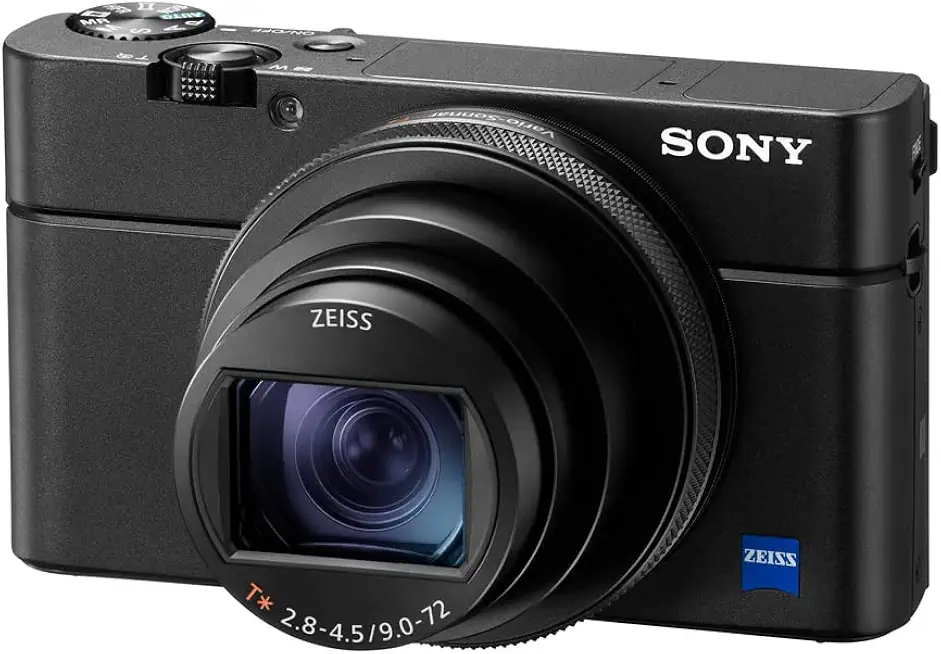
Sony RX100 VII
Pocketable premium compact with large 1-inch sensor, extensive telezoom, lightning-fast autofocus and advanced video features for on-the-go creators
Check PriceThe Sony RX100 VII is a compact powerhouse built around a 20MP 1-inch sensor that delivers noticeably better image quality than a smartphone. Its image quality and 4K video are particularly strong when you shoot in good light, giving clean files and usable footage for travel and everyday work.
What really sets this camera apart is the 24–200mm f/2.8–4.5 zoom crammed into an ultra-compact body. That zoom range gives you real flexibility — wide streetscapes at 24mm and tight portraits or distant subjects at 200mm — without changing lenses or carrying extra gear.
Autofocus is fast and reliable, so you can grab decisive moments on the go. That responsiveness makes the RX100 VII a go-to for spontaneous shooting, street work, and travel where you don’t want to miss the shot.
There are tradeoffs to be honest about. The 1-inch sensor is smaller than APS-C, so low-light performance and shallow depth-of-field control are limited compared with larger-sensor cameras. Also, while pocketable, it’s not quite as convenient as a phone in jeans pockets, and the price and feature set can feel intimidating to absolute beginners.
In short, if you want a single-camera solution that outclasses a phone, offers real zoom flexibility, excellent autofocus, and 4K video in a small package, the RX100 VII is a very strong choice. If you frequently shoot in very low light or crave cinematic background blur, you might want to weigh those limitations first.
- 20MP 1-inch sensor
- 24–200mm f/2.8–4.5 zoom
- Fast autofocus and 4K video
- Ultra-compact yet versatile
- Limited low-light performance
- Price and complexity for beginners
4. Ricoh GR III Overview
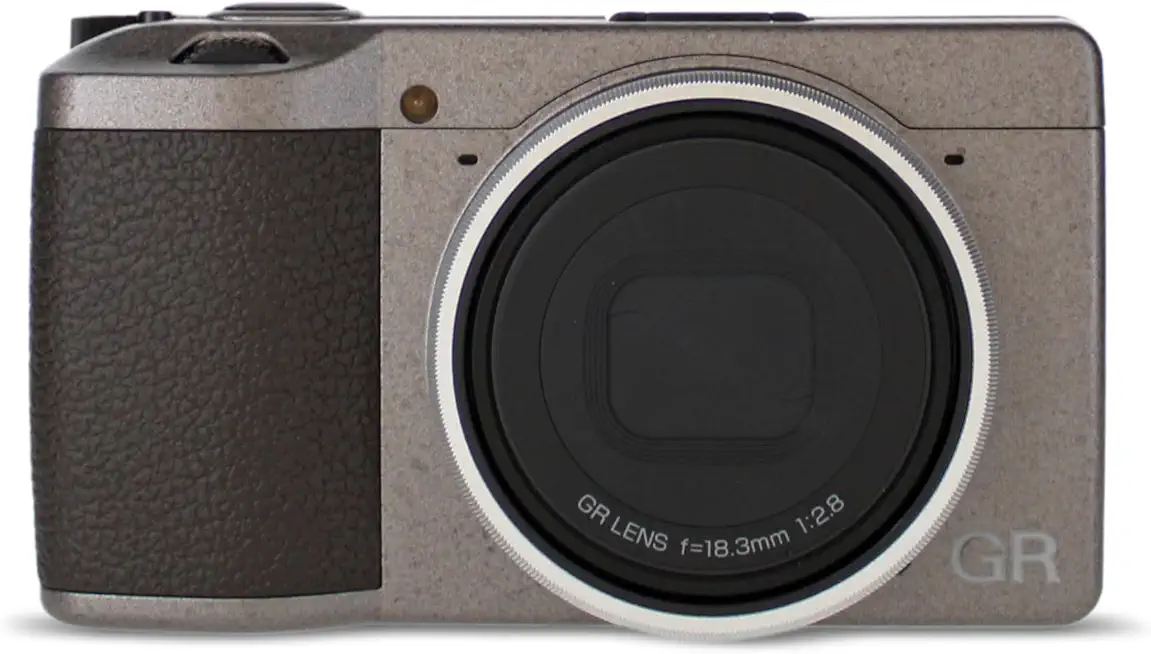
Ricoh GR III Diary Edition
Ultra-compact street camera with large APS-C sensor, sharp 28mm-equivalent lens, tactile controls and a collectible premium-finish body for everyday shooters
Check PriceThe Ricoh GR III pairs a 24MP APS-C sensor with a fixed 28mm f/2.8 lens, and the lens retracts when off for protection. Its ultra-compact, truly pocket-sized design makes it ideal for street, travel, and everyday photography. You can literally carry it everywhere without feeling weighed down.
Image quality is the GR III’s strong suit: outstanding results with minimal noise and very strong out-of-camera JPEGs. Users praise its discreetness, fast startup, and ease of pocket carry, which means you’ll be ready for fleeting moments and candid shots. As a working photographer, that ready-to-shoot behavior is invaluable for capturing life as it happens.
There are trade-offs to accept. The fixed 28mm focal length limits versatility, so you’ll need to think with your feet and move to frame tighter or wider. The f/2.8 aperture also yields less pronounced bokeh than some rivals, so subject separation in portraits won’t be as dramatic.
Also note the lack of weather sealing, which means extra care in bad conditions or adding protective gear if you shoot outdoors often. Overall, the GR III is mostly a great choice for beginners who want top-tier APS-C image quality in a pocketable body and who favor street and travel work over zoom flexibility or heavy background blur.
- Pocketable and discreet
- Superior APS-C image quality (24MP)
- Excellent out-of-camera JPEGs
- Lens retracts when off for protection
- Fixed 28mm focal length restricts framing
- No weather sealing
5. Nikon Z fc Overview

Nikon Z fc
Retro-inspired mirrorless melding classic analog dials with modern APS-C performance, lightweight handling and creative color profiles for expressive photography
Check PriceThe Nikon Z fc feels like a camera designed to make you want to shoot more — its retro styling is paired with a very usable 20.9MP APS-C sensor that delivers solid image quality and pleasing dynamic range. As a working photographer I appreciate that the images hold detail in shadows and highlights, giving you room to edit without fuss.
Handling is a highlight: the comfortable grip and vari-angle touchscreen make shooting at odd angles and vlogging-friendly compositions effortless. The intuitive interface is beginner-friendly but still gives easy access to manual controls when you want to learn and grow.
Autofocus is fast thanks to a hybrid AF system, so for portraits, street work, and everyday shooting you’ll get responsive performance. It’s also compatible with Z-mount lenses, including beginner-friendly options, which means you can expand your kit as your skills develop.
Video-wise the Z fc supports 4K, so you can capture clean footage for social posts or practice filmmaking without needing a separate camera. Users often praise the camera’s aesthetic appeal and overall handling, which makes it a joy to carry and use on long walks or travel days.
Be aware of two real-world tradeoffs: autofocus tracking isn’t as strong as some rivals for very fast action, and battery life is only moderate, so pack a spare for longer outings. Overall, it’s a highly attractive, well-rounded option that leans beginner-friendly while offering room to grow.
- Retro styling
- 20.9MP APS-C sensor with good dynamic range
- Vari-angle touchscreen and comfortable grip
- 4K video support and fast hybrid autofocus
- Autofocus tracking not as strong as some rivals
- Moderate battery life
How to Choose a Compact Camera
Choosing a compact camera starts with the sensor. Bigger sensors—APS-C or Micro Four Thirds—give you cleaner files in low light and more control over background blur, but they usually mean a slightly larger body. For many beginners a 1‑inch sensor is a sweet spot: noticeably better than a phone, still pocketable, and forgiving when you’re learning.
Next, think about the lens. A prime lens keeps things simple and often produces sharper images with brighter apertures for low‑light shooting and pleasing bokeh. A zoom buys versatility for travel and family events so you won’t miss moments; pick one with a useful range rather than chasing extreme specs.
Viewfinder and screen affect how you shoot. An electronic viewfinder helps with steady framing and seeing exposure in bright sun, while touch and articulating screens speed up menus and creative angles. If you like street or travel work, a discreet camera that wakes fast and offers a clear finder will keep you shooting more.
Handling matters more than specs. Hold a camera and check if the controls feel natural—dedicated dials and easy access to aperture, shutter and ISO make learning faster. Prioritize models that offer manual controls so you can grow, plus features like image stabilization and reliable face/eye tracking to catch moving subjects.
Finally, consider extras you’ll actually use: Wi‑Fi/Bluetooth for quick sharing, battery life for long outings, and 4K if video is important. Don’t be dazzled by megapixel numbers; aim for balanced noise performance, autofocus speed, and a body you’ll enjoy carrying.
Above all, pick the camera you’ll take everywhere. “The best travel camera is the one you’ll actually carry and enjoy using,” so choose a compact that fits your hands and your daily life—and then get out and shoot.
Beginner Tips for Compact Cameras
If you’re new to compact cameras, the best starting point is simple: choose a camera you’ll actually carry. Pocketability beats specs when it comes to practice. If a camera fits your routine, you’ll shoot more, learn faster, and start seeing improvement within weeks.
Begin with aperture-priority mode. It lets you control depth of field while the camera picks a safe shutter speed. Keep ISO as low as possible for cleaner files, and bump it only when you need a faster shutter for moving subjects.
Stabilization is your friend. Use in-body or lens stabilization when available, but don’t rely on it completely—brace the camera on a rail, wall, or your knee for critical shots. For action, aim for a shutter speed that’s at least as fast as your subject’s movement to avoid blur.
Composition wins more photos than fancy gear. Use the rule of thirds, leading lines, and negative space to tell a story. Move closer, change your angle, and try low or high viewpoints—small shifts make big differences with a compact camera’s framing.
Shoot RAW when you can. RAW preserves detail and gives you room to correct exposure and white balance later. If you’re not ready to edit, learn your camera’s JPEG styles or film simulations to get pleasing straight-out-of-camera results.
Understand focal-length tradeoffs. Primes force you to think with your feet and reward you with sharpness and wider apertures. Zooms offer flexibility on trips. For street work, learn zone or hyperfocal focusing to catch quick moments without hunting for focus.
Finally, practice deliberately. Review images on a larger screen, back them up, and use Wi‑Fi or a card reader for quick transfers. Join a local group or an online forum to get feedback—that’s the fastest way to turn everyday snaps into confident photographs.
What People Ask Most
What is the best compact digital camera for beginners?
There is no single best camera; the right choice depends on whether you prioritize portability, image quality, or simplicity. Choose a model that feels comfortable to use and offers an easy learning curve with room to grow.
Are compact digital cameras good for beginners?
Yes, compact cameras are a great way to learn because they often balance easy handling with better image control than a phone. Their portability encourages frequent practice and experimentation.
What features should a beginner look for in a compact digital camera?
Look for intuitive controls, a comfortable grip, and useful features like image stabilization, reliable autofocus, and a clear screen or viewfinder. Connectivity and good battery life are convenient extras for everyday use.
How many megapixels do you need in a compact camera for beginners?
Megapixel count is less important than sensor size, lens quality, and low-light performance. For beginners, a moderate megapixel level is typically sufficient; prioritize overall image quality and handling instead.
Do compact digital cameras have manual controls for beginners?
Many compact cameras offer a range of automatic and manual modes so you can learn at your own pace. Guided menus or scene modes make it easier to understand exposure settings before moving to full manual control.
Which compact cameras are best for travel and beginners?
Travel-friendly choices are small, lightweight cameras with quick startup, good stabilization, and versatile framing options. Discreet pocketable designs that are easy to carry will make you more likely to use the camera regularly.
Can compact digital cameras record high-quality video for beginners?
Yes, many compact cameras can record very usable video with steady autofocus and stabilization, suitable for learning and casual projects. Look for models with simple video controls and reliable performance in common shooting situations.
Conclusion for Best Compact Cameras for Beginners
These five compact cameras each prioritize different needs—portability, flexibility, or beginner-friendly controls—so the best choice depends on whether you value ultimate image quality, zoom versatility, or simple, guided usability.
As you decide, weigh the common tradeoffs described here: fixed-lens convenience versus framing flexibility, sensor size and low-light performance versus pocketability, and battery life versus features.
Use this comparison as a starting point to match a camera to your shooting habits and learning goals, then practice the basics and experiment to see what feels right in your hands.
If you want to keep improving your skills, read more articles on the site to learn practical tips, settings guidance, and real-world comparisons tailored to beginners.
Please leave a comment with your questions or experiences—we usually reply within a few hours and are happy to help you narrow the choice.



0 Comments