
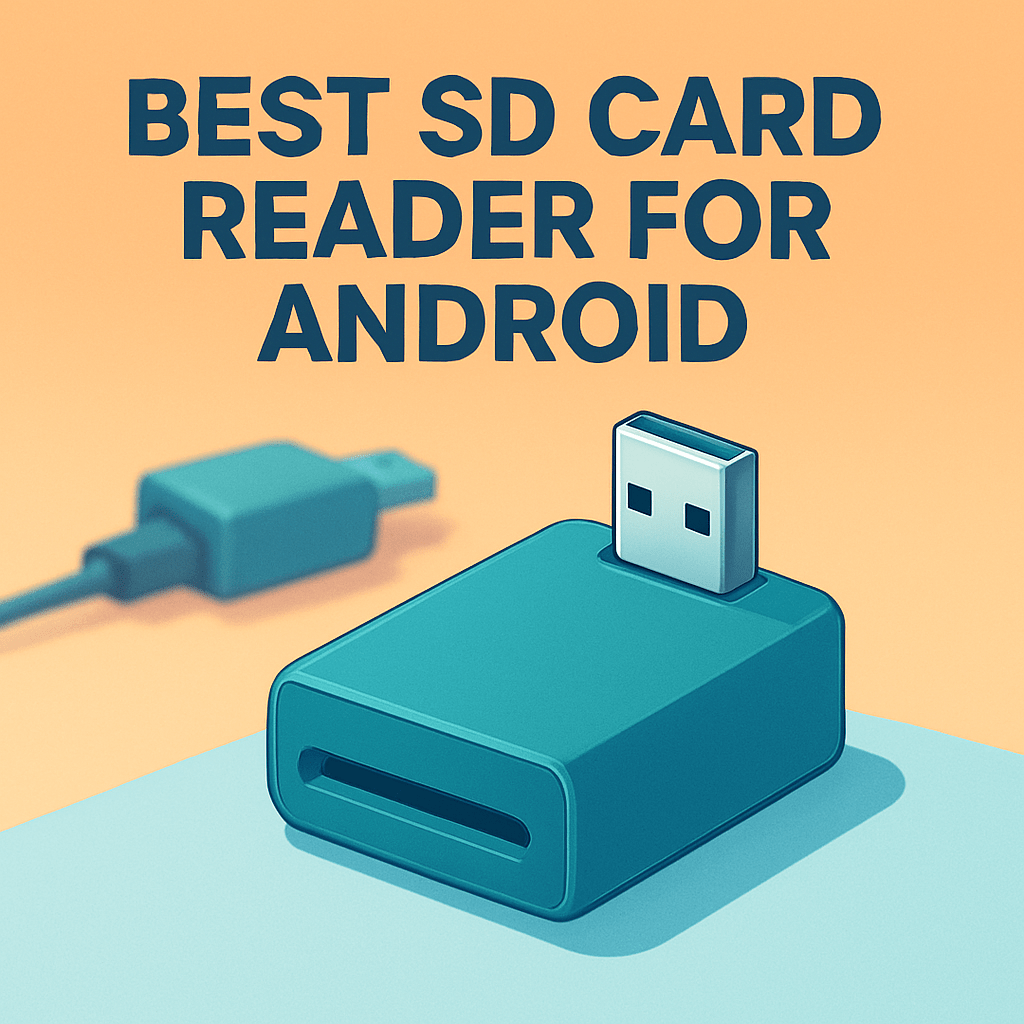
Ever stood at the airport with a camera full of photos and a phone that won’t accept your SD card?
This roundup tests five SD card readers proven to work with Android phones via native USB‑C or USB‑A plus OTG adapters.
We cover multi‑format pro readers, compact budget options, USB‑C dual‑slot models, rugged UHS‑II units, and a multi‑device 5‑in‑1 adapter.
Expect tradeoffs between speed, durability, and pocketable convenience.
If you shoot RAW or 4K video, transfer speed can make or break your workflow.
If you mostly copy phone photos, a compact, affordable reader is often smarter than a pro unit.
We prioritized real‑world Android compatibility in our selection.
That includes plug‑and‑play reliability, OTG stability, and correct connector fit for the latest phones.
Skip confusing spec sheets and marketing claims.
Read on for five practical picks that make moving photos and video to your Android fast, simple, and dependable.
We’ll also help you match a reader to your phone’s port, OTG support, and the types of cards you use most.
Small choices like connector type and file system support can avoid headaches later.
Whether you want blistering UHS‑II speeds, a pocketable commuter reader, or a travel adapter that works with phones and laptops, we’ve tested options that fit.
Let’s get into the picks and show which reader best fits your Android workflow.
1. ImageMate Pro SD Card Reader

SanDisk ImageMate PRO USB-C Reader SDDR-A631-GNGNN
High-speed USB-C transfer solution delivering fast photo and video offloads, plug-and-play convenience, and durable build for photographers on the go.
Check PriceAs a working photographer, the ImageMate Pro SD Card Reader immediately stands out because it handles SD, microSD, CFexpress Type A/B, and CompactFlash — basically the broadest card coverage you’ll find in a single reader. That means one device can ingest cards from mirrorless bodies, DSLRs, high-end cinema cameras, drones, and even CFexpress-equipped systems without juggling adapters.
It supports UHS‑II SD cards, so transfers of large RAW and video files are noticeably faster than UHS‑I readers when paired with compatible cards. In the field I’ve found it delivers fast, reliable transfers and consistent connectivity with minimal dropouts or recognition issues — exactly what you need when deadlines loom or when backing up multiple cards between shoots.
The unit is built to a professional standard: durable and rugged, but larger and heavier than ultra‑portable readers. That robust construction means it tolerates the rigors of travel and on-location work better than flimsy plastic readers, though you’ll sacrifice a bit of pocketability. Note it has no built-in cable — you must bring a separate USB‑C or USB‑A cable, which adds a small convenience trade-off on the go.
If your workflow includes mixed-card formats and you need consistent high-speed performance, the ImageMate Pro is an excellent choice. If you’re a casual shooter who values absolute portability or hates carrying extra cables, this reader might feel bulky and a touch less convenient. For professionals managing pro card types, it’s mostly a keeper.
- Handles almost all common card formats
- Fast, reliable transfers (with UHS‑II cards)
- Durable, professional-grade build
- Consistent connectivity; minimal dropouts
- Bulkier than ultra-portable readers
- Requires separate USB‑C or USB‑A cable
2. Anker USB 3.0 Card Reader

Anker 8-in-1 USB 3.0 Card Reader (SD/SDHC/SDXC/MicroSD/MMC/UHS-I)
Versatile multi-slot hub enabling simultaneous memory card access, rapid USB 3.0 transfers, and broad format compatibility for creative workflows.
Check PriceAs a working photographer who travels light, the Anker USB 3.0 Card Reader is the kind of tool I keep in my kit for quick on-the-go transfers. It supports SD and microSD cards and handles UHS‑I cards, so it’s perfectly suited for everyday JPEG and modest RAW workloads.
Weighing just 16 g and extremely compact, it hardly takes up any pocket space and is easy to tuck into a camera bag or travel pouch. The reader has no attached cable and plugs directly into a USB‑A port, which keeps things simple and eliminates a cable to lose.
Performance is USB 3.0, which translates to fast everyday transfers but not UHS‑II speeds — so if you regularly move large batches of 4K video or very high-frame-rate RAW, you’ll notice the difference. For students, travelers, and casual shooters this tradeoff is worth the convenience and low cost.
On Android phones you’ll get plug-and-play reliability via OTG, though you may need a small OTG adapter if your phone uses USB‑C. Setup is straightforward: insert the card, connect the reader, and Android usually recognizes it immediately for quick copying or browsing.
In short, the Anker reader is a smart budget choice when you need a tiny, reliable card reader for SD and microSD cards. It’s not a pro-level, multi-format UHS‑II solution, but for streamlined, everyday use it hits the right sweet spot.
- Super-compact, pocketable (16 g)
- Plug-and-play reliability with Android OTG
- Affordable and simple to use
- Direct USB‑A connection — no cable to lose
- No UHS‑II support (slower for very large file batches)
- Limited to SD/microSD formats
3. Insignia USB-C Dual-Slot Card Reader

acer Dual-Slot USB-C (USB 3.0) SD/MicroSD Card Reader (SDHC/SDXC)
Slim dual-slot adapter offers fast USB-C transfers, plug-and-play SD and microSD support, perfect for quick backups and content creation.
Check PriceAs a working photographer, I appreciate the Insignia USB-C dual-slot reader for its no-nonsense practicality. It has native USB‑C and dual slots for SD and microSD, so you can pull photos from a mirrorless camera and an action cam without swapping adapters.
Transfers are quick and reliable with typical camera, drone, and game‑cam cards. The reader’s compact design and short braided cable keep it pocketable and tidy in a kit bag.
The small LED activity indicator is genuinely useful in the field. It gives instant confirmation the phone and card are talking, which saves time when you’re juggling batteries and memory cards between shoots.
One tradeoff is the very short cable (≈1.67 inches), which can be restrictive if your phone sits in a thick case or a gimbal mount. Also note this unit supports only SD and microSD formats, so it won’t replace a multi‑format pro reader for CompactFlash or CFexpress workflows.
Overall, if you shoot with modern USB‑C Android phones and rely on SD/microSD cards from cameras, drones, or action cams, this Insignia reader is a compact, reliable, everyday tool. It’s especially handy for content creators who need quick, plug‑and‑play transfers without carrying adapters.
- Dual slots for SD + microSD
- Native USB‑C — no adapter required
- Quick, reliable transfers from cameras/drones/game cams
- LED activity indicator for troubleshooting
- Very short cable (≈1.67 inches)
- Supports only SD/microSD (no CFexpress/CompactFlash)
4. Llano 2-in-1 High-Speed SD Card Reader

llano F13 Dual-Slot USB-C 3.2 Gen1 SD/MicroSD Card Reader (UHS-I)
UHS-I capable dual-slot accessory delivering reliable Gen1 USB-C speeds, compact portability, and effortless transfers between cameras and laptops.
Check PriceWhen I’m shooting events or out in the field, transfer speed and reliability matter more than pocket weight. The Llano 2-in-1 High-Speed SD Card Reader delivers on that front with UHS‑II performance for both SD and microSD cards, so moving large RAW files or 4K video is noticeably faster than with basic readers. It feels built for real work rather than casual use.
Physically it’s pocketable but sturdier and a touch heavier than ultra-compact dongles. That rugged construction gives me confidence when I’m working in rain, dust, or crowded venues where gear gets bumped. The Llano also includes built-in card storage, which keeps spare cards organized and reduces the chance of losing them between sets.
Setup is effortless on Android. The reader is plug-and-play via USB OTG and there have been no driver problems reported, so you can swap cards and offload images quickly without fiddling with adapters or software. For workflow efficiency at weddings, sports, or outdoor shoots this is a real time-saver.
Who should buy it? If you’re an outdoor or event professional who needs speed, durability, and simple card organization, the Llano is a solid choice. If you prioritize the absolute smallest, lightest reader or are on a strict budget, the extra weight and price premium are the trade-offs to consider.
- Fast UHS‑II transfers for large RAW/4K files
- Rugged construction for field use
- Integrated card storage to keep spares organized
- Instant plug-and-play operation with Android
- Larger/heavier than ultra-compact readers
- Price premium (more expensive than basic readers)
5. 5-in-1 USB OTG SD Reader

5-in-1 USB OTG Card Reader (USB-C & USB-A) SD/MicroSD (SDHC/SDXC/MMC)
Universal OTG adapter with USB-C and USB-A connections for on-the-go smartphone and tablet transfers, supporting multiple card formats.
Check PriceAs a working photographer who hops between phones, tablets, and laptops, I appreciate a single adapter that just works. The 5-in-1 USB OTG adapter gives that convenience: it reads SD, microSD, SDHC, SDXC and MMC cards and plugs into USB‑C, USB‑A, iPhone, iPad and Android devices (via OTG).
It’s plug‑and‑play, so you can grab a card from your camera and be browsing files on an Android phone in seconds. It also supports simultaneous charging while transferring data, which is a real boon on long shoots or when using power-hungry phones.
For travel and multi-device workflows this adapter shines. I carry it in my kit when I need to move images between a phone, iPad and a laptop without juggling multiple readers or cables. Its compact form makes it easy to slip into a camera bag or pocket.
That said, don’t expect pro-level UHS‑II speeds. The outline doesn’t list UHS‑II support and speed isn’t specified, so assume it’s aimed at convenience over blazing transfer rates. For large batches of RAW or 4K video you’ll get workable transfers but not the fastest throughput.
The build appears to be plastic, which keeps weight and cost down but won’t take the same abuse as metal‑cased rugged readers. If you’re rough on gear, consider how much wear the adapter will see in your use.
Overall, this is a great travel and multi-device tool for photographers who prioritize compatibility and convenience over extreme speed or heavy-duty durability. It’s mostly ideal for mobile workflows and quick offloads.
- Supports SD/microSD/SDHC/SDXC/MMC
- Multiple ports (SD, microSD, USB‑A) in one compact device
- Simultaneous charging while transferring data
- Wide device compatibility (USB‑C, USB‑A, iPhone/iPad, Android via OTG)
- Speed not specified — likely no UHS‑II
- Plastic build less durable
Android Device Compatibility
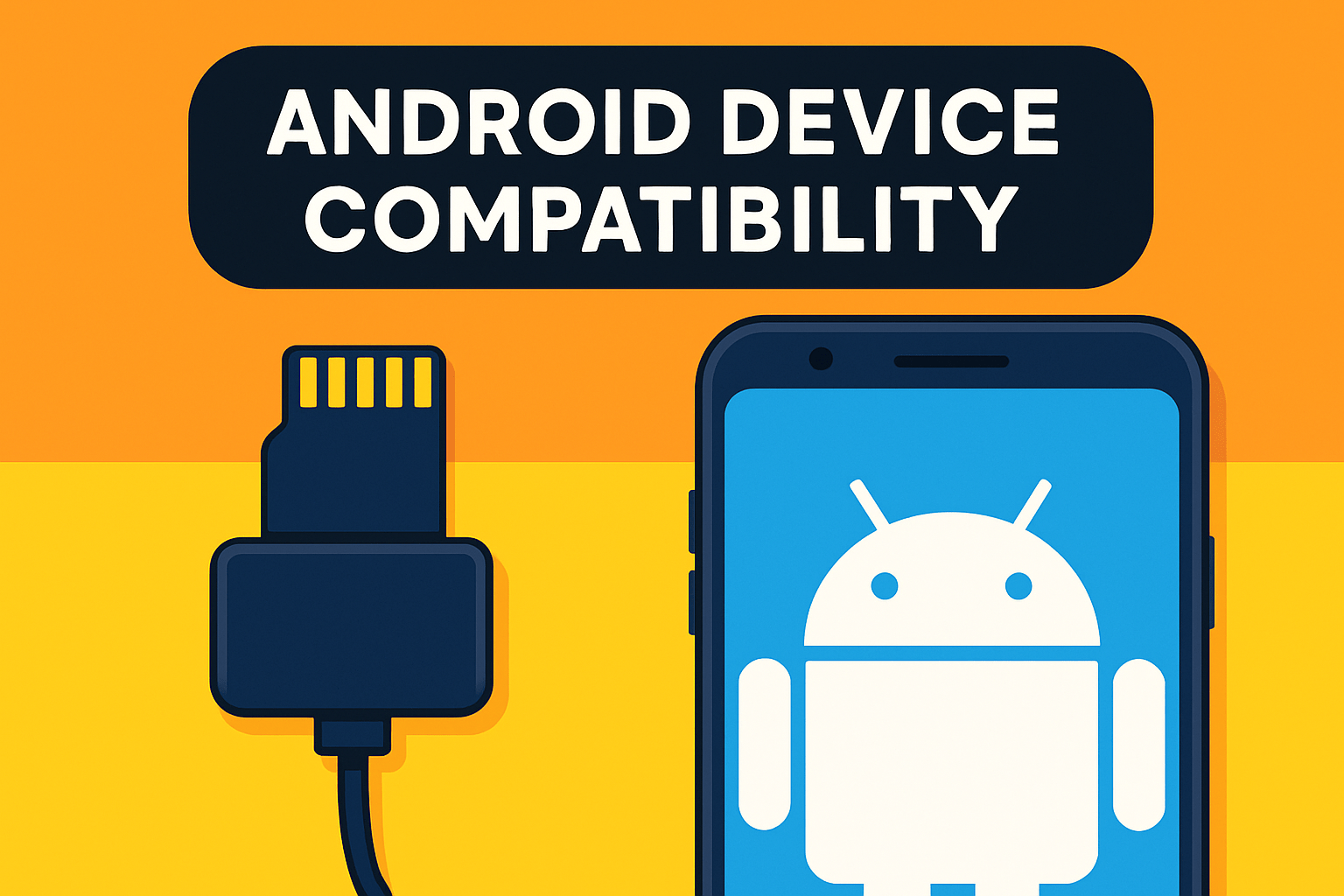
As a working photographer, the first thing I check is the physical connector. Match the reader to your phone’s port — USB‑C readers plug straight in and are more reliable than using adapters. Adapters can introduce connection dropouts and slower transfer speeds, so only reach for them when you have to.
Next, make sure your phone supports USB OTG. Without OTG the device won’t act as a host and the reader won’t be recognized. Most modern Android phones do, but double‑check in the specs or run a quick OTG test app before you leave the studio.
Android version matters too. Most readers work fine on recent Android releases, but older phones can hit driver or compatibility quirks. If your device runs something like Android 6.0 or newer you’re usually safe, but always skim user reviews for the exact reader model when in doubt.
File systems are another practical point. Android commonly reads FAT32 and exFAT without fuss. NTFS can be hit or miss and may need extra apps or reformatting on a computer. If you plan to swap large 4K video files, use exFAT to avoid fragmentation and capacity limits.
Confirm card types and capacities before buying. Ensure your reader explicitly supports microSD/microSDHC/microSDXC and the maximum card size you intend to use. For big RAW or 4K workloads, choose readers and cards with UHS‑I or UHS‑II speeds to cut transfer time.
In the field I always insert the card into the reader first, plug it into the phone, then use a file manager to move files. Eject safely from the notification shade to avoid corruption. And finally, prefer native USB‑C readers for day‑to‑day reliability unless you really need multi‑device adapters for travel.
Using an SD Card Reader on Android
Before you plug anything in, do a quick check: confirm your phone supports USB OTG and match the reader’s connector to your device. As a photographer I always carry a native USB‑C reader when shooting on modern Android phones — adapters work, but they can introduce instability and slower transfers.
Insert the card into the reader first, then connect the reader to your phone. Android will usually detect FAT32 or exFAT cards automatically and show a notification; if it doesn’t, open Files by Google or your preferred file manager to browse the media. Copy important RAW or video files to the phone or a cloud backup rather than editing directly off the card to reduce the risk of accidental corruption.
If your phone doesn’t see the card, check OTG with a simple test app and try another cable or port. Reformatting is sometimes necessary, but do this only after backing up — exFAT is the safest choice for large cards. Note that NTFS is often unsupported and some phones (Samsung, for example) can encrypt SD cards, which complicates cross‑device access.
Speed matters in the field. For big RAW or 4K video batches use a USB 3.0+ reader and UHS‑I/II‑rated cards; you’ll cut transfer time significantly. If you rely on a multiport adapter that allows charging while transferring, consider it for long shoots so your phone doesn’t die mid‑backup.
Always eject the reader from the notification shade before unplugging. I’ve learned the hard way that a hurried pull can corrupt a card. Keep contacts clean, keep spare readers or a short cable in your kit, and label cards so you don’t overwrite the wrong shoot when you’re tired.
These small habits — matching connectors, checking OTG, using compatible filesystems, choosing the right speed class, and safely ejecting — will save you time and prevent heartache when moving images from camera to phone in the field.
What People Ask Most
What is the best SD card reader for Android phones?
Pick a reader that matches your workflow and device connector, such as a multi-format pro reader for mixed cards or a compact USB‑C reader for everyday use. Consider durability and whether you need UHS‑II or native USB‑C support.
How do I connect an SD card reader to my Android device?
Confirm your phone supports OTG, insert the card into the reader, then plug the reader into the phone using the matching connector or an appropriate adapter. If the card is detected, use a file manager to access files and safely eject before unplugging.
Do Android phones support SD card readers via USB OTG?
Many Android phones support SD card readers through USB OTG, which lets the phone act as a host for external storage. If a device lacks OTG support, the reader will not be recognized.
Can I use a microSD card reader with my Android tablet?
Yes, as long as the tablet supports OTG and the reader handles microSD cards, the tablet should read the card. Make sure the connector type matches or use a compatible adapter.
How do I transfer photos from an SD card to Android?
Plug the reader into your phone, open a file manager or the notification for the connected device, then copy or move your photos to internal storage. Always safely eject the reader to prevent data loss.
Are wireless SD card readers compatible with Android devices?
Some wireless readers work with Android via Wi‑Fi and a companion app, but they often require setup and may need charging. Check compatibility and app support before relying on a wireless solution.
What file formats and capacities do Android SD card readers support?
Android commonly supports FAT32 and exFAT, while NTFS can be unreliable or unsupported on some devices. Also verify that both the reader and phone accept your card type and maximum capacity.
Conclusion for Best Android SD Card Reader
Ultimately, the best SD card reader is the one that matches how you shoot and travel—whether you need broad-format pro support, pocketable simplicity, native USB‑C convenience, rugged UHS‑II speed, or a versatile multi-device adapter.
Before you buy, double-check your device’s connector type, OTG support, file system compatibility, and the card formats and capacities you plan to use to avoid surprises in the field.
Choosing a reader that aligns with your workflow and speed needs will save time during transfers and reduce frustrating compatibility issues when you’re on deadline or traveling.
If you’d like to improve your workflow and gear choices, keep reading other articles on this site to deepen your knowledge and refine your purchasing decisions.
Have a question or want to share your experience with a reader you love or avoid? Leave a comment below and we usually reply within a few hours.



0 Comments