
Ever wondered how photographers freeze a hummingbird’s wings or a hawk mid-dive without missing the moment? If you’re new to wildlife photography, picking the right starter camera can make or break your early progress.
From backyard visits to remote birding trips, the right starter camera opens more opportunities. This guide will help beginners choose the best starter camera for wildlife photography by cutting through the jargon and focusing on real-world needs.
You’ll find five hands-on camera reviews that highlight strengths and compromises for wildlife shooters of all kinds. We also include straightforward buying guidance, practical shooting tips, and a concise FAQ to answer common beginner concerns.
Expect plain-English explanations and field-tested impressions rather than spec sheet overload. The aim is to help you match camera strengths to your priorities, whether that’s tracking fast birds or hiking light for long days, and you’ll also learn which features matter most in the field and which are nice-to-haves.
Flip through the reviews to discover starter cameras that deliver reach, reliable autofocus, and ease of use for new wildlife photographers. Ready to find the camera that gets you closer to your best wildlife shots? Let’s get started.
1. Nikon Coolpix P1100

Nikon COOLPIX P1100 125x Superzoom 16MP 4K RAW Rotating LCD
Ultra-telephoto 125x zoom captures distant detail; 16MP sensor, 4K RAW video, and a flexible rotating LCD for creative framing and travel convenience.
Check PriceThe Nikon COOLPIX P1100 is a true all-in-one superzoom aimed squarely at beginners who want massive reach without juggling lenses. Its 24–3000mm equivalent zoom range lets you frame distant wildlife from a comfortable distance. For anyone starting out in wildlife photography, that reach is a massive convenience.
On location the P1100 feels approachable. Controls are simple and intuitive, so you can focus on composition and timing instead of menu diving. Dual Detect Optical VR image stabilization does a lot of the heavy lifting for handheld shots at long focal lengths, and 4K video recording at 30fps makes it useful for hybrid shooters who want to extract stills from moving subjects.
There are trade-offs to accept. The camera uses a smaller sensor than DSLR or mirrorless models, which means lower low-light performance and images that can appear less sharp than higher-end options—users report this especially in dim conditions. It’s also relatively heavy and bulky for a fixed-lens camera, so expect fatigue on long hikes or all-day shoots.
If your priority is getting close to birds or distant mammals without investing in a telephoto lens system, the P1100 is a compelling, beginner-friendly choice. But if you need top-tier low-light capability or the ultimate in image sharpness, be prepared to accept those compromises.
- 24–3000mm superzoom reach
- Simple, intuitive controls
- Dual Detect Optical VR stabilization
- 4K video recording at 30fps
- Smaller sensor — poorer low-light performance
- Relatively heavy and bulky for a fixed-lens camera
2. Canon EOS R10

Canon EOS R10 Body Only 24.2MP 4K DIGIC X
Compact enthusiast mirrorless delivering 24.2MP stills, high-speed autofocus, and crisp 4K video performance powered by a fast image processor.
Check PriceThe Canon EOS R10 is an entry-level mirrorless that punches above its weight for wildlife work. It’s built around strong autofocus and video features while keeping the price accessible, making it a sensible first serious camera for wildlife photographers on a budget.
Autofocus is the R10’s standout. With Dual Pixel CMOS AF II you get excellent subject tracking that really helps with fast-moving birds and mammals, and users often praise how reliably it locks and follows subjects in the field.
For hybrid shooters the R10 also delivers useful video options — 4K 60p and FullHD 120p — so you can capture smooth action and slow-motion behavior to study later or extract high-quality stills. The fully articulating screen makes low-angle and high-angle compositions far easier when you’re working from hides or uneven terrain.
There are trade-offs to consider. The body lacks in-body image stabilization, so you’ll need stabilized lenses or a good support system for long telephoto work. It also isn’t weather sealed, so if you regularly shoot in rain, dust, or harsh conditions you’ll want to protect the body or consider other options.
In short, the EOS R10 is a very good starter camera if your priorities are autofocus accuracy, strong video performance, and getting into the Canon RF ecosystem affordably. If you need IBIS or rugged weather sealing as top priorities, factor those limits into your decision.
- Dual Pixel CMOS AF II for excellent subject tracking.
- 4K 60p and FullHD 120p video options.
- Affordable entry into Canon RF lens ecosystem.
- Fully articulating screen for varied shooting angles.
- No in-body image stabilization — needs stabilized lenses.
- No weather sealing.
3. Canon EOS R7
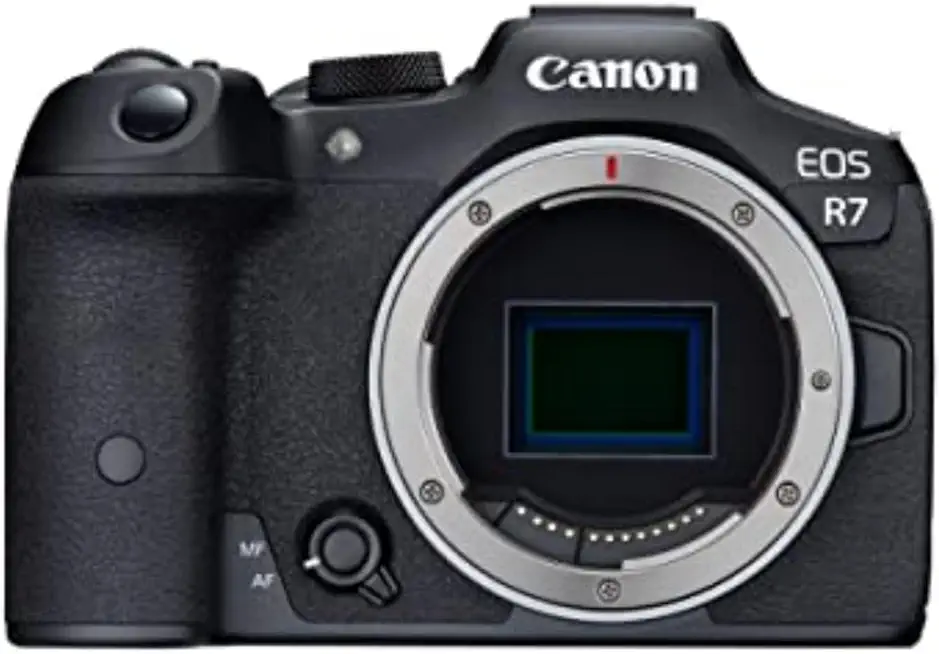
Canon EOS R7 Body Only 32.5MP APS-C 4K
High-resolution APS-C shooter with 32.5MP sensor, fast continuous shooting, advanced autofocus, and professional-grade 4K video capabilities.
Check PriceThe Canon EOS R7 is a mid-range APS-C mirrorless designed with wildlife photographers in mind, combining strong stabilization and fast autofocus into a compact package. As a working photographer I appreciate how those core strengths translate into more keepers in the field.
In-body image stabilization (IBIS) is a game-changer when you need to handhold longer lenses or shoot in low light without raising ISO too much. The fast, advanced autofocus for subject tracking helps lock onto birds and mammals that move unpredictably, so you spend less time missing shots and more time shooting.
The APS-C sensor provides a crop factor that extends lens reach, which effectively gives you extra telephoto reach without the extra weight or cost of longer full-frame glass. Its compact, lightweight design also makes long hikes and stakeouts easier, and users routinely value that portability alongside the effective stabilization for handheld shooting.
There are trade-offs: the APS-C sensor may not match full-frame image quality in certain situations, and APS-C lens options are sometimes less versatile than full-frame systems. Still, for beginners and enthusiasts focused on wildlife reach, tracking, and handheld flexibility, the R7 is a very practical, capable choice that balances performance and portability.
- In-body image stabilization (IBIS)
- Fast, advanced autofocus for subject tracking
- APS-C sensor provides a crop factor that extends lens reach
- Compact, lightweight design
- APS-C sensor may not match full-frame image quality
- APS-C lens options less versatile than full-frame systems
4. Nikon Z50 II

Nikon Z50 II Mirrorless Camera
Versatile compact mirrorless ideal for vlogging and travel, offering intuitive controls, improved autofocus, and excellent image quality.
Check PriceThe Nikon Z50 II is a compact, feature-rich APS-C mirrorless that makes a lot of sense for beginners getting into wildlife photography. Its small size and light weight mean you can hike farther and stay out in the field longer without the fatigue of heavier gear.
What really helps in the field is the eye-detection autofocus for tracking subjects — it locks onto animals and keeps them sharp as they move. Combined with VR stabilization when using compatible lenses, you get steadier shots handheld, which is handy for quick, unpredictable wildlife encounters.
Controls on the Z50 II are intuitive, so you can learn the camera quickly and focus on composition and timing rather than fumbling menus. That ease of use makes it a practical choice if you want to spend more time shooting and less time troubleshooting settings.
Do keep in mind this is an APS-C system optimized for that format, so it has limited full-frame compatibility. Users do report the APS-C sensor may underperform full-frame in low light, so if you frequently shoot dusk/dawn or dim forest interiors, you’ll notice noise and detail trade-offs compared to full-frame bodies.
Overall, the Z50 II is mostly a good starter wildlife camera: portable, easy to use, and capable of reliable subject tracking and stabilization in daylight or good conditions. If portability and straightforward operation are top priorities, it’s a strong pick; if low-light performance or full-frame compatibility are non-negotiable, consider that limitation.
- Compact and lightweight for long shoots.
- Eye-detection autofocus for tracking subjects.
- VR stabilization with compatible lenses.
- Intuitive controls for beginners.
- Limited full-frame compatibility — optimized for APS-C.
- APS-C sensor may underperform full-frame in low light.
5. Sony A6700
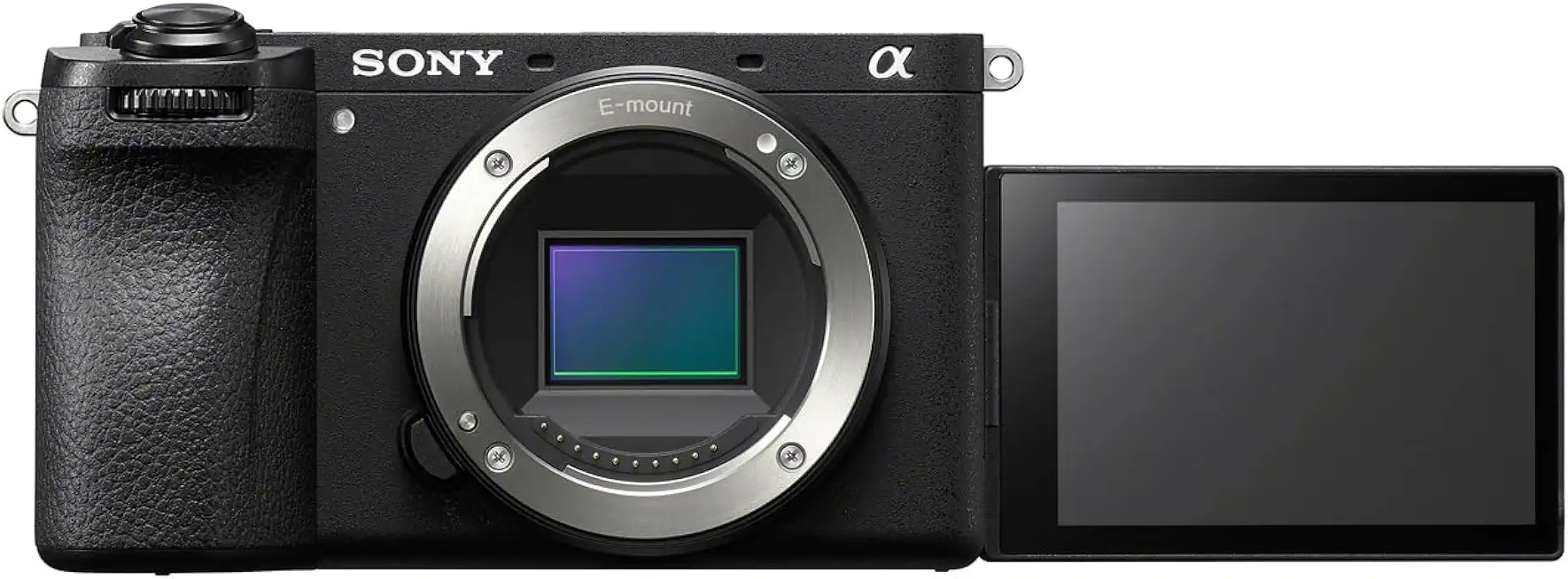
Sony Alpha 6700 26MP APS-C 4K
Advanced APS-C camera with 26MP clarity, superb low-light performance, fast AF, and cinematic 4K video for creators.
Check PriceThe Sony a6700 is an APS-C mirrorless body that stands out for very fast autofocus and high-quality video. As a wildlife starter it delivers the tracking and speed you need to catch fleeting moments in the field. Users consistently praise its autofocus and video capabilities, which matters when animals are on the move.
Its Real-Time Eye AF and AI-powered subject tracking make locking onto birds or mammals much easier than with older systems. Those features reduce the number of missed frames when subjects change direction or speed. For beginners, that reliability lets you focus on composition instead of constantly re-acquiring focus.
Video chops are strong — 4K 120p lets you record high-speed footage and pull sharper stills from slow-motion clips. That’s useful for studying behavior or extracting decisive moments when a burst missed the exact frame. Optical SteadyShot stabilization helps keep handheld shots usable, especially when you can’t or don’t want to use a tripod.
There are trade-offs to consider. The APS-C sensor may not match full-frame image quality in low light or dynamic range, so expect a bit more noise in dim conditions. Lens ecosystem limitations for APS-C mean you’ll have fewer full-frame-equivalent telephoto options compared with full-frame systems.
Overall, the a6700 is a compelling starter camera for wildlife shooters who prioritize autofocus performance and video versatility. If you value fast, reliable tracking and modern video features, it’s a very practical choice. If ultimate low-light performance or the widest lens selection are priorities, be mindful of the APS-C limitations.
- Real-Time Eye AF — reliable subject tracking
- AI-powered subject tracking for moving subjects
- 4K 120p video for high-speed footage
- Optical SteadyShot stabilization
- APS-C sensor may not match full-frame image quality
- APS-C lens selection less versatile than full-frame systems
How to Choose the Right Camera
Picking a starter camera for wildlife is about matching priorities, not chasing specs. If you photograph birds in flight you’ll value fast, reliable autofocus and high burst rates. For shy mammals at dawn or dusk you’ll want a larger sensor and good low-light performance.
Autofocus is king in the field. Look for systems with animal or bird eye-detection and strong continuous-tracking — they keep erratic subjects sharp. Don’t overlook frames-per-second; cameras that do roughly 10–20fps give you a much better chance of nailing decisive moments.
Sensor size shapes everything. Full-frame gives cleaner files, better dynamic range, and lower noise. APS-C gives you extra effective reach thanks to the crop factor, which is a huge practical advantage for telephoto work. Aim for roughly 30–50MP if you want high detail without crippling buffers and storage.
Mirrorless bodies are the go-to for beginners now. They tend to deliver faster AF, live-view benefits, and compact bodies that are kinder on long hikes. IBIS is a major bonus if you plan handheld shooting with long lenses; it lets you work at slower shutter speeds and still get usable frames.
Think beyond the camera body. Lens reach and availability will dictate how close you can get. Prioritize systems with strong telephoto lens options or bodies with built-in teleconverters. Also factor in weather sealing — rain and dust are part of fieldwork. Finally, if you want hybrid capabilities, choose a camera with solid 4K video so you can extract usable stills and capture behavior in motion.
Tips for Wildlife Photography
Wildlife is rarely cooperative, so preparation and patience are your best tools. Learn to read animal behavior, arrive early, and be ready to wait; many great shots come from being still and observing rather than chasing action.
Understand your autofocus system and make it work for you. Use continuous AF (AF-C) with subject tracking and switch to animal or bird eye AF when your camera offers it. Consider assigning focus to a back button so you can track continuously without the shutter affecting focus.
When action is possible, lean on high-speed continuous shooting. Faster burst rates (around 10–20 fps on many starter cameras) greatly increase your odds of nailing the perfect wingbeat or expression. Keep bursts short enough to avoid filling the buffer, then review and keep the best frames.
Shoot RAW whenever you can. RAW preserves highlight and shadow detail and gives you flexibility to correct exposure, white balance, and crop tightly in post. Be ready to change ISO, aperture, and shutter speed on the fly — for small birds aim for 1/1000s or faster, for medium mammals 1/500s is often sufficient.
Stabilize your camera for long lenses and long waits. A tripod, monopod, or gimbal head reduces fatigue and increases sharpness, and IBIS-equipped bodies let you handhold longer with good results. Also use silent or electronic shutter modes in sensitive situations to avoid startling subjects.
Composition still matters in wildlife; give your subject space to move into and avoid centering everything. Use the rule of thirds, watch background clutter, and practice tight and environmental frames so you have options in post. Respect animals and habitat — quiet, slow movements and a safe distance keep both you and the wildlife safe.
Finally, learn your camera’s limits. Know its buffer capacity, autofocus quirks, and low-light behavior so you can adapt in the field. Practice these techniques in easy settings before tackling skittish or fast-moving species.
What People Ask Most
What is the best camera for wildlife photography for beginners?
There is no single best camera for every beginner; the right choice depends on your priorities like reach, autofocus, portability, and budget. Pick a model that feels comfortable to hold and supports the lenses and features you value most.
What camera features are most important for wildlife photography?
Reliable autofocus and lens reach are key for capturing distant or fast-moving animals. Stabilization, good ergonomics, and a robust lens ecosystem are also important for consistent results in the field.
Is mirrorless or DSLR better for wildlife photography?
Mirrorless cameras are often favored for their advanced autofocus and live-view capabilities, while DSLRs remain solid options with familiar handling and optical viewfinders. Choose the type that gives you the autofocus performance and handling you prefer.
What lens should a beginner use for wildlife photography?
Beginners will benefit from a telephoto or zoom lens that provides enough reach to keep a safe distance while filling the frame. A versatile zoom is a practical starting point because it covers a range of situations without frequent lens changes.
Can an APS-C (cropped-sensor) camera work well for wildlife photography?
Yes, an APS-C camera can be very effective because its crop factor effectively increases lens reach, making telephoto work more affordable and portable. Full-frame cameras offer advantages in low light and dynamic range, but APS-C bodies are a strong choice for many users.
What camera settings should beginners use for wildlife photography?
Use continuous autofocus with tracking enabled, shoot in a fast shutter mode to freeze motion, and capture RAW files for more flexible editing. Adjust ISO and aperture to balance exposure while keeping subjects sharp and well-isolated.
How do I choose the right camera for bird and wildlife photography?
Match camera strengths to your priorities, such as autofocus performance, lens availability, and handling for long shoots. Try gear in person when possible and consider the long-term lens ecosystem and support for the system you choose.
Conclusion for Beginner Wildlife Cameras
These five starter cameras each lean into a different strength—extra reach, fast autofocus, effective stabilization, compact portability, or strong video—so beginners can choose a path that fits their goals.
Match a camera’s primary advantage to the subjects you want to shoot and the way you like to work, then focus on the practical shooting tips and buying guidance covered here to get the most from your kit.
If you want to keep improving your skills and gear knowledge, take a look around the site for more practical advice and inspiration to help you shoot better wildlife photos.
Have a question or want personalized recommendations? Leave a comment below and we usually reply within a few hours.


0 Comments