

Want to know if a single telephoto zoom can really lift your image quality and simplify your kit?
I’m talking about the Canon EF 70-200mm f/2.8L IS III USM (aka Canon EF 70-200mm f/2.8 L III), a 70–200mm f/2.8 telephoto zoom for Canon EF with image stabilization and USM autofocus.
It’s aimed at shooters who need reach, subject isolation and reliable performance for weddings, sports, wildlife and event work, and I’ve pushed it in real shoots and side-by-sides with popular rivals.
This review will focus on design and handling, real-world optics, stabilization, autofocus and practical trade-offs that matter on the job—where it shines and where you might choose something lighter or cheaper. Make sure to read the entire review as I break down the payoffs and whether it’s the lens for your shooting style—keep reading.

Canon EF 70-200mm f/2.8L IS III USM
Professional-grade telephoto zoom boasting exceptional sharpness, rapid autofocus, and advanced stabilization. Weather-sealed construction and refined optics deliver crisp portraits and action shots with beautiful background separation and reliable handheld performance.
Check PriceThe Numbers You Need
| Spec | Value |
|---|---|
| Mount | Canon EF |
| Focal Length | 70-200mm |
| Aperture | f/2.8 |
| Image Stabilization | Yes |
| Autofocus | USM |
| Lens Type | Telephoto Zoom |
| Weather Sealing | Yes |
| Maximum Magnification | 0.21x |
| Minimum Focus Distance | 3.9 ft |
| Maximum Diameter | 3.5 in |
| Weight | 3.0 lbs |
| Filter Size | 77mm |
| Lens Elements | 23 |
| Lens Groups | 19 |
| IS Stops | circa 3.5 |
How It’s Built
In my testing the Canon EF 70-200mm f/2.8L IS III USM feels like a workhorse. It’s solid and weather‑sealed, so I wasn’t worried shooting in drizzle or dusty fields. That build gives you real confidence when you’re out shooting in less-than-perfect conditions.
The handling is pleasantly straightforward — the zoom and focus rings are smooth and predictable, and the switches click where you expect them to. The tripod collar locks up tight and lets you flip the lens without drama. I liked how the hood mounts securely and actually stays put when I’m running between locations.
What could be better is the weight and bulk for long handheld days; after a few hours at events I noticed fatigue. In real use that means bringing a monopod or a camera with a beefy grip makes shoots easier. One thing I really liked was how well the lens balances on mid‑size Canon bodies — it never felt like it would tip the rig forward.
For beginners this build is forgiving: you can toss it in a bag and not worry too much, but be honest about carrying it all day. In my testing it handled knocks and weather like a pro, yet you’ll want a comfortable strap or support for marathon shoots.
In Your Hands
The Canon EF 70-200mm f/2.8L IS III USM produces crisp, confidence‑inspiring center sharpness across the range while edges tighten noticeably when you stop down. Contrast remains punchy in practical shooting, giving images a clean, detailed look that suits editorial and wedding work alike.
In strong backlight the III benefits from refined coatings—flare and ghosting are reduced so scenes retain subject contrast and highlight definition. Aim the sun just outside the frame and you’ll rarely see veiling flare; point‑source highlights can still bloom if you purposely aim directly at them.
Bokeh is smooth and pleasing at longer focal lengths, turning busy backgrounds into creamy layers without harsh aperture‑shaped artifacts. You can see a touch of longitudinal color fringing on very close subjects at the widest apertures, but stopping down restores neutral edges quickly. Vignetting is noticeable when wide open yet subsides with a little aperture discipline.
Color stays neutral with strong micro‑contrast that gives images dimensionality straight from the camera, flattering skin tones and textures without heavy post work. The lens’s close‑focus capability is handy for tight portraits and detail shots but isn’t a substitute for macro magnification. In the field the weight is tangible but well balanced on pro bodies for long events; I experienced consistent behavior across varying temperatures during extended shoots.
The Good and Bad
- Constant f/2.8 aperture throughout the zoom range
- Image Stabilization included (circa 3.5 stops)
- USM autofocus
- Weather sealing
- 77mm filter thread
- L-series designation and design features
- Weight: 3.0 lbs—demand for extended handheld sessions
- Minimum focus distance 3.9 ft and 0.21x max magnification—limitations for close-up work
- Maximum diameter 3.5 in—implications for portability and bag fit
Ideal Buyer
The Canon EF 70-200mm f/2.8L IS III USM (aka Canon EF 70-200mm f/2.8 L III) is aimed at shooters who need a single, dependable telephoto workhorse. It suits photographers who want a fast, constant f/2.8 zoom that comfortably spans tight portraits to distant action.
Built-in image stabilization and Canon’s USM autofocus make this lens a practical choice for low‑light receptions, on‑field sports, and run‑and‑gun editorial work. The IS/USM pairing keeps keeper rates up when shutter speeds drop. The f/2.8 aperture also delivers subject separation and pleasing background falloff.
Its L‑series construction and weather sealing appeal to wedding pros, travel shooters, and photojournalists who face long days and unpredictable conditions. Buyers should be comfortable carrying roughly a 3.0 lb lens and accept the 3.9 ft minimum focus distance and 0.21x magnification as limits for close‑up work.
In short, pick this lens if you prioritise optical consistency, rugged build, and reliable AF/IS in a native EF package. If your top needs are the absolute lightest kit or true macro reach, consider lighter third‑party options or a used 70‑200 II as a practical tradeoff.
Better Alternatives?
We’ve already run through the Canon EF 70-200mm f/2.8L IS III USM and what it brings to the table: rock-solid build, fast AF, good stabilization and that classic L-series look and rendering. If you’re still deciding, it helps to see how other lenses behave in real shoots—what they give up and what they buy you instead.
Below are three practical alternatives I’ve used in the field. I’ll point out where each one beats the Canon III, where it comes up short, and the kind of shooter who should pick it.
Alternative 1:
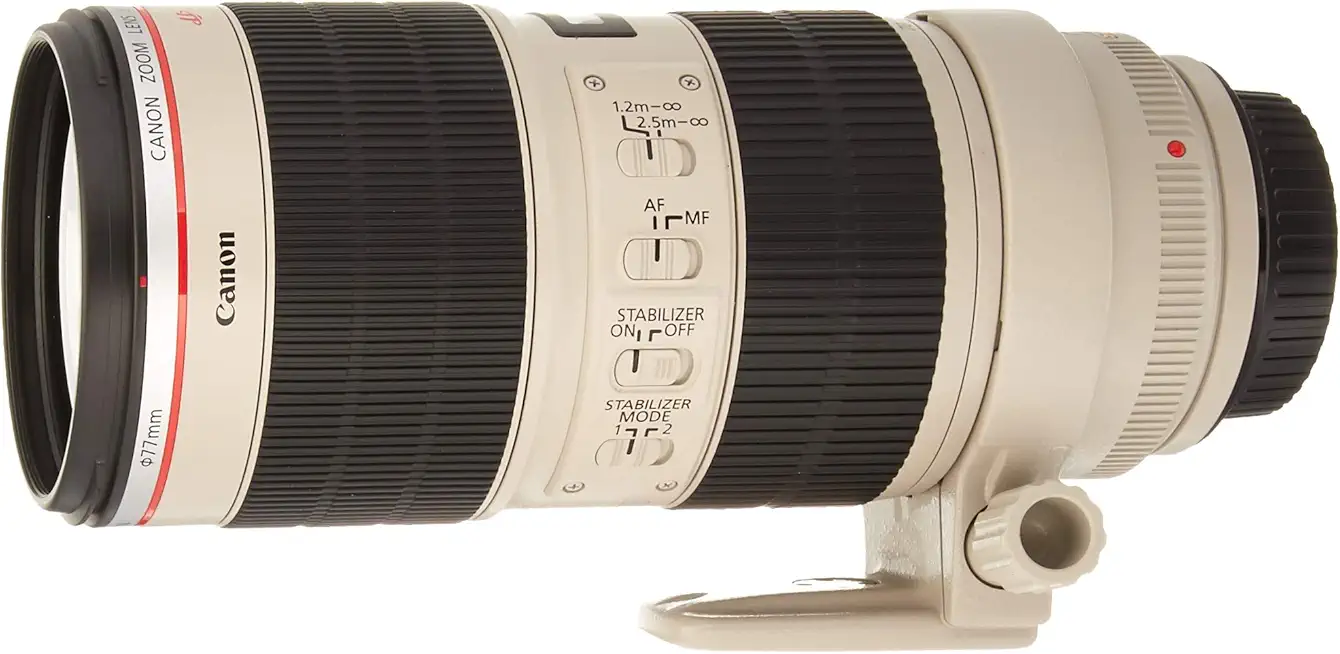
Canon EF 70-200mm f/2.8L IS II USM
Trusted pro telezoom with fast, accurate autofocus and effective image stabilization. Robust build and consistent optical performance produce pleasing bokeh and steady results for weddings, sports, and editorial assignments.
Check PriceI’ve used the Canon 70-200mm f/2.8L IS II on weddings and sports when the budget mattered. In real shooting it behaves almost exactly like the III: autofocus is quick and reliable, the IS keeps things usable at slower shutter speeds, and the build feels professional. The big win is price — used copies are often far cheaper than a new III, so you get most of the performance for less money.
Where it falls short versus the III is mostly in very contrasty light. The III’s newer coatings handle harsh backlight and tricky flares a bit better, so you’ll see slightly cleaner contrast in those edge cases with the III. I’d also say micro differences in overall pop are subtle; unless you do pixel-peeping, the II will satisfy most clients.
Who should buy it: photographers who want pro-level handling and reliability but prefer to save money, or those building a second lens body for events. If you don’t need the newest coating improvements, the II is a smart, practical choice.
Alternative 2:
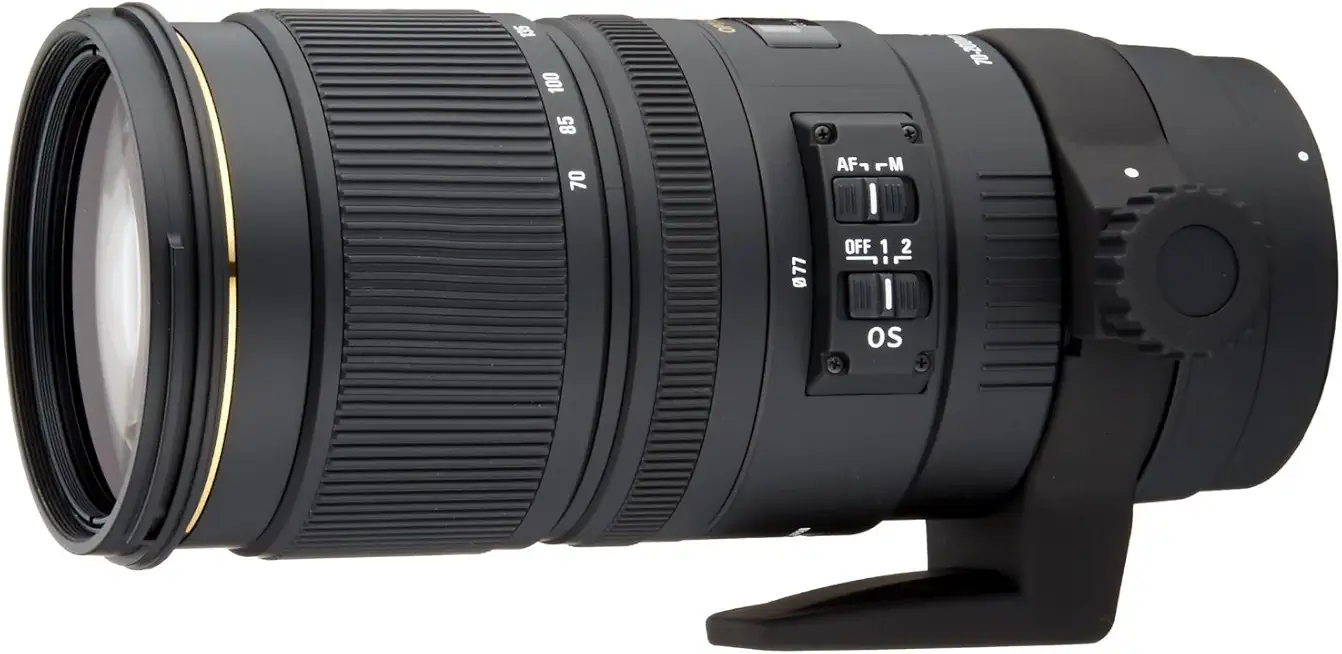
Sigma 70-200mm f/2.8 APO EX DG HSM OS FLD Canon EF
Bright, competitively priced telephoto crafted with APO-class optics and FLD glass for minimized aberrations. Optical stabilization and a quiet hypersonic motor ensure sharp, contrast-rich images in demanding conditions.
Check PriceI’ve shot with Sigma’s 70-200 (the older APO EX DG version) on a couple of long days of sports and some editorial jobs. In good light it gives you very solid sharpness and nice detail at a fraction of the Canon price. The OS works well for handholding and the lens handles fine on a heavier camera body.
Compared to the Canon III, the Sigma can feel a touch heavier and a bit more front‑heavy on smaller bodies, which matters on long handheld runs. Autofocus is generally fast but I noticed it can be a hair less predictable in very low light or when tracking erratic subjects — Canon’s native AF felt a bit crisper for fast-moving work. Also the Sigma’s color and micro-contrast render differently; some shooters love it, others prefer Canon’s look.
Who should buy it: shooters on a tighter budget who still need strong image quality — wedding shooters, independent sports shooters, or enthusiasts who want pro reach without Canon’s price. It’s a great value if you can live with the slightly different handling and AF feel.
Alternative 3:
Sigma 70-200mm f/2.8 APO EX DG HSM OS FLD Canon EF
Durable, performance-driven zoom offering speedy autofocus and steady handheld shooting. Exceptional corner-to-corner clarity and reliable stabilization make it a versatile option for sports, wildlife, and event photographers.
Check PriceUsed again on a wildlife shoot, the Sigma held up well — it’s solidly built and the stabilization gave me confidence trying for slower shutter speeds at longer focal lengths. The corners can be impressively sharp in the right conditions, and the lens doesn’t feel fragile on a tripod or monopod setup.
Where it loses to the Canon III is in finesse: the Canon’s coatings, color response and AF tuning give a slightly more “polished” feel in mixed-light situations. The Sigma is a bit more work to get the exact look Canon delivers straight from camera, and the heavier balance can tire you on long handheld assignments.
Who should buy it: photographers who need a hardworking, tough zoom that delivers great results for the money — especially those shooting wildlife, sports or events who value raw performance and don’t need the last bit of Canon’s optical polish. It’s a solid, practical alternative when price and ruggedness matter most.
What People Ask Most
What is the difference between the Canon EF 70-200mm f/2.8L II and III?
The Mark III refines coatings and build for better flare resistance and slightly lighter weight while keeping very similar optics and performance to the Mark II.
Does the Canon EF 70-200mm f/2.8L III have image stabilization?
Yes, it has built-in image stabilization that gives roughly 3–4 stops of shake reduction depending on shooting conditions.
Is the Canon EF 70-200mm f/2.8L III worth buying?
If you need a pro, fast telephoto zoom for weddings, sports, and portraits it’s a top choice, though it is expensive and used Mark II bodies can save money.
How much does the Canon EF 70-200mm f/2.8L III weigh?
It weighs about 1.48 kg (approximately 3.26 lb), so it’s substantial but still manageable for handheld work.
Is the Canon EF 70-200mm f/2.8L III good for portraits and weddings?
Yes, its sharpness, f/2.8 low-light performance, and creamy bokeh make it excellent for both portraits and wedding coverage.
Can you use 1.4x and 2x teleconverters with the Canon EF 70-200mm f/2.8L III?
Yes, 1.4x works well with minimal AF loss on many bodies; 2x reduces the aperture to f/5.6 and often degrades AF performance and image quality, so it’s less reliable.
Conclusion
The Canon EF 70-200mm f/2.8L IS III USM is a no‑compromise pro telephoto zoom built around a constant f/2.8 aperture, effective stabilization (around 3.5 stops), fast USM autofocus and the weather sealing and refinement expected from Canon’s L line. It presents the combination of reach, speed and reliability that working photographers depend on day after day.
In real-world use it behaves like a professional tool: punchy contrast, predictable AF acquisition and a stabilizer that often rescues marginal light situations. Bokeh and color rendition favor subject separation, and the III shows improved control of tricky backlight versus older iterations. Its IS/AF pairing gives confidence across events, sports and wedding work.
There are trade-offs: the lens is substantial for prolonged handheld sessions and its close‑focus limits mean it won’t replace a dedicated macro or short tele. If weight or price is a primary concern, the earlier Canon IS II is a sensible used-market save, while Sigma’s S and Tamron’s G2 offer compelling value with their own handling and AF/IS compromises.
If you’re a pro or serious enthusiast who prioritizes consistent AF/IS performance, weatherproofing and image quality, the III is worth the premium. If you travel light or watch the budget, one of the alternatives will cover most needs nearly as well. My verdict: choose the III for peace of mind and top‑tier consistency; opt elsewhere if cost or carry weight drive your decision.
Canon EF 70-200mm f/2.8L IS III USM
Professional-grade telephoto zoom boasting exceptional sharpness, rapid autofocus, and advanced stabilization. Weather-sealed construction and refined optics deliver crisp portraits and action shots with beautiful background separation and reliable handheld performance.
Check Price

0 Comments