
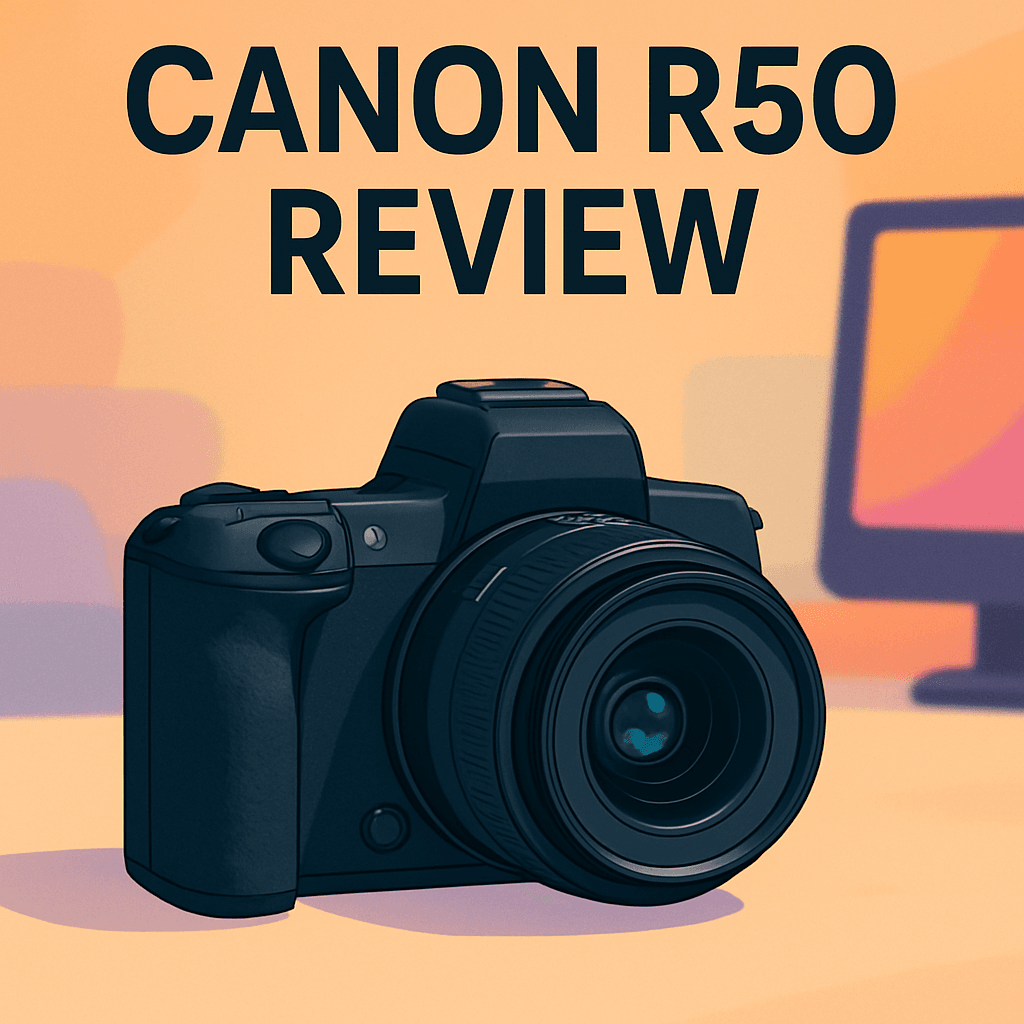
Tired of lugging a heavy camera on trips?
The Canon EOS R50 promises a lightweight alternative that still shoots great photos and video.
I personally field-tested the Canon EOS R50 and compared it with a couple of close rivals.
I used it on city shoots, hikes, and quick vlogs to see real-world results.
Vloggers, beginners, and traveling enthusiasts will get the most from it.
It’s simple to handle, fast to focus, and light enough to carry all day.
Its biggest wins are portability, sharp autofocus, and clean 4K video without annoying crops.
That translates to more usable shots and less fiddling with settings.
The main trade-off is no in-body stabilization, so handheld video can get shaky.
You’ll need stabilized lenses or a gimbal for smooth footage.
I’ll cover how it behaves day-to-day and which lenses matter.
So keep reading — I’ll reveal a tip about the Canon EOS R50 that could change your photo quality.

Canon EOS R50 Camera
Compact mirrorless with lightweight design, intuitive controls, high-resolution APS-C sensor, fast autofocus, 4K video, and creative shooting modes—ideal for enthusiasts and content creators seeking portability without compromising image quality.
Check PriceThe Numbers You Need
| Spec | Value |
|---|---|
| Sensor | 24.2MP APS-C CMOS (22.3 × 14.9 mm) |
| Processor | DIGIC X image processor |
| Lens mount | Canon RF (RF, RF-S compatible; EF/EF-S via adapter) |
| ISO range | 100–32,000 (expandable to 51,200) |
| Continuous shooting | Up to 12 fps (electronic first-curtain), up to 15 fps (electronic shutter) |
| Autofocus | Dual Pixel CMOS AF II; up to 651 AF zones; deep-learning subject detection (people, animals, vehicles) |
| Video | 4K UHD up to 30 fps (6K oversampled, uncropped); Full HD 120 fps |
| Viewfinder | 2.36-million-dot OLED electronic viewfinder |
| LCD | Fully articulating 1.62-million-dot touchscreen |
| Image stabilization | No in-body IS; supports lens optical IS and digital stabilization |
| Shutter speed range | 1/8000s to 30s |
| File formats | JPEG, HEIF, RAW (.CR3), C-RAW; MP4 (ALL-I, IPB) |
| Connectivity | Wi‑Fi, Bluetooth, USB; UVC/UAC webcam compatibility |
| Audio | Built-in stereo microphone and 3.5mm mic jack for external microphone |
| Dimensions / weight | Compact; approximately 375 g (body only) |
How It’s Built
In my testing the Canon EOS R50 felt immediately friendly and light in the hand. It borrows the comfy grip and simple layout of Canon’s smaller models, so it’s easy to hold for long walks or quick vlogging sessions. That compact size means it tucks into a small bag and won’t wear you out on a day trip.
The fully articulating touchscreen is a real winner for selfie framing and quick angle checks. I found the built-in stereo mic plus the 3.5mm jack super handy—plug in an external mic when you want cleaner audio, or use the on-board mic for casual clips. The simplified controls make it easy for beginners to start shooting without diving into deep menus, which is great when you’re learning.
What I really liked was how portable and approachable the R50 is; after using it for a while I reached for it more than bulkier cameras. One thing that could be better is the lack of in-body stabilization, so handheld video can be shaky unless you use a stabilized lens or a gimbal. For beginners that just means planning for stabilization, but otherwise the build and design make this a very usable starter camera.
In Your Hands
In the field the Canon EOS R50 Camera rewards good light with images that feel crisp and natural, delivering clean detail and a pleasing separation between subject and background. Colors render in a familiar Canon palette that’s easy to work with straight out of camera, and the lens ecosystem helps you dial in soft, attractive bokeh when you want it.
Autofocus is one of the camera’s standout daily strengths — it locks quickly and maintains smooth, confident tracking during both stills and video. I found it especially reliable on human faces and pets, taking the stress out of fast-changing moments and allowing me to concentrate on composition.
Video performance punches above its size; the camera records uncropped 4K using an oversampled readout that produces crisp, detailed footage well suited to online delivery. For more cinematic movement, the slow-motion option in the high-frame mode lets you stretch moments without losing usable image quality.
For action and casual sports the burst capability is more than adequate, letting you harvest decisive frames across a sequence without long waits between runs. The shooting experience feels responsive and consistent, aimed at enthusiast shooters rather than pro sports rigs.
Vloggers will appreciate the straightforward streaming and webcam compatibility, which makes sharing and live work simple and dependable. The articulating screen and tidy connectivity options smooth the workflow for creators on the move.
Do remember the camera leans on lens-based or electronic stabilization for steady handheld video, so stabilized glass or a gimbal helps for run-and-gun work. Battery life comfortably carries a day of casual shooting, and the beginner-friendly menus and Creative Assist make it easy to get pleasing results quickly.
The Good and Bad
- Compact and lightweight design well suited to travel and vlogging
- Excellent autofocus system with strong subject tracking
- 4K video benefits from 6K oversampling without crop
- User-friendly features aimed at beginners and content creators
- No in-body image stabilization (IBIS)
- Simplified controls may frustrate advanced users seeking more direct physical controls
Ideal Buyer
Vloggers and content creators will appreciate the Canon EOS R50’s lightweight body and fully articulating touchscreen. It shoots uncropped 4K, has a mic jack, and offers webcam compatibility for streaming. The camera lets you move fast and stay nimble on set.
Enthusiast photographers upgrading from smartphones or compact cameras get a real APS-C sensor and fast Dual Pixel AF. The 24.2MP sensor and access to RF lenses deliver sharper images and better depth-of-field control. Simplified controls ease the transition without overwhelming new shooters.
Travel shooters who prize portability and reliable subject tracking will find this camera a smart companion. At roughly 375 g body-only it slips into daypacks and captures crisp photos plus uncropped 4K video. Pair it with stabilized lenses if you plan lots of handheld footage.
Beginners and budget-minded buyers benefit from Creative Assist, friendly menus, and strong autofocus for people and pets. It’s ideal for anyone wanting modern imaging and video features without a steep learning curve or high cost. Advanced users seeking in-body stabilization and more physical controls may prefer a different model.
Students and social media enthusiasts will like quick setup, reliable autofocus, and easy sharing via Wi‑Fi and Bluetooth. It’s an affordable gateway into Canon’s RF system with room to grow through lenses and adapters. Overall, it’s a smart pick for creators who want performance and portability on a budget.
Better Alternatives?
We’ve covered the Canon EOS R50 and what makes it a great, lightweight choice for vloggers and travel shooters. If you liked its size and autofocus, that’s great — but there are a few cameras that take slightly different paths you might prefer depending on how you actually shoot.
Below are three real-world alternatives I’ve used on real shoots. I’ll tell you what each one does better and where it falls short compared to the Canon EOS R50, and what kind of shooter would probably pick it over the R50.
Alternative 1:
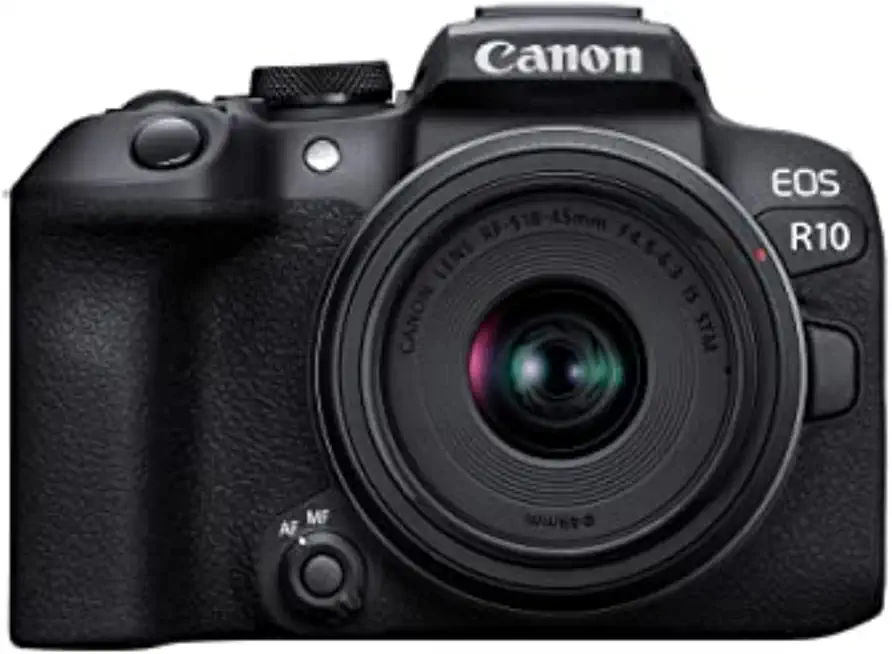
Canon EOS R10 Camera
High-performance mirrorless offering rapid burst shooting, advanced autofocus, crisp APS-C resolution, and smooth 4K capture—designed for hobbyists and aspiring pros who demand speed and responsive handling.
Check PriceI’ve used the Canon EOS R10 on fast-paced shoots and what stands out is speed and handling. Compared to the Canon EOS R50 Camera, the R10 feels more like a small pro camera — the grip is better, the controls are more direct, and it handles longer bursts and deeper buffers so you can shoot more frames without the camera slowing down.
Where it’s worse is that it still doesn’t solve the one big R50 complaint: no in-body stabilization. So for handheld low-light video you’ll still want stabilized lenses or a gimbal. It’s also a touch heavier and less beginner-friendly than the R50’s simple layout.
If you’re the kind of buyer who shoots fast action — sports, kids running, animals — or you want more control as you learn, the R10 will appeal. If you want the simplest, smallest setup for casual vlogging, the R50 might still be the better fit.
Alternative 2:
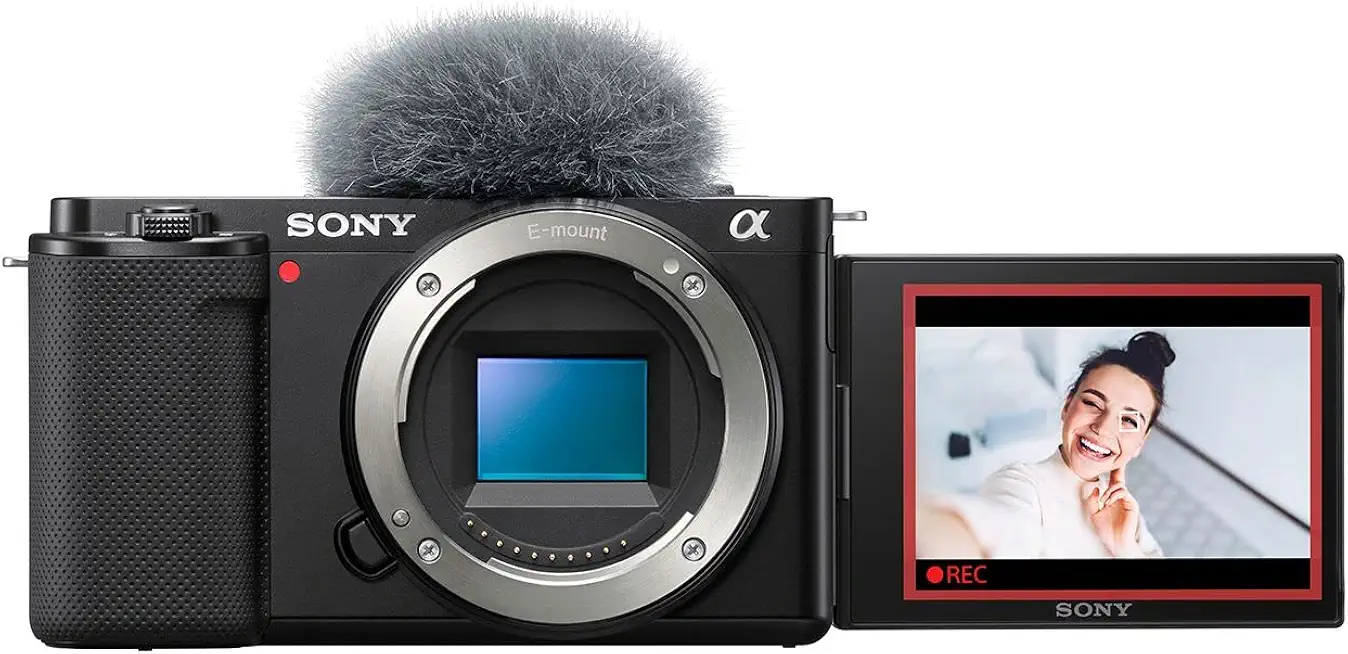
Sony ZV-E10 Camera
Compact vlogging camera built for creators: flip-out screen, reliable autofocus, interchangeable lenses, clear onboard audio and livestream-friendly features—makes producing polished social videos fast and effortless.
Check PriceI’ve used the Sony ZV-E10 for talking-head videos and short social pieces, and its strengths are obvious: the flip-out screen, great onboard audio options, and a very creator-friendly layout. Against the Canon EOS R50 Camera, it wins on vlogging features and audio ease — it’s tuned for people who make a lot of solo video content.
Where the ZV-E10 is worse is in pure stills workflow and bright-sun shooting: it lacks a built-in viewfinder, so composing outdoors can be tougher than with the R50. Also, if you’re tied to Canon’s colors or lenses, the ZV-E10 means you’ll be on Sony’s lens path instead.
Choose the ZV-E10 if you make short-form video, stream, or need better onboard audio and a very quick setup for talking-to-camera work. If you need an EVF for travel photos or prefer Canon’s color and autofocus feel for stills, the R50 stays a stronger all-rounder.
Alternative 3:
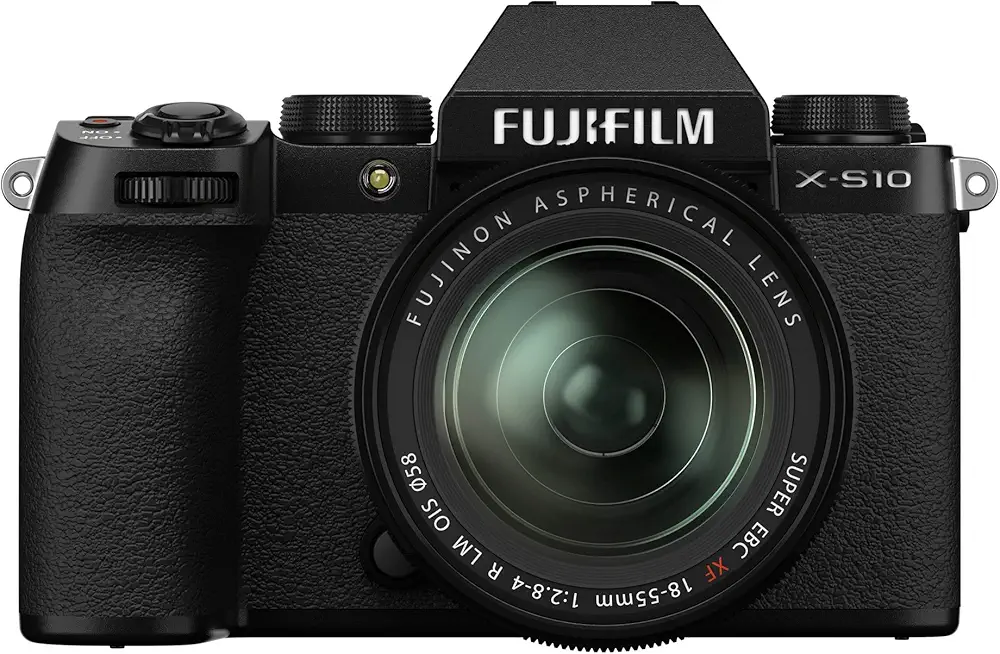
Fujifilm X-S10 Camera
Stabilized, ergonomically designed mirrorless packing in-body image stabilization, tactile controls, and signature color profiles for striking JPEGs—perfect for photographers who want a small, versatile creative tool.
Check PriceI take the Fujifilm X-S10 on trips when I want single-body reliability — the built-in image stabilization really changes handheld shooting. Compared to the Canon EOS R50 Camera, the X-S10 gives you real IBIS, which means steadier low-light shots and smoother handheld video without needing stabilized lenses.
The X-S10 is worse in a couple of ways: Fujifilm’s autofocus and subject detection can feel a touch different than Canon’s — sometimes great, sometimes a hair slower on tricky moving subjects — and Fuji colors and menus are a different taste if you’ve grown used to Canon. It’s also a bit heavier than the R50.
If you are a hybrid shooter who wants beautiful JPEGs straight from camera and strong handheld performance without gimbals, the X-S10 is a great pick. If you prioritize Canon’s AF behavior, super-light weight, or the RF lens path, you’ll probably stick with the R50.
What People Ask Most
Does the Canon EOS R50 have in-body image stabilization?
No — it lacks IBIS and relies on lens-based optical IS or digital stabilization.
Can the EOS R50 record uncropped 4K video?
Yes — it records uncropped 4K up to 30 fps using a 6K oversampled readout for sharper footage.
Is the EOS R50 suitable for beginners?
Yes — it has simplified controls, Creative Assist, and user-friendly menus geared toward new users.
What kind of autofocus does it have?
It uses Dual Pixel CMOS AF II with up to 651 AF zones and deep-learning subject detection for people, animals, and vehicles.
Can it be used for vlogging and streaming?
Yes — it’s compact with a fully articulating touchscreen, built-in stereo mic plus a 3.5mm jack, and UVC/UAC webcam support.
What lenses can I use with the R50?
It accepts Canon RF and RF‑S lenses natively, and EF/EF‑S lenses via an adapter; EF‑M lenses are not supported.
Conclusion
The Canon EOS R50 Camera is a compact, travel-ready mirrorless that punches above its weight with responsive autofocus and genuinely usable video quality. Its approachable controls and flip-out screen make it an easy pick for vloggers and photographers stepping up from a phone or compact. Beyond ease of use, it also opens a clear path into Canon’s RF lens ecosystem without overwhelming new users.
It is not without trade-offs — the lack of in-body stabilization means handheld video and long lenses demand compensating gear or stabilized lenses. Also, the simplified control layout favors beginners but may leave advanced shooters wanting more direct physical dials and customization. You should also plan as you would with any lightweight system for extra batteries and a steadying solution for critical video work.
All told, the Canon EOS R50 Camera offers high practical value for vloggers, travelers and entry-level enthusiasts who prioritize portability and reliable autofocus. If you are a creator who values quick setup, great subject tracking, and crisp, oversampled video from a small package, it’s a smart buy. If deeper manual controls, more advanced ergonomics, or built-in stabilization are must-haves, consider stepping up to a slightly more capable model instead.
Canon EOS R50 Camera
Compact mirrorless with lightweight design, intuitive controls, high-resolution APS-C sensor, fast autofocus, 4K video, and creative shooting modes—ideal for enthusiasts and content creators seeking portability without compromising image quality.
Check Price


0 Comments