
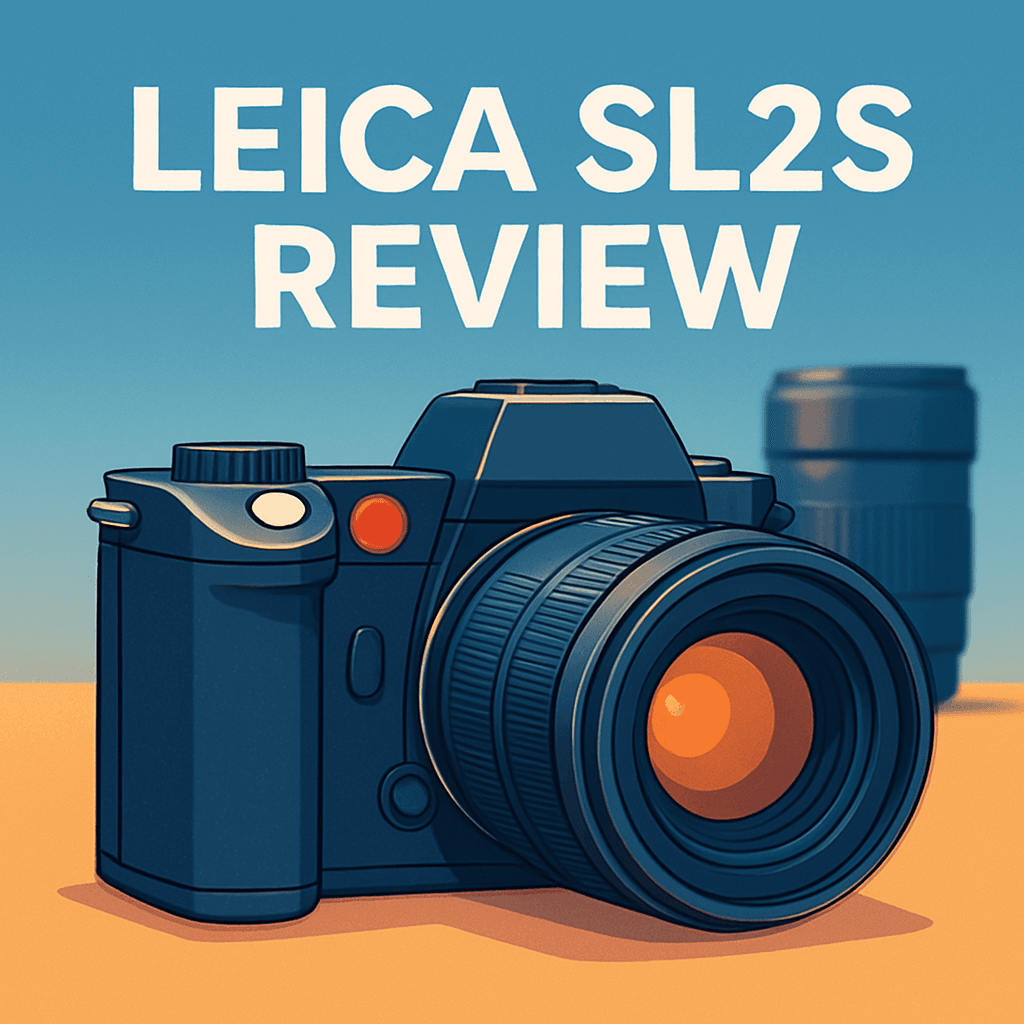
Want to know if the Leica SL2-S Camera will actually improve your images and workflow?
Having field-tested the SL2‑S on real shoots, I’ll say it’s aimed at working photographers and hybrid shooters who value robust build, refined handling, and strong core imaging and video fundamentals.
This review walks through the essentials we care about—design and build, IBIS and stabilization, speed and autofocus behavior, the video toolkit, battery and I/O, and straight-up real-world shooting impressions.
You’ll get practical takeaways on where the SL2‑S shines and where it’s more specialized, so you can decide if it fits your kit—make sure to read the entire review as you’ll want to keep reading.

Leica SL2-S Camera
Robust full-frame mirrorless built for demanding professionals, offering cinematic video, exceptional low-light sensitivity, intuitive handling, weather-sealed construction, high-resolution electronic viewfinder, and responsive autofocus for stills and moving images.
Check PriceThe Numbers You Need
| Spec | Value |
|---|---|
| Sensor | 24 MP full-frame CMOS (24.0 megapixels) |
| Image Stabilization | 5-axis in-body stabilization |
| Lens Mount | Leica L-mount |
| ISO Range | 100–100,000 (expandable to 50–50,000 for video) |
| Shutter Speed | Mechanical up to 1/8000 sec; electronic up to 1/40,000 sec |
| Burst Rate | Up to 25 fps (electronic shutter) |
| Autofocus | Contrast-detect system |
| Video | 4K up to 60p; 10-bit 4:2:2 internal; Cine4K (4096×2160) |
| Body Material | Weather-sealed magnesium alloy |
| Display | 3.2″ fixed touchscreen, 2.1M dots |
| Viewfinder | 5.76M-dot OLED EVF |
| Dual Card Slots | SD UHS-II |
| Weight | Approx. 931 g (body only) |
| Battery Life | Approx. 440 shots (CIPA) |
| Connectivity | Wi-Fi, Bluetooth, USB-C, HDMI |
How It’s Built
In my testing the Leica SL2‑S feels like a tool made to last. The weather‑sealed magnesium alloy body gives real peace of mind on shoots, so you don’t worry about a little rain or dust when working outdoors.
The EVF is a stand‑out for me. That high‑res OLED makes composition and focus feel effortless, and after using it for a while I trusted what I saw. The rear touchscreen is sharp and responsive, but it’s fixed, so low or high angles need the EVF or an external monitor.
Dual UHS‑II card slots made my workflow simple and safe in the field. I also found the battery life fine for day shoots, but plan for spares on long events and use USB‑C charging when you can.
At nearly a kilogram the body has a reassuring heft. That weight balances nicely with heavier L‑mount glass and helps steady handheld shots, though it’s something to consider for long walks or travel.
Wi‑Fi, Bluetooth, USB‑C, and HDMI all worked well for tethering, file transfer, and external recording. In studio work I could plug in and go without fuss.
What I really liked was the premium feel and simple, tactile controls that make shooting enjoyable. What could be better is the fixed rear screen for creative angle work, which means beginners should bring a spare battery and learn to use the EVF or an external monitor.
In Your Hands
The SL2‑S’s full‑frame sensor and image pipeline favor a tonal, film‑like character that makes skin tones and landscapes sing straight out of camera. Resolution sits in a comfortable middle ground — plenty of detail for large prints and sensible cropping without demanding exotic glass, while noise performance holds up well in practical low‑light shooting, preserving highlight and shadow information for grading.
In‑body stabilization is more than a checklist item; it changes how you work. Handheld stills feel steadier at slower speeds and run‑and‑gun video benefits from noticeably smoother motion, especially when paired with optically stabilized lenses or a light gimbal, reducing the need for rigid rigs on many assignments.
Burst shooting with the electronic shutter is responsive and reliable for most editorial and documentary sequences, delivering consistent frames across short runs; extremely long continuous bursts will eventually force a pause, and quick panning can introduce some electronic‑shutter skew that’s worth managing with technique. The shutter behavior overall is unobtrusive, allowing fast apertures in bright light without fuss and giving photographers practical freedom to freeze action or craft motion.
Mounting options and ergonomics translate directly to daily versatility: Leica’s L‑mount lenses sit and balance well, reinforcing the camera’s tactile confidence on set. Battery endurance is solid for a full day of mixed shooting if you plan for spares and use USB‑C charging when practical, and the body’s heft feels reassuring rather than cumbersome during professional use.
The Good and Bad
- Weather-sealed magnesium alloy build quality
- Very high-resolution OLED EVF for precise composition and focus checking
- Multi-axis in-body stabilization for stills and video
- Dual memory card slots and solid connectivity with modern ports
- Contrast-detect autofocus that lags more advanced subject-tracking systems
- Fixed rear screen limits flexibility for some shooting angles
Ideal Buyer
If you prize tactile controls, a reassuringly solid chassis, and the kind of high-resolution EVF that makes composition feel effortless, the Leica SL2‑S was built with you in mind. Its magnesium-alloy body and refined finishing give a confidence on set that many competitors don’t replicate. This is a camera for photographers who want to feel the tool as much as use it.
Hybrid shooters who want clean, cinema-friendly footage without a complicated rig will appreciate the SL2‑S’s internal 10‑bit 4:2:2, 4K60/Cine4K options, L‑Log support, and 5‑axis IBIS. The straightforward video workflow makes grading and delivery less fiddly, especially for planned, controlled shoots. It’s a strong choice for interviewers, short-form filmmakers, and production photographers who value image integrity over gimmicks.
For stills-first users who favor deliberate, thoughtful shooting—portraitists, documentary photographers, and street shooters who prioritize tone and color—this camera rewards patience and craft. Its contrast-detect AF is precise for single-shot work but isn’t aimed at chasing high-speed sports or erratic wildlife. If your style is intentional rather than reactive, the SL2‑S will feel like an extension of your eye.
Existing L‑mount owners and Leica devotees will love the ergonomics and consistent design language. If you’re chasing class-leading subject tracking, a larger inexpensive lens ecosystem, or the lowest price-per-lens, consider other bodies; otherwise, the SL2‑S is a compelling, premium tool for those who value build, image quality, and refined handling.
Better Alternatives?
We’ve gone deep on the Leica SL2‑S — its feel, the EVF, the IBIS, and where it shines for deliberate stills and a certain kind of video work. For many shooters those strengths are exactly what they need, but plenty of readers will want cameras that trade some of Leica’s polish for faster autofocus, different video tools, or more lens choices.
Below I’ll walk through three real alternatives I’ve used in the field. I’ll say plainly what each one does better and worse than the SL2‑S, and who would get the most from each option so you can match a camera to how you actually shoot.
Alternative 1:
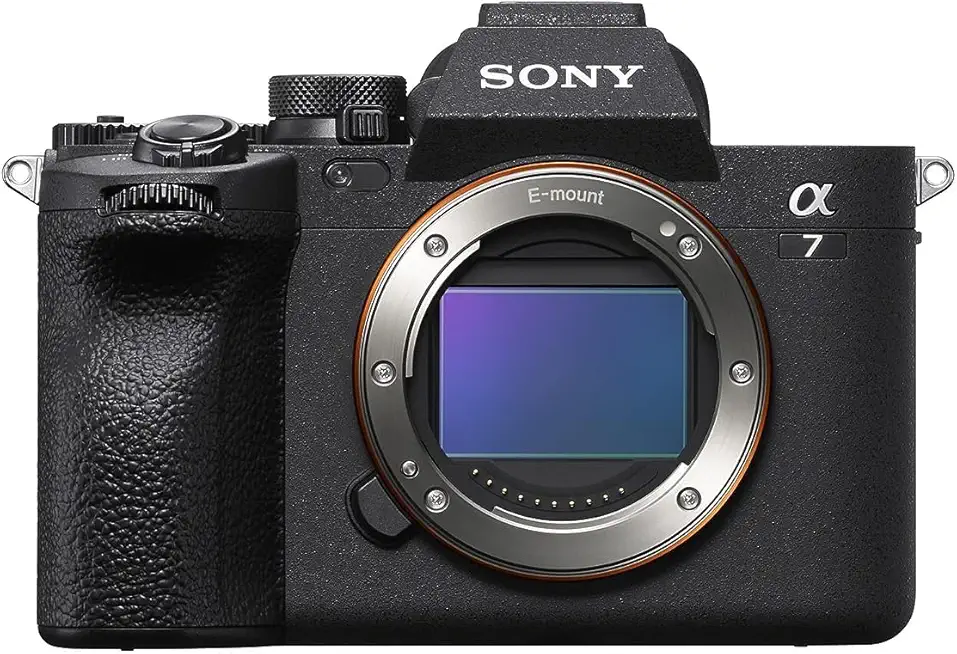
Sony Alpha 7 IV Camera
Versatile hybrid performer with detailed image capture, advanced subject-tracking autofocus, cinematic 4K video options, intuitive touch controls, reliable in-camera stabilization, and seamless connectivity for fast file transfer and remote workflows.
Check PriceI’ve shot weddings, street, and run‑and‑gun video with the A7 IV, and its real strength versus the SL2‑S is autofocus and flexibility. Sony’s AF locks onto moving people and subjects more quickly and reliably, so when you’re shooting continuous action — sports, kids, events — you’ll miss fewer frames than you would with the SL2‑S. The higher resolution sensor also gives you more room to crop or make big prints without worrying.
On the video side the A7 IV is more of a multi-tool. In everyday shoots its AF in video and the range of recording options let you get usable clips faster, which matters for solo shooters. Where it loses to the SL2‑S is in the feel and finish: the Leica EVF and body finish feel more luxurious and the handling is simpler in ways I sometimes prefer on long, deliberate shoots.
If you’re the kind of buyer who needs solid subject tracking, a big lens ecosystem, and a camera that handles both stills and video for busy days, the A7 IV is a very practical choice. If you mainly want Leica’s build, tactile controls, and tonal character for slower work, you might stick with the SL2‑S instead.
Alternative 2:
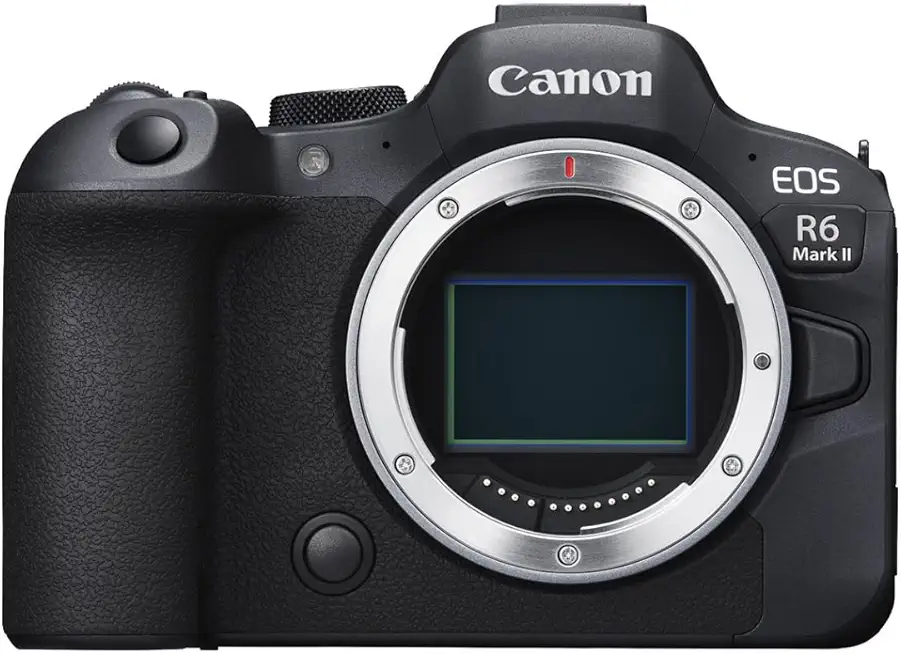
Canon EOS R6 Mark II Camera
High-speed enthusiast camera delivering rapid continuous shooting, precise low-light autofocus, smooth in-body stabilization, professional-grade video features, simplified menus, and comfortable ergonomics for extended shoots in demanding environments.
Check PriceI’ve used the R6 Mark II on fast-paced shoots and as a second body for video, and its big wins over the SL2‑S are speed and feel. Canon’s AF feels instant for people and animals and the high burst rates make it easy to nail decisive moments. The body is comfortable for long days, and the fully articulating screen helps for vlogging and awkward angles — something the SL2‑S’s fixed screen can make awkward.
Where the R6 II doesn’t match Leica is in EVF resolution and that premium, heavy‑duty finish the SL2‑S gives you. Also, if you love Leica’s specific image tone and the way files render straight out of the camera, Canon’s look is different — often preferred for pleasing JPEGs, but not the same character as Leica RAWs.
Choose the R6 II if you shoot fast events, need dependable AF for people and action, want a friendly menu and touchy-feely ergonomics for long days, or if you want strong video AF and an articulating screen. Pick the SL2‑S if build quality, EVF detail, and a Leica image character are higher on your list than outright speed.
Alternative 3:
Canon EOS R6 Mark II Camera
Compact powerhouse for hybrid creators offering dependable autofocus for portraits and action, clean high-bit-rate video, dual card slots for backup, durable weather sealing, customizable controls, and fast workflow integration.
Check PriceRunning the R6 II as my go‑to hybrid body for a few weeks showed me it’s a very practical machine for freelancers. Compared to the SL2‑S you get more out‑of‑the‑box video features and a smoother AF experience for handheld shooting. Dual card slots and compact size make it a solid field camera for weddings and corporate gigs where backup and uptime matter.
On the downside, the R6 II doesn’t deliver the same tactile luxury, nor the very high‑res EVF feel the SL2‑S offers. If your work depends on that premium build and the very particular Leica handling, you’ll miss it. Also, some photographers prefer the SL2‑S’s quieter, more thoughtful shooting style for portraits and editorial work.
This version of the R6 II is for hybrid creators who need a dependable, fast camera that’s easy to use and protects files in the field. If you value Leica’s high-end finishing, simplified controls, and the unique L‑mount lens choices, then the SL2‑S still holds its ground — but for day‑to‑day commercial and event work, the R6 II is a hard camera to beat.
What People Ask Most
Is the Leica SL2-S worth it?
If you need a rugged full-frame body with excellent low-light performance, fast handling and strong video features, yes — it’s worth it; if you want the highest resolution for huge prints or a lower price, consider other options.
What is the difference between the Leica SL2 and SL2-S?
The SL2 has a 47MP sensor for maximum detail, while the SL2-S uses a 24MP BSI sensor tuned for low light, speed and video performance.
How is the image quality of the Leica SL2-S?
Image quality is excellent for a 24MP camera with clean high-ISO performance, wide dynamic range and true-to-life color rendering.
Is the Leica SL2-S good for video?
Yes — it offers solid video specs, reliable heat management and professional features like 4K recording and 10-bit color options for serious video work.
What lenses are compatible with the Leica SL2-S?
It accepts any L‑mount lens from Leica, Panasonic and Sigma, and you can use adapters to mount many Leica M, R and other legacy lenses.
How long does the battery last on the Leica SL2-S?
Expect roughly 300–400 stills per charge in mixed use, with significantly shorter runtimes when shooting lots of video or using the EVF extensively.
Conclusion
The Leica SL2-S feels like a professional tool—solidly built with a remarkable EVF and dependable in-body stabilization. Its stills character and internal video options give you a clean, film-friendly canvas for serious work. Dual card slots and modern connectivity make it easy to integrate on set and in tough environments.
That strength comes with trade-offs: its contrast-detect autofocus is more deliberate than the fastest rivals and the fixed rear screen limits flexible framing. The body’s heft and L‑mount lens choices also mean you pay for the Leica experience. If you need blistering subject tracking, a flip screen, or the broadest and cheapest lens ecosystem, rivals outclass it.
Choose the SL2‑S if you value tactile controls, build quality, tonal rendering, and a straightforward pro video workflow. Consider the Sony A7 IV for best-in-class autofocus and lens variety, the Canon R6 Mark II for aggressive AF and flip-screen versatility, or the Nikon Z6 II for sensibly priced handling and value. Match your shooting style to the tool — try one in hand, prioritize either handling or AF/features/value, and buy the camera that reinforces the way you work.
Leica SL2-S Camera
Robust full-frame mirrorless built for demanding professionals, offering cinematic video, exceptional low-light sensitivity, intuitive handling, weather-sealed construction, high-resolution electronic viewfinder, and responsive autofocus for stills and moving images.
Check Price

0 Comments