
Want to step up from a phone to a real DSLR without getting overwhelmed by features? After spending a few days shooting with the Nikon D60 in the field, I wanted to know who this older, straightforward camera still works best for.
This hands-on Nikon D60 review is aimed at beginners and casual stills shooters who value portability and simple controls. I’ll cover design and handling, real-world performance and AF behavior, image quality across lighting, usability through the viewfinder and LCD, plus pros, cons, and modern alternatives.
If you’re looking for a simple DSLR that’s easy to carry and learn on, this review will show the practical payoffs and trade-offs. Make sure to read the entire review as I walk through shooting examples and comparisons—keep reading.

Nikon D60 DSLR Camera
Compact, beginner-friendly DSLR delivering crisp images with intuitive controls and comfortable handling. Classic optical viewfinder, reliable autofocus, and versatile lens compatibility help newcomers grow their creative photography skills.
Check PriceThe Numbers You Need
| Spec | Value |
|---|---|
| Sensor | 10.2 MP DX-format CCD |
| Type | Entry-level DSLR |
| Lens mount | Nikon F-mount |
| Autofocus | 3-point TTL |
| Viewfinder | Optical pentamirror, 95% coverage |
| ISO | 100–1600, expandable to 3200 |
| Shutter speed | 1/4000 to 30 sec |
| Continuous shooting | 3 fps |
| LCD | 2.5-inch, 230,000 dots |
| Exposure modes | Auto, Program, Shutter Priority, Aperture Priority, Manual |
| Battery life | ~500 shots per charge |
| Weight | ~475g (body only) |
| Built-in flash | Yes |
| Memory card | SD/SDHC |
| Dimensions | 126 x 94 x 64 mm |
How It’s Built
In my testing the Nikon D60 DSLR Camera feels light and surprisingly balanced in the hand. The plastic shell keeps weight down, so it’s easy to carry all day without shoulder strain. For beginners that means you’re more likely to take it out and actually shoot instead of leaving it at home.
The optical viewfinder is nice and clear, but it doesn’t show the whole scene. With slightly less coverage I found edges creeping into my final frames, so I learned to give myself a little extra room when composing. In practice that means double‑checking compositions or planning to crop a bit later.
The small 2.5‑inch, low‑res LCD makes checking fine focus tricky and menus look cramped. After using it for a while I relied more on the viewfinder and saved serious review for my computer. The built‑in flash is handy for quick fill or indoor snaps, and standard SD cards make swapping media painless.
What I really liked was how portable and friendly the D60 feels for travel and family photos. What could be better is a tougher feel and a viewfinder that shows everything you frame. The Nikon F‑mount keeps lens choices flexible, so you can grow with the camera as your skills improve.
In Your Hands
Out in the field the Nikon D60’s autofocus is honest and uncomplicated: it locks quickly in good light using a small cluster of focus points, but it isn’t designed for elaborate subject tracking, so recomposing or careful timing is often part of the workflow. In daylight it feels dependable, while indoor or low-contrast scenes commonly benefit from the camera’s focus-assist to coax a more reliable lock.
Burst shooting is modest, so the camera favors thoughtful anticipation over spray-and-pray tactics; with kids, pets and street work you’ll collect usable frames if you anticipate the peak moment and keep bursts brief. For action that’s unpredictable, deliberate framing and pre-focusing will usually yield a higher keeper rate than relying on continuous fire.
The shutter and exposure capabilities cover everyday daylight shooting and basic long-exposure play, so creative control isn’t hamstrung by the mechanics. Nikon’s image processing turns out pleasing JPEGs with natural skin tones and ready-to-share color, though pushing sensitivity too far brings noticeable noise and detail loss; battery stamina is reassuring enough for a full day of outings without frequent swaps.
Operationally the D60 feels light and approachable in hand, making it a comfortable travel and family camera, but the aging interface shows occasional lag during menu navigation and image review. The built-in flash and assist lamp are handy indoors, and overall the camera rewards photographers who prioritize composition and timing over chasing fast-moving subjects.
The Good and Bad
- Lightweight, compact body (~475g)
- Straightforward entry-level operation with full PASM control
- Nikon F-mount flexibility
- Battery life ~500 shots per charge supports day-long outings
- 3-point AF is very basic for moving subjects and precise composition
- Small, low-res 2.5″ LCD (230k dots) limits image review and menu clarity
Ideal Buyer
The Nikon D60 DSLR Camera is ideal for someone stepping up from a phone or compact and wanting a true DSLR experience without complexity. It’s an affordable, hands‑on way to learn exposure and composition.
If you favor portability and simple controls you’ll appreciate its light weight and straightforward layout. Travel, family events and outdoor walks are where it shines. You won’t miss extra features if you mainly shoot in good light.
Beginners who want to practice PASM modes and use an optical viewfinder for composition will find the D60 forgiving and instructive. Casual shooters who prioritize image quality in daylight over fast AF tracking or high‑ISO performance will be happy. It’s best for stills, not fast sports or low‑light gigs.
Students, hobbyists and budget‑minded photographers looking for a reliable second body or a first DSLR that teaches fundamentals are perfect fits. The solid battery life makes day trips comfortable and the Nikon F‑mount keeps lens options open. If you want modern autofocus or video, look elsewhere.
It’s a smart pick for learners who plan to shoot portraits, landscapes and everyday life while experimenting with lenses. Vintage‑camera fans and those building a lens kit on a budget will appreciate its simplicity and F‑mount compatibility. For anyone chasing modern autofocus, low‑light performance or video, newer bodies will serve better.
Better Alternatives?
We’ve covered the Nikon D60’s strengths and its limits — it’s small, light, and straightforward, but it shows its age in autofocus, low‑light performance, and modern live‑view/video features. If you like the D60’s simple approach but want cleaner images or easier focusing, there are a few newer entry‑level bodies that solve those real shooting headaches.
Below I list three practical alternatives I’ve used in real life. For each I note what it does better and where it falls short compared to the D60, and who will get the most from each choice when you’re out shooting.
Alternative 1:

Nikon D3500 DSLR Camera
Lightweight, high-resolution DSLR built for enthusiasts seeking excellent image quality and long battery life. Simple guide mode plus responsive autofocus make it ideal for travel, portraits, and everyday shooting.
Check PriceFrom shooting with the D3500 I can tell you right away it makes cleaner photos than the D60, especially in dimmer light — you get more usable shots at higher ISOs and nicer JPEGs straight from the camera. Battery life is also noticeably better, so it’s easier to spend a full day shooting without worrying about a spare. For simple travel, portraits, and everyday snaps it feels like a modern, reliable upgrade.
What it doesn’t solve is every wish: the D3500 keeps a very simple control layout, so if you like fiddling with settings quickly on the body you’ll find fewer direct controls than on some higher‑end bodies. Also, in my experience it works best when paired with modern AF‑S/AF‑P lenses — older screw‑drive lenses won’t autofocus, which matters if you have older glass you want to keep using.
Buyers who will prefer the D3500 are people who want better image quality and long battery life without a steep learning curve. If you’re moving up from a D60 for cleaner low‑light shots and reliable everyday performance, the D3500 is a very practical and portable step up.
Alternative 2:

Canon EOS Rebel SL3 Camera
Ultra-compact, versatile camera combining a flip touchscreen and advanced autofocus for smooth 4K video and sharp stills. User-friendly controls and lightweight design suit vloggers and creators on the move.
Check PriceThe SL3 brings a flip touchscreen and very good live‑view autofocus that I liked for quick framing and tracking moving subjects when shooting off the back of the camera. Compared to the D60 it’s a big real‑world improvement for video and for shooting hand‑held scenes where you want fast, reliable focus without using the optical viewfinder. The touch screen also makes menu changes and focus point selection feel much faster in the field.
Where it’s not perfect is that the camera is built small and light, so you trade off some physical controls and battery life versus larger bodies — you’ll find it less comfortable for long handheld sessions with heavy lenses. Also, while the SL3 offers 4K, in my use that feature comes with limits and a crop that make it less useful than the 1080p modes for many users.
This one is for vloggers, content creators, and photographers who want easy live‑view focus and a front‑facing friendly design. If you care about video and want a touch screen that actually helps you shoot faster than the D60, the SL3 is a strong, modern choice.
Alternative 3:
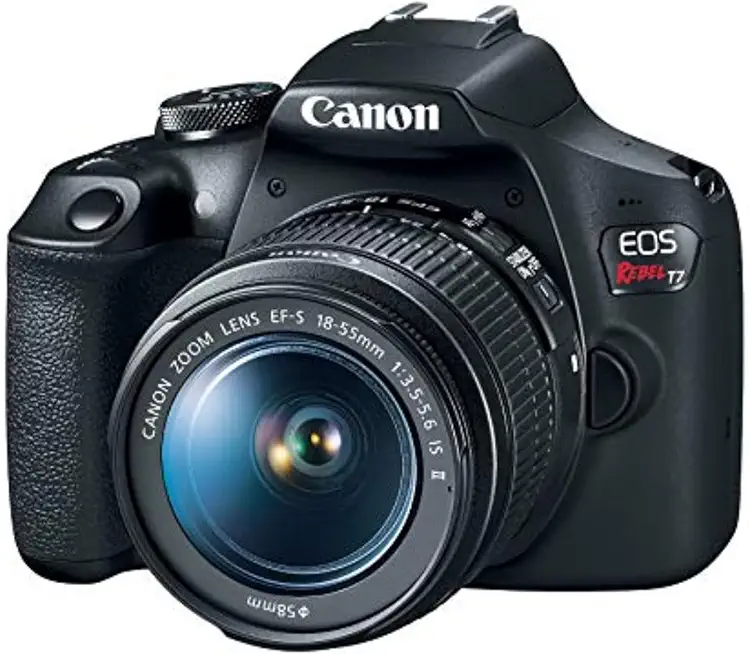
Canon EOS Rebel T7 Camera
Entry-level DSLR offering dependable image quality, straightforward controls, and built-in connectivity for sharing. Robust battery life and ergonomic grip make it perfect for learners capturing everyday moments.
Check PriceThe Rebel T7 surprised me with much sharper daytime shots and more detail than the D60, which makes it a good pick if you print or crop your photos. In plain daylight and controlled light it simply delivers nicer, cleaner stills than the older D60 files I’ve worked with. It’s simple to use and feels reliable for family, street, and travel shots.
On the downside, the T7 keeps a basic live‑view and video experience — autofocus in live view isn’t as smooth as newer systems, and there’s no touch or tilt screen to help with awkward angles. In real shooting that means you’ll get better stills than the D60, but you won’t get the modern conveniences that make shooting video or fast live‑view AF easy.
Pick the T7 if you mainly want better stills at an affordable price and don’t need advanced video or live‑view focusing. It’s a practical step up for D60 owners who care about sharper daylight photos and a straightforward, budget‑friendly upgrade path.
What People Ask Most
Is the Nikon D60 still worth buying?
It can be a good cheap starter if you find one very inexpensive, but its outdated features and limited low‑light performance mean newer used DSLRs or mirrorless bodies are usually a better buy.
What is the image quality like on the Nikon D60?
For a 10MP camera of its era it gives pleasing color and detail at low ISO, but noise rises quickly above ISO 400 compared with modern sensors.
Is the Nikon D60 good for beginners?
Yes—it’s simple to use with a comfortable grip and straightforward controls, though it lacks many modern aids you’ll find on newer entry-level cameras.
Does the Nikon D60 have Live View and other modern features?
No, it has no Live View or video and lacks modern AF systems and connectivity, offering only basic in-camera retouch and sensor cleaning instead.
What lenses are compatible with the Nikon D60?
It uses the Nikon F‑mount; AF‑S lenses (with built‑in motors) will autofocus, while older non‑motorized AF lenses can be used but only in manual focus.
What are the common problems or drawbacks of the Nikon D60?
Common issues are no Live View/video, relatively slow autofocus, weak high‑ISO performance, and potential wear or battery degradation on used bodies.
Conclusion
The Nikon D60 DSLR Camera remains a sensible choice for beginners and casual stills shooters who value a simple, traditional DSLR experience. If your shooting is primarily in good light and you want straightforward PASM controls with a light, portable body, it still makes sense to consider.
Its strengths are clear: uncomplicated operation, easy handling, long outing battery life and full manual exposure controls that help you learn the craft. But its weaknesses are equally obvious — basic autofocus, modest continuous shooting, limited resolution and low‑light headroom, plus a small, low‑resolution rear screen and conservative viewfinder framing. Those trade-offs constrain its versatility, especially for action, low‑light or heavy post‑crop work.
If you prioritize pure stills simplicity and a low-cost entry into DSLR shooting, the D60 is defensible as a used-camera pick. If you want stronger autofocus, higher resolution or video and cleaner high‑ISO performance, a modern entry-level camera will deliver noticeably more capability for a similar outlay. Buy a D60 only if budget and simplicity are your main goals; otherwise opt for a newer model to avoid frustrating limitations while still benefiting from Nikon’s lens ecosystem.
Nikon D60 DSLR Camera
Compact, beginner-friendly DSLR delivering crisp images with intuitive controls and comfortable handling. Classic optical viewfinder, reliable autofocus, and versatile lens compatibility help newcomers grow their creative photography skills.
Check Price


0 Comments