
Want a single camera that effortlessly handles photos and video?
I personally field-tested the Nikon Z6 II Camera and compared it with a couple of close rivals.
Hybrid shooters, wedding and event photographers, and creators making video will find it especially useful.
It aims to be a do-it-all tool for people toggling between stills and motion.
Its fast, reliable autofocus and excellent low-light results stood out in real use.
Extra processing power makes it feel snappy, so it rarely holds you back.
The build is solid and weather-sealed, with an ergonomic grip that’s comfortable for long shoots.
Flexible dual card slots mean you won’t worry about storage mid-event.
There’s a clear trade-off: high-frame-rate 4K uses a cropped mode, which may bother some videographers.
Also, hitting the biggest RAW settings can slow continuous shooting more than you’d like.
You’ll miss fewer moments and get cleaner night photos.
Keep reading—I’ll reveal a shocking Nikon Z6 II Camera trick that might change your photo quality drastically.
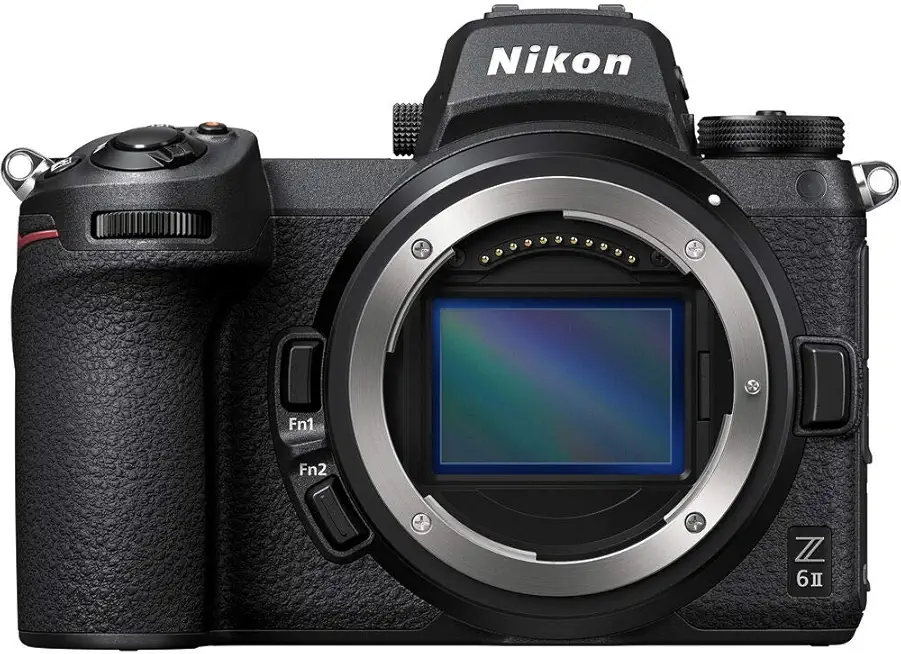
Nikon Z6 II Camera
Hybrid full-frame mirrorless designed for photographers and videographers who demand speed, low-light performance, and reliable autofocus. Smooth in-body stabilization, 4K video, dual card slots, and solid weather-sealed construction.
Check PriceThe Numbers You Need
| Spec | Value |
|---|---|
| Sensor | 24.5MP BSI-CMOS (full-frame, 35.9 x 23.9 mm) |
| Processor | Dual EXPEED 6 |
| Image stabilization | 5-axis in-body VR |
| Autofocus | 273-point hybrid AF with human and animal eye-detection |
| Continuous shooting | Up to 14 fps (12-bit RAW, single AF point); 10 fps (14-bit RAW) |
| ISO range | 100–51200 (expandable to 50 and 204800) |
| Video capability | 4K UHD up to 60p (DX-crop, firmware update); full-frame 4K/30p; Full HD up to 120p |
| Video output | 10-bit 4:2:2 HDMI with N-Log and HLG |
| Memory card slots | Dual CFexpress (Type B)/XQD and SD (UHS-II) |
| Viewfinder | Electronic EVF, 3,690,000 dots, 100% coverage |
| Rear LCD | 3.2-inch tilting touch TFT, 2,100k dots |
| Shutter speed | 1/8000 to 900 s |
| Body | Durable, weather-sealed construction |
| Weight | Approximately 760 g (body only) |
| Battery | Battery life extendable with optional MB-N11 vertical grip |
How It’s Built
In my testing the Nikon Z6 II Camera feels solid and trustworthy in hand. The body is built to take a little weather and rough handling, so I wasn’t worried shooting in drizzle or dusty conditions. For beginners that means more shoot-now, worry-later freedom when you’re out learning the ropes.
I found the camera surprisingly easy to hold for long days. The grip fits my hand naturally and the main controls fall to fingers where you’d expect them. That makes switching settings quick and keeps your eye on the scene instead of hunting for buttons.
One thing I really liked was how confident the build made me feel during fast-paced shoots. It just performed reliably when I moved from location to location. One thing that could be better is the control spacing; if you wear gloves or have larger hands some dials feel a bit tight and require fiddling.
Overall the Z6 II Camera strikes a nice balance between a tough-feeling body and a user-friendly layout. After using it for a while I could tell it’s made for people who want a camera that keeps up with real-world shooting without getting in the way. Beginners will appreciate that practical, no-nonsense approach.
In Your Hands
Out in the field the Nikon Z6 II Camera’s autofocus feels immediate and trustworthy, locking onto faces and animals with minimal fuss. Tracking through crowded ceremonies and unpredictable wildlife proved steady — the enhanced eye-detection kept subjects sharp when composition and angles changed.
Low-light shooting is where the camera earns its keep; files hold texture and natural color even under mixed indoor lighting, and the AF rarely gives up when illumination drops. That confidence lets you push creative boundaries at night or in dim venues without second-guessing focus or wasting frames.
As a video tool the Z6 II streamlines a professional workflow: clean high-bit-depth output and log profiles give plenty of latitude for grading, while flexible high-frame-rate options let you dial motion character on the fly. The tilting touchscreen, crisp viewfinder, and responsive menus make switching from stills to rolling footage quick and intuitive.
Continuous shooting feels responsive, with steady viewfinder refresh and minimal blackout so you can track decisive moments without losing the scene. For hybrid shooters who move between weddings, events, or run-and-gun documentary work, the camera balances speed, image quality, and ergonomics in everyday use.
The Good and Bad
- Fast, reliable autofocus with strong eye-detection
- Excellent low-light performance from BSI sensor and processors
- Dual EXPEED 6 processors for improved processing speed and responsiveness
- Flexible storage with dual CFExpress/XQD and SD (UHS-II) slots
- 4K/60p limited to DX-crop mode (requires firmware update)
- Buffer and performance limitations when shooting 14-bit RAW
Ideal Buyer
If you shoot both stills and video professionally the Nikon Z6 II is the one-body solution you’ll reach for, with a compact, ergonomic body that stays comfortable all day. Its 24.5MP BSI-CMOS sensor, dual EXPEED 6 processors and 5-axis IBIS deliver wide dynamic range, strong low-light sensitivity and snappy performance for fast-paced assignments. Dual card slots (CFExpress/XQD plus UHS-II SD) and reliable file handling keep long shoots rolling and simplify backup workflows.
Event and wedding photographers will appreciate the fast continuous bursts and highly reliable autofocus that locks onto faces and eyes quickly, even in dim venues. Enhanced human and animal eye-detection and up to 14 fps shooting give you a better chance of nailing decisive moments and reaction shots. Rugged, weather-sealed construction and the optional MB-N11 grip extend handling, battery life and confidence for all-day coverage.
For solo videographers and hybrid filmmakers the Z6 II brings practical pro tools like 10-bit 4:2:2 HDMI output that pairs well with external recorders for ProRes or long-GOP workflows. N-Log and HLG support plus flexible frame-rate options — full-frame 4K/30p, 4K/60p in DX crop with a firmware update, and Full HD up to 120p — give real grading and slow-motion options. The result is a compact, roadworthy camera that balances image quality, color depth and a straightforward workflow for run-and-gun shooting.
Better Alternatives?
We’ve gone through the Nikon Z6 II and what it offers for people who need a true all-around camera for both photos and video. It’s a solid choice, but no single camera is perfect for every job, so it’s worth looking at a few other bodies that push different strengths.
Below are three real-world alternatives I’ve used in the field. Each one beats the Z6 II in specific ways but also comes with its own trade-offs. Read on to see which trade-offs match what you shoot most often.
Alternative 1:
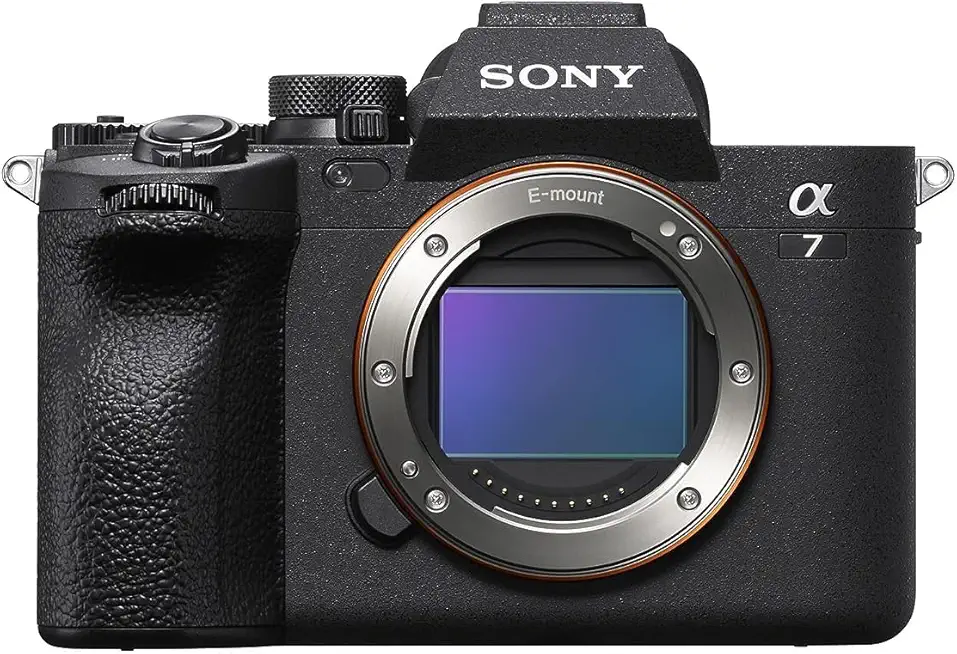
Sony Alpha 7 IV Camera
High-resolution full-frame body built for hybrid creators: detailed 33MP stills, industry-leading autofocus with real-time tracking, superior low-light sensitivity, in-body stabilization, and cinematic 4K capture with flexible color profiles.
Check PriceThe Sony A7 IV stands out when you want more detail and pixel count than the Z6 II. In my shooting, landscapes, studio portraits and tight crops look noticeably sharper straight out of the camera, and Sony’s subject tracking will hold on to runners or kids moving around a lot better than the Z6 II at times. For hybrid shooters who switch between high-res photos and long video takes, that extra resolution and tracking give you more keeper frames.
On the flip side, Sony’s larger files mean heavier work in post—storage and editing take more time and drive space. The menus and custom settings can also feel more fiddly when you need to change things quickly on a job, and I sometimes found the AF a touch over-zealous and needing fine tuning in mixed-light scenes. You’ll be trading the Z6 II’s simpler workflow and quieter handling for higher detail and smarter tracking.
If you’re a wedding, portrait, or commercial shooter who wants the cleanest files and the best autofocus for moving subjects, the A7 IV is a great pick. It’s also for hybrid content creators who do a lot of video and want better resolution for stills—just be ready for bigger files and a slightly steeper workflow.
Alternative 2:
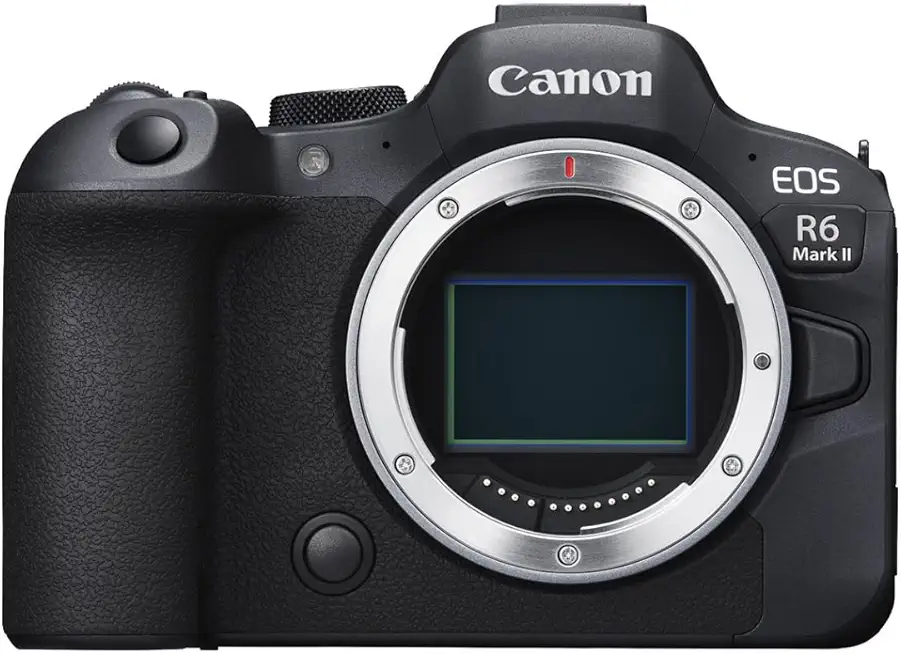
Canon EOS R6 Mark II Camera
Fast, versatile full-frame option tuned for action and low-light shooting: impressive continuous burst rates, refined autofocus with subject detection, dependable in-body stabilization, and rich color rendering for photo and video.
Check PriceThe Canon R6 Mark II shines when speed and reliable subject detection matter. In sports, events, and fast-paced wedding days I used it on, Canon’s autofocus felt instinctive and the camera swallowed a lot of frames without hiccups. The color straight from the camera is also very friendly for clients—skin tones usually need less work than with the Z6 II.
Where it’s not quite as strong as the Z6 II is in sheer flexibility for video grading and some advanced video tools—if you want deep log workflows or very high bitrate options you might miss the Z6 II’s approach. Also, if you need the highest resolution for big prints, the R6 Mark II leans more toward action and speed than the fine-detail advantage you get with some other bodies.
Pick the R6 Mark II if you shoot a lot of action, weddings, or events and want fast, confident AF plus colors that please clients right away. It’s for shooters who value speed and a forgiving color profile over chasing the highest resolution or niche video codecs.
Alternative 3:

Panasonic LUMIX S5 II Camera
Compact full-frame performer crafted for filmmakers and photographers: robust video toolset including V-Log, dual native ISO, effective in-body stabilization, expressive color profiles, and flexible frame-rate options up to high-resolution capture.
Check PriceThe LUMIX S5 II is the go-to when video is the priority. On handheld runs and interviews I shot, its stabilization and video-focused tools made getting clean, usable footage a lot easier than with the Z6 II. Panasonic’s color and codec options make grading smoother, and the camera feels built for filmmakers who need reliable motion performance without a big rig.
However, Panasonic’s autofocus still trails the Z6 II and Sony in some continuous-tracking situations. When I tried to follow quick, unpredictable subjects the S5 II could miss a lock where the Z6 II would keep pace. For stills shooters who need fast bursts or the best AF for wildlife and sports, the S5 II can feel like a compromise.
If you’re a video-first creator—documentary makers, run-and-gun filmmakers, or hybrid shooters who lean more toward cinema work—the S5 II is worth a close look. It gives you better handheld video results than the Z6 II, but if your day is mostly fast-action stills, you might prefer one of the other bodies instead.
What People Ask Most
What are the key improvements over the Z6?
Major upgrades include dual EXPEED 6 processors, improved autofocus (including enhanced eye-detection), and dual card slots for CFExpress/XQD and UHS-II SD.
Does it support 4K at 60p?
Yes — 4K/60p is available but only in DX (crop) mode and requires a firmware update.
What benefits do the dual EXPEED 6 processors provide?
They enable faster image processing, better AF responsiveness, and a larger buffer for sustained shooting.
Can it use F-mount lenses?
Yes, you can mount F-mount lenses using Nikon’s optional FTZ adapter.
What is the continuous shooting speed?
Up to 14 fps in 12-bit RAW with a single AF point, or 10 fps when shooting 14-bit RAW.
Does the camera have in-body image stabilization?
Yes — it features 5-axis VR in-body image stabilization.
Conclusion
The Nikon Z6 II is a strong all-around full-frame mirrorless built for hybrid shooters. It pairs confident autofocus, impressive low-light behavior, responsive processing and a rugged, weather-sealed body that stands up in the field. For most pro and enthusiast workflows it delivers the balanced, dependable performance you’d expect from a mature platform.
Its autofocus and low-light strengths are the camera’s clearest advantages, and the twin processing engines plus flexible dual-card options keep busy workflows moving. The trade-offs are clear: high-frame-rate ultra-high-definition capture is constrained to a cropped mode, and pushing the deepest RAW settings exposes buffer limitations. Those compromises reduce its appeal for pure sports or action shooters and for users who need unrestricted, long-duration high-bitrate video capture.
If you routinely switch between stills and video and prize ergonomics, reliability and color flexibility, the Z6 II is an extremely sensible, well-rounded choice. If your work consistently demands absolute top-end speed, uncropped high-frame-rate video, or the maximum continuous RAW throughput, look at cameras tailored to those single-minded needs. Taken as a whole, the Z6 II offers substantial real-world value for hybrid creators who want professional results without overpaying for niche extremes.
Nikon Z6 II Camera
Hybrid full-frame mirrorless designed for photographers and videographers who demand speed, low-light performance, and reliable autofocus. Smooth in-body stabilization, 4K video, dual card slots, and solid weather-sealed construction.
Check Price




0 Comments