

Want a compact camera that lifts your images above smartphone snaps without weighing you down?
The Olympus XZ-1 Camera promises a very bright built‑in zoom in a pocketable body.
Having put one through varied shoots, I wanted to see where it still shines.
This review’s for travelers, street shooters, and enthusiasts who want fast aperture and easy carry.
I’ll walk through how it handles and what images look like in real use. Make sure to read the entire review as I separate the useful from the nostalgic — keep reading.

Olympus XZ-1 Camera
Pocketable premium compact featuring an ultra-bright f/1.8 lens and sturdy metal body, delivering impressive low-light performance, RAW capture, responsive controls, and detailed images ideal for travel, street, and everyday photography.
Check PriceThe Numbers You Need
| Spec | Value |
|---|---|
| Sensor | 1/1.63" CCD |
| Resolution | 10 MP |
| Lens | 28-112mm f/1.8-2.5 |
| Zoom | 4x optical |
| Image Stabilization | Sensor Shift |
| ISO Range | 100-6400 |
| Shutter Speed | 60s to 1/2000s |
| Video | 720p at 30 fps |
| Screen | 3" OLED |
| Focus | Manual focus |
| LCD Resolution | 614,000 dots |
| Battery Life | Approx. 300 shots |
| Dimensions | 110 x 64mm |
| Weight | 223g |
| Storage | SD/SDHC/SDXC cards |
How It’s Built
In my testing the Olympus XZ-1 Camera felt like a grown-up compact — solid metal, nicely finished, and small enough to toss in a jacket pocket without thinking. That build gives you real confidence shooting on the street or while traveling. What I really liked was how premium it feels for such a pocketable camera.
The controls are straightforward and friendly for beginners, with a comfortable little grip that lets you shoot one‑handed when you need to. The manual focus ring and dedicated dials make stepping beyond auto simple and rewarding. The display is bright and colorful for composing and checking shots, though it can be a touch tricky under harsh sunlight.
One thing that could be better is the lack of a built‑in flash — you’ll need an external unit for serious low‑light fill or bounce work. Battery life held up through a full day of casual shooting in my use, and SD cards worked reliably; just use a decent card if you plan on lots of shots or HD clips. That trade-off is easy to manage once you plan for it.
For a beginner this means learning is low friction: a tough, pocketable camera that encourages shooting and experimentation. After using it for a while I appreciated how the design invites you to carry it every day, so you actually take more photos.
In Your Hands
The Olympus XZ-1’s bright zoom covers wide travel scenes to short tele portraits, making it a versatile pocket tool for landscapes, street candids and intimate headshots. The fast aperture delivers subject separation and pulls usable light indoors, so you can rely on available light more often than with typical compacts.
Its CCD sensor renders colors and tones with a pleasing, film-like character at base sensitivity, producing JPEGs that look polished straight from the camera. Push sensitivity for dim conditions and noise becomes more apparent, trading fine detail for moodier grain.
You can explore long-exposure night shots and light trails without fuss, and the camera behaves predictably when dialing exposure to taste. Sensor-shift stabilization noticeably steadies handheld shots across the zoom range, improving keeper rates in lower light.
Video is useful for casual clips and travel highlights, but it’s aimed at everyday sharing rather than high-end production work. The rear OLED is bright and punchy for composing and checking focus, though direct sun can still make previewing tricky.
A full day of mixed shooting is realistic with reasonable power management, and reliable SD cards keep your workflow smooth. In practice the XZ-1 is an enjoyable, carry-everywhere camera for family events, street nights and close-up details.
The Good and Bad
- Bright 28–112mm f/1.8–2.5 lens
- Sensor-shift image stabilization
- Compact and light (110 x 64 mm; 223 g)
- 3″ OLED display (614,000 dots)
- No built-in flash (external flash option available)
- Video limited to 720p/30 fps
Ideal Buyer
If you want a genuinely pocketable camera that still feels like a photographer’s tool, the Olympus XZ-1 is built for you. Its bright f/1.8–2.5 zoom and compact body make it an excellent grab-and-go option for stills-first shooters.
Travelers and street photographers will love the 28–112mm reach and sensor‑shift stabilization. You can handhold in dim cafés and city nights more often than with most compacts. The XZ-1’s size and handling encourage spontaneous shooting all day.
Families and event shooters who favor available light will appreciate the lens’ low‑light chops and the option to add an external flash when needed. Manual focus gives enthusiasts precise control for portraits and close work. Battery life and SD card compatibility keep workflow simple on the road.
This isn’t the camera for someone chasing 4K video, the fastest AF or modern high‑ISO performance. If you value tactile controls, a bright built‑in zoom, and straightforward image-making over cutting‑edge specs, the Olympus XZ-1 is an elegant, stills-focused companion.
Better Alternatives?
We’ve already dug into what makes the Olympus XZ‑1 special: that bright f/1.8–2.5 zoom, pocketable body, and a shooter‑first feel that’s great for travel and low‑light stills. It’s an easy camera to carry and it gives you quick, pleasing results when you want simple, good photos without fuss.
If you want something that leans more to reach, speed, or pure image quality, there are a few cameras that change the tradeoffs the XZ‑1 makes. Below are three options I’ve used in the field — each one wins in different real‑world ways and loses in others, so you can pick what matters most to your shooting.
Alternative 1:
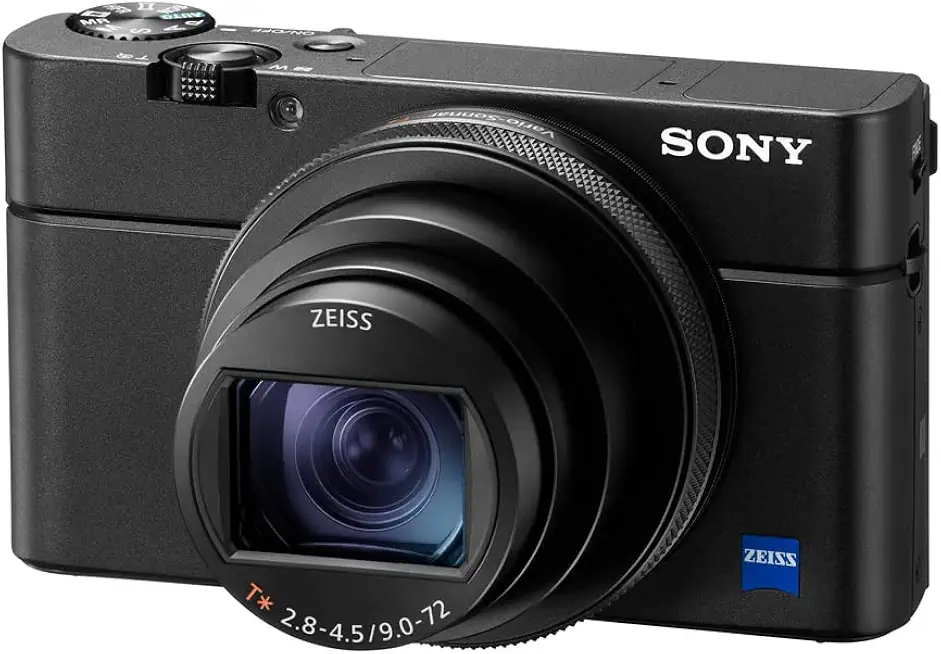
Sony RX100 VII Camera
Professional-grade 1-inch sensor compact with versatile 24–200mm zoom, lightning-fast autofocus and high-speed continuous shooting, plus 4K video and advanced tracking—ideal for content creators who demand portability without compromise.
Check PriceI’ve used the RX100 VII on trips and events where I needed one camera that could do almost everything. Compared to the XZ‑1, it gives you far more reach and much faster, smarter autofocus — that means I can grab candids and distant subjects without fumbling for a longer lens. The 4K video and high burst rates are real advantages if you shoot moving subjects or make video clips for social media.
What it doesn’t do as well as the XZ‑1 is the bright wide‑end feel. The XZ‑1’s f/1.8 wide lens lets you get really shallow backgrounds and squeeze more light in tight indoor spots; the RX100 VII doesn’t open as wide, so you sometimes need higher ISO or slower shutter. Also, the Sony is busier in menus and costs a lot more — it’s a higher‑tech tool, not the simple pocketable shooter the XZ‑1 is.
Buyers who should pick the RX100 VII are people who want one small camera that covers travel, wildlife at a distance, and high‑quality video. If you need reach and fast AF and are willing to trade a bit of wide‑aperture brightness and simplicity for those things, the RX100 VII is a strong step up from the XZ‑1.
Alternative 2:

Fujifilm X100V Camera
Retro-inspired fixed-lens camera with large APS-C sensor and sharp 23mm optic, offering a hybrid viewfinder, film-simulation colors, tactile dials, and stellar image quality for passionate street and portrait photographers.
Check PriceThe X100V is a different kind of camera I reach for when image quality and the shooting experience matter more than zoom flexibility. With its larger APS‑C sensor and a sharp 23mm lens, the files are richer, the colors pop, and you get better control of depth of field than the XZ‑1. I’ve used it for street work and portraits where the tones and film simulations make JPEGs look finished straight from the camera.
Where it’s worse than the XZ‑1 is obvious: there’s no zoom. That fixed 35mm‑equivalent view forces you to move for framing, so it’s less forgiving for quick travel snaps or tight portraits from a distance. It’s also larger and heavier than the tiny XZ‑1, and there’s no sensor‑shift stabilization to help handheld low‑light shots the way the Olympus does.
The X100V fits buyers who love a crafted shooting feel and who prioritize photo quality and style over convenience. If you want deliberate, beautiful stills and like working at one focal length, this camera will reward you more often than the XZ‑1.
Alternative 3:
Fujifilm X100V Camera
Designed for discerning shooters seeking simplicity, this compact produces rich JPEGs straight from camera, features a tilting LCD, weather-resistant build with adapter, fast performance, and discreet handling for documentary work.
Check PriceUsed in real life, the X100V also shines as a low‑profile documentary tool. The hybrid viewfinder, quick physical dials, and optional weather sealing (with the adapter) make it reliable in tricky conditions — rain, street crowds, or fast‑moving scenes. Compared to the XZ‑1, the X100V’s files hold up much better at higher ISO and give nicer skin tones and contrast during long days of shooting.
It still loses to the XZ‑1 on pure practicality: no zoom, fewer stabilization aids, and a price that’s higher than what the XZ‑1 cost when new. If you want the XZ‑1’s “point and zoom” pocketability for family snapshots or quick travel photos, the X100V asks you to slow down and commit to a single focal length.
Choose this X100V variant if you’re a documentary or street shooter who cares about handling, reliable JPEGs, and a discreet camera that performs in real conditions. If you want instant versatility and that bright zoom for run‑and‑gun shooting, stay with the XZ‑1 or look at zoom‑centric compacts instead.
What People Ask Most
Is the Olympus XZ-1 a good camera?
Yes — it’s a well-built premium compact with a very fast lens and manual controls that appeal to enthusiasts, though its small sensor limits high-ISO performance compared with newer models.
How is the image quality of the Olympus XZ-1?
Very good for a compact of its era: sharp, punchy images with pleasing color and shallow depth at wide apertures, but fine detail and noise control lag behind larger-sensor cameras.
Does the Olympus XZ-1 shoot RAW?
Yes — it records RAW (ORF) files as well as JPEG, giving you more flexibility for post-processing.
How does the Olympus XZ-1 compare to the Canon S95?
The XZ-1 has a faster f/1.8 lens and a punchier look, while the S95 typically gives slightly better high-ISO behavior and a flatter starting profile; pick based on whether lens speed or ISO/noise matters more to you.
How is the low-light performance of the Olympus XZ-1?
The fast f/1.8 lens helps a lot and produces usable shots at moderate ISOs, but noise increases quickly above ISO 800 because of the small sensor.
Is the Olympus XZ-1 worth buying?
Yes if you want an affordable, pocketable camera with a fast lens and manual controls — buy used; if low-light performance or resolution is a priority, consider newer compacts or a mirrorless camera instead.
Conclusion
The Olympus XZ-1 remains a compelling pocket camera for photographers who prize a fast, flexible lens in a small package. Its combination of bright aperture and sensor‑shift stabilization makes it a stills‑first tool that invites shooting in available light and rewards careful composition. It feels purposeful rather than gimmicky, built to be used every day.
That focus comes with tradeoffs. There’s no built‑in flash and video is intentionally basic, and the older CCD‑era platform shows its age next to modern sensors and processors. If you demand cutting‑edge low‑light performance or advanced video features, that will matter for your work.
Buy it if you want simple, dependable image quality, tactile controls and a camera you’ll actually carry everywhere. Travel, street and everyday portraits benefit from the lens and stabilization more than from chasing specs or high burst rates. Enthusiasts who enjoy manual focus control and deliberate shooting will find it satisfying and characterful.
Consider modern alternatives when you need faster autofocus, higher ISO headroom, 4K video or much more zoom reach. Otherwise the XZ‑1 offers an honest, compact value that makes bright glass accessible without needless complexity. Match it to your subjects and shooting habits and it will reward you every time you take it out.
Olympus XZ-1 Camera
Pocketable premium compact featuring an ultra-bright f/1.8 lens and sturdy metal body, delivering impressive low-light performance, RAW capture, responsive controls, and detailed images ideal for travel, street, and everyday photography.
Check Price

0 Comments