
Wondering what is a prosumer camera and if it fits your needs?
This short guide answers that in plain words and shows when a prosumer is the right choice.
You’ll learn core features like sensor size, autofocus, video specs, stabilization, and why they matter. We also compare prosumer vs consumer and prosumer vs professional models to help you decide.
The article lists who should buy a prosumer camera and gives clear pros and cons. Read on for simple buying checklists, real‑world scenarios, and quick tests to try in store.
What Is a Prosumer Camera?
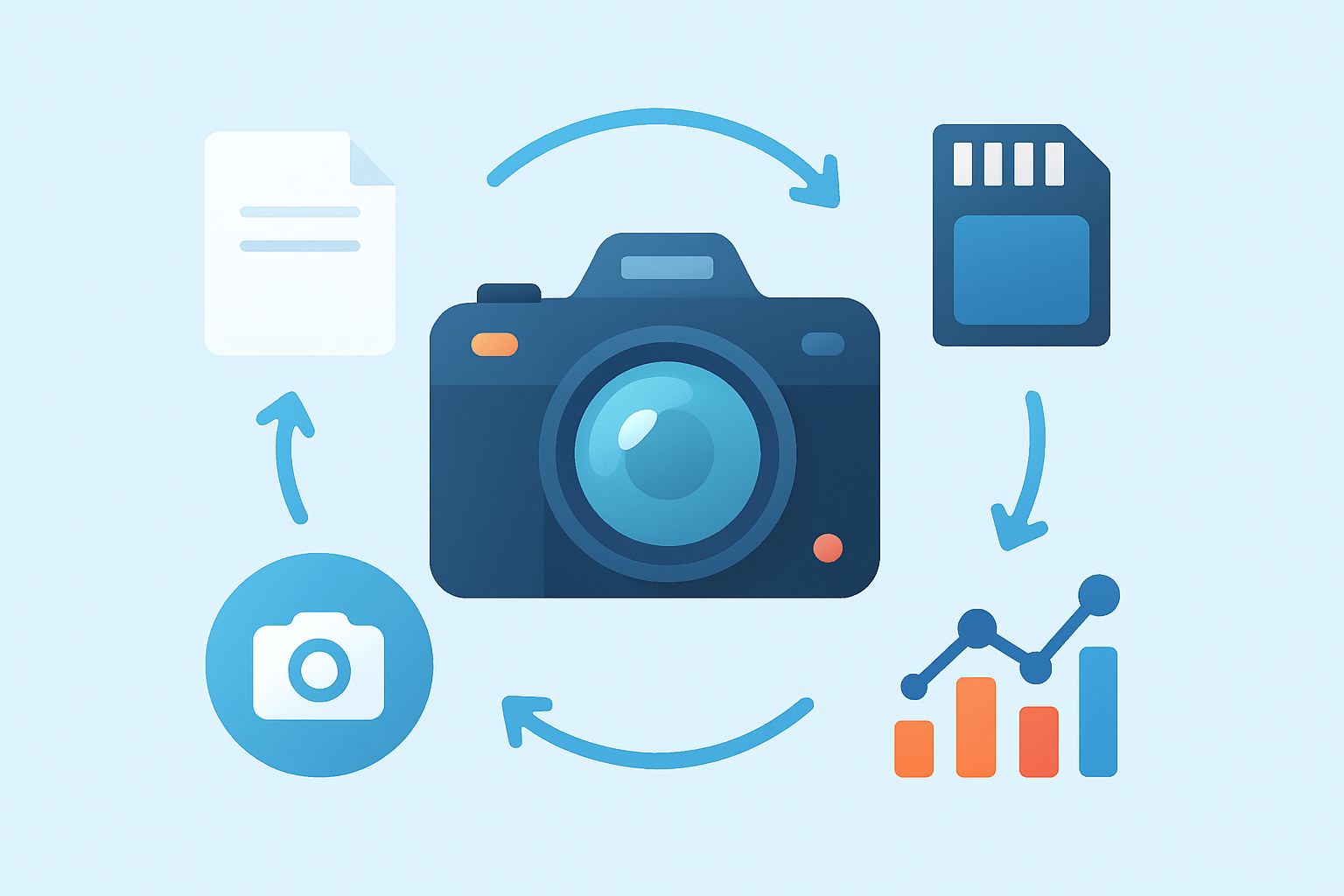
If you ask what is a prosumer camera, it is a mid‑range camera that sits between consumer and professional models, with advanced controls, better image quality, and more features than entry gear without the full pro price. This middle tier delivers serious performance in a body that stays friendly for learners.
Quick answer: a capable middle ground for serious shooters and creators.
The word blends “pro” and “consumer.” It describes cameras aimed at advanced hobbyists, aspiring creators, and working side‑gig shooters who want control and dependability without going all‑in on pro bodies and lenses. It is the sweet spot for many travel and content workflows.
Prosumer covers three common categories. You have advanced fixed‑lens bridge models with long zooms, premium compacts with fast lenses and big sensors, and mid‑range interchangeable‑lens bodies in mirrorless or DSLR form. Each gives you manual control, RAW, and strong video tools.
Sensor sizes usually range from 1‑inch through Micro Four Thirds to APS‑C in this class. Prices land in the mid‑range, often well under flagship costs but above basic entry kits. Typical uses include travel, hybrid photo and video, nature, family events, and small business content.
Think of a photo showing a compact with a bright lens, a bridge camera with a superzoom, and an APS‑C mirrorless with a kit zoom. The caption would note they are prosumer because they offer manual modes, larger sensors than phones, and creator‑focused video features. The best prosumer cameras balance capability and portability.
If you ever weigh prosumer vs consumer simplicity or prosumer vs professional power, this mid‑range camera guide will help you find the right middle ground. It keeps learning fun while leaving room to grow.
Key Features of Prosumer Cameras
Manual control is the headline feature of prosumer gear. You get dedicated dials and custom buttons for shutter speed, aperture, and ISO, so you can adjust quickly without menu diving. In store, check if you can change all three by touch without taking your eye from the viewfinder.
Sensor size drives image quality and look. A 1‑inch sensor is compact and gives big zoom reach, while Micro Four Thirds and APS‑C bring better low‑light performance and shallower depth of field. Bigger sensors usually mean cleaner files, more dynamic range, and nicer background blur.
Resolution matters, but balance it against noise and workflow. More megapixels help with cropping landscapes and products, yet moderate resolutions often deliver better high‑ISO performance. Ask yourself how large you really print or crop before chasing numbers.
Lens capability shapes your creative path. A fixed superzoom bridge camera gives you one body that does it all, from wide to long telephoto, with no lens swaps. Interchangeable‑lens systems unlock primes and specialty glass, but you must plan lens costs and availability.
Lens ecosystems are a big deal in this tier. Make sure there are affordable zooms and primes, plus third‑party options you can grow into. The features of prosumer cameras shine most when paired with the right glass.
Autofocus is now fast and smart. Look for hybrid phase‑detect systems with subject tracking for people, animals, and vehicles, and test continuous AF on a runner or passing bike. If it sticks to the eye and stays locked as subjects move, you are in good shape.
Video specs separate casual from creator. 4K at 30p is fine, but 4K at 60p gives smoother motion and slow‑downs, and internal 10‑bit with log profiles is ideal for serious grading. Watch for rolling shutter and overheating limits by recording a few minutes and reviewing the clip.
Stabilization helps you travel light. In‑body IBIS plus lens IS can add several stops, making hand‑held video and low‑light stills much steadier. If you walk and shoot, IBIS is a game changer for run‑and‑gun work.
Build and ergonomics decide how the camera feels day to day. Try the grip, weight, and button layout, then check the electronic viewfinder clarity and refresh rate. An articulating or fully flippy screen is great for low angles, vlogging, and tight spaces.
Connectivity saves time on set and in post. Microphone and headphone jacks, clean HDMI output, and reliable Wi‑Fi or Bluetooth make hybrid work smoother. Dual card slots are rarer here but welcome if you shoot paid events.
Battery life is the quiet trade‑off. Smaller bodies are light, but may need spare batteries for long days. Make a habit of charging nightly and carrying a power bank if you shoot video a lot.
Imagine an annotated diagram pointing to the shutter speed dial, exposure compensation wheel, AF joystick, record button, and custom function keys. It shows how you can work by feel instead of menus. That control is the heart of this class.
A simple feature checklist to bring to the store reads like this: fast access to ISO/shutter/aperture, reliable subject AF, 4K60 10‑bit with log, solid IBIS, mic and headphone jacks, bright EVF, and a lens plan you can afford. If a body ticks most boxes, it is a strong prosumer pick.
How Prosumer Cameras Compare to Consumer and Professional Models
Consumer cameras focus on ease and price, prosumer models add control and quality, and professional bodies maximize performance and reliability. Prosumer is the bridge that borrows power from the pro side yet keeps costs and size in check. It is the practical middle for many creators.
Versus consumer models, prosumer bodies bring larger sensors, better lenses, deeper manual control, and stronger video tools. You pay more, but you gain room to grow and produce. Files are cleaner, and handling is faster when light or subjects get tricky.
Versus professional bodies, prosumer cameras often skip extreme low‑light performance, the fastest AF modules, full‑frame sensors in many cases, and the most rugged sealing and service networks. In return, you save money and weight. That trade can be perfect for travel, learning, and content work.
If you want to read a deeper comparison, this thread on prosumer vs DSLR highlights key differences in control and build. It can help frame what matters for your shooting. Context beats spec sheets alone.
Use simple decision triggers to choose. If you rely on dual‑card redundancy, heavy client work, and the fastest AF tracking, go pro. If you want creative control, strong video, and a lighter kit at a sane price, prosumer hits the mark.
Here is an at‑a‑glance summary in words: consumer equals easiest and cheapest, prosumer equals balanced control and quality, professional equals maximum speed, durability, and service. Pick the column that matches your real needs, not your daydreams. Honest self‑assessment saves money.
Scenario example: a travel photographer who prints up to 16×24 and shoots occasional hotel reels thrives on an APS‑C prosumer mirrorless with 4K60, IBIS, and two zooms. A wedding pro who must never miss moments needs a pro body with dual slots, top AF, and fast primes.
Who Should Buy a Prosumer Camera?
Advanced hobbyists who want full manual control, RAW, and better low‑light will love this tier. It gives you room to learn lighting, composition, and color without fighting the camera. You get pro‑style tools in a friendly package.
Content creators and vloggers need strong 4K video, good audio inputs, and reliable AF. Prosumer bodies deliver those without pro‑level costs or size. They are ideal for YouTube, Reels, and branded content.
Travelers often want one versatile camera. A superzoom bridge or a compact mirrorless with a small prime keeps bags light while still beating phones in dynamic range and detail. You stay nimble and discreet on the move.
Small business owners shooting products and social posts gain a lot from this class. Color control, sharp lenses, and decent macro options make catalogs and reels look polished. Your brand looks bigger without a huge spend.
Pros and Cons: the prosumer tier offers versatility, value, and portability, with quality that satisfies most uses. The trade‑offs are fewer pro‑grade options, less extreme durability, and limits if you later shoot heavy paid work. If you wonder whether it is worth upgrading, test one on your next project and see.
When not to buy: skip prosumer if you require dual‑slot redundancy for clients, demand full‑frame shallow depth of field, or must access a deep, expensive pro lens lineup today. In that case, start with a pro body and plan the lens investment. Otherwise, prosumer is a smart launchpad.
Quick advice: rent or borrow a candidate for a weekend trip or a real client task. Hands‑on time answers questions faster than specs. Your comfort in the field is the final judge.
How to Choose the Right Prosumer Camera (Practical buying & use tips)
Start with a simple checklist: what you shoot most, stills or video priority, budget ceiling, preferred sensor size, lens needs, and acceptable size and weight. Write those in order and stick to them in the store. Let your priorities guide your wallet.
Do a hands‑on test. Hold the camera, change ISO, shutter, and aperture without looking, then track a moving subject down the aisle to judge AF. Record a short 4K clip and watch for rolling shutter, focus wobble, and heat warnings.
For video‑first shooters, aim for 4K60, internal 10‑bit, a log profile, mic and headphone jacks, IBIS, and good heat management. For stills‑first, focus on AF speed, burst rate, dynamic range, and a lens roadmap that fits your style. Pick the body that matches your main output.
Plan the ecosystem early. Decide whether you need a general zoom and one fast prime, or a trio of small primes, and price both paths. Third‑party lenses can save a lot and keep your kit light.
Budget smart by considering last‑gen models, refurbished bodies, or clean used gear. Remember to add batteries, fast UHS‑II cards, an external mic, a small tripod or gimbal, ND filters for video, a protective case, and a cleaning kit. Accessories make the camera sing.
Set up your workflow on day one. Update firmware, assign custom modes for stills and video, shoot RAW when needed, and back up to two places. If you later outgrow the body—noise at the ISO you need, missed AF for your work, or client demands—plan the upgrade.
Examples to explore include a superzoom bridge for safaris and airshows, a Micro Four Thirds video body for travel content, and an APS‑C mirrorless for family and street with occasional gigs. If you grow into high‑end work, study the best professional cameras and decide when the jump pays back. Until then, a strong prosumer setup is often the best value.
Print a buyer checklist with your must‑haves and bring sample photos from your current camera. Compare noise, color, and motion between them. That side‑by‑side test demystifies what is a prosumer camera in your hands and confirms you chose well.
What People Ask Most
What is a prosumer camera?
A prosumer camera is a mid-level camera that combines professional features with consumer-friendly controls. It’s ideal for people who want better image quality and more control than a basic camera.
Who should consider a prosumer camera?
Hobbyists, content creators, and small business owners who want higher-quality photos or video without a steep learning curve should consider one. It fits users who need more control but not full professional gear.
Can beginners learn on a prosumer camera?
Yes, many prosumer cameras offer automatic modes and guided controls that help beginners learn. You can gradually use manual settings as your skills improve.
Is a prosumer camera good for vlogging and streaming?
Yes, they often have better low-light performance and microphone inputs that improve video quality. That makes them a strong step up from basic webcams or phone cameras.
What common mistakes do people make with prosumer cameras?
People often stay in full auto and never try manual settings, which limits learning and image quality. Another mistake is ignoring simple accessories like a tripod or external mic.
How does a prosumer camera differ from a professional camera?
Prosumer cameras balance ease of use and capable features, while professional cameras focus on top-tier performance and durability. The prosumer is meant for users who want advanced options without the complexity of full pro gear.
Will a prosumer camera improve my photos right away?
A prosumer camera can improve image quality, especially in low light and detail. You’ll get the best results by also learning basic composition and camera settings.
Final Thoughts on Prosumer Cameras
If you started by asking what is a prosumer camera, think of it like a 270-degree bridge between simple point-and-shoots and full pro rigs: you get noticeably better image quality, more manual control and thoughtful video features without the weight and wallet hit of pro bodies. This balance is the core benefit — more room to grow creatively and faster, more useful tools for making better images and clips — but don’t forget one realistic caution: these bodies can still hit limits if you turn fully professional (dual-card redundancy, the very fastest AF and the deepest lens lineups). For advanced hobbyists, hybrid creators, travelers and small-business owners, it’s the sweet spot that delivers pro-grade results with fewer compromises.
We answered that opening question by defining the category, outlining the features to test, comparing prosumer to consumer and pro options, and giving a hands-on buying checklist so you could pick what’s useful for your shoot. Try gear before you buy, plan your lens needs, and prioritize the features you’ll actually use — you’ll avoid surprises and find a camera that grows with your projects. Enjoy the learning curve; your photos and videos are about to get a whole lot better.


0 Comments