
Want a single lens that keeps exposure predictable while you shoot both stills and video?
I’ve spent time shooting with the Micro Four Thirds M.Zuiko Digital ED 12-45mm F4 PRO across rain-soaked walks and busy city assignments, so I’ve seen how it performs in the real world.
It’s a compact, PRO-built standard zoom that favors consistent exposure, durability, and portability over the ultra-fast apertures some rivals offer.
If you’re a travel, street, or documentary shooter who values a reliable, weather-sealed everyday zoom, this review will show whether it’s the right kit choice — keep reading.

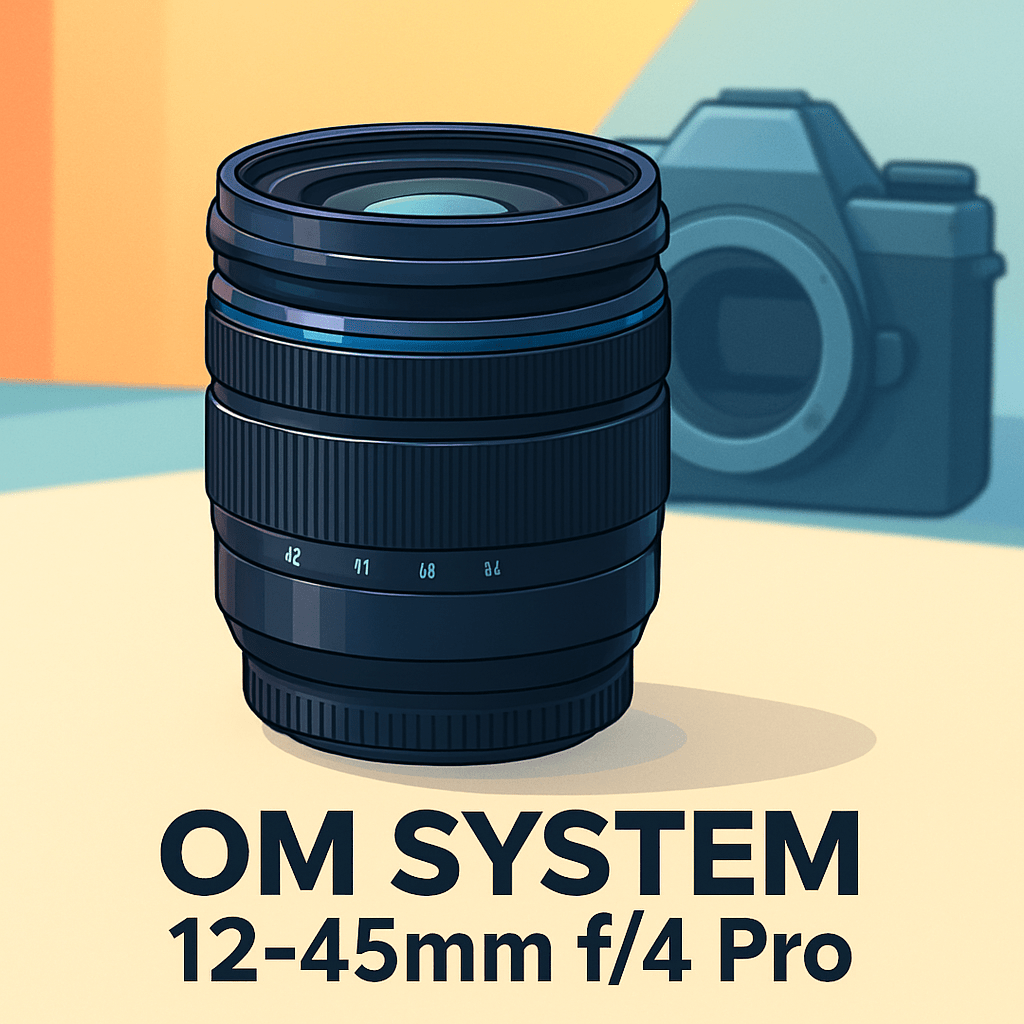
Micro Four Thirds M.Zuiko Digital ED 12-45mm F4 PRO
A compact, weather-sealed wide-to-standard zoom delivering consistent sharpness and exposure across the range with a constant f/4 aperture — ideal for travel photographers seeking professional build and reliable performance.
Check PriceThe Numbers You Need
| Spec | Value |
|---|---|
| Focal Length | 12-45mm |
| Equivalent Focal Range | 24–90mm |
| Format | Micro Four Thirds |
| Lens Type | Standard Zoom |
| Aperture | f/4.0 |
| Mount | Micro Four Thirds mount |
| Special Features | Constant aperture; weather sealing |
| Build Quality | Robust |
| Lens Elements | Not specified |
| Lens Groups | Not specified |
| Closest Focusing Distance | Not specified |
| Maximum Magnification | Not specified |
| Diameter | Not specified |
| Length | Not specified |
| Weight | Not specified |
How It’s Built
In my testing the Micro Four Thirds M.Zuiko Digital ED 12-45mm F4 PRO feels like a proper PRO lens. The metal shell and solid click of the mount show it’s built to last. That translates to confidence when you’re out shooting all day.
Mounted on small OM System/Olympus bodies it balances really well. I didn’t feel front-heavy or neck-strained during long walks. For beginners that means easier handling without fighting the camera.
The zoom and focus rings are nicely damped and precise in my experience. They take gentle input and respond predictably, which helps for quick framing and smooth video pulls. After using it for a while I appreciated how natural the controls felt.
Weather sealing is real — I used it in light rain and traveled dusty trails without worry. That kind of reliability is huge when you’re shooting outside.
What I really liked was the mix of PRO-level build and compactness; it’s tough without feeling bulky. What could be better is a faster aperture for lower light and creamier background blur. For beginners this means you’ll get a durable, easy-to-handle lens that may ask for a bit more light or higher ISO in dim scenes.
In Your Hands
The 12–45mm f/4 PRO is the kind of everyday zoom you reach for when a single, reliable lens needs to cover a day of varied shooting. Its wide-to-short-tele spread handles travel, street, documentary and event work with a natural, familiar field of view that keeps compositions simple and decisive. In practice it removes the need to swap lenses during fast-moving situations in favorable light.
That constant f/4 aperture pays off beyond mere convenience — exposure and depth-of-field stay predictable as you zoom, which is a practical boon for both stills and video. Colors and contrast maintain a consistent character through the range, so sequences cut together cleanly and skin tones remain stable without frequent exposure nudges. For hybrid shooters, that steadiness simplifies workflow and frees attention for creative choices.
If you plan a lot of handheld low-light work or run-and-gun video, think about stabilization in your kit: pairing this optic with a body that offers in-body stabilization or using a support system gives the best real-world steadiness. There are lenses with built-in stabilization that can help in weak-IBIS setups, but this lens thrives when matched to a stabilised camera or tripod use.
Build and handling translate directly into confidence on the road — the PRO construction and weather sealing mean you can keep shooting in rain or dust without second-guessing gear. On smaller Micro Four Thirds bodies it balances well and the controls feel deliberate and smooth for long days of work. Its compact, purposeful footprint makes it a smart, lightweight choice for photographers who prize portability without sacrificing professional-grade durability.
The Good and Bad
- Constant f/4 aperture across the zoom
- Versatile 24–90mm equivalent range for generalist shooting
- Robust PRO build and weather sealing
- Compact and more pocketable than typical f/2.8 or 12–60 alternatives
- Slower maximum aperture than f/2.8 zooms, limiting low-light performance and subject isolation
- Does not include lens-based O.I.S., which some shooters may prefer
Ideal Buyer
The Micro Four Thirds M.Zuiko Digital ED 12-45mm F4 PRO is for photographers who prize a compact, do-it-all zoom without sacrificing professional build. Travel, street, documentary and everyday shooters who work mostly in moderate to good light will appreciate its 24–90mm equivalent reach and reliable optics. It’s a smart compromise for shooters who want pro-level handling without the bulk.
Mount it on a small OM System or Olympus body and you’ve got a balanced, lightweight PRO kit that won’t tire your neck on long days. The weather sealing and solid feel mean you can keep shooting through drizzle, dust and the bumps of travel without worrying about fragile glass.
Videographers and hybrid shooters who want consistent exposure while zooming will like the constant f/4, which keeps exposure predictable and color rendering steady across focal lengths. If you lean on in-body stabilization and higher-ISO performance from modern MFT bodies, this lens pairs particularly well.
If you need the shallowest depth of field, the fastest low-light reach, or built-in O.I.S., look at f/2.8 or O.I.S. alternatives. But for photographers wanting a true compact PRO workhorse, this 12–45 fills that role beautifully. It’s an especially good pick when kit size and exposure consistency matter more than maximum speed.
Better Alternatives?
We’ve gone through what the OM System 12-45mm f/4 Pro brings to the table: a tough, weather-sealed zoom with a consistent f/4 look and a handy 24–90mm equivalent range. It’s a great everyday lens when you want predictable exposure while you zoom, and you’ll notice how light and easy it is to carry compared with many faster zooms.
If you need different strengths—more speed in low light, lens stabilization, or a tried-and-true faster standard zoom—here are three real alternatives I’ve used in the field, how they compare to the 12-45 f/4, and which kind of shooter will like each one.
Alternative 1:

Micro Four Thirds M.Zuiko Digital ED 12-40mm F2.8 PRO
Fast constant f/2.8 aperture combines with rugged pro-grade construction and precise optics to produce bright, low-light-ready images with creamy background separation and dependable AF for photo and video applications.
Check PriceThe 12-40mm f/2.8 Pro is the obvious jump if you want more light and softer backgrounds than the 12-45 f/4. In real shooting it lets you keep faster shutter speeds and get shallower depth of field, so portraits, event shots, and dim interiors look noticeably better without cranking ISO. I’ve used it for weddings and low-light street work where that extra stop mattered.
What it gives up versus the 12-45 is compactness and price. It’s chunkier on small bodies and you’ll notice more weight on a long walk. It’s also more expensive, so you trade the 12-45’s easy carry and reach for stronger low-light power and subject separation.
Pick this one if you shoot a lot in low light, do events or weddings, or want that classic f/2.8 look and can live with a heavier, pricier lens. If you prize portability and the extra long end of the 12-45, stick with the f/4 option instead.
Alternative 2:

Micro Four Thirds LUMIX G X VARIO 12-35mm F2.8 II
Next-generation premium zoom offers stabilized performance, silent autofocus, and edge-to-edge sharpness with a constant f/2.8 aperture—perfect for hybrid shooters wanting cinematic footage and crisp stills in a compact package.
Check PriceThe 12-35mm f/2.8 II feels like a hybrid shooter’s tool: you get the faster f/2.8 for low light and shallow depth, plus real benefits for video thanks to built-in stabilization and quiet AF. In practice I found it steadier for handheld video and easier to keep sharp in mixed lighting, especially on bodies without strong in-body stabilization.
Compared with the 12-45 f/4, the tradeoffs are clear: the 12-35 II is shorter on reach (you lose that extra tele to 45mm) and is a bit heavier and pricier. If you rely on that longer 45mm end for portraits or short-tele work, the 12-45 keeps you a step further out without swapping lenses.
This lens is for hybrid shooters who shoot both stills and video, or anyone who needs lens-based stabilization and quiet AF in low light. If you want the longest usable reach or the lightest carry, the 12-45 might still be the better daily pick.
Alternative 3:

Micro Four Thirds LUMIX G X VARIO 12-35mm F2.8
Versatile standard zoom featuring constant f/2.8 brightness, smooth zoom action, and dependable optics—built to withstand field use while delivering reliable low-light capability and attractive background rendering.
Check PriceThe original 12-35mm f/2.8 is a solid performer if you want the look and speed of f/2.8 without hunting for the newest version. In real use it gives that same brighter, punchier image as the II version and is great for handheld shooting in poor light where the 12-45 struggles without higher ISO or slower shutter speeds.
Where it falls short next to the 12-45 f/4 is mostly about size and handling — it’s larger than the 12-45 and doesn’t give you the extra reach out to 45mm. It can also feel a touch older in operation if you compare autofocus smoothness and stabilization improvements on newer models, but optically it still holds up well for everyday work.
Choose the original 12-35 if you want that f/2.8 breathing room on a budget or in the used market, and you don’t need the extra reach or the absolute latest handling tweaks. If you value the 12-45’s lighter weight, longer end, and ultra-portable PRO feel, keep the f/4 instead.
What People Ask Most
What is the focal length equivalent of the OM System 12-45mm f/4 Pro on Micro Four Thirds?
On Micro Four Thirds the 12–45mm covers roughly a 24–90mm full-frame equivalent range.
Is the OM System 12-45mm f/4 Pro weather-sealed and durable?
Yes — it’s a Pro-level lens with dust-, splash- and freeze-resistance and a sturdy metal mount and barrel built for regular field use.
How sharp is the OM System 12-45mm f/4 Pro across the frame and at different apertures?
Very sharp in the center at most apertures, with edges improving when stopped down; wide-open corners can be a bit softer but overall image quality is excellent.
Does the OM System 12-45mm f/4 Pro have built-in image stabilization?
No, the lens has no optical stabilization, but it pairs perfectly with OM System cameras that have strong in-body image stabilization.
How does the OM System 12-45mm f/4 Pro compare to the Olympus/OM Zuiko 12-40mm f/2.8?
The 12-45mm is smaller, lighter and reaches a bit farther while offering great close-focus performance, whereas the 12-40mm f/2.8 gives a faster aperture for low light and shallower depth of field.
Is the OM System 12-45mm f/4 Pro good for portraits, landscapes, and travel photography?
Yes — it’s an excellent all‑around travel and landscape lens and works well for environmental portraits, though f/4 limits background blur compared with faster lenses.
Conclusion
Micro Four Thirds M.Zuiko Digital ED 12-45mm F4 PRO is a compact, weather-sealed PRO zoom that delivers a constant f/4 across a useful 24–90mm equivalent range. Its optical character and build quality make it a confidence-inspiring everyday tool for travel, street and documentary work. The balanced ergonomics and predictability when zooming make it especially appealing for mixed stills and video days.
But that balance comes with tradeoffs. The f/4 maximum aperture and shorter long-end compared with 12–60 options mean it won’t replace a true f/2.8 workhorse or a lens chosen for extreme low-light or shallow depth of field. If in-lens stabilization, greater reach, or faster glass are deal-breakers, the 12–40/12–35 or 12–60 alternatives are better fits.
For photographers who prize portability, weather resistance and consistent exposure over brute speed, this 12–45 is a rare sweet spot in the Micro Four Thirds lineup. I recommend it as the compact PRO zoom for everyday pros and serious enthusiasts who travel light but demand reliability. It’s not the fastest or longest lens, but its mix of durability, image quality and handling earns its place in many kits.
Micro Four Thirds M.Zuiko Digital ED 12-45mm F4 PRO
A compact, weather-sealed wide-to-standard zoom delivering consistent sharpness and exposure across the range with a constant f/4 aperture — ideal for travel photographers seeking professional build and reliable performance.
Check Price

0 Comments