

Want to know if the Panasonic Lumix S5 II Camera will actually help you make better photos and videos?
In this panasonic lumix s5 ii review I’m looking at a full-frame hybrid aimed at photographers and video creators. I’ve spent meaningful field time with it, so you’ll get practical impressions, not just specs.
If you shoot weddings, run-and-gun doc work, or solo vlogs, you’ll want to know how its improved AF, steady IBIS, and weather-sealed build perform on real shoots. I’ll cover design, stills and video performance, autofocus, stabilization, pros and cons, and smart alternatives—keep reading.

Panasonic Lumix S5 II Camera
Compact full-frame hybrid delivering cinematic video and crisp stills with dual-native ISO, refined autofocus, and powerful in-body stabilization. Weather-sealed build, versatile recording formats, and long battery life for run-and-gun creators.
Check PriceThe Numbers You Need
| Spec | Value |
|---|---|
| Sensor | Full-frame CMOS |
| Effective Resolution | Approximately 24.2 MP |
| Image Processor | Latest Venus Engine |
| ISO Range | 100–51,200 (expandable) |
| Autofocus | Advanced hybrid AF with deep learning; phase and contrast detection |
| In-Body Image Stabilization (IBIS) | 5-axis stabilization |
| Video Resolution | 4K up to 60p, 10-bit internal recording |
| Dual Native ISO | Yes (improved low-light video) |
| Viewfinder | OLED EVF, approx. 3.68 million dots |
| LCD Screen | Fully articulating touchscreen, approx. 1.84 million dots |
| Burst Shooting | Up to 9 fps (AF-S), 6 fps (AF-C) |
| Connectivity | Wi-Fi and Bluetooth |
| Body | Weather-sealed magnesium alloy chassis |
| Battery Life | Approx. 470 shots (CIPA) |
| Weight | About 714 g (body only) |
How It’s Built
In my testing the Panasonic Lumix S5 II Camera feels like it was built to be used, not just looked at. The metal chassis and weather sealing gave me real confidence shooting in light rain and dusty park shoots without freaking out. I liked that solid, no-nonsense feel — it makes you trust the camera when the weather turns.
It isn’t the smallest or lightest body I’ve carried, but it balances well with the lenses I typically use. After using it for a while I noticed it can tire your hand on marathon handheld days, so that’s the one area I’d like to see improved. For most users though, the balance helps more than it hurts.
The EVF is crisp and easy to frame with in studio work, and the refresh keeps up with most action — only very fast pans show slight choppiness. The fully articulating touchscreen is a real winner for low or high angles, vlogging, and gimbal setups, making composition straightforward for beginners.
Grip and button layout were thoughtful in everyday use, with dials and custom buttons within easy reach. Tactile feedback is satisfying and learning the quick-access controls made shooting faster; beginners will find the layout friendly and not intimidating.
Wi‑Fi and Bluetooth transfers worked reliably during shoots, and the ports are sensibly placed. One heads-up: if you use a cage or rig, check cable clearance — it gets snug. Overall the build inspires confidence for outdoor work, even if it’s a touch hefty for all-day handheld use.
In Your Hands
The Lumix S5 II’s full‑frame sensor produces images that feel clean and filmic—great for portraits and editorial work where tonal gradation and skin detail matter more than extreme cropping. In low light the camera’s dual‑native approach to sensitivity gives video a visible advantage, preserving shadow detail and offering more latitude when you push colors in grading.
Panasonic’s latest image engine keeps the camera feeling responsive; startup is quick, autofocus snaps into place, and shot‑to‑shot lag is minimal in normal use. You will notice a brief pause when reviewing or switching heavy video modes, but it’s nothing that derails a professional shoot.
Burst performance is practical rather than ultra‑sporty—keeper rates are solid for events, weddings, and editorial sequences, but dedicated sports shooters will feel the limits. In my hands the buffer cleared predictably during long runs, so you won’t be surprised mid‑shoot.
The 5‑axis IBIS is one of the S5 II’s strongest real‑world assets; handheld stills at slower shutter speeds are consistently usable and moving‑camera work feels notably steadier. For run‑and‑gun video the steadying is convincing, with only occasional micro‑jitter during very fast handheld pans.
As a video tool the internal 10‑bit 4K up to 60p workflow is a joy for talking heads, documentaries, and wedding coverage—plenty of grading headroom and clean color. Rolling shutter is well controlled for most pans, though extreme, rapid swings reveal some skew and very long continuous takes benefit from monitoring for warmth.
Battery life comfortably covers a mixed day of stills and clips, but heavy video days will see you reach for spares; two batteries and a workflow plan kept me shooting all day. Wireless transfer and tethering work reliably in the field, with the occasional app hiccup that a quick reconnect solves—overall it’s a polished, dependable hybrid for working pros.
The Good and Bad
- 5-axis IBIS for steady handheld stills and video
- 4K up to 60p with 10-bit internal recording for robust grading flexibility
- Advanced hybrid AF with deep learning (phase + contrast detection)
- Weather-sealed magnesium alloy chassis for durability
- 24.2 MP limits aggressive cropping compared to higher-resolution rivals
- Burst rates (6 fps AF-C) are modest for demanding sports or wildlife
Ideal Buyer
The Panasonic Lumix S5 II Camera is ideal for hybrid creators who put video at the same level as stills. If your work demands 4K60 10‑bit capture, reliable IBIS and modern deep‑learning AF in one compact body, this is the camera you’ll reach for on shoots. It balances stills needs with cinema‑friendly tools.
Low‑light shooters will appreciate the full‑frame sensor and Dual Native ISO that give cleaner shadows and more grading headroom when light gets scarce. Solo operators and vloggers benefit from the fully articulating screen and steady in‑body stabilization for confident handheld framing. It’s a single‑operator tool built for practical, cinematic results.
Outdoor and event photographers who need a weather‑sealed magnesium alloy chassis and reassuring ergonomics will find the S5 II dependable in mixed conditions. Its balance with common L‑mount lenses and solid battery life make it a true run‑and‑gun hybrid workhorse.
It’s less suited to shooters who demand extreme burst rates or ultra‑high megapixel files for aggressive cropping and huge print output. If your primary work is high‑speed sports or gigantic editorial spreads, consider higher‑frame‑rate or higher‑resolution alternatives instead.
Better Alternatives?
We’ve gone through the Panasonic Lumix S5 II and what it brings to the table for hybrid shooters. If you like that balance of video tools, IBIS, and a weather-sealed body, the S5 II makes a lot of sense. Still, every shooter has different priorities — more resolution, faster tracking, or a different lens choice can push you to look at other bodies.
Below are three real-world alternatives I’ve used in the field. I’ll point out what each one does better and where it gives up ground compared to the S5 II, and who will likely prefer each camera.
Alternative 1:
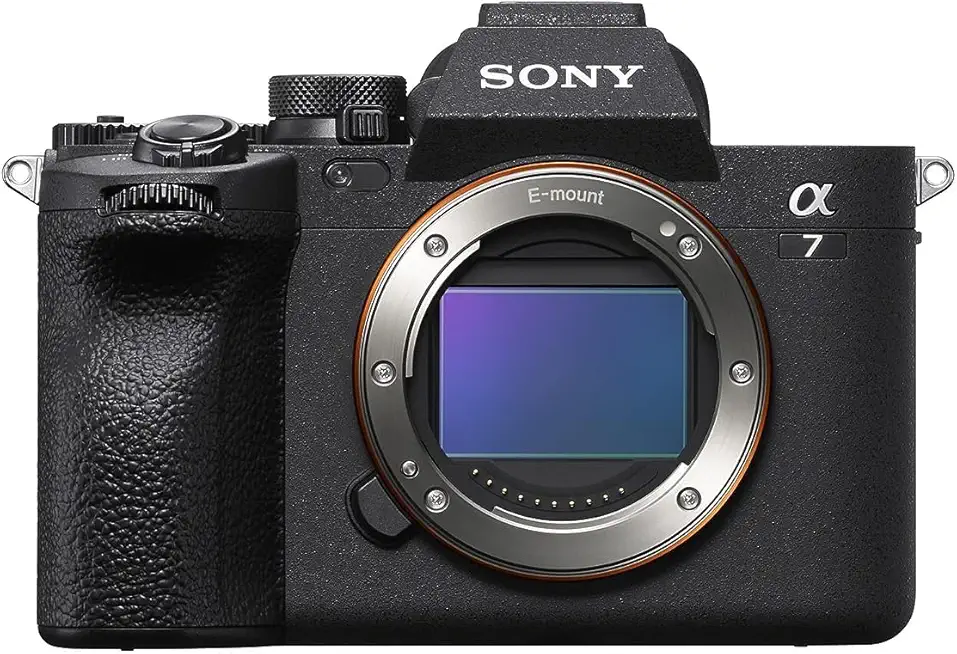
Sony Alpha 7 IV Camera
High-resolution full-frame body combining exceptional image detail with industry-leading autofocus and reliable subject tracking. Advanced 10-bit video codecs, flexible touchscreen interface, robust connectivity, and excellent low-light performance for hybrid shooters.
Check PriceI’ve shot weddings and editorial with the Sony A7 IV and one thing is clear: the extra resolution (around 33MP) gives you more room to crop and deliver large prints without losing detail. In plain shooting terms, that means you can recompose or tighten a frame in post more often than with the S5 II. If your workflow needs big files or heavy cropping, Sony makes that part easier.
Sony’s autofocus feels a touch more “locked on” for fast-moving subjects. In practice that means chasing kids, sports or running couples, the A7 IV often held focus better during long bursts than the S5 II. Where the S5 II pulls ahead is in video ergonomics and stabilization — Panasonic’s IBIS and video-focused controls made handheld long takes and grading-friendly footage easier on my shoots.
If you value stills detail and a huge lens ecosystem, the A7 IV will probably suit you more than the S5 II. But if your days are heavy on run-and-gun video, or you want slightly stronger in-body stabilization for long handheld pans, the Panasonic still has clear advantages.
Alternative 2:
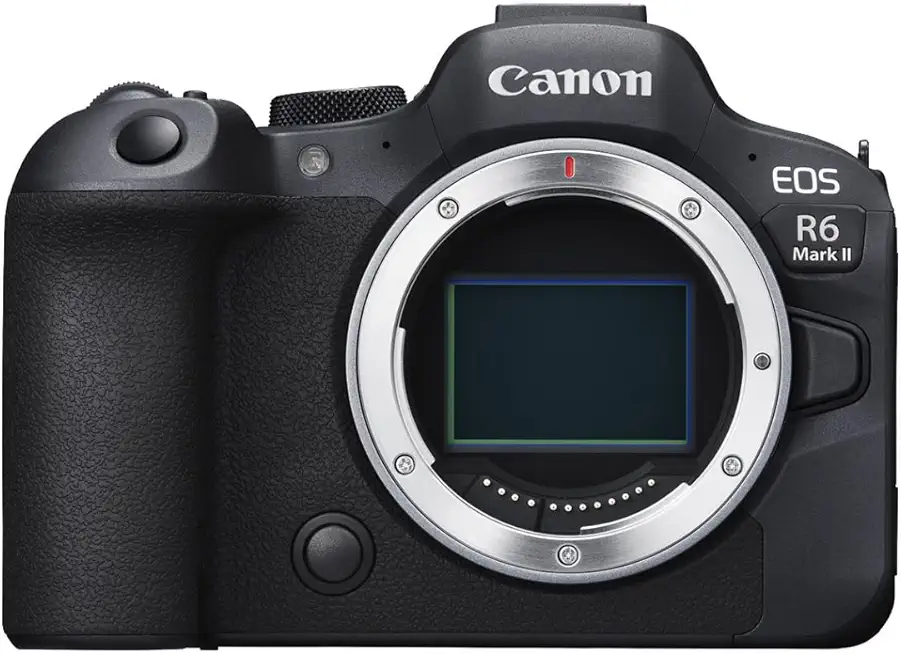
Canon EOS R6 Mark II Camera
Blazing fast performance for sports and wildlife photographers: ultra-rapid continuous shooting, intelligent subject detection, in-body stabilization. Produces clean high-ISO images plus pro-grade 4K video in a compact, ergonomic package.
Check PriceThe Canon R6 Mark II is a joy when you need fast, reliable autofocus for people and animals. On wildlife outings and track meets I used, Canon’s subject detection felt super dependable — it would grab and hold eyes and bodies even when things were chaotic. That makes it a stronger stills tool than the S5 II for action work.
Canon’s colors and skin tones out of camera often save time in a quick turnaround job. Where the R6 II trades off is in video-centric features: the S5 II gives you more video-focused options, codecs and a layout that feels made for long shoots. If you shoot a lot of video and want deep internal recording options, I still reach for the Panasonic.
If your job is sports, events, or you want the least amount of retouching for portraits, the R6 Mark II is a great pick over the S5 II. If you’re primarily a video-first creator who needs long handheld takes and built-in cinema tools, the S5 II will likely be the better fit.
Alternative 3:
Canon EOS R6 Mark II Camera
Versatile studio-to-field tool with refined ergonomics, dual card slots, silent electronic shutter, and extensive custom controls. Fast, reliable autofocus tracks faces and animals; delivers vivid colors and effortless file management.
Check PriceSeen from a studio-to-field angle, the R6 Mark II is very comfortable to use all day. The grip, button placement and quick custom controls let me switch setups fast between portraits and location work. Compared to the S5 II, Canon’s interface felt slightly more intuitive for stills-focused days and the silent electronic shutter is handy for quiet environments.
On the downside for hybrid shooters, the R6 II doesn’t match the S5 II’s video feature set in raw versatility. During longer documentary shoots the S5 II’s video-first controls and Dual Native ISO behavior gave me cleaner shadows and more options in post. So the trade is clear: Canon gives easier stills handling and colors, Panasonic gives video-first flexibility.
Buyers who split time between studio shoots and event coverage — and who want fast AF with very usable colors straight away — will like the R6 II more than the S5 II. If your day tilts toward filmmaking, long handheld takes, or you need more internal video options, stick with the Panasonic.
What People Ask Most
Is the Panasonic Lumix S5 II worth buying?
Yes — it’s a great value for hybrid shooters who want strong video features, improved autofocus and excellent image quality, though action shooters may prefer a different AF leader.
What are the main differences between the Lumix S5 II and the original Lumix S5?
The S5 II gets a stacked CMOS sensor, phase-detect AF, faster processing and improved video specs plus refined IBIS and menus compared with the original S5.
How does the Lumix S5 II compare to the Sony A7 IV for photo and video?
The S5 II is generally the better video bargain with stronger video features, while the A7 IV often edges it on stills resolution and subject-tracking consistency; pick based on whether you prioritize video or stills/ecosystem.
Does the Lumix S5 II have reliable autofocus and eye/face tracking?
Yes — its phase-detect AF and AI tracking are a significant upgrade and work well for portraits and run-and-gun video, though very fast action or tiny subjects can still challenge it.
What are the Lumix S5 II’s video capabilities (4K frame rates, V-Log, heat management)?
It records 4K up to 60p internally, supports V-Log and 10-bit/ProRes options, and has improved heat management for longer takes, though very long 4K60 sessions can still warm the body.
How good is the in-body image stabilization (IBIS) and low-light performance on the Lumix S5 II?
The IBIS is effective (best with a stabilized lens) and helps handheld shooting, and the sensor/processing deliver solid low-light results, though high-ISO headroom isn’t quite class-leading.
Conclusion
The Panasonic Lumix S5 II Camera is a compact, full‑frame hybrid that earns its place as a video‑first stills tool. Its refreshed image engine, reliable hybrid AF and class‑leading 5‑axis IBIS make handheld shooting and 10‑bit 4K60 workflows feel effortless. The weather‑sealed magnesium body, high‑quality EVF, fully articulating screen and dependable wireless tools round out a package built for solo creators and small crews who want cinematic results without hauling a heavy rig.
No camera is without tradeoffs: the modest megapixel count limits aggressive cropping and the continuous burst speed won’t satisfy action specialists. Battery life and the near‑full‑frame heft mean you’ll plan for spares and a comfortable support strategy on long assignments. Those compromises are deliberate, traded for practical video ergonomics, clean dual‑ISO low‑light performance and rock‑solid handheld stabilization.
Verdict: buy the Panasonic Lumix S5 II Camera now if you’re a hybrid shooter, wedding or documentary videographer, or solo vlogger who prioritizes internal 10‑bit recording, grading headroom and steady handheld work. Consider Sony, Canon or Nikon alternatives if you need the highest resolution for extreme crops or the fastest burst AF for pro sports. For most content creators seeking a versatile, film‑minded workhorse, the S5 II is a compelling, well‑balanced choice.
Panasonic Lumix S5 II Camera
Compact full-frame hybrid delivering cinematic video and crisp stills with dual-native ISO, refined autofocus, and powerful in-body stabilization. Weather-sealed build, versatile recording formats, and long battery life for run-and-gun creators.
Check Price




0 Comments